
Does Invisalign Make Teeth Yellow? Debunking Common Myths
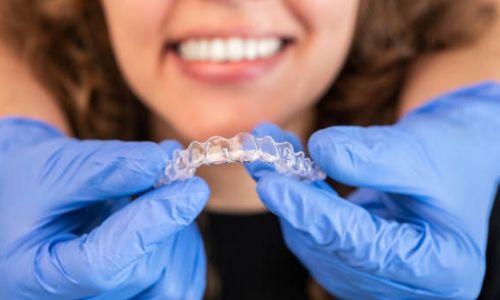
Introduction to Invisalign: Make Teeth Yellow In recent years, Invisalign has revolutionized orthodontic treatment, offering a discreet and convenient alternative to traditional braces. However, like any dental treatment, myths and misconceptions surround its effects on teeth. One common question that arises is whether Invisalign makes teeth yellow. While some may believe that Invisalign causes teeth to be yellow due to the aligners themselves, the truth is that proper oral hygiene and regular cleaning of the aligners can prevent discolouration. Invisalign can improve dental health by making it easier to brush and floss effectively. This article will address this concern and separate fact from fiction. Understanding Invisalign Invisalign Makes Teeth Yellow Invisalign is a popular orthodontic treatment utilizing clear, removable aligners to gradually shift teeth into proper alignment. These custom-made aligners are virtually invisible and offer a comfortable and discreet way to straighten teeth without using traditional metal braces. Dispelling the Myth: Does Invisalign Make Teeth Yellow Contrary to popular belief, Invisalign does not inherently cause teeth to turn yellow. The aligners are made from a clear, medical-grade plastic material designed to be stain-resistant and transparent. Additionally, because the aligners are removable, patients can maintain their regular oral hygiene routine, including brushing and flossing, which helps prevent stains and discolouration. Factors That Can Contribute to Teeth Yellowing: While Invisalign aligners do not directly cause teeth yellowing, certain factors may contribute to discolouration over time: Poor Oral Hygiene: Failure to properly brush and floss while wearing Invisalign aligners can lead to plaque buildup, which can eventually cause teeth to appear yellow. Additionally, consuming foods and drinks known to stain teeth, such as coffee, tea, and red wine, can also contribute to discolouration. Patients must maintain good oral hygiene habits and avoid staining substances to keep their teeth looking bright while undergoing Invisalign treatment. Consumption of Staining Substances: Foods and beverages such as coffee, tea, red wine, and certain fruits can stain teeth over time if consumed frequently. To help prevent discolouration, brushing and flossing regularly and rinse with water after consuming staining substances are recommended. Patients should also consider using a straw when drinking beverages that are known to stain teeth to minimize contact with the front teeth. Smoking or Tobacco Use: Tobacco products contain chemicals that can stain teeth, leading to yellowing or discolouration. Maintaining good oral hygiene habits and limiting consumption of staining substances is important to help prevent teeth yellowing. Additionally, quitting smoking or tobacco use can help improve your teeth’ overall appearance. Natural Aging Process: As individuals age, the enamel on the teeth may naturally wear down, revealing the yellowish dentin layer underneath. To prevent tooth discolouration, it is important to maintain good oral hygiene habits and limit the consumption of staining substances. Regular dental cleanings and professional whitening treatments can also help combat tooth discolouration caused by ageing or other factors. Maintaining Oral Health During Invisalign Treatment: To ensure that teeth remain healthy and white throughout Invisalign treatment, patients should follow these essential tips: Practice Good Oral Hygiene: Brush teeth at least twice daily with fluoride toothpaste and floss daily to remove plaque and prevent staining. A whitening toothpaste is also recommended to help maintain teeth whiteness during treatment. Additionally, avoiding foods and drinks known to cause staining, such as coffee and red wine, can help preserve the results of Invisalign treatment. Clean Aligners Regularly: Rinse aligners with lukewarm water each time they are removed and clean them using a soft-bristled toothbrush and mild soap to prevent bacterial buildup and odours. It is also important to soak aligners in a denture or Invisalign cleaning crystals as directed by your orthodontist to ensure they remain clear and odour-free. Remember always to store aligners in their case when not in use to prevent loss or damage. Limit Staining Foods and Drinks: While wearing Invisalign aligners, avoid consuming foods and beverages known to stain teeth. If consumed, rinse the mouth with water afterwards and clean the aligners before reinserting them. Maintaining good oral hygiene while using Invisalign aligners is essential for overall dental health. Attend Regular Dental Check-ups: Schedule routine dental visits for professional cleanings and check-ups to monitor oral health and address any concerns promptly. Invisalign treatment required an average of 2.5 refinement scans. Only 6.0% of the patients completed their Invisalign treatment without a single refinement scan. Source. Conclusion: Invisalign Make Teeth Yellow Invisalign is a highly effective orthodontic treatment that does not cause teeth to turn yellow. However, maintaining good oral hygiene and avoiding habits contributing to teeth staining is essential for preserving a bright, healthy smile throughout treatment. By debunking common myths and understanding the factors that can affect teeth colour, patients can confidently pursue Invisalign treatment with the assurance that their smile will remain radiant. Faqs about Whether Invisalign Makes Teeth Yellow Does wearing Invisalign aligners cause teeth to turn yellow? No, wearing Invisalign aligners does not directly cause teeth to turn yellow. The aligners are made from a clear, stain-resistant material that maintains teeth’ natural colour. What factors can contribute to teeth yellowing during Invisalign treatment? While Invisalign doesn’t cause yellowing, factors such as poor oral hygiene, consumption of staining substances like coffee or tobacco, and natural ageing can contribute to teeth discolouration over time. How can I prevent teeth yellowing while undergoing Invisalign treatment? Good oral hygiene, such as brushing and flossing regularly, cleaning your aligners as directed, limiting consumption of staining foods and drinks, and attending regular dental check-ups, can help prevent teeth from yellowing during Invisalign treatment. Can I drink coffee or tea while wearing Invisalign aligners? Removing your Invisalign aligners before consuming coffee, tea, or any other staining beverages is best. If you indulge, rinse your mouth with water and clean your aligners before reinserting them. Will my teeth be harder to clean with Invisalign aligners? While wearing Invisalign aligners, it’s essential to maintain your regular oral hygiene routine. Brushing and flossing may require more effort, but with proper technique and consistency, you can keep your teeth clean and
A Guide on Using Coconut Oil for Tooth Infections

Introduction to How to Use Coconut Oil for Tooth Infection This article will explore how to use coconut oil for tooth infection. Tooth infections can be painful and bothersome, prompting individuals to explore natural remedies for relief. Coconut oil, known for its antimicrobial and anti-inflammatory properties, has gained popularity as a potential remedy for tooth infections. Understanding Coconut Oil’s Benefits: Coconut oil contains lauric acid, which has been shown to have antibacterial properties that can help combat the bacteria causing tooth infections. Additionally, coconut oil can help reduce inflammation and soothe pain associated with tooth infections, making it a versatile and natural option for dental care. Coconut oil possesses several properties that make it a promising option for tackling tooth infections: Antibacterial Properties: Medium-chain fatty acids in coconut oil, such as lauric acid, exhibit strong antibacterial properties, which can help combat the bacteria causing tooth infections. In addition, coconut oil has anti-inflammatory properties that can help reduce swelling and discomfort associated with tooth infections. This makes it a holistic approach to dental care that addresses the infection’s root cause and symptoms. Anti-Inflammatory Effects: Coconut oil’s anti-inflammatory properties may reduce inflammation and swelling associated with tooth infections, relieving discomfort. Additionally, coconut oil can help promote overall oral health by reducing plaque buildup and preventing gum disease. This natural remedy offers a safe and effective alternative to traditional dental care products. How to Use Coconut Oil for Tooth Infections: Oil Pulling: Oil pulling is a traditional practice that involves swishing oil in the mouth for an extended period. Use a tablespoon of coconut oil and swish it around the mouth for 15-20 minutes, then spit it out. Repeat this process daily to help alleviate tooth infection symptoms and improve oral health. Oil pulling with coconut oil can also help to whiten teeth and freshen breath naturally. Do this in the morning before brushing your teeth. The oil helps remove toxins and bacteria from the oral cavity. Oil pulling with coconut oil can also reduce inflammation and soothe gum pain associated with tooth infections. Additionally, use organic, unrefined coconut oil for the best results. Coconut Oil and Turmeric Paste: Mix coconut oil with turmeric powder to create a paste. Turmeric possesses anti-inflammatory and antimicrobial properties. This paste can be used as a natural toothpaste to help reduce inflammation and fight bacteria in the mouth. Turmeric also has the added benefit of helping to whiten teeth over time. Apply the paste directly to the affected area or use it as a natural toothpaste. Leave it on for a few minutes before rinsing. This natural remedy can help alleviate discomfort and promote healing in the affected area. Remember to consult with a dentist if the pain persists or worsens. Coconut Oil and Clove Oil Blend: Combine coconut oil with a few drops of clove oil, known for its analgesic and antibacterial properties. This blend can be a natural remedy for toothaches or gum pain. Clove oil is often used in dental care for its numbing effect and ability to reduce bacteria in the mouth. Apply a small amount of the blend directly to the affected area for relief. Apply the mixture to the affected tooth using a cotton ball or clean finger. Leave it on for some time before rinsing. This blend can help reduce pain and inflammation in the affected area while fighting bacteria. Additionally, clove oil has been used for centuries as a natural remedy for toothaches. Coconut Oil and Peppermint Oil Mouthwash: Create a natural mouthwash by mixing coconut oil with a few drops of peppermint oil. Use this solution as a mouthwash, swishing it around the mouth for 30 seconds to a minute before spitting it out. This homemade mouthwash can help freshen your breath and kill bacteria in the mouth. Make sure not to swallow the mixture after swishing. Precautions and Considerations: If you experience persistent or severe tooth pain, it’s essential to consult with a dental professional for a proper diagnosis and treatment. Additionally, it’s important to note that some individuals may be allergic to coconut or peppermint, so it’s recommended to perform a patch test before using the mouthwash regularly. Always store the mouthwash in a cool, dry place away from direct sunlight to maintain effectiveness. While coconut oil may relieve pain, it should not substitute for professional dental care. Regular dental check-ups and cleanings are necessary to maintain oral health and address underlying issues. Good oral hygiene habits, such as brushing and flossing regularly, are also important. The estimated global average prevalence of complete tooth loss is almost 7% among people aged 20 years or older. Conclusion of How to Use Coconut Oil for Tooth Infection Coconut oil offers a natural and potentially beneficial approach to managing tooth infections. Incorporating coconut oil through oil pulling, topical applications, or blends with other beneficial ingredients may relieve and support oral health. However, it’s crucial to remember that these methods do not replace professional dental advice, and consulting with a dentist is essential for addressing underlying dental issues. Faqs about How to Use Coconut Oil for Tooth Infection Q1: How often should I practice oil pulling with coconut oil for tooth infections? A1: Oil pulling can be done daily as part of your oral hygiene routine. Ideally, practice it in the morning before brushing your teeth. Swish a tablespoon of coconut oil in your mouth for 15-20 minutes, then spit it out. However, you may reduce the frequency if you experience any discomfort or irritation. Q2: Can I use coconut oil for tooth infections as a substitute for toothpaste? A2: Coconut oil can be used as a natural toothpaste substitute, especially when combined with other beneficial ingredients like turmeric. However, to ensure comprehensive dental care, regular oral hygiene practices, including brushing with fluoride toothpaste, are essential. Q3: How long should I leave the coconut oil and turmeric paste on my tooth for maximum effectiveness? A3: Allow the coconut oil and turmeric paste to stay on your tooth for
Understanding the Complications of Exodontia
Introduction: Complications of Exodontia Exodontia, commonly known as tooth extraction, is a routine dental procedure performed for various reasons, including decay, infection, or orthodontic purposes. While most extractions are successful, complications can arise, requiring careful consideration and management by dental professionals. This article will explore the potential complications associated with exodontia and how they can be addressed. Bleeding: One of the most common complications following tooth extraction is bleeding. While mild bleeding is normal, excessive or prolonged bleeding can be a cause for concern. Clot disruption, underlying medical conditions, or medication interactions may increase bleeding. Dentists must provide patients with proper postoperative care instructions and monitor them for signs of abnormal bleeding. Infection: Complications of Exodontia Infections are potential risks associated with any surgical procedure, and exodontia is no exception. Bacterial contamination or improper wound care can lead to infections. Dentists often prescribe antibiotics to mitigate this risk and emphasize the importance of following postoperative care guidelines, including maintaining oral hygiene to reduce the likelihood of infection. Dry Socket: Dry socket, or alveolar osteitis, occurs when the blood clot that forms after extraction is dislodged or dissolves prematurely, exposing the underlying bone. This condition can be extremely painful and delay the healing process. Dentists may recommend special dressings and pain management strategies to alleviate discomfort and promote healing. Patients must avoid smoking and vigorous rinsing in the days following extraction to reduce the risk of developing a dry socket. If symptoms of dry socket persist or worsen, it is crucial to seek prompt dental care for proper treatment and management. Nerve Damage: In some cases, nerves near the extraction site may sustain damage during the procedure, leading to temporary or, in rare cases, permanent numbness or altered sensation. Dentists take precautions to minimize the risk of nerve damage, such as carefully planning and evaluating the tooth’s position and surrounding structures. If nerve damage does occur, dentists may recommend further evaluation by a specialist to determine the best course of action for treatment. Patients need to communicate any unusual sensations or changes in feeling to their dentist following an extraction. Fractured Roots or Teeth: Complex extractions may involve dealing with fractured roots or teeth, posing challenges for complete removal. Dentists must skillfully navigate such situations to prevent leaving behind fragments that could lead to infections or other complications. Dentists may use specialized tools and techniques to safely remove fractured roots or teeth, such as sectioning the tooth or using a surgical handpiece. A referral to an oral surgeon may sometimes be necessary for more complex extractions. Allergic Reactions: Some patients may experience allergic reactions to medications, anesthetics, or materials used during the extraction. Dentists should be aware of patients’ medical histories and potential allergies to minimize this risk. Additionally, dentists should have emergency protocols to address any allergic reactions that may occur during or after the extraction procedure. Dental professionals must communicate effectively with patients about potential risks and ensure they are well-informed. Swelling and Bruising: Post-extraction swelling and bruising are common, particularly in more complex cases. This is a natural response to trauma, but excessive swelling can impede the healing process. Dentists may recommend applying ice packs and prescribing anti-inflammatory medications to manage swelling and discomfort. Patients should be advised on the duration of expected swelling and when to seek further assistance if it persists. Sinus Complications: Extractions of upper molars, especially in the posterior region, can sometimes lead to sinus complications. An opening between the oral cavity and the sinus can occur, causing sinus communication. Dentists must be cautious during such extractions and may advise patients to avoid certain activities, like blowing their nose forcefully, to prevent complications. Patients should also be informed about the signs and symptoms of sinus complications, such as persistent nasal congestion or discharge. If any of these symptoms occur, patients should seek prompt evaluation from their dentist or healthcare provider to prevent further complications. Postoperative Pain Management: Pain is a common concern after tooth extraction. Dentists often prescribe pain medications and provide guidelines on their proper use. Non-pharmacological approaches, such as warm saltwater rinses and a soft diet, can also contribute to pain management. Patients should communicate their pain levels to their dentist for appropriate adjustments in medication or treatment. Delayed Healing: Compromised immune function, systemic diseases, or poor adherence to postoperative care instructions can lead to delayed healing. Dentists may recommend additional measures, such as nutritional supplements or more frequent follow-up appointments, to monitor and support the healing process in these cases. Anesthesia Complications: Complications related to anesthesia can include adverse reactions, allergies, or even systemic issues. Dentists carefully assess patients’ medical histories and choose appropriate anesthetic techniques. Awareness of potential complications allows for quick intervention and proper management to ensure patient safety. Patients should always disclose any allergies or medical conditions to their dentist before anesthesia. This information will help the dentist make informed decisions and minimize the risk of complications during treatment. Psychological Impact with Complications of Exodontia The extraction process can have psychological implications for some patients, leading to anxiety or fear of future dental procedures. Dentists should be attuned to patients’ emotional well-being, providing reassurance and, if necessary, referring them to mental health professionals for additional support. Patients’ emotional well-being is important in dental care, as anxiety can impact treatment outcomes. Dentists can help patients feel more comfortable and confident during procedures by addressing psychological concerns. According to The Journal of the American Dental Association, 21.3% or more than 1 in 5 adults have untreated tooth decay, which can lead to the need for tooth Extraction. Conclusion: Complications of Exodontia Exodontia is generally a safe and common dental procedure, but complications can occur. Dental professionals are crucial in preventing, identifying, and managing these complications to ensure optimal patient outcomes. Patients, in turn, must adhere to postoperative care instructions and promptly report any unusual symptoms to their dentist. Careful consideration and appropriate measures can minimize the complications associated with exodontia, allowing for a smoother and more successful recovery process. Faqs about Complications
The Role of Tooth Extractions in Orthodontics and Dental Health
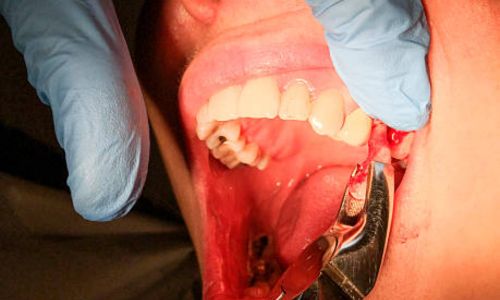
This article explores tooth extractions in orthodontics, exploring their significance, controversies, and impact on overall dental health. Orthodontics, the branch of dentistry focused on the alignment of teeth and jaws, is crucial in enhancing the oral cavity’s aesthetic appeal and functionality. Among the myriad of tools and techniques orthodontists employ, tooth extractions stand out as a controversial yet essential aspect of treatment. Understanding Orthodontics: Beyond Aesthetics Orthodontics is often associated with achieving a straighter, more aesthetically pleasing smile. While the cosmetic aspect is undeniably important, the field goes beyond mere appearance. Properly aligned teeth improve oral health, reducing the risk of dental issues such as cavities, gum disease, and temporomandibular joint disorders (TMJ). The primary goal of orthodontic treatment, including tooth extraction in orthodontics, is to achieve occlusal harmony, ensuring that the upper and lower teeth come together correctly during biting and chewing. This harmony is crucial for efficient chewing and speech and preventing abnormal tooth wear. In some cases, achieving such harmony may require the removal of one or more teeth—a decision that sparks debates within the dental community. The Controversy Surrounding Tooth Extractions in Orthodontics TExtractingteeth for orthodontic purposes has been met with skepticism and concern. Critics argue that extracting teeth is an extreme measure, potentially causing long-term harm to oral health. However, proponents assert that judicious tooth extractions can be a strategic and beneficial component of orthodontic treatment. Indications for Tooth Extractions in Orthodontics Tooth extractions in Orthodontics are typically recommended in specific scenarios, guided by careful assessment and diagnosis. Common indications include: Crowding: When there is insufficient space in the dental arch for all the teeth to align properly, extracting one or more teeth may be necessary to create the needed space. Protrusion: In cases where the front teeth protrude significantly, extracting one or more teeth can help retract them and achieve a more balanced profile. Overjet: An excessive horizontal overlap of the upper front teeth over the lower front teeth, known as overjet, may require tooth extractions to facilitate correction. Bite Issues: Malocclusions, such as deep and open bites, may be addressed through tooth extractions to facilitate proper upper and lower teeth alignment. Impacted Teeth: Wisdom teeth or other teeth that fail to erupt properly may need to be extracted to prevent complications and facilitate orthodontic treatment. The Tooth Extraction in Orthodontics Process Understanding tooth extraction in Orthodontics is crucial for demystifying the procedure and alleviating concerns. The process typically involves the following steps: 1. Comprehensive Evaluation: Orthodontists thoroughly evaluate the patient’s dental and facial structure before recommending tooth extractions. This includes assessing the degree of malocclusion, crowding, and other factors that may necessitate extractions. Treatment Planning: Based on the evaluation, orthodontists develop a comprehensive treatment plan that may include extracting specific teeth. The plan considers the overall goals of treatment, the desired outcome, and the impact on aesthetics and function. Preparatory Measures: Before the extraction, orthodontists may employ preparatory measures such as creating space for tooth movement, addressing any underlying gum or periodontal issues, and ensuring the patient’s overall oral health. Extraction Procedure: The extraction procedure itself is performed with precision and care. Local anesthesia is typically administered to ensure the patient’s comfort. The orthodontist then removes the designated tooth or teeth, minimizing trauma to surrounding tissues. 5. Post-Extraction Care: Following the extraction, patients receive post-operative instructions to promote optimal healing. This may include recommendations for oral hygiene, dietary restrictions, and pain management techniques. Advances in Orthodontics: Minimizing the Need for Extractions In recent years, advancements in orthodontic techniques and technology have aimed to minimize the need for tooth extractions. These innovations include: Temporary Anchorage Devices (TADs): Temporary anchorage devices, such as mini-implants, provide additional anchorage points for orthodontic appliances. This innovation allows orthodontists to achieve tooth movement without relying solely on natural teeth, reducing the need for extractions. Invisalign and Clear Aligners: Clear aligner systems, like Invisalign, have gained popularity for their ability to straighten teeth without using traditional braces. Clear aligners can sometimes address alignment issues without needing extractions, providing a more aesthetically pleasing alternative. Palatal Expanders: Palatal expanders can create additional space in the dental arch, addressing crowding without needing extractions. This non-surgical approach is particularly beneficial in younger patients with developing dental arches. The Future Tooth Extractions in Orthodontics As the field of orthodontics continues to evolve, the focus is increasingly shifting toward personalized treatment plans. Each patient’s unique dental and facial characteristics are considered to be tailored orthodontic interventions that optimize aesthetics and function. Precision Medicine in Orthodontics Advancements in genetics and precision medicine are contributing to a more individualized approach to orthodontic care. Genetic testing may provide insights into a patient’s predisposition to certain dental conditions, guiding orthodontists in developing personalized treatment plans that minimize the need for extractions. Precision medicine allows orthodontists to predict treatment outcomes more accurately, reducing the likelihood of unexpected complications. Collaborative Care and Patient Education In the evolving landscape of orthodontics, collaborative care and patient education play crucial roles. Orthodontists work closely with other dental specialists, such as oral surgeons and periodontists, to ensure a comprehensive approach to treatment. This collaborative effort helps address complex cases with minimal reliance on extractions when possible. Patient education is equally vital. Informed patients are better equipped to participate actively in their treatment decisions. Orthodontists strive to communicate the rationale behind treatment plans, including the potential need for extractions, and address any concerns or misconceptions the patient may have. Potential Complications and Risks While orthodontic tooth extractions are generally considered safe and routine, it’s important to acknowledge potential complications and risks associated with the procedure. Infection: Infection is a rare but possible complication following a tooth extraction. Orthodontists take preventive measures, such as prescribing antibiotics and providing post-operative care instructions, to minimize the risk of infection. Changes in Facial Aesthetics: Careful treatment planning aims to mitigate changes in facial aesthetics resulting from extractions. However, in some cases, particularly when multiple extractions are performed, there may be subtle changes in the patient’s facial profile. Temporomandibular Joint (TMJ) Issues:
Correcting Abnormal Eruptions with Braces: Before and After Transformations
Introduction: Abnormal tooth eruption can lead to various orthodontic issues, impacting the smile’s aesthetics and functionality. Braces are a widely used orthodontic treatment to address these concerns, helping to realign teeth and achieve a harmonious bite. In this article, we will explore cases of abnormal tooth eruption, the role of braces in correction, and showcase before-and-after transformations of individuals who underwent orthodontic treatment. Common Causes of Abnormal Tooth Eruption Genetic Factors: In the realm of orthodontics, genetic factors can significantly influence the way teeth erupt. Individuals may inherit traits that contribute to irregular tooth eruption patterns, impacting the alignment of their teeth. These genetic predispositions can manifest as various issues, such as crowded or misaligned teeth. While genetic factors lay the foundation for tooth eruption patterns, the specific manifestation can vary widely among individuals. Crowding or Spacing Issues: Insufficient or excess space within the dental arch can give rise to abnormal tooth eruption. In cases of crowding, where there is not enough room for all teeth to emerge properly, they may shift or tilt, resulting in misalignment. On the other hand, excessive spacing can lead to teeth erupting in positions not harmonized with the overall dental arch. The interplay between the available space and the number of teeth attempting to emerge contributes to the complexity of tooth eruption dynamics. Impacted Teeth: When teeth fail to emerge correctly through the gum line, they are called impacted teeth. This condition can disrupt the natural eruption process and lead to various complications. Impacted teeth may be partially or fully obstructed by other teeth or bone, causing them to emerge at an angle or remain entirely submerged. The impaction can create challenges in terms of alignment and maintaining proper oral hygiene around the affected teeth. Premature Tooth Loss: The premature loss of primary or permanent teeth can negatively affect the remaining dentition. Early tooth loss disturbs the natural balance within the oral cavity, leading to potential issues with tooth eruption. The surrounding teeth may drift or tip into the vacant space, affecting the alignment of the entire dental arch. This disruption in balance can contribute to abnormal tooth eruption patterns and, if left unaddressed, may necessitate orthodontic intervention to restore proper alignment. The estimated global average prevalence of complete tooth loss is almost 7% among people aged 20 years or older. Understanding these common causes of abnormal tooth eruption is crucial in identifying potential orthodontic issues early on. Addressing these factors through timely intervention, such as orthodontic treatments like braces, can help mitigate the impact of genetic predispositions, spacing problems, impacted teeth, or premature tooth loss on the overall alignment and health of the dentition. Regular dental check-ups and consultations with orthodontic professionals are key in effectively identifying and addressing these issues. Role of Braces in Correcting Abnormal Eruptions Alignment and Straightening: One of the primary roles of braces in correcting abnormal tooth eruptions is the alignment and straightening of the teeth. Braces consist of brackets attached to each tooth and a wire that runs through them. This system applies gentle and consistent pressure on the teeth, encouraging them to move gradually into proper positions. The controlled force exerted by braces helps to address issues such as crowding, misalignment, and irregular spacing, resulting in a straighter and more harmonious dental arch. Correction of Malocclusions: Braces effectively address various malocclusions, which are misalignments in the upper and lower teeth. Common malocclusions include overbites, underbites, and crossbites. Braces work by guiding the teeth into the correct relationship with each other, correcting the alignment of the bite. This contributes to a more aesthetically pleasing smile and ensures proper function and distribution of biting forces, preventing issues such as uneven wear on the teeth. Space Management: Braces are crucial in space management within the dental arch. Whether there is overcrowding or excessive spacing between teeth, braces can help create or close these spaces. In cases of crowding, braces gradually shift the teeth to make optimal use of available space. Conversely, if there are gaps between teeth, braces can close these spaces by gently moving the adjacent teeth closer. This space management contributes to a more balanced and aesthetically pleasing smile band that helps achieve a functional and well-aligned dentition. The role of braces in correcting abnormal tooth eruptions encompasses the alignment and straightening of teeth, correction of malocclusions, and space management within the dental arch. The comprehensive approach of braces addresses a wide range of orthodontic issues, providing individuals with an improved smile and enhanced oral health and functionality. Orthodontic professionals carefully plan and customize treatment to suit each patient’s unique needs, ensuring effective correction of abnormal tooth eruptions and achieving long-lasting results. Regular monitoring and adjustments during the orthodontic treatment process contribute to the success of the braces to attain the desired outcomes. Abnormal Eruption Braces Before and After Transformations Overcrowding: Before: In cases of overcrowding, individuals may present with crowded and misaligned teeth, affecting the overall aesthetics of their smile. Overlapping and crooked teeth can create challenges in oral hygiene maintenance and may lead to increased risks of decay and gum issues. After: Following the application of braces, the transformation is evident in the well-aligned teeth. The braces work to gradually reposition the crowded teeth, creating a harmonious and symmetrical smile. The improved alignment enhances the appearance, facilitates better oral hygiene practices, and contributes to overall dental health. Impacted Teeth: Before: Impacted teeth can cause visible gaps and misalignment in the dental arch, the failure of these teeth to emerge properly through the gum line disrupts the natural alignment and can lead to complications such as infection or changes in adjacent tooth positions. After: The successful eruption and alignment of impacted teeth with braces showcase a notable transformation. By applying controlled pressure, braces guide the impacted teeth into their correct positions, improving overall dental harmony. This addresses the aesthetic concerns and ensures proper function and alignment within the dental arch. Correction of Malocclusion Before, malocclusion, characterized by a significant overbite or underbite, could impact
Invisalign vs Braces: Comparison for Your Orthodontic Journey
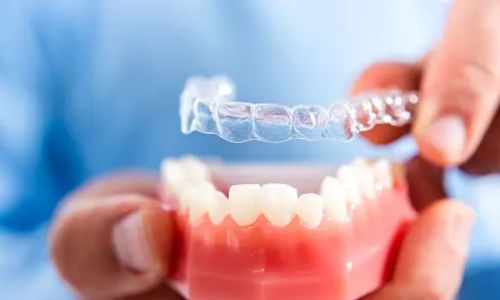
Introduction: Choosing between Invisalign vs Braces is a significant decision on your orthodontic journey. Both options aim to straighten teeth and correct bite issues but differ in aesthetics, comfort, and maintenance. In this article, we’ll delve into the detailed comparison between Invisalign vs Braces, outlining their unique features. Comparison of Invisalign vs Braces Appearance: Invisalign revolutionizes the orthodontic experience by offering clear, virtually invisible aligners. This innovative approach provides a discreet solution for individuals seeking a less noticeable option for teeth straightening. Unlike traditional braces with metal or ceramic brackets, Invisalign aligners allow individuals to undergo orthodontic treatment with confidence without drawing attention to the fact that they are experiencing dental correction. Traditional braces, whether made of metal or ceramic, are characterized by the visibility of brackets and wires. The use of metal or ceramic brackets contrasts with the discreet nature of clear aligners. The visibility of traditional braces may be a consideration for those who prioritize a less conspicuous orthodontic solution. However, the option for customization through colored bands adds a personalized touch, allowing individuals to express their style and preferences during their orthodontic journey. Comfort: One of the key advantages of Invisalign is its emphasis on comfort throughout the treatment process. The aligners are custom-made with smooth edges, ensuring a comfortable fit in the mouth. Their removable nature adds to the comfort factor, allowing individuals to take them out for eating, brushing, and on special occasions. This level of flexibility contributes to a more pleasant orthodontic experience compared to the fixed nature of traditional braces. The initial phase of wearing traditional braces may involve discomfort during adjustment. Individuals may experience soreness after orthodontic adjustments. Unlike Invisalign, traditional braces are non-removable throughout the treatment duration. While this fixed nature ensures continuous teeth straightening progress, it may require an adaptation period for individuals to become accustomed to braces in their mouths. Treatment Duration: The duration of Invisalign treatment varies based on individual cases but is generally comparable to traditional braces. Invisalign’s effectiveness in addressing specific orthodontic issues means it can achieve results within a timeframe that aligns with traditional orthodontic methods. The flexibility of the treatment plan allows for customization, ensuring that each patient receives the appropriate duration of treatment tailored to their unique needs. Traditional braces are known for providing consistent progress in correcting orthodontic issues. The treatment duration is often predictable and may, in certain cases, be shorter than Invisalign. Consistent progress is achieved through the regular adjustments made by the orthodontist during in-person visits, ensuring that the teeth are effectively guided into their desired positions over time. Maintenance: Maintaining oral hygiene during orthodontic treatment is crucial, and Invisalign simplifies this aspect. The aligners can be easily removed for cleaning, allowing individuals to keep their regular oral care routine without the challenges posed by fixed brackets and wires. Additionally, the absence of dietary restrictions is a notable advantage, as individuals can enjoy their meals without concern for damaging orthodontic appliances. Maintaining oral hygiene with traditional braces can present some challenges. Cleaning around the brackets and wires may require extra effort and specialized tools such as floss threaders or interdental brushes may be recommended. Additionally, individuals with traditional braces are often advised to be cautious about their diet, as certain foods, especially sticky and hard ones, can potentially damage the braces. This necessitates adherence to specific food restrictions to prevent complications during treatment. Adjustments: Invisalign introduces a virtual treatment plan utilizing computer-generated 3D models to guide teeth straightening. This advanced technology minimizes the need for frequent in-person adjustments typically associated with traditional braces. The virtual treatment plan enhances precision, allowing for a more efficient and streamlined orthodontic journey. This feature saves time and contributes to the convenience of choosing Invisalign as an orthodontic solution. Unlike Invisalign’s virtual treatment plan, which minimizes the need for frequent in-person adjustments, traditional braces require regular visits to the orthodontist for adjustments. These adjustments are crucial for maintaining the progress of the orthodontic treatment, ensuring that the braces continue to exert the necessary pressure on the teeth to guide them into their correct positions. The periodic nature of these visits contributes to the comprehensive monitoring of the orthodontic progress and allows for necessary modifications to the treatment plan. Invisalign works up to 50% faster than traditional braces. Comparison Table of Invisalign vs Braces Feature Invisalign Traditional Braces Appearance Virtually invisible Noticeable metal or ceramic brackets Comfort Smooth, removable aligners Initial discomfort, fixed to teeth Treatment Duration Varies by case, generally comparable Consistent progress, case-dependent Maintenance Easy cleaning, no food restrictions Cleaning challenges, some restrictions Adjustments A virtual treatment plan, fewer in-person visits Regular in-person adjustments Conclusion: Invisalign vs Braces Ultimately, the choice between Invisalign and traditional braces depends on individual preferences, lifestyle, and the patient’s specific orthodontic needs. Invisalign offers a discreet and flexible option, while conventional braces may be preferred for their consistent progress and suitability for certain cases. Consult with your orthodontist to determine the most suitable option for achieving the desired results on your orthodontic journey. FAQs about Invisalign vs Braces Q: How visible are Invisalign aligners? A: Invisalign aligners are virtually invisible, making them a discreet option for teeth straightening. They are constructed from clear, transparent material, minimizing their visibility during everyday activities. Q: Are Invisalign aligners comfortable to wear? A: Yes, Invisalign aligners are designed for comfort. They are custom-made with smooth edges, reducing irritation to the cheeks and gums. Additionally, their removable nature allows for more flexibility and comfort during daily activities. Q: How long does Invisalign treatment take? A: The duration of Invisalign treatment varies depending on individual cases. On average, it is generally comparable to traditional braces. Your orthodontist will provide a customized treatment plan with estimated timelines. Q: Can I eat and drink with Invisalign? A: Yes, one of the advantages of Invisalign is that the aligners are removable. You can take them out for eating and drinking, allowing you to enjoy your favorite foods without restrictions. Q: How noticeable are traditional braces? A:
Tooth Extraction Myths Debunked: Separating Fact from Fiction
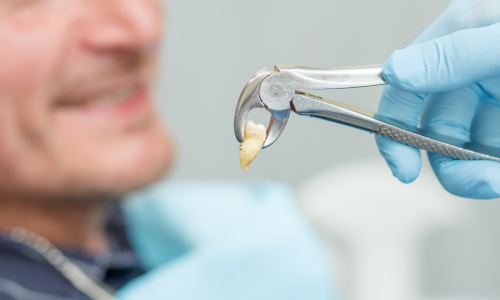
Introduction The idea of tooth extractions frequently brings notions of pain and unease to mind, giving rise to several myths and misunderstandings. Tooth extraction is a dental procedure that often evokes anxiety and misconceptions among individuals. Over time, myths and misconceptions about tooth extraction, known as “Tooth extraction Myths,” have circulated, contributing to unnecessary fear and uncertainty. However, the truth is that tooth extractions are routine dental procedures that play a vital role in preserving oral health. This comprehensive guide aims to debunk common tooth extraction myths, providing accurate information to help individuals make informed decisions about their oral health. Myth 1: Tooth Extraction Is Always Painful One prevalent myth surrounding tooth extraction is the belief that it is an excruciatingly painful procedure. In reality, advancements in dental techniques and anesthesia have significantly minimized pain and discomfort associated with tooth extraction. Dentists employ local anesthesia to numb the affected area, ensuring that patients experience minimal pain during the procedure. Myth 2: Sedation is Mandatory for Extractions Reality: Sedation is a choice, not an obligatory measure. Although certain individuals may opt for sedation to alleviate anxiety, numerous extractions are carried out solely with local anesthesia, effectively numbing the targeted area. Your dentist will discuss with you to determine the most suitable approach, considering your requirements and comfort preferences. Myth 3: Tooth Extraction Leads to Immediate Health Issues Some individuals fear that extracting a tooth may result in immediate health problems or complications. In truth, tooth extraction is a routine dental procedure to address issues such as severe decay, infection, or overcrowding. When performed by a qualified dentist, tooth extraction is a safe and necessary measure to maintain oral health. Myth 4: Tooth Extraction Is Always Followed by Dry Socket The misconception that every tooth extraction leads to a dry socket, a painful condition where the blood clot is dislodged or dissolves, is unfounded. While dry sockets can occur, they are relatively rare and often attributed to factors such as smoking, poor oral hygiene, or not following post-extraction care instructions. Proper care can significantly minimize the risk of developing a dry socket. Myth 5: Tooth Extraction Is Only for Wisdom Teeth Another common myth is that tooth extraction is exclusively reserved for wisdom teeth. While wisdom teeth extraction is a prevalent procedure, various dental issues may necessitate the removal of other teeth, such as severely decayed or damaged molars. The decision to extract a tooth depends on the dental condition and the dentist’s assessment. Myth 6: Tooth Extraction Is a Lengthy and Complicated Process Contrary to the belief that tooth extraction is lengthy and complicated, the procedure is often quick and straightforward. Simple extractions, where the tooth is visible and easily accessible, can be completed in a short amount of time. Complex extractions may take longer, but dentists are trained to handle such cases efficiently. Myth 7: Tooth Extraction Is the Only Solution for a Decayed Tooth While tooth extraction is a viable solution for severely decayed teeth, it is not the only option. Dentistry offers various restorative procedures, such as dental fillings, crowns, and root canal treatments, to preserve and maintain a decayed tooth’s functionality. Extraction is typically considered when other options are not feasible. Myth 8: Tooth Extraction Is a Last Resort There is a misconception that tooth extraction is always the last resort in dental care. Dentists carefully evaluate each case and recommend extraction when it is the most appropriate and beneficial option. Preserving natural teeth is a priority, but in certain situations, extraction becomes necessary to prevent further complications. Myth 9: Tooth Extraction Leads to Facial Deformities Some believe that extracting a tooth may result in facial deformities or changes in facial structure. This myth is not grounded in reality. Tooth extraction, especially when performed for a specific dental issue, does not lead to significant alterations in facial appearance. Modern dentistry focuses on preserving aesthetics while addressing oral health concerns. Myth 10: Tooth Extraction Is Only for Older Individuals Age is not a determining factor for tooth extraction. While wisdom teeth are commonly extracted during late adolescence or early adulthood, individuals of all ages may undergo tooth extraction for various reasons. Dental conditions such as severe decay, infection, or trauma can affect individuals at any age, necessitating tooth removal. Myth 11: Tooth Extraction Is Expensive The cost associated with tooth extraction varies depending on factors such as the complexity of the procedure, the need for sedation, and geographical location. However, dispelling the myth that tooth extraction is always an excessive expense is essential. Dental professionals work with patients to explore cost-effective options and payment plans, making oral healthcare accessible to more individuals. Myth 12: Replacing Extracted Teeth Is Impossible Reality: Contemporary dentistry provides numerous alternatives for replacing extracted teeth. Options such as dental implants, bridges, and dentures can restore your smile and preserve oral function. Your dentist will guide you in selecting the most suitable option tailored to your situation. Myth 13: Eating or Drinking Is Prohibited After an Extraction Reality: Although you may need to exercise caution regarding your diet immediately after an extraction, you can typically return to a regular eating and drinking routine within a day or two. Your dentist will provide specific post-extraction dietary guidelines to facilitate a smooth recovery. Debunking Tooth Extraction Myths: The Importance of Dental Education Tooth extraction myths can contribute to dental anxiety and prevent individuals from seeking necessary dental care. It is crucial to debunk these tooth extraction myths and emphasize the importance of dental education. Understanding the reality of tooth extraction promotes informed decision-making, reduces fear, and encourages individuals to prioritize their oral health. Conclusion In conclusion, separating fact from fiction is crucial for tooth extraction myths. Dispelling these misconceptions empowers individuals to make informed decisions about their oral health. Tooth extraction is a common and safe dental procedure by qualified professionals. By addressing these myths, we aim to promote a better understanding of tooth extraction and encourage proactive dental care for overall well-being. Consulting with a
Gum Diseases and Their Impact on Oral Hygiene Routine
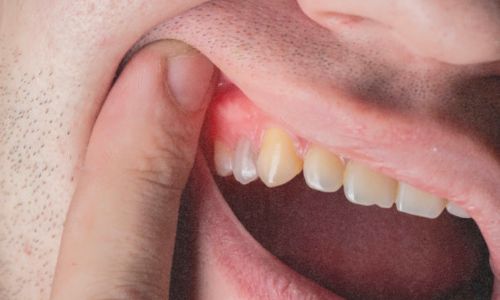
Introduction of Gum Diseases and Oral Hygiene Oral health encompasses the care of both your teeth and gums, necessitating regular attention to prevent cavities, infections, and other related issues. Proper gum diseases and oral hygiene care safeguard your teeth and gums and can positively affect other aspects of your body, including your cardiovascular system. Dental and oral health are vital to your overall health and well-being. Inadequate oral hygiene and gum disease may lead to the development of dental cavities and gum disease, and there is a documented association with conditions such as heart disease, cancer, and diabetes. Severe periodontal diseases are estimated to affect around 19% of the global adult population, representing more than 1 billion cases worldwide. Committing to the maintenance of healthy teeth and gums is a lifelong endeavour. The earlier you adopt good oral hygiene and gum disease practices, such as consistent brushing, flossing, and moderating sugar consumption, the more straightforward it becomes to steer clear of costly dental procedures and potential long-term health complications. Definition and Types of Gum Disease Gum disease encompasses a range of conditions that affect the supporting structures of the teeth. The two main types are gingivitis and periodontitis. Gingivitis is the early stage and is characterized by inflammation of the gums, while periodontitis is a more severe form involving damage to the bone and tissues supporting the teeth. Causes of Gum Disease Poor oral hygiene is the primary cause of gum disease. Plaque, a sticky film of bacteria, constantly forms on teeth. When plaque is not removed through regular brushing and flossing, it can harden into tartar, leading to inflammation of the gums. Other factors contributing to gum disease include smoking, genetic predisposition, hormonal changes, and certain medical conditions. Symptoms of Gum Disease Early Warning Signs Recognizing the signs of gum disease in its early stages is crucial for effective intervention. Common symptoms include swollen and red gums, bleeding during brushing or flossing, and persistent bad breath. Early detection allows for prompt action to prevent the progression of the disease. Advanced Symptoms As gum disease advances, symptoms become more severe. Individuals may experience receding gums, formation of pockets between teeth and gums, loose teeth, and changes in bite alignment. These advanced symptoms signify the progression of gingivitis to periodontitis, necessitating more intensive treatment. What is meant by oral hygiene? Oral hygiene refers to the practice of maintaining a clean and disease-free mouth. This involves the regular activities of brushing and flossing teeth, coupled with routine dental check-ups encompassing X-rays, examinations, and cleanings. Why does oral hygiene matter? Oral hygiene serves as a preventive measure. By consistently caring for your teeth and gums, you can proactively prevent oral health issues, such as cavities, gum disease, unpleasant breath (halitosis), and other related problems. Moreover, oral health is intricately connected to overall well-being. For instance, an infection in the mouth can facilitate the transmission of bacteria through the bloodstream to other parts of the body, potentially leading to additional health issues like heart disease and stroke. Maintaining the health of your teeth and gums is pivotal in ensuring enduring overall health. Importance of Proper Oral Hygiene in Gum Disease Management While gum disease and oral hygiene can hinder normal oral care, maintaining a consistent and thorough oral hygiene routine is crucial for managing and preventing its progression. Dentists often recommend specialized oral care products, such as antibacterial toothpaste and mouthwash, to aid in controlling the bacterial load in the oral cavity. Information on Dental and Oral Health: Dental cavities and gum disease are prevalent conditions, as highlighted by data from the World Health Organization: Between 60 and 90 percent of schoolchildren have at least one dental cavity. Nearly 100 percent of adults have at least one dental cavity. Approximately 15 to 20 percent of adults aged 35 to 44 suffer from severe gum disease. About 30 percent of individuals aged 65 to 74 worldwide have lost all their natural teeth. In most countries, there are between 1 and 10 cases of oral cancer for every 100,000 people. The burden of oral disease is disproportionately higher in impoverished or disadvantaged population groups. Treatment Options for Gum Disease Non-Surgical Interventions In the early stages, non-surgical interventions can often manage gum disease. Scaling and root planing, a deep cleaning procedure, can remove tartar and bacteria from tooth and root surfaces. Additionally, antibiotic treatments may be prescribed to control bacterial infection. Surgical Options For advanced cases of gum disease, surgical interventions may be necessary. Procedures such as flap surgery, bone grafts, and tissue grafts aim to repair the damage caused by periodontitis. Surgical options are vital in restoring oral health and preventing further complications. The Systemic Impact of Gum Disease Research has established a strong link between gum disease and systemic health issues. Chronic inflammation in the gums can contribute to conditions such as heart disease, diabetes, and respiratory problems. Understanding the systemic impact emphasizes the importance of addressing gum disease for oral health and overall well-being. Oral Hygiene Tips for Gum Disease Prevention Maintaining good oral hygiene and gum disease is a key preventive measure for gum disease and oral hygiene and reducing the risk of associated systemic conditions. Regular dental check-ups, a balanced diet, and lifestyle modifications like quitting smoking contribute to overall health and well-being. Revise the routine Despite available guidelines on proper teeth care, many individuals consistently fail to adhere to the necessary routine to prevent gum disease. Implementing changes to habits or incorporating new elements into the routine may be required, but these actions can effectively address bleeding gums. Brush twice daily with fluoride toothpaste. While brushing the teeth is a pivotal aspect of oral hygiene, its efficacy against tooth decay or tartar buildup depends on proper execution. An electric toothbrush for at least two minutes twice a day, coupled with fluoride toothpaste, is essential for safeguarding against oral diseases and promoting optimal gum health. Importance of Flossing Flossing is often overlooked but is equally crucial for maintaining optimal oral
Prevention is Key: How to Maintain Healthy Gums
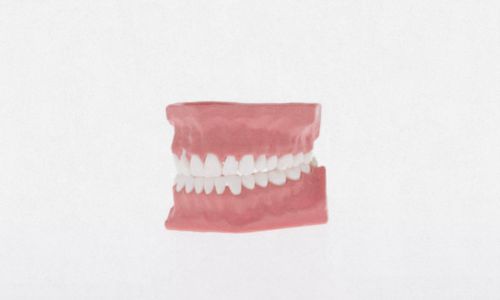
How to Maintain Healthy Gums: Introduction To safeguard your gums and overall oral well-being, consider the following tips for maintaining optimal gum health, including essential practices outlined in the guide on “how to maintain healthy gums.” This comprehensive guide will explore the importance of gum health and provide practical tips on preventing gum-related problems while maintaining optimal oral hygiene. When considering your overall health, you might be tempted to overly prioritize your teeth’ well-being. While the condition of your teeth is undoubtedly significant, it’s crucial not to underestimate the importance of your gums, especially when it comes to maintaining a healthy smile. Even if your teeth are impeccable, free of cavities, and devoid of visible issues, neglecting your gum health can lead to diseases that may eventually result in significant problems adversely affecting your teeth. Ensuring optimal oral hygiene, including regular dental check-ups and cleanings, is the foremost and crucial step in preventing gum disease. Maintaining healthy gums is a key consideration in this process. Unfortunately, a common oversight occurs as individuals focus on their teeth, inadvertently neglecting the significance of gum care. The realization that gums are vital in preserving a captivating smile is often overlooked. Gums act as a foundation, holding teeth in place and shielding them from potential harm. Ignoring gum health may result in tooth decay, necessitating costly dental interventions. Understanding the Importance of Healthy Gums Preventing Gum Disease: Robust gum health protects against gum diseases such as gingivitis and periodontitis. These conditions can potentially induce gum inflammation, bleeding, gum recession, and even tooth loss. Enhancing Comprehensive Oral Well-being: The upkeep of healthy gums plays a pivotal role in promoting overall oral health, warding off oral infections, and diminishing the likelihood of tooth decay and cavities. Promoting General Well-being: Research has established a connection between gum disease and various systemic health issues, encompassing heart disease, diabetes, respiratory infections, and adverse pregnancy outcomes. By ensuring the health of your gums, you may effectively lower the risk of developing these conditions. The Link Between Gum Health and Overall Well-Being Recent research has highlighted the connection between oral health and overall well-being. Poor gum health has been associated with an increased risk of systemic conditions such as heart disease, diabetes, and respiratory problems. Recognizing the importance of “how to maintain healthy gums” is key to addressing this connection. Maintaining healthy gums is not just about preserving your smile; it’s crucial to promoting overall health and longevity. Common Signs of Unhealthy Gums Recognizing the signs of unhealthy gums is the first step in preventive care. Individuals must be aware of the indicators and manifestations of gum disease, as it often commences with mild symptoms that can escalate over time. Gingivitis stands as the initial and mildest form of gum disease. Individuals experiencing gingivitis may observe red and swollen gums that easily bleed, accompanied by chronic bad breath. Fortunately, gingivitis typically does not involve pain or tooth loosening, and it can be addressed and reversed through diligent oral hygiene practices and professional dental care. However, if left untreated, gingivitis may progress into periodontitis, where plaque and tartar extend beneath the gumline. The bacteria within the plaque can incite an inflammatory response, prompting the body to degrade the tissues and bone supporting the teeth. The CDC found that severe gum disease, or periodontitis, affects about 9 per cent of adults in the US. As periodontitis advances, the damage intensifies, forming deeper pockets between the teeth and the connective tissues. Initially, periodontitis may not exhibit noticeable symptoms, but individuals may observe the following signs as the disease develops: Receding gums, altering the appearance of tooth length. Loose teeth. Presence of pus between teeth or at the gumline. Persistent bad breath. Bleeding gums. Red and swollen gums. Preventive Measures for Oral Health, Including “How to Maintain Healthy Gums”: Maintaining good oral hygiene, including brushing and flossing at least twice daily, is crucial to thwart gum infections, cavities, and tooth loss. The American Dental Association (ADA) emphasizes the significance of having your teeth professionally cleaned and checked by a dentist or dental hygienist at least once a year. Despite diligent brushing, tartar and plaque can accumulate, posing a risk of gum problems. In addition to regular oral hygiene practices, understanding and implementing strategies on “how to maintain healthy gums” play a vital role in comprehensive preventive care. For effective brushing: Brush in the morning and before bedtime. Use a soft-bristled brush with fluoride toothpaste, or consider an electric toothbrush if feasible. Angle your toothbrush at 45° against your gums and brush each tooth 15 to 20 times. Employ gentle, short strokes without scrubbing. Brush the outer tooth surfaces with short back-and-forth strokes. Use short downward strokes for inner upper front teeth; for lower inside teeth, use short upward strokes. Clean chewing surfaces with short back-and-forth strokes. Replace your toothbrush every 3 or 4 months or sooner if worn or frayed, especially after illnesses like colds or strep throat. Avoid covering or storing your toothbrush in a closed container to discourage microbial growth. When it comes to flossing: Cut about 18 inches of floss and tightly hold it between your thumbs and forefingers. Slide the floss up and down between your teeth, curving it around each tooth in a C shape when it reaches the gum line. Gently rub the side of each tooth with up-and-down motions, ensuring you reach below the gumline. Repeat for all teeth, including the back side of your molars. Watch your diet for optimal oral health: Include calcium-rich foods like milk, yogurt, cheese, canned fish, almonds, beans, green leafy vegetables, and calcium-fortified orange juice to maintain tooth-root-supporting bone. Limit sugary foods and drinks, especially sticky sweets like soft candies, toffees, taffies, and pastries. Rinse your mouth with water after consuming sweets, or consider brushing your teeth. Opt for sugar-free gum if you indulge in chewing gum. Avoiding Harmful Habits Certain habits, such as smoking and excessive alcohol consumption, can have detrimental effects on gum health. Elevated stress levels can
Eco-Friendly Dentistry: Sustainable Practices for a Healthier Planet

Introduction As environmental consciousness grows, various industries embrace eco-friendly practices, and dentistry is no exception. Dentistry has traditionally been associated with high levels of waste and pollution, but eco-friendly dentistry aims to change that by implementing sustainable practices. Dentists can reduce their carbon footprint by adopting environmentally friendly materials and techniques and contributing to a healthier planet. Eco-friendly dentistry goes beyond oral health to prioritize sustainable, environmentally conscious practices contributing to a healthier planet. In this article, we will explore the concept of eco-friendly dentistry and highlight sustainable practices that dental professionals can adopt. Understanding Eco-Friendly Dentistry 1. Reducing Environmental Impact Eco-friendly dentistry involves minimizing the environmental footprint of dental practices. This includes adopting practices that reduce waste, conserve resources, and promote sustainability. Some examples of reducing environmental impact in dentistry include using digital X-rays instead of traditional film X-rays, eliminating the need for harmful chemicals and reducing radiation exposure. Another practice is implementing a paperless system for patient records and administrative tasks, reducing paper use and promoting a more efficient workflow. 2. Green Dentistry Initiatives Green dentistry initiatives focus on incorporating environmentally friendly measures into dental clinics. These initiatives aim to create a balance between providing quality dental care and minimizing negative impacts on the environment. Some examples of green dentistry initiatives include using energy-efficient equipment and appliances, such as LED lights and low-flow water systems, to reduce energy consumption. Additionally, dental clinics may implement recycling programs for materials like dental amalgam and other waste products to minimize their environmental footprint. Sustainable Practices in Eco-Friendly Dentistry 1. Digital Patient Records Transitioning to digital patient records eliminates the need for excessive paper usage. This reduces waste and improves efficiency in dental clinics by allowing for easier access and organization of patient information. Furthermore, eco-friendly dentistry practices may also involve using biodegradable or compostable materials for dental supplies and packaging to minimize environmental impact further. Digital records reduce waste and streamline administrative processes, contributing to a more efficient and eco-friendly dental practice. 2. Energy-Efficient Equipment Investing in energy-efficient dental equipment helps reduce energy consumption in dental offices. From lighting to dental chairs and imaging equipment, choosing energy-efficient options can significantly decrease the environmental impact of dental practices. Additionally, implementing proper waste management practices, such as recycling and disposal of hazardous materials, can further reduce the ecological footprint of dental offices. By educating staff and patients about sustainable practices, dental practices can contribute to a greener future while still providing high-quality oral care. 3. Water Conservation Implementing water conservation measures, such as using water-saving devices and educating patients on responsible water use during oral care, helps minimize water wastage in dental procedures. These measures include installing low-flow faucets and toilets and using dental equipment that reduces water consumption. By conserving water, dental offices can contribute to the overall conservation of this precious resource and promote sustainable practices in their communities. 4. Biodegradable and Recyclable Materials Dental professionals can choose biodegradable and recyclable materials for various purposes, including packaging, disposable products, and patient amenities. This reduces the amount of non-biodegradable waste generated by dental practices. In addition, using biodegradable and recyclable materials can also help reduce the environmental impact of dental offices by minimizing the amount of waste that ends up in landfills. By making conscious choices in material selection, dental professionals can promote a more sustainable and eco-friendly approach to dentistry. 5. Amalgam Separator Installation Amalgam separators capture and recycle amalgam waste generated during dental procedures. Installing amalgam separators prevents mercury and other contaminants from entering the water supply, promoting environmental and human health. In addition to amalgam separators, dental offices can also implement other waste management practices such as recycling and proper disposal of hazardous materials. By properly segregating and disposing of different types of waste, dental professionals can further minimize their environmental impact and contribute to a healthier ecosystem. 6. Use of Eco-Friendly Products Dental professionals can opt for eco-friendly dental products, such as biodegradable toothbrushes, eco-friendly toothpaste packaging, and compostable floss. These choices align with sustainable practices and appeal to environmentally conscious patients. Additionally, dental professionals can consider using digital X-rays instead of traditional film X-rays, which reduces the amount of hazardous waste generated. They can also explore alternative energy sources, such as solar panels, to power their dental offices and reduce their carbon footprint. 7. Reusable and Autoclavable Instruments Utilizing reusable instruments that can be autoclaved and sterilized instead of single-use disposable items contributes to waste reduction in dental practices. This shift minimizes the environmental impact associated with disposable materials. Furthermore, dental professionals can properly implement recycling programs to dispose of paper, plastic, and glass materials. This reduces waste and promotes a more sustainable and eco-friendly approach to dental care. Dentistry is responsible for contributing 3% of the overall carbon footprint of the healthcare industry. Educating Patients on Eco-Friendly Dentistry 1. Promoting Sustainable Oral Hygiene Practices Dental professionals can educate patients on sustainable oral care practices, such as using bamboo toothbrushes, choosing eco-friendly dental products, and adopting water-saving techniques during daily oral hygiene routines. By encouraging patients to make these small changes, dental professionals can help reduce the environmental impact of oral care practices. Additionally, they can provide information on the proper disposal of dental products to ensure that patients are not contributing to landfill waste. 2. Encouraging Responsible Disposal Guiding proper disposal of dental products, including recyclable materials, helps patients contribute to eco-friendly practices beyond the dental office. Proper disposal ensures that waste is managed responsibly. This can prevent harmful substances from leaching into the environment and minimize the pollution caused by improper disposal methods. Dental professionals can also educate patients on alternative, eco-friendly oral care products that are biodegradable or made from sustainable materials, reducing their environmental impact. Conclusion: Eco-Friendly Dentistry In conclusion, eco-friendly dentistry represents a conscientious effort to align oral health practices with environmental sustainability. Dental professionals can be pivotal in promoting eco-friendly dentistry by adopting sustainable practices within their clinics and educating patients on responsible oral care choices. By incorporating

