
The Top Reasons Why It is Critical To Brush Your Teeth Before Bed

Sometimes when it is time for bed, you are so tired that you wonder if you should waste time and energy brushing your teeth before falling asleep. After all, you can brush when you wake up in the morning. The truth? Those few minutes spent brushing your teeth at bedtime are critical to oral health. The Pros of Brushing Before Bed If you need some motivation to brush your teeth at night, even if you are sleepy, here are a few of the pros: Remove bacteria buildup. As you eat throughout the day, the bacteria in your mouth feast on the foods you eat. After feeding, they excrete waste that can break down your tooth enamel, resulting in cavities and decay. Brushing before you go to bed helps remove this plaque before it can harden and calcify on teeth. Help prevent gum disease. Gum disease can be tough to treat and control if it progresses. The plaque that causes tooth decay can also play a role in causing gum disease. Removing plaque at bedtime can help you prevent gum disease. Reduce the effects of dry mouth. Your mouth does not produce as much saliva when you are sleeping, and this makes your mouth an excellent place for bacteria to breed. When you brush at bedtime, you will remove many bacteria and reduce the effects of a dry mouth. Fresher morning breath. Your mouth tastes and smells horrible when you forget to brush. Think about a time you forgot to brush and woke up with terrible breath. When you take the time to touch, you will wake up with fresher breath — something you and others will appreciate. The Cons of Failing to Brush Before Bed Failing to brush before bed comes with both short- and long-term consequences. Here are a few of the cons of forgetting to brush at bedtime that will make you want to take the extra time to pick up your toothbrush at night: Terrible breath. All those food particles in your mouth break down overnight and promote bacteria growth. This will cause awful breath in the morning. Failing to brush before bed leaves you at a greater risk for chronic bad breath. Cavities. Eventually, plaque that hardens on your teeth when you do not brush will damage the enamel of the teeth, and this will likely result in cavities. Gum disease. Your body will see plaque buildup as an infection, and your body will begin attacking the plaque buildup. This can make your body destroy healthy tissues holding teeth in place, causing gums to recede. Over time, this can result in tooth loss. Chronic inflammation is also linked to an increased risk of heart disease and other health problems, so taking care of your teeth is essential to your overall health. Although brushing your teeth before bed can seem like a nuisance, your mouth’s health depends on that brushing time. Think about the consequences of not brushing — you can spare two minutes! Root Canal Myths And Reality What happens if we do not brush our teeth often? “If plaque is left for a long time on the teeth, it hardens into tartar. Tartar leads to tooth cavities and sometimes causes swollen, red, inflamed, and bleeding gums. Tartar can also lead to tooth decay to a point where one would have to get it extracted,”. Plaque, bacteria, and tartar are detrimental to your teeth and health. Brushing at night might get boring or take time to form into a habit, but it is highly recommended and beneficial. Brushing at night also enables you to smile broadly with confidence, and a good tooth-care routine will eventually make you feel good about yourself. So ladies, brush those pearls, floss your teeth, and visit your dentist regularly to maintain your million-dollar smile. Brushing in the morning to start the day with a fresh breath is what we prioritize. However, the most crucial time to brush is at night before sleep. Guard Against Heart Disease with Good Dental Health
Ways to Maintain Good Dental Health
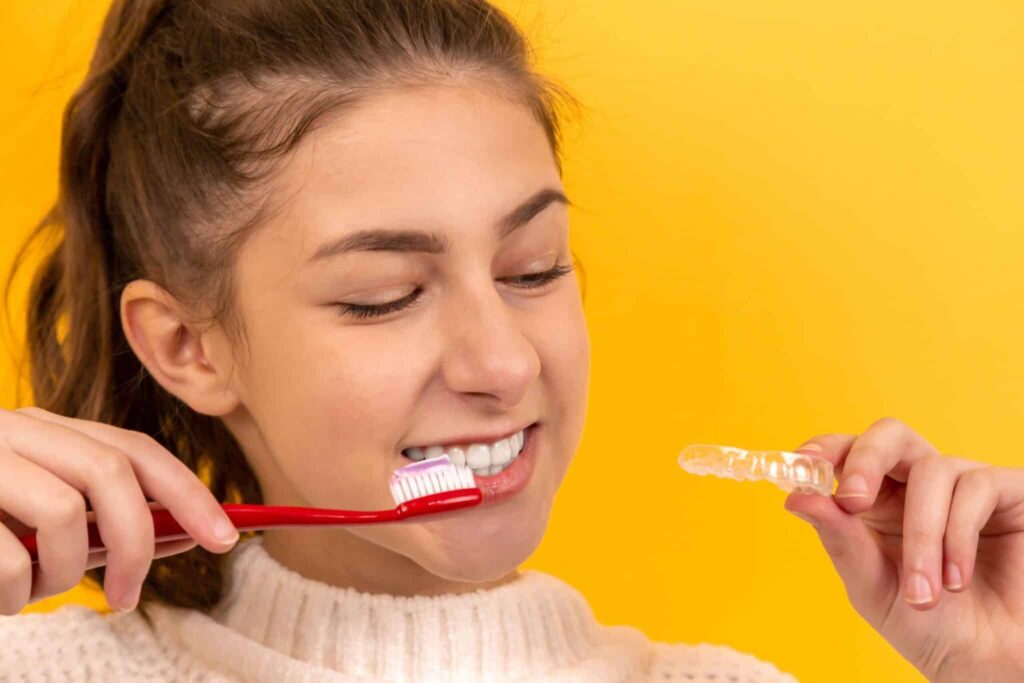
Maintain your dental health Dental health needs a lifetime of maintenance. Even if you’ve been told you have sweet teeth, it’s still important to care for them properly every day to avoid issues. This entails using the appropriate dental care products and paying attention to your routine. Remember to clean your teeth before bed It’s no secret that brushing your teeth at least twice daily is generally advised. However, a lot of us still skip cleaning our teeth at night. However, cleaning your teeth before night removes plaque and bacteria accumulated during the day. Correctly brush How you brush is equally crucial; cleaning your teeth improperly is nearly as terrible as not brushing at all. Take time and eliminate plaque by gently circling your teeth with the toothbrush. Plaque that isn’t removed may harden, causing calculus to form and gingivitis (early gum disease). Remember to use your tongue Your tongue may also develop plaque. This may cause various issues with dental health in addition to poor breath. Every time you clean your teeth, gently brush your tongue as well. Put fluoride toothpaste to use There are more factors to consider in toothpaste than whitening ability and taste. Regardless of the version you choose, be sure fluoride is present. Fluoride is still a crucial component of dental health, even though some people are concerned about how it may affect other aspects of health. This is due to fluoride’s prominent role in tooth decay prevention. It functions by eradicating bacteria that might cause decay and acting as a barrier for your teeth. Make flossing a priority on par with brushing Many people who frequently brush also need help floss. According to Jonathan Schwartz, DDS, flossing is not simply for removing food particles or vegetables that may be lodged between your teeth. It primarily stimulates the gums, reduces plaque buildup, and lowers localized irritation. Most people need to floss once every day to get these advantages. Refrain from flossing challenges deter you Flossing may be challenging for small children and elderly persons with arthritis. Instead of giving up, seek equipment that might make flossing your teeth easier. Drugstore dental flossers that are ready to use may help. Think about mouthwash Mouthwash is promoted as required for optimum dental health, yet many individuals don’t use it because they need to understand how it works. According to Schwartz, mouthwash has three benefits: The quantity of acid in the mouth is decreased, the difficult-to-brush regions in and around the gums are cleaned, and the teeth are remineralized. He says mouthwashes are helpful as a supplemental tool to assist things in balance. “I believe mouthwash is especially useful in youngsters and elderly adults, when the capacity to brush and floss may not be optimum.” Request particular mouthwash advice from your dentist. For those with sensitive teeth and youngsters, certain products work best. Additionally, mouthwash on prescription is offered. Take extra water Water is the healthiest beverage for your overall health, including dental health. Schwartz also advises drinking water after every meal as a general guideline. In between brushing, this may help wash off some of the detrimental effects of sticky and acidic meals and drinks. Consume crinkle-free fruits and vegetables Although ready-to-eat meals seem practical, there may be better options for your teeth. Fresh, crisp food is the most excellent option for your teeth since it includes more beneficial fibre. So quit chopping things into little bits, avoid extremely mushy manufactured foods, and start using your jaws! Schwartz advises parents to introduce more difficult-to-chew and consume meals to their children at an earlier age. Eat fewer items high in sugar and acid In the end, the sugar turns into acid in the mouth, which may wear away at the tooth enamel. These acids cause cavities. Teas, coffee, and acidic fruits may all erode dental enamel. Even if you don’t need to avoid certain items entirely, it doesn’t hurt to be cautious. A minimum of twice a year, see the dentist Your daily routine greatly influences your general dental health. Even the most diligent brushers and flossers should see the dentist regularly. You should see the dentist at least twice yearly for cleanings and checkups. A dentist may check for cavities, remove calculus, and recommend treatments in addition to identifying current problems. Certain dental insurance providers may cover even more regular dental visits. Use this to your advantage if it applies to you. Doing this is very beneficial if you have a history of dental problems like gingivitis or recurrent cavities. How often should I have my teeth cleaned and examined by a dentist? The American Dental Association advises that you see your dentist for cleanings and examinations at the recommended times. Many individuals need cleanings every six months to maintain the health of their teeth and gums. However, your dentist may need to visit you more often if you have a history of cavities or gum disease. People with gum disease, for instance, frequently visit their dentist every three to four months. This is because, in certain people, oral bacteria increase more quickly. Consult your dentist to determine the best cleaning regimen for you.
10 Oral Health Care Tips For You And Your Family
Oral health is crucial to overall health and well-being. Cavities, severe gum disease, and profound tooth loss are the three oral disorders affecting general health and quality of life. Oral illness may cause discomfort and infections that interfere with eating, speaking, and learning. Social interactions and career prospects may also be impacted. By avoiding costly dental treatment, children who get dental sealants and fluoridated water may prevent cavities and save money. Kids from lower-income homes are more likely to develop cavities than kids from higher-income families. Diabetes and tobacco use are also risk factors for gum disease. By 8, 52% of kids have cavities in their primary (baby) teeth. One in four individuals (20–64) now have dental problems. Unplanned (emergency) dental care costs the US economy $45 billion annually in lost productivity and results in the loss of 34 million school hours annually. Maintaining the dental health of your family is beneficial for several reasons. Their brilliant grins. Ability to chew for optimum nourishment. They are avoiding pain and toothaches. Recent studies indicate that gum disease may contribute to other health issues, such as a higher risk of heart disease. Easy methods exist to maintain strong, healthy teeth from youth until old life. This is how: 1. Get kids started young. Despite significant advancements in tooth decay prevention, one in four young children exhibits tooth decay symptoms before entering kindergarten. Between 12 and 15, cavities affect half of all youngsters. As soon as a child’s first tooth erupts, often about six months old, dental treatment should start, according to Caryn Solie, RDH, president of the American Dental Hygienists’ Association, who spoke to WebMD. “A clean, wet towel or a very soft brush may be used to clean teeth. At about age 2, you may let youngsters attempt brushing independently, although supervision is still necessary. 2. Cut off the problem. Around age 6, permanent molars begin to erupt. The pits and fissures of back teeth may avoid decay by having thin protective coatings placed on the chewing surfaces. The Centers for Disease Control and Prevention assert that sealants may considerably lower caries. Dental sealants are barely given to one in three American children. Consult with a dental professional. 3. Use enough fluoride, but not too much. Fluoride, which strengthens enamel and reduces its susceptibility to decay, has been the most significant advancement in dental health. Americans consume fluoridated water in three out of every four cases. Consult your dentist if your water isn’t fluoridated; they could recommend applying fluoride to your teeth. Fluoride is also included in a lot of toothpaste and mouthwashes. Only a pea-sized dab of fluoride should be used on young children’s toothbrushes. Too much might leave teeth with white patches. 4. Use floss and brush your teeth twice a day. Gum disease and tooth decay are still significant issues, and not only for the elderly. According to the ADHA, three-fourths of teens experience bleeding gums. Along with the general guidance, keep in mind the following: • A toothbrush should be replaced three to four times each year. • Teenagers with braces may need to clean their teeth with specialized toothbrushes and other oral hygiene supplies. Find out how your oral health is impacted by teeth straightening. Speak to your orthodontist or dentist.• Elderly individuals with arthritis or other issues may find handling a toothbrush or floss challenging. Using an electric toothbrush might be more convenient for some individuals. Others cover the handle of a standard toothbrush with a foam tube or bicycle grip to make it more comfortable to grasp. 5. After meals, rinse or chew gum. In addition to brushing and flossing, using an antibacterial mouth rinse may aid in preventing tooth decay and gum issues. Increasing saliva flow, which naturally removes germs and neutralizes acid, by chewing sugar-free gum after a meal may also provide protection. 6. Block hits the teeth. Nowadays, mouth protection is a requirement for the majority of school teams. Although they help to create healthy bodies, sports, and leisure activities may damage teeth. But remember that risky pastimes like skateboarding and rollerblading may lead to accidents. Your dentist may make an individualized mouth guard. Another option is to purchase a mouth guard from a sports goods shop that can be shaped to suit your mouth by being softened in hot water. 7. Avoid smoking and smokeless tobacco usage. Tobacco dramatically raises the risk of gum disease, oral cancer, and discoloring teeth. Consider stopping if you smoke or use chewing tobacco. Encourage your children not to begin. 8. Eat intelligently. A balanced diet is necessary for strong teeth and gums at any age. You can receive all the nutrients you need by eating a well-balanced diet of whole foods, such as grains, nuts, fruits, vegetables, and dairy products. According to Anthony M. Iacopino, DMD, Ph.D., dean of the University of Manitoba Faculty of Dentistry, some studies think omega-3 fats, such as those found in fish, may help lessen inflammation and minimize the risk of gum disease. 9. Steer clear of sweets. Oral bacteria break down simple carbohydrates, producing acids that may erode tooth enamel and lead to disease. Steven E. Schonfeld, DDS, Ph.D., a dentist in private practice and spokesman for the American Dental Association, says, “Sugary beverages, particularly soft drinks and fruit drinks, offer a specific concern because individuals prefer to sip them, elevating acid levels over a lengthy period.” Drinks with added carbonation may worsen the situation since they have more acidity. Another problem is sticky sweets because they stick to the surfaces of teeth. 10. Schedule a meeting. Your dentist or dental hygienist will remove plaque buildup that you can’t brush or floss away during a routine checkup and check for deterioration. Most specialists advise checking your teeth every six months or more often if you have issues like gum disease. Regular dental examinations also reveal the following:• Oral cancer’s early warning symptoms. If detected in time, oral cancer may be cured in nine out of ten instances. If oral
Value of dentistry and your oral health with recent events
What have you learned about the value of dentistry and your oral health with recent events? This brings to light one area that is frequently neglected: dental care. Who would have thought that access to dental care would ever be so limited? We didn’t anticipate our state, much less our office, to be closed. Many unaware individuals don’t consider their dental health until it becomes urgent. Everyone finds it difficult to deal with an unforeseen crisis, let alone those whose oral hygiene has been lacking. Due to the closure of dentistry in our state, patients may now only get care in genuine emergencies as specified by state regulations. In my lifetime, there hasn’t been a pandemic that has resulted in state-wide closures or “stays at home” advice. Tooth Discoloration – What You Need To Know? Everyone was unprepared for this epidemic. For some, they had little to no money set up for emergencies. Some people would have needed to have other food on hand to last them for a few weeks. Medical operations postpone for some people. When was the last time that schools were closed till the conclusion of the academic year? These days are unlike any other. Others had the disease themselves or knew someone who did. Many people have lost friends or loved ones. Sad time for everyone. We had no idea that this would occur. We were not aware of it. However, it highlights the need to be more ready for those “just in case” moments. 36% of Americans say they don’t visit the dentist at least once a year. (And that figure rises to 50% when you look at people with the lowest household incomes.) Nearly one-fourth (24%) of Americans go to the dentist once a year, 31% go twice a year, and 9% go more than twice. I can only imagine the frustration felt by individuals who are currently unable to access dental treatment. Before everything happened, I wished I could have cared for everyone’s needs. Please ensure that you are diligent at home throughout this time. You continue to clean and floss your teeth. Try to arrange for additional home care. Your choice of how you want your oral health to be included in your overall health is up to you. Please take care of your whole health, including your mouth, so that after this is all done, we can return to our regular life. After that, all you have to do is keep it up. It is much simpler to endure hardships when your body and tongue are in good condition. We frequently use the phrase “better to have it and not need it than need it and not have it” at the office. Just replace the dentist there. I wish you continued health. The Psychology Of Smiling – Worthy Smiles
The Secret to Good Oral Health – Regular Dental Care?
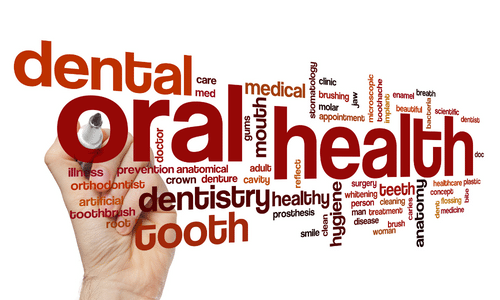
The Secret to Good Oral Health – Regular Dental Care? Your whole health, including the condition of your mind, may be strongly correlated with your dental health. The connections between dental health and the rest of the body have been the subject of years of research. They’ve found that proper dental care improves general health. In addition to making you look and feel your best, taking good care of your teeth can reduce your chances of oral cancer, inflammation, and life-threatening infections. Oral Hygiene, the Body, and the Mind To keep a healthy physique, one must do more than eat regularly and exercise. It would be beneficial if you also practiced good dental hygiene. If you have oral health issues, you probably have other health issues. For instance, gingivitis, an infection of the gums, may be a factor in heart disease. Why should you have a family dentist? Poor oral health might lead to a variety of health issues. When you disregard your oral health, you run the risk of developing several health issues, including: Abscesses and infections. Untreated gum disease and cavities can lead to severe infections, abscesses, or pockets of pus near the tooth’s root, in addition to triggering an inflammatory reaction. Bacterial infections called abscesses can be fatal if not addressed. Mouth cancer. You might be unable to detect oral cancer in time for a cure if you don’t visit the dentist frequently. Early detection is essential to avoid receiving a fatal diagnosis for this form of cancer. The condition can be prevented early by receiving conservative dental treatment. Dementia. According to a 2013 study, gum disease and poor oral health are related to dementia and Alzheimer’s. Four out of ten test subjects with dementia have a specific type of gum disease bacteria identified by the research in their brains. Plaque accumulation, cavities, gingivitis, and other oral diseases linked to physical and mental health problems can be avoided with proper dental care and expert tooth cleanings. You may maintain good oral health and hygiene for the rest of your life by brushing and flossing your teeth frequently, going to the dentist at least twice a year, and more. To encourage excellent general health, schedule frequent dental visits. Different Stages of Tooth Decay

