
Benefits of Fluoride Treatments for Adults and Children

Fluoride treatments have long been associated with strong, healthy teeth, particularly in children. However, they provide significant benefits for adults as well. At Worthy Smiles, we believe that fluoride treatments should be a crucial part of both pediatric and adult dental care. In this blog, we’ll explore the benefits of fluoride treatments and how they can improve oral health for both adults and children. What is Fluoride and How Does It Work? Fluoride is a natural mineral found in water, soil, and various foods. It plays a crucial role in strengthening tooth enamel and preventing tooth decay. When fluoride is applied to teeth, it helps to: Remineralize tooth enamel: Fluoride restores minerals to weakened areas of enamel, making teeth more resistant to acid attacks from plaque and sugars. Prevent cavities: By strengthening the enamel, fluoride treatments can help reduce the risk of cavities and tooth decay. Reverse early signs of decay: Fluoride can actually help reverse the early stages of tooth decay, preventing the need for more invasive dental treatments. Fluoride treatments, whether received at the dentist’s office or through fluoride-enriched toothpaste and water, are an effective way to promote healthy teeth for people of all ages. The Benefits of Fluoride Treatments for Children 1. Protects Developing Teeth For children, fluoride is particularly important because their teeth are still developing. Fluoride helps to strengthen both the primary (baby) and permanent teeth as they form. This early protection can reduce the risk of cavities as the teeth continue to grow and develop. 2. Prevents Early Childhood Cavities Did you know that over 40% of children aged 2-11 have had cavities in their baby teeth? Fluoride treatments can help prevent cavities during these critical years when children are learning to care for their teeth. Regular fluoride treatments, combined with good oral hygiene habits, create a strong foundation for lifelong dental health. 3. Safe and Painless Application Fluoride treatments for children are safe, painless, and quick. The fluoride is usually applied in the form of a gel, foam, or varnish that is painted onto the teeth. Most treatments take just a few minutes, making it easy for parents to include during routine dental visits. The Benefits of Fluoride Treatments for Adults 1. Strengthens Enamel As we age, our enamel naturally wears down due to constant exposure to acids from food, drinks, and bacteria. This makes our teeth more susceptible to cavities and decay. Fluoride treatments for adults help remineralize and strengthen tooth enamel, reducing the risk of cavities. 2. Helps with Dry Mouth Many adults experience dry mouth due to medications, medical conditions, or aging. Dry mouth can increase the risk of cavities, as saliva plays a critical role in washing away food particles and neutralizing acids. Fluoride treatments help protect the teeth from decay in people with dry mouth by making the enamel more resistant to acid attacks. 3. Protects Against Gum Disease Gum disease can lead to receding gums, which exposes the root of the tooth and makes it more vulnerable to decay. Fluoride treatments can help prevent tooth decay in these exposed areas, reducing the likelihood of further complications and tooth loss. 4. Cost-Effective Preventive Care For adults, fluoride treatments are a cost-effective way to prevent cavities and more extensive dental treatments. By investing in regular fluoride applications, adults can avoid the need for fillings, crowns, or other restorative procedures that may be more costly in the long run. Real-Time Statistics: Fluoride’s Impact on Oral Health Communities with fluoridated water have seen up to a 25% reduction in tooth decay in both children and adults, according to the CDC. Regular fluoride treatments can reduce the occurrence of cavities by as much as 43% in children and 37% in adults. Studies show that people who receive professional fluoride treatments are 30% less likely to experience tooth decay compared to those who don’t. These statistics emphasize the significant role fluoride plays in maintaining oral health for both children and adults. How Often Should You Get Fluoride Treatments? The frequency of fluoride treatments depends on your risk level for cavities. Here’s a general guideline: Children: Typically, children should receive fluoride treatments every six months during routine dental checkups. Adults: Adults who are at higher risk for tooth decay (e.g., those with dry mouth or gum recession) should also receive fluoride treatments every six months or more frequently, depending on their dentist’s recommendation. For most people, twice-yearly fluoride treatments during their regular dental visits will offer sufficient protection against cavities and gum disease. Conclusion: Protect Your Teeth with Fluoride Treatments Fluoride treatments are an easy, effective way to protect both children and adults from tooth decay and gum disease. At Worthy Smiles, we recommend incorporating regular fluoride treatments into your dental care routine to ensure long-term oral health. Whether you’re looking to protect your child’s developing teeth or safeguard your own smile, fluoride treatments offer significant benefits for all ages.
Regular Cleanings and Gum Disease: Protecting Your Smile and Health

Maintaining good oral hygiene is essential for a healthy mouth. Regular dental cleanings are crucial in preventing gum disease, or periodontal disease, a condition affecting nearly 50% of adults over 30 in the U.S. Left untreated, gum disease can lead to severe health issues. In this blog, we’ll explore the relationship between regular cleaning and gum disease, how to prevent gum disease through regular dental cleaning. What is Gum Disease Gum disease is an infection of the tissues that hold your teeth in place. Often caused by poor oral hygiene, it allows plaque—a sticky film of bacteria—to build up on the teeth. Once hardened into tartar, this plaque can irritate the gums, leading to inflammation and infection. Gum disease has two stages: Gingivitis: The early stage, where gums become red, swollen, and may bleed during brushing or flossing. Periodontitis: A more severe form that causes the gums to pull away from the teeth, creating pockets that collect bacteria and may lead to bone loss. Regular cleanings help prevent gum disease by removing plaque and tartar before they cause serious problems. How Regular Cleanings Can Prevent Gum Disease 1. Removal of Plaque and Tartar Plaque continually forms on your teeth from food and drinks. Despite daily brushing and flossing, it’s difficult to remove all plaque—especially from hard-to-reach areas. Once it hardens into tartar, only a dental professional can remove it. Regular cleanings prevent gum disease by eliminating this buildup before it causes infection. 2. Early Detection of Gum Disease During a cleaning, your dentist or hygienist checks your gums for early signs of gum disease, such as swelling, redness, or bleeding. Early detection is key to preventing gum disease from progressing. If caught early, gingivitis can be treated and reversed with proper oral care and regular cleanings. 3. Prevention of Periodontitis Untreated gum disease can progress to periodontitis, leading to tooth loss and affecting overall health. Regular cleanings help stop gum disease from reaching this advanced stage by removing harmful bacteria and keeping gums healthy. 4. Reduced Risk of Other Health Problems Gum disease is linked to other serious health conditions. Research indicates that individuals with gum disease are twice as likely to develop heart disease, and gum disease is associated with diabetes, respiratory infections, and pregnancy complications. Preventing gum disease with regular cleanings can reduce your risk of these health problems. Real-Time Statistics: The Impact of Gum Disease 47% of adults over 30 in the U.S. have some form of gum disease (CDC). 70% of adults 65 and older suffer from gum disease. Nearly 9 out of 10 people with gum disease don’t know they have it, as it’s often painless in the early stages. These numbers highlight why regular cleanings are essential for preventing gum disease and protecting oral health. The Role of Professional Cleanings in Preventing Gum Disease How Often Should You Get a Professional Cleaning? Most dental professionals recommend cleanings every six months. However, if you have a history of gum disease or are at a higher risk, your dentist may suggest more frequent visits. Consistent cleanings prevent gum disease and help maintain a healthy mouth. Why DIY Cleaning Isn’t Enough While daily brushing and flossing are crucial, they aren’t enough to prevent gum disease entirely. Even diligent at-home care can miss plaque buildup, especially near the gumline. Professional cleanings ensure all plaque and tartar are removed, helping prevent gum disease. Conclusion: Protect Your Smile with Regular Cleanings Gum disease is common yet preventable. Scheduling regular dental cleanings is a proactive step to keep gums healthy and avoid serious complications. Remember, regular cleanings can prevent gum disease and safeguard your overall well-being. Don’t wait until symptoms appear—book your cleaning today and keep your smile bright and healthy!
Link Between Oral Health and Overall Well-Being
We often think of oral health as being limited to our teeth and gums, but it’s much more than that. Our mouth is a gateway to the rest of our body, and maintaining good oral health plays a crucial role in overall wellbeing. Numerous studies have shown a strong link between oral health and overall wellbeing, highlighting why it’s important to take care of your teeth and gums beyond just having a beautiful smile. In this blog, we’ll explore how oral health is linked to your body’s overall health, the conditions that can arise from poor oral hygiene, and what you can do to protect both your mouth and your body. 1. Oral Health as a Window to Your Body Your mouth is home to many bacteria, most of which are harmless when kept under control with good oral hygiene. However, when oral hygiene isn’t a priority, harmful bacteria can multiply, leading to gum disease, tooth decay, and infections. These conditions not only affect your oral health but can also enter your bloodstream, causing problems in other parts of your body. This shows a strong link between oral health and overall wellbeing. How Oral Health Impacts Your Body: Inflammation: Gum disease (periodontitis) causes chronic inflammation in the mouth, which can spread to other areas of the body. Inflammation is a key factor in many systemic conditions, including heart disease and diabetes. Bacterial Infections: Bacteria from the mouth can enter the bloodstream, leading to infections in distant organs, such as infective endocarditis (an infection of the inner lining of the heart). 2. The Connection Between Gum Disease and Heart Health One of the most well-documented links between oral health and overall wellbeing is the connection between gum disease and heart disease. Studies suggest that people with gum disease are more likely to suffer from cardiovascular issues, including heart attacks and strokes. How Does This Happen? Bacteria from Gum Disease: When bacteria from gum disease enter the bloodstream, they can cause inflammation in the blood vessels, increasing the risk of clogged arteries and cardiovascular complications. Inflammation and Heart Disease: Chronic inflammation from gum disease contributes to the buildup of plaque in the arteries (atherosclerosis), which is a leading cause of heart disease. Maintaining good oral hygiene can reduce the risk of heart disease, showing the importance of the link between oral health and overall wellbeing. 3. Diabetes and Oral Health: A Two-Way Street There’s a strong, two-way relationship between diabetes and oral health, reinforcing the link between oral health and overall wellbeing. People with diabetes are more likely to develop gum disease due to their body’s reduced ability to fight infections. Conversely, untreated gum disease can make it harder for people with diabetes to control their blood sugar levels. Impact of Oral Health on Diabetes: Gum Disease and Blood Sugar Levels: Inflammation from gum disease can lead to higher blood sugar levels, making diabetes harder to manage. Increased Risk of Infections: Diabetes reduces the body’s ability to heal, making gum disease more severe and difficult to treat. By prioritizing oral health, individuals with diabetes can better manage their condition, showing a clear link between oral health and overall wellbeing. 4. Respiratory Health and Oral Bacteria Oral bacteria don’t just affect your teeth and gums—they can also find their way into your respiratory system. Studies have found a link between oral health and overall wellbeing, especially in relation to respiratory conditions like pneumonia. How Oral Health Affects the Lungs: Aspiration of Bacteria: Bacteria in the mouth can be inhaled into the lungs, leading to infections such as bacterial pneumonia. Periodontal Disease and Respiratory Issues: Chronic gum disease has been associated with an increased risk of respiratory problems like chronic obstructive pulmonary disease (COPD). Good oral hygiene can help reduce the risk of respiratory infections, further demonstrating the link between oral health and overall wellbeing. 5. Pregnancy and Oral Health Oral health is particularly important during pregnancy, as hormonal changes can make women more susceptible to gum disease. Research has shown that poor oral health during pregnancy can lead to complications, including premature birth and low birth weight. This is a crucial aspect of the link between oral health and overall wellbeing. Key Factors: Pregnancy Gingivitis: Hormonal fluctuations can cause the gums to become more sensitive, increasing the risk of gingivitis (early-stage gum disease) during pregnancy. Risks to the Baby: Infections and inflammation in the mouth can lead to systemic inflammation, which has been linked to premature labor and low birth weight. Expecting mothers should maintain good oral hygiene to reduce these risks, strengthening the link between oral health and overall wellbeing. 6. The Impact of Oral Health on Mental Health There’s growing evidence suggesting a connection between oral health and mental well-being. Poor oral health, especially in cases of severe tooth decay, tooth loss, or gum disease, can lead to pain, discomfort, and a decline in self-confidence, all of which can negatively impact mental health. Oral Health and Depression: Physical Pain and Emotional Stress: Chronic oral health problems can cause significant physical pain, leading to increased stress and anxiety. Self-Esteem and Social Interaction: People with poor oral health may experience embarrassment about their appearance, leading to social withdrawal and feelings of depression. Addressing oral health issues early on can protect both your physical and mental health, showing a clear link between oral health and overall wellbeing. 7. Tips for Protecting Your Health The good news is that protecting your oral health also contributes to your overall health. Here are some tips to keep your teeth, gums, and body in good shape: Brush and Floss Daily: Brush twice daily with fluoride toothpaste and floss once daily to remove plaque and food particles. Visit Your Dentist Regularly: Regular dental checkups and cleanings can help detect and treat oral health issues before they become more serious. Eat a Healthy Diet: A balanced diet rich in vitamins and minerals supports both oral and overall health. Avoid sugary snacks and drinks, which can lead to tooth decay
Advanced Dental Technology: Innovations Improving Patient Care

Dentistry has greatly advanced with technology, enhancing the patient experience and the quality of care. At Worthy Smiles, we embrace advanced dental technology to offer our patients the highest standard of dental treatment. From diagnostics to restorative treatments, dental technology has transformed routine visits into more comfortable, efficient, and precise procedures. In this blog, we’ll explore some of the most exciting advances in advanced dental technology and how they are improving patient care. 1. Advanced Dental Technology in Digital X-Rays: Clearer Images with Less Radiation Gone are the days of waiting for traditional film x-rays to develop. Digital x-rays have revolutionized how dentists diagnose and treat dental issues. These advanced imaging tools provide high-resolution images instantly, allowing dentists to identify issues like cavities, bone loss, and impacted teeth with greater accuracy. Benefits of Digital X-Rays for Patients: Reduced Radiation Exposure: Digital x-rays emit up to 90% less radiation compared to traditional x-rays, making them a safer option for patients, especially children and pregnant women. Faster Results: With digital x-rays, images appear immediately on a computer screen, allowing for quicker diagnosis and treatment planning. Better Image Quality: These x-rays provide clearer, more detailed images that can be enhanced and zoomed in for a more accurate assessment of oral health. 2. Intraoral Cameras: A Closer Look with Advanced Dental Technology With the intraoral camera, patients can now see exactly what their dentist is viewing in real-time. This small, pen-like device captures high-quality images of the teeth and gums, which are displayed on a screen for both the dentist and patient to review. This advanced dental technology enhances patient understanding and care. Benefits of Intraoral Cameras for Patients: Improved Communication: Intraoral cameras allow dentists to explain diagnoses and treatment options more clearly, as patients can visually see the problem areas. Early Detection of Issues: These cameras can detect small problems that may not be visible to the naked eye, allowing for early intervention before conditions worsen. Patient Engagement: When patients can see what’s happening in their mouths, they’re more likely to understand and commit to necessary treatments. 3. Laser Dentistry: Precision and Comfort Through Advanced Dental Technology Laser dentistry is one of the most significant advancements in advanced dental technology, offering precise treatments with minimal discomfort. Lasers can be used for a range of dental procedures, from treating gum disease to performing soft tissue surgeries, all while reducing the need for sutures and anesthesia. Benefits of Laser Dentistry for Patients: Less Pain and Discomfort: Lasers minimize discomfort, reducing the need for anesthesia in many cases. The procedures are less invasive, which means less swelling and faster recovery times. Increased Precision: Laser technology allows for more accurate targeting of problem areas, preserving healthy tissue and ensuring better outcomes. Reduced Risk of Infection: Since lasers sterilize the area they treat, there is a reduced risk of bacterial infections after the procedure. 4. CAD/CAM Technology: Same-Day Crowns with Advanced Dental Technology Thanks to Computer-Aided Design/Computer-Aided Manufacturing (CAD/CAM) technology, patients can receive dental crowns in just one visit. This advanced dental technology allows dentists to design and create custom crowns using digital tooth impressions and eliminating the need for temporary crowns and multiple appointments. Benefits of CAD/CAM Technology for Patients: Same-Day Convenience: With CAD/CAM technology, you can leave the office with your new crown in just one appointment. Comfortable Digital Impressions: No more goopy and uncomfortable impressions—digital scanners capture precise 3D images of your teeth. High-Quality Materials: Crowns created using this technology are durable, highly aesthetic, and perfectly fitted to your tooth. 5. 3D Printing: A Breakthrough in Advanced Dental Technology 3D printing is revolutionizing dentistry by allowing dentists to create custom-fit appliances, dentures, aligners, and more with unparalleled accuracy. This advanced dental technology ensures faster and more efficient production, often reducing costs and wait times for patients. Benefits of 3D Printing for Patients: Faster Turnaround: Whether it’s a crown, denture, or aligner, 3D printing drastically reduces the time it takes to receive your dental appliances. Customized Fit: Each printed dental appliance is made to fit the patient’s unique anatomy, ensuring comfort and better functionality. Cost-Effective: 3D printing reduces the need for third-party labs, which can lower the overall cost of restorative dental work. 6. Teledentistry: Remote Care Through Advanced Dental Technology Teledentistry has emerged as a convenient option for accessing dental care remotely. Patients can consult with their dentist, get advice, and receive prescriptions from the comfort of home using secure video conferencing platforms. Benefits of Teledentistry for Patients: Convenience: Teledentistry eliminates the need to take time off work or school to visit the dentist. Access to Care: This technology is especially beneficial for patients in rural or underserved areas who may not have easy access to a dental office. Continuity of Care: Even when in-person visits are necessary, teledentistry enables patients to consult with their dentist and prepare for appointments in advance. 7. Cone Beam CT Scans: 3D Imaging with Advanced Dental Technology Cone Beam Computed Tomography (CBCT) provides detailed 3D images of the teeth, soft tissues, nerve pathways, and bones in a single scan. This advanced technology is especially useful for complex cases like dental implants, wisdom tooth extractions, and TMJ diagnosis. Benefits of CBCT for Patients: Comprehensive View: The detailed 3D images allow for more accurate diagnosis and treatment planning, especially for complex dental issues. Improved Treatment Outcomes: With more precise data, dentists can perform surgeries and procedures with greater accuracy, reducing the risk of complications. Non-Invasive: The scan is quick and painless, providing more information than traditional x-rays without any discomfort. Conclusion: Embracing Advanced Dental Technology at Worthy Smiles At Worthy Smiles, we are proud to incorporate advanced dental technology to improve the quality of care we provide. From quicker diagnoses to more comfortable treatments, these innovations are transforming the way we approach dental care. Experience advanced dental technology with Worthy Smiles. Schedule your appointment today and take the first step toward enhanced oral health!
TMJ Disorder: Symptoms, Causes, and Treatment Options

Temporomandibular Joint (TMJ) disorder affects millions of people worldwide, causing discomfort and difficulty with basic functions such as chewing and speaking. It is a condition that can significantly impact daily life, yet many people are unaware of its symptoms, causes, and available treatment options. This article will explore TMJ disorder in detail, breaking down the causes, symptoms, diagnosis, and the wide range of treatment options available to help individuals manage this condition effectively. What is TMJ Disorder? TMJ Disorder, or Temporomandibular Joint Disorder, refers to problems related to the temporomandibular joint, which connects the jaw to the skull. This joint controls jaw movements, allowing individuals to talk, chew, and yawn. Temporomandibular Joint occurs when the joint or the muscles that control it do not function properly. This can result in pain and restricted movement in the jaw area. TMJ disorders are often referred to as TMD (temporomandibular disorders) and can vary in severity from mild discomfort to debilitating pain that limits daily activities. Causes of TMJ Disorder The exact causes of TMJ disorder can be difficult to pinpoint as several factors may contribute to its development. However, some common causes include: 1. Jaw Injury A blow to the jaw or head can lead to dislocation or damage to the temporomandibular joint. This trauma may result in misalignment, causing the Temporomandibular Joint. 2. Teeth Grinding and Clenching Teeth grinding (bruxism) or clenching puts significant stress on the TMJ, leading to inflammation or damage. Over time, this pressure can misalign the joint, causing pain and dysfunction. 3. Arthritis Conditions such as osteoarthritis and rheumatoid arthritis can impact the temporomandibular joint, resulting in inflammation and deterioration of the cartilage, leading to TMJ disorder. 4. Misalignment of Teeth or Jaw When the upper and lower teeth do not align properly, the temporomandibular joint may compensate for the misalignment, resulting in strain and eventual TMJ disorder. 5. Stress and Muscle Tension Emotional stress can lead to the tightening of facial and jaw muscles, which may contribute to TMJ disorder. Many people unconsciously clench their jaws when stressed, which exacerbates the problem. Symptoms of TMJ Disorder The symptoms of TMJ disorder can vary widely, but some of the most common signs include: 1. Jaw Pain or Tenderness One of the most common symptoms is pain or tenderness around the jaw, particularly when opening or closing the mouth. This pain can extend to the neck and shoulders. 2. Difficulty Chewing People with TMJ disorder often have difficulty chewing or may feel their upper and lower teeth are not aligning properly when they bite down. 3. Jaw Locking In severe cases, the jaw can become “locked” in an open or closed position, making it difficult to move. This can cause panic and further aggravate the joint. 4. Clicking or Popping Sounds Many individuals with TMJ disorder experience clicking, popping, or grating sounds when they open or close their mouths. These noises may or may not be accompanied by pain. 5. Headaches and Earaches Frequent headaches or earaches, especially in the absence of other causes, may be associated with TMJ disorder. Some individuals also report a sensation of fullness or ringing in the ears (tinnitus). Diagnosis of TMJ Disorder Diagnosing TMJ disorder involves a thorough examination by a dentist or medical professional. The process typically includes: Medical History Review Your doctor will ask about any jaw injuries, teeth grinding, or arthritis to determine potential causes of the disorder. Physical Examination The doctor will check the jaw for tenderness, popping sounds, and range of motion. They will observe how your teeth fit together when you bite down. Imaging Tests Imaging tests such as X-rays, MRIs, or CT scans may be used to examine the bones and joints in more detail. These tests help to rule out other potential issues and provide a clearer picture of the condition of the TMJ. Arthroscopy In more complex cases, a dentist may perform TMJ arthroscopy. A small camera is inserted near the jaw joint to obtain a detailed view of the joint and determine the cause of the disorder. Treatment Options for TMJ Disorder Temporomandibular Joint treatment varies depending on the severity of the symptoms and the underlying cause. Treatment ranges from home remedies to medical interventions. 1. Home Remedies for TMJ Disorder Simple lifestyle changes can help alleviate mild cases of Temporomandibular Joint: Over-the-Counter Pain Relief Nonsteroidal anti-inflammatory drugs (NSAIDs) like ibuprofen can help reduce inflammation and relieve pain. Heat and Cold Therapy Applying an ice pack for 10 minutes, followed by a warm towel, can help relieve pain and reduce inflammation. This combination of heat and cold therapy promotes blood flow and reduces muscle tightness. Soft Foods Diet Soft foods such as mashed potatoes, yogurt, and soup can reduce the strain on the jaw muscles. Avoid hard, crunchy, or chewy foods to prevent further stress on the joint. Jaw Exercises Gentle jaw exercises can help improve mobility and strengthen the muscles. Consult your dentist or physical therapist for recommended exercises. Stress Management Since stress can exacerbate TMJ disorder, learning relaxation techniques such as deep breathing, meditation, or yoga can help reduce muscle tension in the jaw. 2. Medical Treatments for TMJ Disorder If home remedies are not effective, medical treatments may be necessary. Medications Doctors may prescribe stronger pain medications, muscle relaxants, or anti-anxiety medications to relieve TMJ disorder symptoms. These can help reduce muscle tension and alleviate discomfort. Splints and Night Guards Custom-fitted devices, such as splints or night guards, can prevent teeth grinding or clenching, often contributing to the Temporomandibular Joint. Splints are typically worn throughout the day, while night guards are used during sleep. Physical Therapy Physical therapy may include exercises to strengthen the jaw muscles and improve flexibility. Your therapist may also use ultrasound or electrical stimulation techniques to reduce pain. 3. Surgical Treatments for TMJ Disorder In severe cases, surgery may be necessary to correct TMJ disorder. Surgical treatments are generally considered a last resort after other methods have
Cosmetic Dentistry: Its Procedure & Types

Cosmetic dentistry is a booming industry, with over 10 million procedures performed annually in the United States alone. Many seek cosmetic dental treatments to enhance their smiles and boost their self-confidence. Cosmetic dentistry offers a range of methods that improve the appearance of teeth, gums, and bites. If you want to learn more, this guide will walk you through cosmetic dentistry, the procedures involved, and the treatments available. What is Cosmetic Dentistry? Cosmetic dentistry refers to dental work that improves the appearance (though not necessarily the function) of your teeth, gums, or bite. Research shows that 48% of people consider a smile to be the most memorable feature of a person. It’s not just about aesthetics either—enhancing your smile can positively affect your mental health, self-esteem, and even how others perceive you. Dentists who specialize in this field use various advanced techniques to enhance the look of your teeth, making cosmetic dentistry a powerful tool for transformation. Why is Cosmetic Dentistry Important? The American Academy of Cosmetic Dentistry (AACD) reports that 99.7% of Americans believe a smile is a vital social asset. A bright, attractive smile can make a huge difference in your personal and professional life. Cosmetic dentistry helps you achieve an aesthetically pleasing smile and maintains your oral health. Procedures like teeth whitening or bonding can improve your appearance, while others like crowns or implants can restore function. Types of Cosmetic Dentistry Procedures Cosmetic dentistry encompasses a variety of procedures that address different aspects of your smile. According to a study, around 86% of patients seek cosmetic dental treatments for whitening or straightening their teeth. Here are some common cosmetic dentistry procedures you might consider: Teeth Whitening Teeth whitening is one of the most popular cosmetic dental treatments worldwide. The global teeth whitening market is expected to reach $8.21 billion by 2026. It’s a simple and non-invasive procedure that lightens the natural color of your teeth, removing stains caused by food, drinks, and smoking. Dentists can provide professional-grade treatments with better and longer-lasting results than over-the-counter whitening kits. Dental Veneers Veneers are custom-made, thin shells of porcelain or resin that cover the front surface of teeth. Research shows that veneers can last up to 15 years with proper care. This procedure suits people with chipped, discolored, or misaligned teeth. Veneers provide a natural appearance and are resistant to future staining. Your dentist will create a custom plan that matches the color and shape of your natural teeth for a flawless finish. Dental Implants Dental implants are artificial tooth roots that provide a permanent base for replacement teeth. Over 500,000 dental implants are performed annually in the U.S., making it a trusted solution for those missing teeth. Implants not only improve your smile but also help maintain the structure of your jawbone and prevent bone loss. This procedure is particularly important for patients who want a long-term, durable solution. Invisalign (Clear Aligners) Invisalign is an increasingly popular alternative to traditional braces. Nearly 12 million people, including both teenagers and adults, including teenagers and adults, have used Invisalign for straighter teeth. Clear aligners are virtually invisible and removable, making them a convenient option for those looking to straighten their teeth without the inconvenience of metal braces. This procedure typically takes anywhere from 6 months to 2 years, depending on the severity of misalignment. Dental Bonding Bonding involves applying a tooth-colored resin to the tooth to improve its appearance. This quick procedure can be done in a single visit and costs less than other cosmetic options. It’s effective for repairing chipped, cracked, or decayed teeth and can close gaps between them. Bonding provides immediate results and requires little to no downtime. The Benefits of Cosmetic Dentistry Cosmetic dentistry offers numerous benefits beyond just an improved smile. Studies show that people with attractive smiles are perceived as more confident, successful, and approachable. Here are some ways cosmetic dentistry can enhance your life: Increased Self-Esteem: Feeling good about your smile can boost your confidence in social and professional situations. Improved Oral Health: Many cosmetic procedures also improve oral health by correcting misalignment or missing teeth. Long-lasting Results: Advanced techniques and materials used in cosmetic dentistry often provide results that can last years with proper care. Are There Risks Involved? While cosmetic dentistry is generally safe, it’s important to understand the potential risks. Research shows that fewer than 5% of cosmetic dental procedures result in complications, but every patient is different. For instance, teeth whitening might cause temporary sensitivity, and implants require a strong jawbone for success. Always consult with a reputable dentist who is experienced in cosmetic procedures. The Cost of Cosmetic Dentistry The cost of cosmetic dental procedures varies widely based on the type of treatment and the dentist’s experience. According to the American Dental Association, the average cost of teeth whitening is $500, veneers can cost up to $1,500 per tooth, and implants can range from $3,000 to $5,000 per tooth. It’s important to discuss costs with your dentist beforehand and explore financing options if necessary. How to Choose a Cosmetic Dentist? Selecting the right cosmetic dentist is crucial for achieving the best results. In a survey, 96% of patients said they were likelier to trust a dentist with specialized cosmetic training. When choosing a cosmetic dentist, consider their qualifications, experience, and portfolio of previous work. You should also check online reviews and ask for recommendations from friends or family. Conclusion: Is Cosmetic Dentistry Right for You? Cosmetic dentistry is a powerful way to improve your appearance and confidence. With the demand for cosmetic dental procedures increasing by 8% annually, it’s clear that many people are seeking to enhance their smiles. Whether looking for a simple teeth whitening treatment or a more complex procedure like dental implants, cosmetic dentistry offers options for every need and budget. Where to find the best cosmetic dentist near you? Read More: Whitened Teeth: Prolonging Your Bright Smile Dental Implants: Surgery, Advantages, Risks, & insurance Invisible
Using Coconut Oil for Tooth Infections

In this article, we will discuss using coconut oil for tooth infections. Tooth infections can be painful and bothersome, prompting individuals to explore natural remedies for relief. Coconut oil, known for its antimicrobial and anti-inflammatory properties, has gained popularity as a potential remedy for tooth infections. Understanding Coconut Oil’s Benefits: Coconut oil contains lauric acid, which has been shown to have antibacterial properties that can help combat the bacteria causing tooth infections. Additionally, coconut oil can help reduce inflammation and soothe pain associated with tooth infections, making it a versatile and natural option for dental care. Coconut oil possesses several properties that make it a promising option for tackling tooth infections: Antibacterial Properties: Medium-chain fatty acids in coconut oil, such as lauric acid, exhibit strong antibacterial properties, which can help combat the bacteria causing tooth infections. In addition, coconut oil has anti-inflammatory properties that can help reduce swelling and discomfort associated with tooth infections. This makes it a holistic approach to dental care that addresses the infection’s root cause and symptoms. Anti-Inflammatory Effects: Coconut oil’s anti-inflammatory properties may reduce inflammation and swelling associated with tooth infections, relieving discomfort. Additionally, coconut oil can help promote overall oral health by reducing plaque buildup and preventing gum disease. This natural remedy offers a safe and effective alternative to traditional dental care products. How to Use Coconut Oil for Tooth Infections: Oil Pulling: Oil pulling is a traditional practice that involves swishing oil in the mouth for an extended period. Use a tablespoon of coconut oil and swish it around the mouth for 15-20 minutes, then spit it out. Repeat this process daily to help alleviate tooth infection symptoms and improve oral health. Oil pulling with coconut oil can also help to whiten teeth and freshen breath naturally. Do this in the morning before brushing your teeth. The oil helps in pulling out toxins and bacteria from the oral cavity. Oil pulling with coconut oil can also help to reduce inflammation and soothe gum pain associated with infections. Additionally, use organic, unrefined coconut oil for the best results. Coconut Oil and Turmeric Paste: Mix coconut oil with turmeric powder to create a paste. Turmeric possesses anti-inflammatory and antimicrobial properties. This paste can be used as a natural toothpaste to help reduce inflammation and fight bacteria in the mouth. Turmeric also has the added benefit of helping to whiten teeth over time. Apply the paste directly to the affected area or use it as a natural toothpaste. Leave it on for a few minutes before rinsing. This natural remedy can help alleviate discomfort and promote healing in the affected area. Remember to consult with a dentist if the pain persists or worsens. Coconut Oil and Clove Oil Blend: Combine coconut oil with a few drops of clove oil, known for its analgesic and antibacterial properties. This blend can be a natural remedy for toothaches or gum pain. Clove oil is often used in dental care for its numbing effect and ability to reduce bacteria in the mouth. Apply a small amount of the blend directly to the affected area for relief. Apply the mixture to the affected tooth using a cotton ball or clean finger. Leave it on for some time before rinsing. This blend can help reduce pain and inflammation in the affected area while fighting bacteria. Additionally, clove oil has been used for centuries as a natural remedy for toothaches. Coconut Oil and Peppermint Oil Mouthwash: Mix coconut oil with a few drops of peppermint oil to create a natural mouthwash. Swishing the solution around the mouth for 30 seconds to a minute before spitting it out can help freshen your breath and kill bacteria. Make sure not to swallow the mixture after swishing. Current research suggests oil pulling with coconut oil (swishing oil in your mouth for 10 to 20 minutes) may reduce bad bacteria in the mouth, prevent gingivitis and tooth decay, and get rid of bad breath. Precautions and Considerations about how to use coconut oil for tooth infection If you experience persistent or severe tooth pain, it’s essential to consult with a dental professional for a proper diagnosis and treatment. Additionally, it’s important to note that some individuals may be allergic to coconut or peppermint, so it’s recommended to perform a patch test before using the mouthwash regularly. Always store the mouthwash in a cool, dry place away from direct sunlight to maintain effectiveness. While coconut oil may relieve pain, it should not substitute professional dental care. Regular dental check-ups and cleanings are necessary to maintain oral health and address underlying issues. Good oral hygiene habits, such as brushing and flossing regularly, are also important. Final Words on the Use of Coconut Oil for Tooth Coconut oil offers a natural and potentially beneficial approach to managing tooth infections. Incorporating coconut oil through oil pulling, topical applications, or blends with other beneficial ingredients may relieve and support oral health. However, it’s crucial to remember that these methods do not replace professional dental advice, and consulting with a dentist is essential for addressing underlying dental issues. Faqs related to how to use coconut oil for tooth infection Q1: How often should I practice oil pulling with coconut oil for tooth infections? A1: Oil pulling can be done daily as part of your oral hygiene routine. Ideally, practice it in the morning before brushing your teeth. Swish a tablespoon of coconut oil in your mouth for 15-20 minutes, then spit it out. However, you may reduce the frequency if you experience any discomfort or irritation. Q2: Can I use coconut oil for tooth infections as a substitute for toothpaste? A2: Coconut oil can be used as a natural toothpaste substitute, especially when combined with other beneficial ingredients like turmeric. However, to ensure comprehensive dental care, regular oral hygiene practices, including brushing with fluoride toothpaste, are essential. Q3: How long should I leave the coconut oil and turmeric paste on my tooth for maximum effectiveness? A3:
Tonsil Stones: Symptoms, Causes, Removal & Treatment

Tonsil stones are small, calcified deposits that form in the crevices of the tonsils. Surprisingly, around 10% of the population experiences tonsil stones at some point, although many may not even realize it. These stones can lead to discomfort and bad breath, among other issues. In this article, we will explore the symptoms, causes, removal methods, and treatment options for tonsil stones. Tonsil Stones Symptoms Tonsil stones, also known as tonsilloliths, can vary in size; not everyone will notice the same symptoms. However, certain signs are more common among those who have them. Bad Breath (Halitosis) Bad breath is one of the most noticeable symptoms of tonsil stones. Studies show that up to 75% of people with tonsil stones report persistent bad breath, even after brushing their teeth or using mouthwash. The bacteria that feed on the debris trapped in the tonsils release foul-smelling compounds, leading to this problem. Sore Throat Some individuals with tonsil stones experience a sore throat. The irritation is caused by the stones pressing against the sensitive tissues of the tonsils. While a sore throat may have other causes, tonsil stones could be to blame if it’s persistent and accompanied by bad breath. Difficulty Swallowing (Dysphagia) Larger tonsil stones may cause discomfort while swallowing. This symptom arises when the stones obstruct the throat, making it feel like something is lodged there. Dysphagia is common when the stones grow in size, and about 20% of patients report this issue. Ear Pain The nerve pathways in the throat are closely connected to the ears. This is why some people with tonsil stones might experience ear pain, even though the stones are not in the ear. Around 15% of individuals report this discomfort due to the shared nerve pathways. Visible White or Yellow Debris Sometimes, tonsil stones are visible as small, white, or yellowish spots on the tonsils. These can be easily spotted if you check the back of your throat with a mirror and light. While the size and number of stones can vary, they are often no larger than a pea. Causes of Tonsil Stones Tonsil stones form when debris, such as dead cells, food particles, and mucus, gets trapped in the small pockets or crypts on the surface of the tonsils. Over time, this trapped material hardens into small stone-like formations. Several factors can increase the likelihood of developing tonsil stones. Poor Oral Hygiene Neglecting proper oral hygiene is one of the most common causes of tonsil stones. When the mouth is not cleaned regularly, food particles and bacteria build up, forming these stones. Chronic Tonsillitis Individuals who suffer from frequent tonsil infections (tonsillitis) are more prone to developing tonsil stones. The inflammation and infection cause the tonsil crypts to become larger and more likely to trap debris. Nearly 30% of those with chronic tonsillitis experience recurrent tonsil stones. Large Tonsil Crypts Some people naturally have larger crypts or crevices in their tonsils, making it easier for debris to get trapped and form stones. This structural issue is not preventable but can be managed through regular oral care and monitoring. Post-Nasal Drip Post-nasal drip, when excess mucus runs down the back of the throat, can contribute to tonsil stone formation. The mucus provides a sticky surface for debris to adhere to, increasing the likelihood of stones forming. It’s estimated that around 10% of individuals with chronic post-nasal drip develop tonsil stones. Removal of Tonsil Stones While small tonsil stones may not require treatment, larger or bothersome stones can be removed in several ways. Here’s how you can remove tonsil stones, from simple home remedies to professional procedures. Manual Removal with Cotton Swabs You can attempt to remove small, visible tonsil stones at home using a cotton swab. Carefully press the cotton swab against the tonsil to dislodge the stone. This method is safe for most people but should be done gently to avoid irritating the tonsils. Gargling with Salt Water Gargling with warm salt water can help loosen tonsil stones and flush them out. The saltwater solution creates an environment that makes it harder for bacteria to grow, reducing the chance of new stones forming. This method is particularly effective for small, hidden stones. Using a Water Flosser A water flosser can be a gentle and effective way to dislodge tonsil stones without the risk of injury. The steady stream of water can remove stones from deep crevices, making it a preferred method for many. About 60% of individuals who use water flossers report success in removing tonsil stones at home. Consulting a Dentist or ENT Specialist If home remedies fail or you experience frequent tonsil stones, consulting a dentist or an ear, nose, and throat (ENT) specialist is essential. A professional can use tools like a curette or suction device to remove the stones safely. In severe cases, a minor surgical procedure may be recommended to remove the stones or even the tonsils themselves. Treatment for Tonsil Stones While removal addresses the immediate issue of tonsil stones, treatment focuses on preventing their recurrence. Here are some effective treatments for managing and reducing the frequency of tonsil stones. Improved Oral Hygiene Maintaining excellent oral hygiene is the most effective way to prevent tonsil stones from forming. Brushing your teeth twice a day, flossing regularly, and using an antibacterial mouthwash can significantly reduce the amount of debris and bacteria in your mouth. According to the American Dental Association, a good oral care routine can lower your chances of developing tonsil stones by up to 50%. Tonsil Crypts Reduction Surgery Cryptolysis may be recommended for individuals with large tonsil crypts that frequently trap debris. This involves reducing the size of the tonsil crypts using a laser or radiofrequency device, preventing debris from accumulating. It’s a minimally invasive procedure with a high success rate, reducing the recurrence of tonsil stones. Tonsillectomy In cases where frequent tonsil stones cause significant discomfort, a tonsillectomy (surgical removal of the tonsils) may be recommended. Tonsillectomies are typically reserved for severe cases where
Dental Implants: Surgery, Advantages, Risks, & Insurance
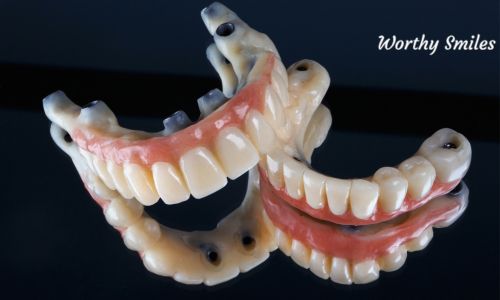
Dental implants have become a popular solution for replacing missing teeth, offering many patients a long-lasting and natural-looking option. However, before deciding, understanding the dental implant process, benefits, potential risks, and insurance aspects is crucial. What Are Dental Implants? Dental implants are artificial tooth roots made of titanium that provide a strong foundation for fixed or removable replacement teeth. The implants fuse with the jawbone, ensuring that the replacement teeth feel and function like natural teeth. The success rate for dental implants is around 95%, making them a reliable option for tooth replacement. Dental Implants Surgery: What to Expect The process of getting dental implants involves several steps, and it typically requires multiple dental visits over several months. The procedure starts with a thorough examination, including X-rays or 3D scans, to assess the health of your jawbone and determine the best placement for the implants. Preparation and Planning Before the surgery, your dentist will create a detailed treatment plan tailored to your needs. This plan will consider the number of teeth being replaced, the condition of your jawbone, and your overall health. If you have infected gums or other oral health issues, these must be treated before the implant procedure can begin. According to the American Dental Association, untreated gum infections can significantly reduce the success rate of dental implants. Surgery Day On the day of the surgery, your dentist will begin by numbing the area with local anesthesia. If you’re anxious about the procedure, sedation options are available to help you relax. The dentist will then make a small incision in your gum to expose the jawbone. A hole is drilled into the bone, and the titanium implant is placed inside. The gum is stitched back together after the implant is securely in place. Healing Process Of Dental Implants After the implant is placed, it takes time for the bone to grow and fuse with it in an osseointegration process. This healing period can take several months when the implant becomes firmly anchored in the jawbone. Maintaining good oral hygiene during this time is important to prevent complications like infected gums. Your dentist may recommend a special mouthwash or antibiotics to help prevent infection. Final Restoration Once the implant fully integrates with the bone, the final step is to attach the replacement tooth or crown. The dentist will take impressions of your teeth to create a custom crown that matches the color and shape of your natural teeth. The crown is then attached to the implant, completing the process. Advantages of Dental Implants Dental implants offer several advantages over tooth replacement options like dentures or bridges. According to a study published in the Journal of Dental Research, patients with dental implants report higher satisfaction levels than those with traditional dentures. Natural Look and Feel One of the biggest advantages of dental implants is their natural appearance and feel. Unlike dentures, which can slip or cause discomfort, implants are securely anchored in the jawbone, making them feel like your teeth. This stability also allows for normal chewing and speaking without worrying about the teeth shifting out of place. Long-Lasting Solution Dental implants are designed to last many years with proper care, often for a lifetime; this long-term solution makes them more cost-effective over time than other tooth replacement options that may need replacing or repairing more frequently. Bone Preservation When you lose a tooth, the jawbone in that area can deteriorate due to lack of stimulation. Dental implants help preserve the bone by providing the necessary stimulation, preventing bone loss, and maintaining the natural shape of your face. Improved Oral Health Unlike dental bridges, dental implants do not require altering or damaging adjacent teeth. This means your surrounding teeth remain intact, improving your overall oral health. Additionally, implants make it easier to maintain proper oral hygiene, reducing the risk of gum disease and infected gums. Risks and Complications With Dental Implants While dental implants have a high success rate, there are some risks and potential complications to be aware of. According to the Mayo Clinic, about 5-10% of dental implant procedures result in complications. Infection One of the most common risks associated with a dental implant is infection. This can occur during or after surgery if proper care is not taken. Infected gums around the implant can lead to failure, so following your dentist’s care instructions closely is important. Signs of infection include redness, swelling, and pain in the gums around the implant. Nerve Damage If the implant is placed too close to a nerve, it can cause nerve damage, leading to numbness, tingling, or pain in the lips, gums, or chin. This is a rare complication that should be addressed immediately if symptoms occur. Implant Failure Sometimes, the implant may not integrate properly with the jawbone, leading to failure. Factors that increase the risk of implant failure include smoking, poor oral hygiene, and certain medical conditions like diabetes. If the implant fails, it may need to be removed and replaced after a period of healing. Sinus Problems For implants placed in the upper jaw, there is a risk of the implant protruding into the sinus cavity, which can cause sinus issues. This risk can be minimized with proper planning and technique during the implant procedure. Insurance Coverage for Dental Implants Dental implants can be expensive, and many patients wonder whether their insurance will cover them. According to the National Association of Dental Plans, only about 50% of dental insurance plans offer some coverage for dental implants. However, the amount of coverage can vary widely depending on the plan and the reason for the implant. Insurance and Dental Implants Some dental insurance plans may cover part of the cost of the implant procedure, especially if it is deemed medically necessary. For example, your insurance may provide more coverage if the implant is required due to an accident or trauma. However, cosmetic procedures may have limited or no coverage. Financing Options for Dental Implants If your
Root Canal And Tooth Extraction: Which Is the Right Choice?

Your smile is worth the investment in the right care. Regarding dental health, root canals and tooth extractions are two common procedures that can save or remove a tooth. According to the American Association of Endodontists, over 15 million root canal treatments are performed yearly, and 41% of adults have had at least one tooth extraction. Choosing the right option depends on several factors, including your tooth’s condition and long-term oral health goals. What Is a Root Canal? A root canal is a procedure designed to save a severely damaged or infected tooth. Dentists recommend this treatment when the pulp inside the tooth becomes infected due to decay, a cracked tooth, or injury. The pulp is the soft tissue inside your tooth that contains nerves and blood vessels. During a root canal, the dentist removes the infected pulp, cleans and disinfects the inside of the tooth, and then fills and seals it. This process helps prevent further infection and allows the tooth to function normally. According to the American Dental Association, root canals have a success rate of over 95%, making them a reliable option for saving a tooth. How to Determine If You Need a Root Canal Treatment What Is a Tooth Extraction? Tooth extraction involves removing a tooth from its socket in the bone. Dentists recommend this procedure when a tooth is too damaged to be saved, such as in severe decay, advanced periodontal disease, or irreparable fractures. Tooth extractions are common for removing wisdom teeth, which may cause overcrowding or other dental issues. Root Canal vs. Tooth Extraction: Which Is Better? When deciding between a root canal and a tooth extraction, it’s essential to consider the long-term impact on your oral health. Studies show that keeping your natural teeth whenever possible is beneficial for maintaining a healthy bite and jaw structure. A root canal can preserve your tooth and avoid needing replacement, such as a dental implant or bridge. However, extraction may be the best option if a tooth is too damaged or poses a risk of infection to surrounding teeth. In some cases, extracting and replacing the tooth with an implant can be more cost-effective and long-lasting. How Does Each Procedure Work? Understanding how each procedure works can help ease any anxiety about undergoing dental treatment. Root Canal Procedure: Assessment: Your dentist will first assess the tooth to determine if a root canal is necessary. This may involve taking X-rays to see the extent of the infection. Anesthesia: Local anesthesia is administered to numb the area around the affected tooth, ensuring a pain-free experience. Pulp Removal: The dentist creates a small opening in the tooth’s crown to access the pulp. The infected or damaged pulp is carefully removed. Cleaning and Disinfecting: The inside of the tooth is cleaned and disinfected to eliminate any bacteria or debris. Filling: The space is filled with a special gutta-percha material, which helps stabilize the tooth. Sealing: Finally, the tooth is sealed with a temporary or permanent filling. In most cases, a crown is placed on the tooth to protect it from further damage. Questions to Ask Before Getting a Root Canal Tooth Extraction Procedure: Assessment: Your dentist will examine the tooth and take X-rays to determine the best approach for extraction. Anesthesia: Local anesthesia is used to numb the area around the tooth. Sometimes, sedation may be recommended, especially for wisdom tooth extractions. Extraction: The dentist uses special tools to loosen the tooth from its socket gently. If the tooth is impacted or broken, it may need to be removed in pieces. Post-Extraction Care: After removing the tooth, the dentist will provide instructions on how to care for the extraction site. This may include biting down on a gauze pad to control bleeding and avoiding certain foods until the area heals. Recovery and Aftercare Proper aftercare is crucial for a smooth recovery, whether you have a root canal or a tooth extraction. Root Canal Aftercare: Pain Management: You may experience discomfort after the procedure, but over-the-counter pain relievers can help. Most people can return to their normal activities within a day. Oral Hygiene: Continue to brush and floss your teeth as usual, but be gentle around the treated tooth. Your dentist may also recommend using a mouth rinse to clean the area. Follow-Up: Attending any follow-up appointments is important to ensure the tooth is healing properly. Your dentist may check the crown’s fit and make any necessary adjustments. How To Recover Quickly From A Root Canal Procedure Tooth Extraction Aftercare: Rest: Take it easy for the first 24 hours after the extraction. Avoid strenuous activities that could dislodge the blood clot and delay healing. Diet: Stick to soft foods and avoid hot or spicy foods for the first few days. Drinking plenty of fluids can help with the healing process. Oral Care: Do not brush the extraction site for the first 24 hours. After that, gently rinse your mouth with warm salt water to reduce swelling and prevent infection. Follow-Up: If you experience severe pain, swelling, or signs of infection, contact your dentist immediately. Cost Considerations For Root Canal and Tooth Extraction The cost of dental procedures can vary significantly depending on the case’s complexity, your location, and whether you have dental insurance. Root Canal Costs: The average cost of a root canal ranges from $700 to $1,500 per tooth. Molars tend to be more expensive due to their location and complexity. Dental insurance typically covers a portion of the cost, especially if the procedure is medically necessary. Tooth Extraction Costs: A tooth extraction can range from $75 to $300 for a simple extraction and $200 to $600 for a surgical extraction. Wisdom teeth extractions are usually more expensive. Dental insurance often covers the cost of extractions, but it’s essential to check with your provider for specifics. Long-Term Implications of Root Canal and Tooth Extraction Choosing between a root canal and a tooth extraction can have long-term implications for oral

