
Are Dental X-Rays Safe for Kids?

Dental X-rays are often essential for children to find any problems buried below the gum line and beneath the enamel of the teeth. However, many parents question whether they are safe for their children. Dental X-rays are often essential for children to find any problems buried below the gum line and beneath the enamel of the teeth. However, many parents question whether they are safe for their children. The good news is that dental X-rays are safer than ever, thanks to contemporary technology. X-rays are electromagnetic radiation that may penetrate human flesh yet are invisible to the naked eye. The density of the tissue determines how much radiation (energy) absorbs, which is how X-ray images (radiographs) produces. For instance, when X-ray energy passes through a cavity, a darker image that may be seen on film or a sensor is created. Digital X-rays have mostly replaced the outdated film versions in many dental practices. They are less dangerous than film X-rays because they produce around 80% less radiation. The radiation dose from a series of digital X-rays is lower than that humans naturally receive over a day. When determining whether dental X-rays are essential, a qualified dentist will carefully assess the risks and benefits depending on the kid’s specific needs. Dental X-rays are never administered randomly, especially to young patients, due to the slight possibility that they could result in cancer. Children are more radiosensitive than adults, and the FDA, which oversees X-ray equipment, acknowledges that parents should be concerned about their children being exposed to X-rays. The FDA mandates that X-ray machines have child-specific settings that minimize radiation exposure. As Low as Reasonably Achievable (ALARA) is the recommended radiation dosage standard for health practitioners, including dentists. In contemporary dentistry, digital X-ray technology and procedures enable the delivery of deficient radiation levels. Expert dentists only perform routine X-rays if they adhere to the American Dental Association (ADA) and American Academy of Pediatric Dentistry (AAPD) X-ray recommendations. The ADA and AAPD advise against using X-rays before a clinical evaluation of the patient and a review of their medical history. Including any primary X-ray usage and frequency. Advantages of dental X-rays in children Although X-rays are diagnostic, they can serve as a preventative tool by assisting in identifying problems in your child’s mouth before they worsen. Without an X-ray, it may be difficult to detect many possible issues with the teeth and surrounding tissue, such as small areas of decay under fillings, bone infections, abscesses, and tumors. X-rays are also essential for identifying concerns, including jaw and tooth root problems, gum disease, and gingivitis. A successful treatment strategy depends on the early detection of these issues. Without X-rays, problems that are not immediately noticeable could go untreated, leading to progressive worsening and potentially threatening your child’s overall health. A gum infection can spread to the lungs, heart, and brain if it is not treated and other organs. Different X-ray kinds The most popular type of dental radiography, intraoral X-rays, creates images inside the mouth. Your child’s dentist can assess tooth development and root health and see cavities. Examine how securely the jaw bone is anchoring teeth, and identify any possible dental crown needs since they display the precise characteristics of teeth and supporting bones. X-rays are taken extraoral or beyond the mouth, focusing on the larger skull bones, particularly the lower and upper jaw. These pictures assist your child’s dentist in keeping an eye on the jaw joint’s health and identifying issues like impacted teeth. The generation of bitewing radiographs is a common application for dental X-rays in children. The word “Bitewings” refers to the tiny tabs or wings affixed to the films or sensors on which the youngster bites. They are essential for detecting decay between the rear teeth, where cavities are frequently hidden from view. Bitewing X-rays are safe, exposing a child to less radiation than they would typically receive from background radiation from the environment regularly. The dentist for your child can view the entire mouth in one image thanks to Panoramic Radiography. They are used to evaluate wisdom teeth and the teeth and supporting bone in general. A panoramic X-ray reveals the state of the teeth, including any that have not yet surfaced—the health of the upper and lower jaws, and the tissue and structures surrounding them. Cephalometric projections from orthodontic X-rays show the whole side of your child’s head. These photos can be beneficial in determining the best course of orthodontic treatment. Straighten up crooked or misaligned teeth because the teeth are shown in the same image as the head and jaw. When the dentist wants to determine the spacing and growth of the teeth in your child’s mouth, Cone beam computerized tomography (CBCT) X-rays provide them with a three-dimensional perspective. With your child’s dentist, weigh the benefits and drawbacks. X-rays are essential in diagnosing teeth and gum problems because they allow for the proper course of action and treatment (such as the requirement for a tooth extraction) before the issue worsens. Professional radiologists can carefully interpret X-rays to identify problems that might go unnoticed. Most of the time, the information offered by a dental X-ray will result in long-term health advantages for your child that vastly outweigh the hazards of the operation. Many diagnostic procedures can entail some risk. It would help if you were well-informed about the risks, advantages, and alternatives to decide whether or not your child needs dental X-rays. Ask your dentist to explain how the procedure results would benefit your child’s healthcare. And why another method of diagnosis would be less beneficial if they advise your child to undergo an X-ray. An excellent dentist will be pleased to go through these details with you. Children with a low risk of tooth decay don’t need X-rays as frequently, so helping your child establish a solid oral hygiene practice at home will lessen the frequency of X-rays. The Top Reasons Why It’s Critical To Brush Your Teeth
Why Dental Cleanings Are Essential
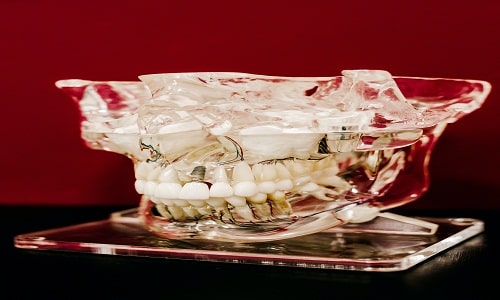
While we all try to maintain good oral health by brushing and often flossing, sustaining exceptional oral health requires regular dental trips for professional dental cleanings. Many individuals, however, forego these crucial sessions because they think daily flossing and brushing will be enough to fulfill their need for professional dental cleaning; nonetheless, missing out on these appointments may result in various oral health issues. Dental cleanings and examinations are something Worthy Smile delights in providing to all its clients. Continue reading to find out the importance of these common dental treatments. 1: Plaque and tartar removal Plaque, a sticky, transparent material created when bacteria assemble, forms around your gum line when you drink and chew. Plaque accumulating in cracks and other difficult-to-reach places of the mouth will evade even individuals who brush and floss regularly. If plaque is not removed, it hardens into tartar, which can only be removed by a dentist or dental hygienist in your area. Get frequent dental cleanings since tartar may cause cavities and tooth decay if left untreated. 2: Reduce Your Gum Disease Risk Your chance of acquiring gum disease rises if you don’t see the dentist in Millwoods at least once every six months. Gum disease may result in tooth loss and bone loss if left untreated. The leading cause of gum disease is plaque and tartar accumulation along the gumline. 3: Third, check for oral cancer Our dentist will wholly and thoroughly examine your mouth cavity when you visit our team for a dental cleaning nearby. This will include an oral cancer screening in which our dentist will look for early indications of oral cancer in your inner cheeks, gums, neck, and tongue. Regular dental cleanings and examinations are the most excellent approach to detecting oral cancer early on when it has the highest chance of effectively treating, like all cancers. 4: Encourage Breath That Smells Fresh Nobody wants to be that person at the party whose bad breath everyone avoids. Plaque and tartar accumulation in the mouth contributes to dental disorders and a distasteful look and causes a foul smell. No amount of mint toothpaste or gum can mask the offensive odor if plaque and tartar are the cause of your bad breath. You may eliminate the cause of your bad breath by seeing your dentist to have this bacteria buildup removed, and you’ll also leave with a minty-fresh grin. Go to Worthy Smiles. Dental cleanings and examinations are necessary to maintain excellent oral health, even if you brush and floss daily. We are pleased to provide thorough dental cleanings and examinations to every one of our customers to support their oral health and assist them in preserving beautiful smiles for a lifetime. Don’t hesitate to contact our devoted dental specialists at Worthy Smiles if it has been more than six months since your previous dental checkup and cleaning. Contact us right away to schedule your cleaning and examination. Is Lemon Water Bad For Your Teeth?
Tooth discoloration what you need to know

Tooth Discoloration – Have you noticed that your teeth are not as white as they once were, or maybe even as white as you would want them to be? Your teeth’s luster might be lost due to a variety of factors. However, there are just as many techniques to remove stains from teeth and avoid them altogether. Here are some suggestions for maintaining a robust and radiant grin. OVERVIEW Why do teeth get darker or discolored? Almost everyone wishes they could have a bright white grin. Your teeth may discolor for a variety of causes. Some things are beyond our control, including becoming older or having accidents while we’re young that might affect how our tooth enamel develops. This is why it’s crucial to talk to your dentist about any intentions you have for teeth whitening. Your dentist will be able to determine if your tooth darkening is only lifestyle-related staining, such as from drinking too much coffee, or whether it may be more of a dental health issue. Even though bleaching is often done for aesthetic purposes, your dentist may advise you on the best course for your particular stains. The good news is that correcting dental discoloration is often possible. That justifies working for a radiant white grin. Tooth Discoloration and Stains on teeth brought on by lifestyle choices: Foods/drinks: Tea, coffee, colas, wines, and other starchy meals like pasta or potatoes may all result in stains. Using tobacco: A smoker’s or chewer’s teeth may get stained. Tooth Discoloration on teeth brought on by dental health: A lack of dental hygiene Plaque and food stains may accumulate if you forget to clean and floss your teeth. Skipping regular cleanings by a dentist may also cause colors to appear. Disease: Conditions that inhibit the healthy growth of dentin, the more porous “yellower” core underneath the enamel, and dental enamel (your teeth’s white outer layer), may cause discoloration. Some illnesses in pregnant women may interfere with your baby’s enamel development and stain their teeth. Chemotherapy and radiation to the head and neck are two medical procedures that may stain teeth. Medication: It is well-known that several medications may stain growing children’s teeth. Tetracycline and doxycycline, medicines, may impact how enamel forms in kids under the age of eight. Teeth may also get stained by mouthwashes and rinses that include cetylpyridinium chloride and chlorhexidine. Antipsychotic medicines, antihistamines, and antihypertensive meds may stain teeth. Dental materials: Some amalgam restorations, particularly those that include silver sulfide, might give your teeth a grayish-black tint. Aging: Your teeth’s outer coat of enamel wears away with time, revealing the tooth’s yellow dentin. The tooth becomes less translucent, giving off a darker appearance. As you age, the dentin in your teeth also increases, reducing the pulp size. Genetics: Some families have thicker, whiter enamel. Environment: Too much fluoride may lead to fluorosis, which appears as white spots on teeth, whether it comes from environmental sources (high fluoride levels in water) or excessive usage (fluoride treatments, rinses, toothpaste). Trauma: Children might get oral injuries when playing sports. If they are younger than eight, the damage may prevent enamel production. Adult teeth may also become discolored by trauma if a sports injury or other impact reduces blood supply to the tooth or kills the nerve. How often are stained or discolored teeth? Nobody is sure how many of us have tooth discoloration, but it is obvious that we care about how white and healthy our teeth are. As a social status symbol, a bright smile has made teeth-whitening goods and techniques rather famous. According to the American Academy of Cosmetic Dentistry, most of us (99%) believe our smile is our most valuable social asset. A quick walk down the dental care aisle of any pharmacy shows a vast selection of whitening trays, strips, toothpaste, and mouthwashes. More than ever, we are backing up our words with actions by increasing our yearly expenditure on both over-the-counter and professional whitening goods and treatments. There are solutions for any budget if you’re ready to whiten your teeth, but it pays to know which ones are secure and efficient and which could do more damage than good. CONTROL AND TREATMENT What are teeth-whitening procedures available? Several treatment choices exist, and only some qualify for every whitening technique. Your teeth will become a certain number of shades lighter depending on the sort of stain you have. It’s important to talk with your dentist before using any whitening products since the U.S. Food and Drug Administration (FDA) disapproves of them. Can crowns or veneers placed on a tooth be made whiter? It’s also crucial to realize that since dental restorations, such as bonding, veneers, crowns, bridges, dentures, or implants, are often comprised of artificial materials, such as porcelain, they cannot be whitened. Only teeth with natural enamel can be made whiter, and only if the root of the problem is something your dentist believes is reversible. Your dentist could advise one or more of the following alternatives depending on the reason for the discoloration. At-home bleaching I am applying over-the-counter whitening products that come in tooth-shaped trays or stick-on strips. Employ the appropriate tooth brushing and flossing practices to clean your teeth daily. (Although you should always practice proper dental care, stepping up your game may enhance your teeth’ look if your routine improves.) Specialist whitening A dentist will conduct professional whitening in-office, using professional whitening materials and techniques to hasten the whitening process. When performed by a qualified dentist, the operation is secure. Your dentist will apply a hydrogen peroxide solution. The bleaching process may need to be sped up for specific items using heat and specialized light. Other goods that are only accessible to professionals will have a stronger whitener concentration, occasionally with desensitizer, and some special tray for improved whitener adherence. Dental bonding is when your dentist paints a white resin on your tooth and uses a special light to solidify it. To enhance the color and shape of your smile, the light “bonds” the resin to the
The Top Reasons Why It is Critical To Brush Your Teeth Before Bed

Sometimes when it is time for bed, you are so tired that you wonder if you should waste time and energy brushing your teeth before falling asleep. After all, you can brush when you wake up in the morning. The truth? Those few minutes spent brushing your teeth at bedtime are critical to oral health. The Pros of Brushing Before Bed If you need some motivation to brush your teeth at night, even if you are sleepy, here are a few of the pros: Remove bacteria buildup. As you eat throughout the day, the bacteria in your mouth feast on the foods you eat. After feeding, they excrete waste that can break down your tooth enamel, resulting in cavities and decay. Brushing before you go to bed helps remove this plaque before it can harden and calcify on teeth. Help prevent gum disease. Gum disease can be tough to treat and control if it progresses. The plaque that causes tooth decay can also play a role in causing gum disease. Removing plaque at bedtime can help you prevent gum disease. Reduce the effects of dry mouth. Your mouth does not produce as much saliva when you are sleeping, and this makes your mouth an excellent place for bacteria to breed. When you brush at bedtime, you will remove many bacteria and reduce the effects of a dry mouth. Fresher morning breath. Your mouth tastes and smells horrible when you forget to brush. Think about a time you forgot to brush and woke up with terrible breath. When you take the time to touch, you will wake up with fresher breath — something you and others will appreciate. The Cons of Failing to Brush Before Bed Failing to brush before bed comes with both short- and long-term consequences. Here are a few of the cons of forgetting to brush at bedtime that will make you want to take the extra time to pick up your toothbrush at night: Terrible breath. All those food particles in your mouth break down overnight and promote bacteria growth. This will cause awful breath in the morning. Failing to brush before bed leaves you at a greater risk for chronic bad breath. Cavities. Eventually, plaque that hardens on your teeth when you do not brush will damage the enamel of the teeth, and this will likely result in cavities. Gum disease. Your body will see plaque buildup as an infection, and your body will begin attacking the plaque buildup. This can make your body destroy healthy tissues holding teeth in place, causing gums to recede. Over time, this can result in tooth loss. Chronic inflammation is also linked to an increased risk of heart disease and other health problems, so taking care of your teeth is essential to your overall health. Although brushing your teeth before bed can seem like a nuisance, your mouth’s health depends on that brushing time. Think about the consequences of not brushing — you can spare two minutes! Root Canal Myths And Reality What happens if we do not brush our teeth often? “If plaque is left for a long time on the teeth, it hardens into tartar. Tartar leads to tooth cavities and sometimes causes swollen, red, inflamed, and bleeding gums. Tartar can also lead to tooth decay to a point where one would have to get it extracted,”. Plaque, bacteria, and tartar are detrimental to your teeth and health. Brushing at night might get boring or take time to form into a habit, but it is highly recommended and beneficial. Brushing at night also enables you to smile broadly with confidence, and a good tooth-care routine will eventually make you feel good about yourself. So ladies, brush those pearls, floss your teeth, and visit your dentist regularly to maintain your million-dollar smile. Brushing in the morning to start the day with a fresh breath is what we prioritize. However, the most crucial time to brush is at night before sleep. Guard Against Heart Disease with Good Dental Health
Ways to Maintain Good Dental Health
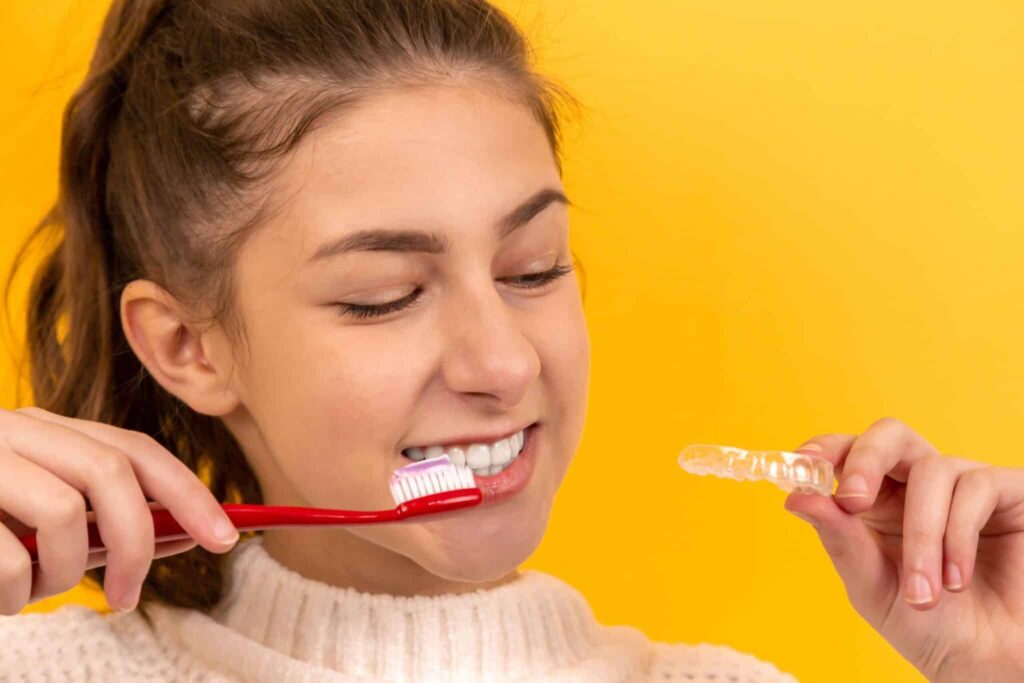
Maintain your dental health Dental health needs a lifetime of maintenance. Even if you’ve been told you have sweet teeth, it’s still important to care for them properly every day to avoid issues. This entails using the appropriate dental care products and paying attention to your routine. Remember to clean your teeth before bed It’s no secret that brushing your teeth at least twice daily is generally advised. However, a lot of us still skip cleaning our teeth at night. However, cleaning your teeth before night removes plaque and bacteria accumulated during the day. Correctly brush How you brush is equally crucial; cleaning your teeth improperly is nearly as terrible as not brushing at all. Take time and eliminate plaque by gently circling your teeth with the toothbrush. Plaque that isn’t removed may harden, causing calculus to form and gingivitis (early gum disease). Remember to use your tongue Your tongue may also develop plaque. This may cause various issues with dental health in addition to poor breath. Every time you clean your teeth, gently brush your tongue as well. Put fluoride toothpaste to use There are more factors to consider in toothpaste than whitening ability and taste. Regardless of the version you choose, be sure fluoride is present. Fluoride is still a crucial component of dental health, even though some people are concerned about how it may affect other aspects of health. This is due to fluoride’s prominent role in tooth decay prevention. It functions by eradicating bacteria that might cause decay and acting as a barrier for your teeth. Make flossing a priority on par with brushing Many people who frequently brush also need help floss. According to Jonathan Schwartz, DDS, flossing is not simply for removing food particles or vegetables that may be lodged between your teeth. It primarily stimulates the gums, reduces plaque buildup, and lowers localized irritation. Most people need to floss once every day to get these advantages. Refrain from flossing challenges deter you Flossing may be challenging for small children and elderly persons with arthritis. Instead of giving up, seek equipment that might make flossing your teeth easier. Drugstore dental flossers that are ready to use may help. Think about mouthwash Mouthwash is promoted as required for optimum dental health, yet many individuals don’t use it because they need to understand how it works. According to Schwartz, mouthwash has three benefits: The quantity of acid in the mouth is decreased, the difficult-to-brush regions in and around the gums are cleaned, and the teeth are remineralized. He says mouthwashes are helpful as a supplemental tool to assist things in balance. “I believe mouthwash is especially useful in youngsters and elderly adults, when the capacity to brush and floss may not be optimum.” Request particular mouthwash advice from your dentist. For those with sensitive teeth and youngsters, certain products work best. Additionally, mouthwash on prescription is offered. Take extra water Water is the healthiest beverage for your overall health, including dental health. Schwartz also advises drinking water after every meal as a general guideline. In between brushing, this may help wash off some of the detrimental effects of sticky and acidic meals and drinks. Consume crinkle-free fruits and vegetables Although ready-to-eat meals seem practical, there may be better options for your teeth. Fresh, crisp food is the most excellent option for your teeth since it includes more beneficial fibre. So quit chopping things into little bits, avoid extremely mushy manufactured foods, and start using your jaws! Schwartz advises parents to introduce more difficult-to-chew and consume meals to their children at an earlier age. Eat fewer items high in sugar and acid In the end, the sugar turns into acid in the mouth, which may wear away at the tooth enamel. These acids cause cavities. Teas, coffee, and acidic fruits may all erode dental enamel. Even if you don’t need to avoid certain items entirely, it doesn’t hurt to be cautious. A minimum of twice a year, see the dentist Your daily routine greatly influences your general dental health. Even the most diligent brushers and flossers should see the dentist regularly. You should see the dentist at least twice yearly for cleanings and checkups. A dentist may check for cavities, remove calculus, and recommend treatments in addition to identifying current problems. Certain dental insurance providers may cover even more regular dental visits. Use this to your advantage if it applies to you. Doing this is very beneficial if you have a history of dental problems like gingivitis or recurrent cavities. How often should I have my teeth cleaned and examined by a dentist? The American Dental Association advises that you see your dentist for cleanings and examinations at the recommended times. Many individuals need cleanings every six months to maintain the health of their teeth and gums. However, your dentist may need to visit you more often if you have a history of cavities or gum disease. People with gum disease, for instance, frequently visit their dentist every three to four months. This is because, in certain people, oral bacteria increase more quickly. Consult your dentist to determine the best cleaning regimen for you.
Your Baby’s Dental Health Starts During Pregnancy

Dental health during pregnancy is a topic of dire interest for pregnant women. Let’s talk about it. Your mouth, teeth, and gums are all affected by your dental health, commonly referred to as oral health. It’s critical to your general health. And if you’re expecting, it’s crucial for your prenatal care (medical care you get during pregnancy). You are more likely to have oral health issues when pregnant, and these issues may have an impact on your pregnancy. For instance, one study found a connection between gum disease and preterm birth. Premature birth occurs when a baby is born before the mother has been pregnant for 37 weeks. Compared to full-term babies, premature babies may have more significant health issues at delivery and later in life. During pregnancy, taking proper care of your mouth, teeth, and gums will help you have a successful pregnancy and healthy offspring. What impact does pregnancy have on your oral health? Your teeth and gums may suffer from bodily changes that occur during pregnancy. For instance: Several hormones, including progesterone and estrogen, are in higher amounts during pregnancy. These may make you more vulnerable to developing specific oral health issues. Your oral health may be impacted by the foods you consume. Your eating patterns could alter. During pregnancy, you could consume more certain foods than you did. You may brush and floss less often than you did before becoming pregnant. This can result from your gums being sore or you being more exhausted than usual. Some women may feel queasy after cleaning and flossing their teeth (feeling sick to their stomach). Your chance of developing some dental issues while pregnant may be increased by several changes, including: Cavities: These are little spots on your teeth’s surface that have been harmed. You are more prone to develop cavities if you are pregnant. You may give your infant the bacteria that causes cavities during pregnancy and after delivery. Later on, this might lead to issues with your baby’s teeth. Gingivitis: Gum inflammation (redness and swelling) is called gingivitis. It may result in more severe gum disease if left untreated. Your risk of gingivitis may rise due to pregnancy hormones. Gingivitis affects 60 to 75 percent of expectant mothers. Some warning signs and symptoms are: Redness and enlargement Discomfort in the gums Bleeding gums even while gently brushing your teeth Glossy gums Tooth decay. High amounts of progesterone and estrogen during pregnancy may temporarily weaken the tissues and bones that support your teeth. Your teeth may become loose as a result. Chronic gum disease (also called periodontitis or gum disease). Gingivitis may develop into periodontal disease if left untreated. The gums get seriously infected, and the teeth’ supporting bones also have issues. You may need to have your teeth taken if they become loose (pulled). Bacteremia may result from periodontitis (bacteria in the bloodstream). This dangerous ailment requires prompt medical attention. Gum disease that is severe has a link to smoking. Enamel erosion Too much stomach acid may contact your teeth if you vomit due to morning sickness. Your teeth’s enamel, which is their hard surface, might be harmed by this acid. Pregnancy-related nausea and vomiting, often known as morning sickness or NVP, typically occurs in the first few months of pregnancy. What are the telltale indications and symptoms of oral issues when pregnant? Call your dentist if you have any indications or symptoms of dental issues. A condition’s symptoms are something another person may see in you or learn about you, such as a rash or a cough. Symptoms are invisible to others but felt by you, such as a sore throat or wooziness. The following are warning signs and symptoms of dental issues: Poor breath Missing teeth Gum lumps or sores in the mouth Newly formed gaps in your teeth Gum recession, which occurs when the gums pull back from the teeth, and the tooth roots are visible, or gum inflammation (where your gums meet your teeth) Gums that are readily bleeding, red, swollen, sensitive, or glossy Toothache or another discomfort Call your dentist as soon as you experience any discomfort or swelling. If you have an infection, you need to be treated as one to help your baby avoid difficulties. How can dental issues be avoided when pregnant? Check your teeth often, both before and during pregnancy. When you visit the dentist for a checkup, say: If you are or intend to get pregnant Any medication you take. This includes herbal items, dietary supplements, and prescription and over-the-counter medications. A prescription drug is one that your doctor has authorized you to use to address a medical issue. It would help if you had a prescription (an order from your doctor) to get the medication. Without a prescription, you may purchase over-the-counter (OTC) medications, such as painkillers and cough syrup. When you don’t receive enough specific nutrients from your diet (such as iron or vitamin B), you may use a supplement to make up the difference. A herbal product composed of herbs, such as a tablet or tea (plants used in cooking or medicine). Suppose you are expecting a high-risk baby. If you have a long-term illness, difficulties from a prior pregnancy, or other circumstances that might endanger your health or the health of your unborn child, your pregnancy may be high-risk. High-risk pregnancies have a higher chance of complications for you, your unborn child, or both of you. If your prenatal care physician has discussed your dental health with you Prenatal and postpartum dental exams are crucial so your dentist can identify and address teeth issues early. Additionally, regular dental cleanings support the health of your gums and teeth. Are dental X-rays safe to take while expecting? Yes. Regular dental treatment includes X-rays. Dental X-rays may reveal issues with your teeth, gums, and mouth’s supporting structures. A medical test called an X-ray utilizes radiation to create an image on film. When exposed in excess, radiation is a kind of energy that may be
The Psychology of Smiling

It’s no secret that smiling has various advantageous effects on the body and the mind. In reality, chocolate is not as good at activating the brain’s reward system as smiling is; thus, smiling helps individuals feel happier. Other research has shown that individuals may experience the same satisfaction from smiling as they do from exercising. People who laugh or grin are typically happier, more active, and healthier. On the other hand, a grumpy individual could identify with feelings of rejection, victimization, or marginalization. Relationship development is facilitated by smiling since it makes one seem approachable and eager to connect. A friendly relationship with others is also associated with smiling. As you approach an opponent, a sincere grin on your face will thwart any early attempts to harm you. With her proclamation that “Peace starts with a smile,” Mother Theresa also promoted the link between smiling and peace. A smile and assurance The sense of self-worth that comes with having nice teeth is one way that smiling is connected to the brain. If you’re not completely satisfied with your smile, you may believe that one of the first things people notice about you is your teeth. The secret to being more outgoing may lie in your grin. You could feel that you can’t grin freely if your teeth are stained or misaligned. This may then result in diminished confidence. You may be confident in other areas of your life if you have confidence in your smile. First impressions and smiling. Unbelievable as it may seem, a cheerful grin might help you get a better job. According to research, you are utilizing your teeth to smile as naturally as you can demonstrate your enthusiasm for the work and your willingness to put effort into your profession. Smiling may communicate your friendliness, excitement, and desire to work. When you feel comfortable about your grin, you may flash it confidently when you meet new people and during job interviews, sending the appropriate message. Laughing and Relationships Social settings and social etiquette are related to smiling. Charles Darwin observed the nature of smiling and held that it is an expressive act of joy that may foster interpersonal connections. Social connections may be made more straightforward when you have a radiant grin. Humans are hardwired to communicate with one another via smiling. Even those unable to grin due to facial paralysis have been observed to struggle in social settings. Kids often laugh more than adults in a 24-hour period, making them happier and more active overall. According to recent research, toddlers laugh 400 times daily, compared to cheerful people’s 40–50 smiles per day. On average, people grin or chuckle only 20 times a day. How Would You Rate Your Smile’s Psychology? When your teeth speak for you, you might benefit from understanding the psychology of a smile. Your life may alter dramatically with a bit of adjustment to your grin. If your teeth make you feel insecure, take measures to have the smile you’ve always desired. A winning grin might change your life. In addition to social and psychological benefits, smiling has other positive health effects. Laughing lowers stress. Smiling encourages the mind and body to release tension, which may be a constant battle when anxiety and worry are present naturally. Smiling lessens the bloodstream’s production of hormones brought on by stress, preventing adrenal exhaustion. Everybody’s mind is filled with both happy and unhappy feelings. Positive feelings are enhanced by smiling. Choosing to smile often and laugh allows you to access your happy feelings. You might look more friendly and appealing by smiling often. People will be attracted to you when you smile in both personal and professional settings. False grins are often easy to see. Although it may seem that someone is grinning on the outside, there isn’t a true sense of warmth and friendliness. People who are the target of a phony grin often feel uneasy. Fake smiles may be given by bored people, worn out, or distracted. In addition, some individuals could use a fake grin if they don’t feel like smiling or are displeased. Making a sincere effort to smile could be a decision you make. You may need to deliberately maintain your good attitude and smile in the face of difficulties. It could take some work to learn to grin sincerely. You can re-learn how to grin like a kid even if you’ve fallen out of the habit. Work on your ingrained presumptions about smiling as you rediscover the skill of actual smiling. Start seeing yourself as a cheerful, smiling person. Smiling is an external manifestation of a positive, kind, and accepting mindset. Consider your sincere smiles as a means to give others confidence and tranquility. Final Thoughts If you are having problems smiling, recall a person or an occasion that made you happy or joyous. Before you enter a social setting, go back to this person or event to help you unwind and feel content enough to grin. A rainbow in your mind could also put you at ease and make you smile. In front of a mirror, work on your smile. To grin honestly, you must use the muscles in the corners of your mouth—which produce a social smile—and the forces in your eye sockets. Both powers are used in an authentic grin, and a genuine smile should also make you feel comfortable. Once you become proficient at smiling, you should see improvements in your health, happiness, and level of relaxation. When you smile, your nervous system and brain are immediately connected by your muscles, which may elevate your mood.
Cavity And Its Effects On Our Teeth
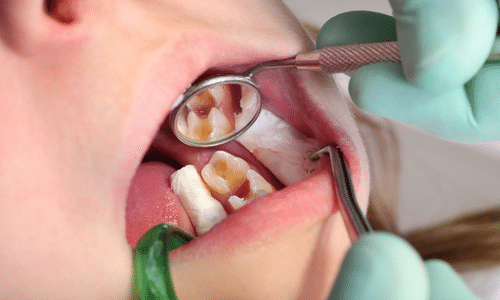
A cavity is a little hole or gap on the hard surface of your teeth that is permanently damaged. Cavities, also known as tooth decay or caries, are brought on by several things, including oral bacteria, frequent eating, consuming sugary beverages, and inadequate tooth cleaning. One of the most prevalent health issues worldwide is dental decay, which includes cavities. Particularly prevalent among kids, teens, and older adults. However, cavities may affect everyone who has teeth, including young children. If left untreated, cavities get bigger and harm your teeth’s deeper layers. They may result in tooth loss, an infection, and excruciating dental pain. Regular dental appointments and proper brushing and flossing practices are your most excellent defense against cavities and tooth decay. Symptoms Depending on the size and location of the cavity, there are different indications and symptoms. You may not have any symptoms while a cavity is just starting. As the degradation spreads, it may result in the following signs and symptoms: Toothache, sudden pain, or pain that develops for no apparent reason Sensitive teeth While eating or drinking anything sweet, spicy, or cold, there may be mild to severe discomfort. Do your teeth have any noticeable divots or pits? A brown, black, or white stain on any tooth surface. When you bite down, it hurts. When to go to the dentist A cavity might be developing without your knowledge. Even when your mouth feels good, it’s still necessary to undergo regular dental exams and cleanings. However, if you have mouth or tooth discomfort, schedule an appointment with your dentist immediately. Causes Tooth decay, a gradual process, is what leads to cavities. Here is how dental degeneration progresses: Plaque develops. Your teeth are covered in a transparent, corrosive layer called dental plaque. It results from consuming a lot of carbohydrates and carbs and neglecting to brush your teeth properly. When carbohydrates and sugars aren’t removed from your teeth, bacteria start feeding on them, and plaque soon forms. Tartar is created when plaque that remains on your teeth hardens under or above your gum line (calculus). Tartar acts as a barrier for germs and makes plaque removal more difficult. Plaque assaults. The acids remove the minerals in your tooth’s complex and the outer enamel in plaque. Cavities start as microscopic gaps or holes in the enamel brought on by this degradation. The germs and acid may reach the dentin, the next layer of your teeth if portions of the enamel have been worn away. Compared to enamel, this layer is softer and less acid-resistant. Sensitivity is brought on by small tubes in the dentin that connects directly to the tooth’s nerve. It keeps being destroyed. The bacteria and acid that cause tooth decay keep migrating through the inner tooth substance (pulp), which is home to nerves and blood vessels, as tooth decay progresses. The bacterium causes swelling and irritation of the pulp. Inside a tooth, there is nowhere for the swelling to grow. Thus the nerve is squeezed and hurts as a result. Even the bone outside the tooth root may experience discomfort. Risk elements Everyone who has teeth is susceptible to developing cavities. However, the following things may make it more likely: Dental position. Your rear teeth are more susceptible to decay (molars and premolars). These teeth feature several roots, pits, and crannies, as well as numerous grooves that may catch food debris. They are thus more challenging to maintain than your front teeth, which are smoother and easier to access. Certain meals and beverages. Those that stick to your teeth for an extended period, such as dry cereal, chips, milk, ice cream, honey, sugar, soda, dried fruit, hard candies, and mints, are more likely to rot your teeth than foods that are quickly removed by saliva. You eat or drink often. When you consistently munch or consume sugary beverages, you give oral bacteria more fuel to make acids that damage and wear down your teeth. Additionally, drinking soda or other acidic beverages regularly throughout the day contributes to a constant acid wash on your teeth. Baby feeding before bed. When newborns are given bottles containing milk, formula, juice, or other liquids containing sugar at night, these drinks stay on their teeth for hours while they sleep, feeding bacteria that cause tooth rot. Baby bottle tooth rot is a common name for this injury. Similar harm may result when children roam the house sipping from a sippy cup loaded with these drinks. Insufficient brushing. Plaque builds fast on the teeth after eating and drinking, and the early stages of decay might start if you don’t brush them right after. We are receiving insufficient fluoride. Fluoride, a natural mineral, aids in preventing cavities and may even repair minor tooth damage. Fluoride is added to many public water systems due to its advantages for teeth. In addition, it is often found in toothpaste and mouthwash. But fluoride is often absent from bottled water. Older or younger. Cavities are frequent in young toddlers and teens in the United States. Also, more at risk are older folks. When gums and teeth deteriorate over time, teeth become more susceptible to root decay. Additionally, older people may take more drugs that inhibit saliva production, raising the risk of tooth decay. Mouth arid saliva helps prevent dental decay by washing away food and plaque from your teeth, which is why a lack of it brings on a dry mouth. Salivary substances also work to neutralize the acid that bacteria create. Lowering saliva production, several prescription treatments, medical conditions, radiation to the head or neck, and chemotherapy therapies might raise your risk of cavities. Worn-out dental implants or equipment. Dental fillings may become brittle, degrade, or have jagged edges. Plaque might accumulate more readily as a result, which makes it more difficult to remove. Dental appliances that no longer fit properly might start to deteriorate. Heartburn. Stomach acid may reflux into your mouth due to heartburn or gastroesophageal reflux disease (GERD), eroding your teeth’s enamel and seriously
10 Oral Health Care Tips For You And Your Family
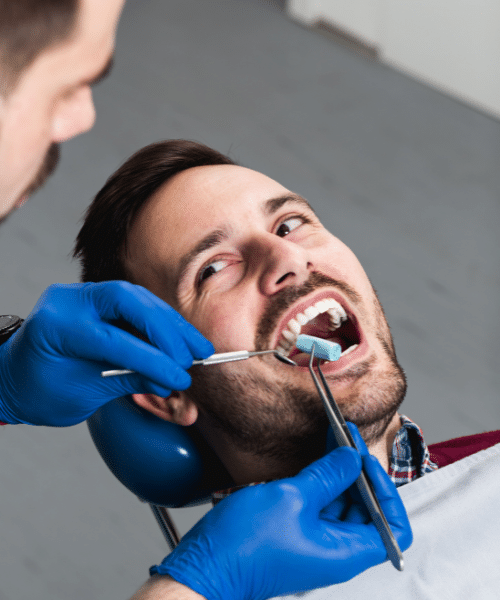
Oral health is crucial to overall health and well-being. Cavities, severe gum disease, and profound tooth loss are the three oral disorders affecting general health and quality of life. Oral illness may cause discomfort and infections that interfere with eating, speaking, and learning. Social interactions and career prospects may also be impacted. By avoiding costly dental treatment, children who get dental sealants and fluoridated water may prevent cavities and save money. Kids from lower-income homes are more likely to develop cavities than kids from higher-income families. Diabetes and tobacco use are also risk factors for gum disease. By 8, 52% of kids have cavities in their primary (baby) teeth. One in four individuals (20–64) now have dental problems. Unplanned (emergency) dental care costs the US economy $45 billion annually in lost productivity and results in the loss of 34 million school hours annually. Maintaining the dental health of your family is beneficial for several reasons. Their brilliant grins. Ability to chew for optimum nourishment. They are avoiding pain and toothaches. Recent studies indicate that gum disease may contribute to other health issues, such as a higher risk of heart disease. Easy methods exist to maintain strong, healthy teeth from youth until old life. This is how: 1. Get kids started young. Despite significant advancements in tooth decay prevention, one in four young children exhibits tooth decay symptoms before entering kindergarten. Between 12 and 15, cavities affect half of all youngsters. As soon as a child’s first tooth erupts, often about six months old, dental treatment should start, according to Caryn Solie, RDH, president of the American Dental Hygienists’ Association, who spoke to WebMD. “A clean, wet towel or a very soft brush may be used to clean teeth. At about age 2, you may let youngsters attempt brushing independently, although supervision is still necessary. 2. Cut off the problem. Around age 6, permanent molars begin to erupt. The pits and fissures of back teeth may avoid decay by having thin protective coatings placed on the chewing surfaces. The Centers for Disease Control and Prevention assert that sealants may considerably lower caries. Dental sealants are barely given to one in three American children. Consult with a dental professional. 3. Use enough fluoride, but not too much. Fluoride, which strengthens enamel and reduces its susceptibility to decay, has been the most significant advancement in dental health. Americans consume fluoridated water in three out of every four cases. Consult your dentist if your water isn’t fluoridated; they could recommend applying fluoride to your teeth. Fluoride is also included in a lot of toothpaste and mouthwashes. Only a pea-sized dab of fluoride should be used on young children’s toothbrushes. Too much might leave teeth with white patches. 4. Use floss and brush your teeth twice a day. Gum disease and tooth decay are still significant issues, and not only for the elderly. According to the ADHA, three-fourths of teens experience bleeding gums. Along with the general guidance, keep in mind the following: • A toothbrush should be replaced three to four times each year. • Teenagers with braces may need to clean their teeth with specialized toothbrushes and other oral hygiene supplies. Find out how your oral health is impacted by teeth straightening. Speak to your orthodontist or dentist.• Elderly individuals with arthritis or other issues may find handling a toothbrush or floss challenging. Using an electric toothbrush might be more convenient for some individuals. Others cover the handle of a standard toothbrush with a foam tube or bicycle grip to make it more comfortable to grasp. 5. After meals, rinse or chew gum. In addition to brushing and flossing, using an antibacterial mouth rinse may aid in preventing tooth decay and gum issues. Increasing saliva flow, which naturally removes germs and neutralizes acid, by chewing sugar-free gum after a meal may also provide protection. 6. Block hits the teeth. Nowadays, mouth protection is a requirement for the majority of school teams. Although they help to create healthy bodies, sports, and leisure activities may damage teeth. But remember that risky pastimes like skateboarding and rollerblading may lead to accidents. Your dentist may make an individualized mouth guard. Another option is to purchase a mouth guard from a sports goods shop that can be shaped to suit your mouth by being softened in hot water. 7. Avoid smoking and smokeless tobacco usage. Tobacco dramatically raises the risk of gum disease, oral cancer, and discoloring teeth. Consider stopping if you smoke or use chewing tobacco. Encourage your children not to begin. 8. Eat intelligently. A balanced diet is necessary for strong teeth and gums at any age. You can receive all the nutrients you need by eating a well-balanced diet of whole foods, such as grains, nuts, fruits, vegetables, and dairy products. According to Anthony M. Iacopino, DMD, Ph.D., dean of the University of Manitoba Faculty of Dentistry, some studies think omega-3 fats, such as those found in fish, may help lessen inflammation and minimize the risk of gum disease. 9. Steer clear of sweets. Oral bacteria break down simple carbohydrates, producing acids that may erode tooth enamel and lead to disease. Steven E. Schonfeld, DDS, Ph.D., a dentist in private practice and spokesman for the American Dental Association, says, “Sugary beverages, particularly soft drinks and fruit drinks, offer a specific concern because individuals prefer to sip them, elevating acid levels over a lengthy period.” Drinks with added carbonation may worsen the situation since they have more acidity. Another problem is sticky sweets because they stick to the surfaces of teeth. 10. Schedule a meeting. Your dentist or dental hygienist will remove plaque buildup that you can’t brush or floss away during a routine checkup and check for deterioration. Most specialists advise checking your teeth every six months or more often if you have issues like gum disease. Regular dental examinations also reveal the following:• Oral cancer’s early warning symptoms. If detected in time, oral cancer may be cured in nine out of ten instances. If oral
What is a Tooth Abscess?
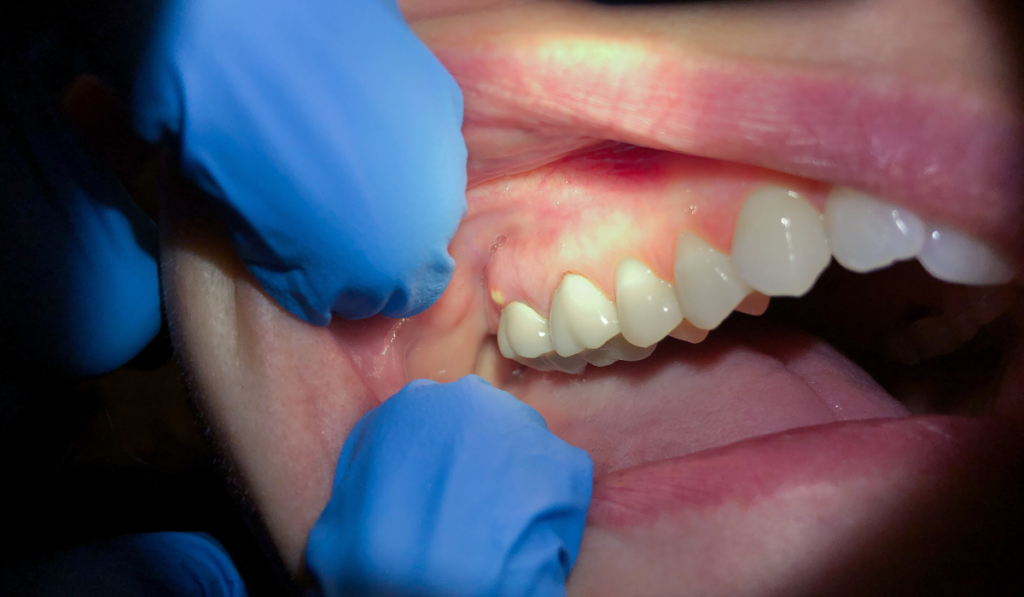
What is a tooth abscess? When should you see your dentist? How do you remove a spot from your tooth? In this blog, we will discuss possible dental treatments for tooth abscesses. A pus-filled pocket caused by a bacterial infection is an abscessed tooth. For various reasons, different areas around the tooth may develop an abscess near the tip of the root, a spot known as periapical form. An abscess known as a periodontal abscess, or “per-e-o-DON-tul,” forms in the gums next to a tooth root. There are specifics on periapical abscesses on this page. The most typical causes of periapical tooth abscesses include an accident, an untreated dental cavity, past dental procedures, and untreated dental cavities. An abscess may develop at the tip of the root as a result of the infection that follows irritation and swelling (inflammation). Dentists treat a tooth abscess by draining it and eliminating the infection. Your tooth could be saveable with a root canal procedure. But occasionally, it can be necessary to remove the tooth. Untreated dental abscesses can develop into serious, even fatal, problems. Symptoms Among the warning signs and symptoms of a tooth, the abscess is a severe, ongoing toothache that throbs and can radiate to your jawbone, neck, or ear; pain or discomfort in hot and cold environments; pain or discomfort from chewing or biting; a fever; swelling in your face, cheek, or neck that may make breathing or swallowing difficult; tender, swollen lymph nodes under your jaw or in your neck; a foul-smelling mouth; and a sudden. Prevention To stop a dental abscess, you must avoid tooth deterioration. Maintaining proper oral hygiene will help you avoid tooth decay. Fluoridated water should be consumed. Use fluoride toothpaste to brush your teeth for two minutes at least twice daily. Floss between your teeth every day with dental floss or a water flosser. Change your toothbrush every three to four months or as soon as the bristles start to tear. Consume nutritious foods, avoiding sugary foods and between-meal snacks. Schedule frequent checkups and deep cleanings with the dentist. Consider using an antiseptic or fluoride mouthwash to provide an additional layer of defense against tooth decay. When should you see your dentist? According to the general rule of thumb, you should see the dentist once every six months. According to studies, individuals in good health can visit the dentist once a year, while those with dental problems should go every three to four months. Your dentist may: Tap on your teeth while inspecting them and their region. Generally, a tooth with an abscess at the root is sensitive to pressure or touch. Suggest an X-ray. Finding an abscess in the painful tooth might be assisted by an X-ray. Your dentist may also utilize X-rays to establish whether the infection has progressed and resulted in abscesses in other locations. Suggest a CT scan. A CT scan may determine how nasty the infection is and whether it has spread to other parts of your neck. Dental Abscess | Symptoms and Treatment Treatment for Tooth Abscess Eradicating the infection is the aim of therapy. Your dentist may: • Incise the abscess to release the pus. The abscess is sliced open by the dentist, enabling the pus to drain. The dentist then uses salt water to clean the area (saline). Occasionally, a rubber drain is inserted to maintain drainage until the edema subsides. Complete a root canal. This may aid in clearing up the infection and preserving your tooth. Your dentist must drill into your tooth to drain the abscess and remove the damaged pulp. If the tooth is a back tooth, a crown may be placed to strengthen it. The tooth’s pulp chamber and root canals are then filled and sealed by the dentist. Your repaired tooth may last a lifetime with appropriate care. Remove the painful tooth. Your dentist will take the afflicted tooth if it cannot be salvaged and drain the abscess to eliminate the infection. Suggest antibiotics. It’s possible that you won’t require antibiotics if the illness is contained in the abscessed region. However, your dentist will probably recommend medications to stop the disease from spreading if it has already reached the surrounding teeth, jaw, or other areas. Your dentist may also recommend antibiotics if you have a weakened immune system. Other related blogs: Different Stages of Tooth Decay.

