
How Botox Can Help TMJ and Other Pain!

Introduction In recent years, Botox has gained popularity not only as a cosmetic treatment but also for its remarkable therapeutic applications. Botox Can Help TMJ Temporomandibular Joint (TMJ) disorder’s pain management. TMJ disorder is a condition that affects millions of people worldwide, causing jaw pain and discomfort. This article explores how Botox can help alleviate TMJ and other types of pain, relieving those suffering from these conditions. Understanding TMJ (Temporomandibular Joint) Disorder The temporomandibular joint acts as a sliding hinge, connecting your jawbone to your skull. It allows you to perform essential functions like chewing, speaking, and yawning. When this joint becomes damaged or inflamed, it can lead to TMJ disorder. The disorder often results from injury, arthritis, or excessive teeth grinding. Causes of TMJ Disorder TMJ disorder can have various causes, and its development is often influenced by factors such as: Trauma or Injury: One of the primary causes of TMJ disorder is trauma or injury to the jaw. Accidents falls, or any impact on the jaw region can disrupt the proper functioning of the temporomandibular joint. The trauma can lead to misalignment, damage to the joint structures, or inflammation, resulting in TMJ disorder. Adequate care and immediate medical attention are essential to prevent further complications. Bruxism (Teeth Grinding): Bruxism, or teeth grinding, is a common cause of TMJ disorder. It often occurs during sleep and is associated with stress, anxiety, or sleep disorders. The constant grinding and clenching of teeth exert excessive pressure on the jaw joint, leading to muscle tension, inflammation, and pain. Over time, untreated bruxism can worsen TMJ symptoms, making it vital to address the underlying cause and seek appropriate treatment. Arthritis: Arthritis, particularly osteoarthritis and rheumatoid arthritis, can affect the temporomandibular joint. In the case of TMJ disorder, the inflammation in the joint can cause pain, stiffness, and limited jaw movement. Managing arthritis through medication, physical therapy, and lifestyle changes can help alleviate TMJ symptoms in those affected. Symptoms of TMJ Disorder The symptoms of TMJ disorder can vary from mild to severe, and they may include: Jaw Pain: Jaw pain is one of the hallmark symptoms of TMJ disorder. The pain may be localized around the jaw joint or radiate to other face, neck, and shoulder areas. The intensity of the pain can range from mild discomfort to severe, making it challenging for individuals to eat, speak, or yawn comfortably. Difficulty in Chewing: People with TMJ disorder may experience difficulty chewing or even speaking. The pain and discomfort in the jaw joint make it challenging to open and close the mouth properly. As a result, individuals may avoid certain foods or modify their eating habits to minimize discomfort. Clicking or Popping Sounds: A common sign of TMJ disorder is the presence of clicking, popping, or grating sounds when moving the jaw. These sounds may occur during chewing or when opening and closing the mouth. The noises result from the misalignment or damage to the joint’s cartilage and can be accompanied by mild to moderate pain. Headaches and Earaches: TMJ disorder can lead to headaches and earaches, as the jaw joint is closely connected to the surrounding facial structures. The pain from the joint can radiate to the temples, forehead, and ears, causing headaches and ear discomfort. These symptoms can be mistaken for other medical conditions, leading to delayed diagnosis and treatment. How Botox Works Botox, short for Botulinum toxin, is a neurotoxic protein derived from the bacterium Clostridium botulinum. In cosmetic procedures, it is widely known for its ability to reduce the appearance of wrinkles by temporarily paralyzing facial muscles. However, its applications extend beyond aesthetics. Botox for TMJ Disorder Botox for TMJ disorder involves injecting small amounts of the toxin into the affected muscles around the jaw area. It works by blocking the release of acetylcholine, a neurotransmitter responsible for muscle contractions. By doing so, Botox effectively relaxes the muscles, relieving TMJ-related pain and tension. Benefits of Botox for TMJ and Other Pain Botox treatment for TMJ disorder offers several benefits: 1. Pain Relief Botox effectively reduces jaw pain and discomfort, allowing individuals to carry out their daily activities without hindrance. 2. Muscle Relaxation The muscle-relaxing properties of Botox help ease tension in the jaw, reducing bruxism-related issues and preventing further damage to the joint. 3. Non-Invasive Treatment Unlike surgical interventions, Botox injections are minimally invasive, making them a safer and more convenient option for many patients. The Procedure: What to Expect Before administering Botox injections, a qualified healthcare professional will thoroughly evaluate the appropriate dosage and injection sites. The procedure is relatively quick, typically taking 15 to 20 minutes. Patients may experience mild discomfort during the injections, but numbing cream can alleviate pain. Finding a Qualified Professional It is crucial to seek the services of a certified and experienced healthcare professional when considering Botox treatment for TMJ disorder. Proper training and expertise ensure safe and effective results. 82% of adults think that straight and bright teeth provide an advantage in life. Potential Side Effects While Botox is generally safe when administered by a skilled professional, some potential side effects may include: Pain Relief: One of the primary benefits of Botox treatment for TMJ disorder is its ability to provide adequate pain relief. TMJ disorder often causes persistent jaw pain and discomfort, making it challenging for individuals to carry out their daily activities. Botox works by blocking the release of acetylcholine, a neurotransmitter responsible for muscle contractions. Doing so temporarily paralyzes the targeted muscles around the jaw area, reducing muscle tension and alleviating pain. The relief provided by Botox injections allows individuals to experience improved jaw mobility and decreased discomfort. It enables them to eat, speak, and perform regular activities without constant pain. Moreover, pain relief from Botox can enhance the overall quality of life for those suffering from TMJ disorder, providing them with much-needed comfort and ease. Muscle Relaxation: Apart from its cosmetic applications, Botox is known for its muscle-relaxing properties. In the context of TMJ disorder, excessive
How to Overcome Bad Mouth Breath

Introduction We’ve all experienced it at some point – that embarrassing moment when you realize your breath isn’t as fresh as it should be. Lousy mouth breath, or halitosis, can be a bothersome issue affecting millions worldwide. Not only does it lead to discomfort and self-consciousness, but it can also be an indicator of underlying oral health problems. This article’ll explore the causes of bad breath and provide practical tips to overcome this common issue. Common Causes of Bad Breath Before we delve into the solutions, it’s essential to understand the typical culprits behind bad breath. Poor oral hygiene ranks as one of the primary reasons for halitosis. When we don’t brush and floss regularly, bacteria accumulate in our mouths, leading to foul odors. Additionally, particular food and drink choices, such as onions and coffee, can contribute to temporary bad breath. Smoking and tobacco use, besides being harmful to overall health, are notorious for causing unpleasant mouth odor. Furthermore, some medical conditions and medications can also result in halitosis. Tips for Maintaining Good Oral Hygiene To combat lousy breath effectively, start by adopting good oral hygiene practices. Brush your teeth at least twice a day using fluoride toothpaste and a soft-bristled toothbrush. Don’t forget to floss daily to remove food particles and plaque between your teeth. Many people overlook cleaning their tongues, which can harbor bacteria causing bad breath. Using a tongue scraper or brushing your tongue gently can make a significant difference. Incorporating mouthwash into your routine can also help eliminate bacteria and provide a refreshing feeling. Healthy Dietary Habits to Combat Bad Mouth Breath Maintaining fresh breath goes beyond just brushing and flossing; it also involves making conscious dietary choices. Your diet can play a significant role in combating bad breath and promoting overall oral health. Here are some healthy nutritional habits that can help keep your breath fresh and pleasant: 1. Stay Hydrated Drinking adequate water throughout the day is crucial for preventing dry mouth, a common cause of bad breath. When your mouth is dry, saliva production decreases, allowing bacteria to thrive and produce foul odors. Aim to drink at least 8 cups (64 ounces) of water daily to keep your mouth moist and hydrated. 2. Choose Breath-Friendly Foods Certain foods can naturally help freshen your breath. Foods like apples, carrots, and celery act as natural cleansers for your teeth. Their crisp texture stimulates saliva flow, which washes away bacteria and food particles, leaving your mouth feeling cleaner and smelling better. 3. Avoid Strong Odor-Causing Foods Some foods, like garlic and onions, are notorious for causing strong odors that linger in your mouth long after consumption. While these foods may offer various health benefits, be mindful of their impact on your breath, especially before social events or meetings. Opt for milder alternatives or use breath mints or sugarless gum to counteract the odor. 4. Embrace Probiotic Foods Probiotic-rich foods like yogurt and kefir contain beneficial bacteria to help balance the oral microbiome. A balanced oral microbiome contributes to better oral health and can reduce the presence of odor-causing bacteria in the mouth. 5. Limit Sugary Foods and Beverages Foods and drinks high in sugar can increase bacterial growth in the mouth, contributing to bad breath. Limit your consumption of sugary snacks, sodas, and sweet treats to reduce the risk of bad breath and tooth decay. 6. Incorporate Vitamin C-Rich Foods Vitamin C-rich foods, such as citrus fruits and berries, can boost saliva production and inhibit the growth of bacteria in the mouth. Including these fruits in your diet can help keep your breath fresher. 7. Quit Smoking and Tobacco Use Smoking stains your teeth, increases the risk of various health problems and leaves an unpleasant odor in your mouth. Quitting smoking is essential for overall well-being and will significantly improve your breath’s smell. Seek support from friends, family, or professional resources to help you successfully quit smoking. Identifying and Treating Medical Conditions If you consistently struggle with bad breath despite good oral hygiene practices, it’s essential to identify and address any underlying medical conditions. Gum disease, for instance, can lead to persistent bad breath, and seeking professional dental treatment can resolve the issue. Dry mouth is another common cause of halitosis, and there are specific products and lifestyle changes that can alleviate the symptoms. In some cases, sinus infections can also contribute to bad breath, and proper medical treatment will be necessary. The Role of Regular Dental Check-ups Regular visits to your dentist are crucial in maintaining good oral health and addressing lousy breath concerns. Professional dental cleanings can remove stubborn plaque and tartar, improving your breath’s freshness. Additionally, dentists can identify early signs of dental problems and recommend suitable treatments. 97% of adults in the United States value oral health. 95% agree that regularly visiting the dentist will keep them healthy, and 85% feel they should visit the dentist every six months. Natural Remedies for Bad Mouth Breath In addition to conventional methods, several natural remedies can help combat bad breath. Herbs like mint, parsley, and fennel have natural breath-freshening properties. Chewing sugarless gum can also increase saliva production, which helps wash away bacteria and food particles. The Psychological Impact of Bad Mouth Breath Dealing with bad breath can take a toll on your confidence and self-esteem. If you’ve experienced social anxiety or hesitancy due to halitosis, remember that you’re not alone. Addressing the issue with proper oral care and seeking professional help can boost your confidence and improve social interactions. Practical Tips for Fresh Breath All Day Maintaining fresh breath throughout the day requires some additional steps. Staying hydrated is vital, as drinking water helps rinse away bacteria. Carrying breath-friendly snacks like apples or sugar-free mints can be handy, especially when you’re on the go. FAQs Q: What causes morning breath, and how can I prevent it? A: Morning breath is commonly caused by reduced saliva flow during sleep, allowing bacteria to flourish. To prevent it, maintain good oral hygiene before
How do I Tell about My Unhealthy Teeth?
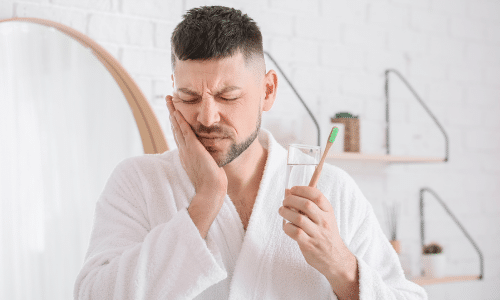
Introduction Taking care of our oral health is essential for our overall well-being. Our teeth play a crucial role in our daily lives, allowing us to bite, chew, and speak properly. However, it can sometimes be challenging to determine if our teeth are unhealthy, especially when problems may not be immediately visible or noticeable. This comprehensive guide will explore various signs and symptoms that indicate unhealthy teeth and provide valuable tips and information on maintaining good oral hygiene. The Importance of Healthy Teeth Before delving into the signs of unhealthy teeth, let’s take a moment to understand why maintaining good oral health is crucial. Healthy teeth contribute to an attractive smile and significantly affect our overall health. Neglected oral hygiene can lead to various dental issues, including tooth decay, gum disease, bad breath, and even tooth loss. Poor oral health is also linked to systemic health problems such as cardiovascular disease and diabetes. Therefore, paying attention to our teeth and taking appropriate measures to keep them healthy is imperative. Signs of Unhealthy Teeth Tooth Sensitivity Tooth sensitivity is a common indication of dental problems. If you experience pain or discomfort when consuming hot or cold foods and beverages could be a sign that your teeth are unhealthy. Sensitivity may be caused by various factors, including enamel erosion, tooth decay, or exposed tooth roots. It is advisable to consult a dentist if you consistently experience tooth sensitivity. By age 8, over half of children (52%) have had a cavity in their primary (baby) teeth. Children from low-income families are twice as likely to have cavities as children from higher-income families. 1 in 4 adults aged 20 to 64 currently has holes. Source Tooth Discoloration Discolored teeth can be an indicator of poor oral health. Stains on the teeth may be caused by external factors like consuming staining substances such as coffee, tea, or tobacco, or they may result from internal issues like tooth decay or certain medications. Professional teeth whitening treatments or dental procedures may be necessary to restore the natural color of your teeth. Persistent Bad Breath Bad breath, medically known as halitosis, can be embarrassing and may indicate underlying oral health problems. While occasional bad breath is common, persistent and foul-smelling breath could be a sign of gum disease, cavities, or an infection in the mouth. Proper oral hygiene, including regular brushing, flossing, and tongue cleaning, can help combat bad breath. If the problem persists, it is advisable to seek professional dental advice. Gum Problems Unhealthy gums often manifest in various ways. It could indicate gum disease if you notice symptoms such as redness, swelling, tenderness, or bleeding while brushing or flossing. Gingivitis, the early stage of gum disease, is reversible with proper oral care. However, if left untreated, it can progress to periodontitis, a more severe condition leading to tooth loss. Regular dental check-ups and diligent oral hygiene are essential to prevent and treat gum problems. Loose or Missing Teeth One of the most apparent signs of unhealthy teeth is loose or missing teeth. Tooth loss can occur due to severe tooth decay, gum disease, or dental trauma. If you notice any looseness or gaps in your teeth, it is crucial to consult a dentist promptly. Early intervention can prevent further tooth loss and help restore your oral health. Jaw Pain or TMJ Disorders If you experience recurring jaw pain, clicking or popping sounds when opening or closing your mouth, or difficulty in jaw movement, it may indicate temporomandibular joint (TMJ) disorders. These disorders affect the jaw joint and surrounding muscles. TMJ disorders can be caused by various factors, including teeth grinding, jaw misalignment, or arthritis. Seeking professional dental care can help diagnose and manage these conditions. Dental Abscesses Dental abscesses are pockets of pus that form due to bacterial infection in the teeth or gums. They can cause severe pain, swelling, and a bitter taste in the mouth. Abscesses can lead to complications if left untreated and may even require tooth extraction. Immediate dental attention is necessary to treat dental abscesses and prevent further infection. Headaches and Facial Pain Surprisingly, headaches and facial pain can sometimes be linked to dental problems. Toothaches, infected gums, or misaligned jaws can contribute to persistent headaches or facial pain. If you experience such symptoms without an apparent cause, it is advisable to consult a dentist to rule out any dental issues contributing to your discomfort. Tips for Maintaining Healthy Teeth Brush your teeth at least twice a day using fluoride toothpaste. Floss daily to remove plaque and food particles from between your teeth. Use a mouthwash to rinse your mouth and kill bacteria. Limit your consumption of sugary and acidic foods and beverages. Avoid tobacco products, as they can stain teeth and increase the risk of oral health problems. Visit your dentist regularly for check-ups and professional cleanings. Wear a mouthguard during sports activities to protect your teeth from injury. Practice stress management techniques to reduce teeth grinding or clenching. Frequently Asked Questions (FAQs) Q: How often should I visit the dentist for Unhealthy Teeth? Visiting the dentist every six months is recommended for routine check-ups and cleanings. Regular dental visits help detect and prevent potential problems before they become more serious. Q: Are my teeth unhealthy and affect my overall health? Yes, unhealthy teeth can have an impact on your overall health. Poor oral health has been associated with various systemic conditions, including cardiovascular disease, diabetes, and respiratory infections. Q: What can I do to improve my oral hygiene? To improve your oral hygiene, ensure you brush your teeth at least twice a day, floss daily, use mouthwash, eat a balanced diet, and avoid tobacco products. Additionally, regular dental check-ups are crucial for maintaining good oral health. Q: Are home remedies effective for treating dental problems? While home remedies may temporarily relieve some dental issues, consulting a dentist for a proper diagnosis and appropriate treatment is essential. Dentists have the expertise and tools to address dental problems effectively.
How to Determine If You Need a Root Canal Treatment

Introduction Root canal treatment is a dental procedure to alleviate severe tooth pain and save a damaged or infected tooth. It involves removing the infected pulp from the tooth’s interior and sealing it to prevent further damage. However, determining whether you require a root canal treatment can be challenging without professional guidance. This article will explore the signs, symptoms, and diagnostic methods dentists use to determine if a root canal treatment is necessary. Prevalence of Root Canal Treatment: Root canal treatment is a standard dental procedure, with millions of root canals performed worldwide each year. According to the American Association of Endodontists, dentists in the United States alone perform approximately 15 million root canal treatments annually. Understanding the Anatomy of a Tooth To comprehend the need for a root canal treatment, it’s essential to understand the structure of a tooth. The outer layer, called the enamel, covers the dentin, which surrounds the tooth’s pulp. The pulp contains nerves, blood vessels, and connective tissues. When the pulp becomes inflamed or infected, it can lead to severe pain and potential tooth loss if left untreated. Common Signs and Symptoms Several signs and symptoms indicate the need for a root canal treatment. While only a professional dentist can provide a definitive diagnosis, these indicators can help you identify potential problems: a. Persistent Toothache: Intense, lingering tooth pain, especially when chewing or applying pressure, may indicate an infected tooth pulp. b. Sensitivity to Temperature Changes: If consuming hot or cold food and drinks causes sharp, prolonged sensitivity, it could indicate pulp inflammation or infection. c. Gum Swelling and Tenderness: Swollen or tender gums near the affected tooth can indicate an underlying infection. d. Discoloration and Darkening: Discoloration or darkening of the tooth may indicate that the pulp inside is compromised. e. Persistent Pimple on the Gums: A small pimple-like bump on the gums near the affected tooth can indicate a dental abscess requiring immediate attention. Additional Indicators Apart from the typical signs mentioned above, there are other indications that you may require a root canal treatment: a. Cracked or Chipped Tooth: If a tooth is fractured, cracked, or chipped, it can expose the pulp to bacteria, leading to infection and inflammation. b. Lingering Sensitivity: Prolonged sensitivity to sweet or acidic foods and beverages may indicate the need for a root canal. c. Loose Tooth: A loose tooth, especially without trauma, can suggest underlying root damage and infection. d. Bad Taste or Odor: An unpleasant taste or odor from the affected tooth can indicate an infection. Diagnostic Methods To confirm the need for a root canal treatment, your dentist will perform various diagnostic procedures, including: a. Dental Examination: A thorough examination of your teeth, gums, and oral tissues will help identify any visible signs of infection or damage. b. X-rays: Dental X-rays provide a detailed view of the tooth’s roots and surrounding structures, enabling the dentist to identify signs of infection or decay. c. Pulp Testing: Pulp vitality tests, such as hot and cold sensitivity tests, electric pulp testing, or laser Doppler flowmetry, can help determine the health of the tooth’s pulp. d. Percussion Testing: The dentist can assess pain or discomfort by tapping the tooth, indicating pulp inflammation or infection. Risk Factors for Root Canal Treatment Certain factors increase the likelihood of needing a root canal treatment. Discussing these risk factors can help readers understand the importance of proactive dental care. a. Deep Tooth Decay: Extensive tooth decay that reaches the pulp increases the chances of pulp infection and the need for a root canal. b. Dental Trauma: Teeth with significant trauma, such as fractures or dislodgment, are susceptible to pulp damage and infection. c. Previous Dental Procedures: Teeth that have undergone multiple dental procedures, such as fillings or crowns, may develop complications over time, leading to root canal treatment. d. Dental Abscess: An untreated dental abscess, a pocket of pus caused by an infection, may require root canal therapy to eliminate the disease and save the tooth. Importance of Timely Treatment Promptly addressing the need for a root canal treatment is vital to prevent further complications. This section highlights the potential consequences of delaying treatment, emphasizing the significance of timely intervention. a. Spread of Infection: An untreated infected tooth can allow the infection to spread to neighboring teeth, gums, and even the jawbone, leading to more extensive oral health issues. b. Abscess Formation: Prolonged infection can result in the development of a dental abscess, a painful condition that requires immediate attention and treatment. c. Tooth Loss: If left untreated, an infected tooth may eventually require extraction, leading to the loss of a natural tooth and the need for more invasive dental procedures, such as dental implants or bridges. The World Health Organization (WHO) estimates that nearly 100% of adults worldwide have experienced dental cavities at some point in their lives, increasing the likelihood of needing root canal treatment. Alternatives to Root Canal Treatment Sometimes, alternative treatment options may be available depending on the specific dental condition. This section provides an overview of alternative treatments that may be considered. a. Antibiotics and Pain Management: For mild cases of tooth infection or inflammation, antibiotics and pain management medication may be prescribed to alleviate symptoms temporarily. b. Tooth Extraction: In situations where the tooth is severely damaged, or the infection is too advanced, extraction may be necessary. The extracted tooth can be replaced with a dental implant, bridge, or partial denture. c. Pulp Capping: In some instances where the infection has not reached the tooth’s pulp, a dental procedure called pulp capping may be performed to preserve the vitality of the tooth without the need for a root canal treatment. Conclusion Recognizing the signs and symptoms that may indicate the need for a root canal is crucial for seeking timely dental intervention. Persistent tooth pain, sensitivity, gum swelling, discoloration, and a pimple on the gums are all potential indicators of infected tooth pulp. Additionally, cracked teeth, loose teeth, lingering sensitivity, and bad taste
Why Are Some Patients Afraid of The Dentist
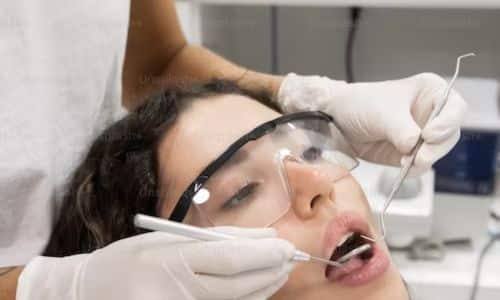
Fear and anxiety associated with dental visits are shared among many patients. For some individuals, sitting in a dentist’s chair can evoke intense dread, leading them to avoid necessary dental care. This fear often stems from various factors, including past negative experiences, fear of pain, loss of control, and the general perception of dental procedures. Understanding the underlying reasons behind dental anxiety is crucial for patients and dental professionals to develop effective strategies to alleviate these fears and ensure optimal oral health. This article explores why some patients fear the dentist and offer insights into managing dental anxiety. Previous Negative Experiences: One of the primary reasons patients develop dental anxiety is through past negative experiences. These experiences may involve painful treatments, insensitive dental professionals, or a lack of understanding and communication. Such encounters can leave a lasting impact, triggering a fear response during subsequent dental visits. Fear of Pain: Fear of pain is common for individuals who avoid dental visits. Anticipating discomfort, whether real or perceived, can intensify anxiety levels. Past painful experiences or stories from others can contribute to developing this fear, leading patients to postpone or cancel appointments, and resulting in potential oral health complications. Loss of Control: A sense of loss of control is another significant factor contributing to dental anxiety. Sitting in a dental chair, feeling vulnerable with tools and instruments inside the mouth, can trigger feelings of helplessness. Patients may fear being unable to communicate their discomfort or take breaks during procedures, adding to the overall apprehension. Fear of Judgement or Embarrassment: Some patients are anxious about the condition of their teeth and fear being judged or embarrassed by dental professionals. They may feel self-conscious about the appearance of their teeth, bad breath, or potential dental issues resulting from neglect. This fear can prevent individuals from seeking dental care, further exacerbating their oral health problems. Dental Phobia: In severe cases, individuals may experience an intense and irrational fear of dental visits. Dental phobia can be rooted in deep-seated anxieties, often stemming from traumatic experiences, such as dental accidents, invasive procedures, or a specific trigger associated with dental care. Patients with dental phobia may exhibit extreme distress, panic attacks, or even physical symptoms like sweating and trembling at the thought of a dental appointment. Sensory Overload: Dental environments can be overwhelming for some patients due to sensory stimuli. The sound of dental drills, the smell of antiseptic materials, or the bright lights can contribute to heightened anxiety. Individuals sensitive to sensory input may find it challenging to cope with these stimuli, further amplifying their fear and discomfort. Lack of Trust or Communication: Establishing trust and effective communication between dental professionals and patients is essential to overcoming dental anxiety. Some patients may have had negative experiences where they felt unheard or misunderstood by their dentists. A lack of clear and empathetic communication can exacerbate anxiety, making patients reluctant to voice their concerns or ask questions during appointments. Between 2023 and 2027, the revenue growth in the mouth care area of the beauty and personal care market in the United States was expected to slow by 1.4 percentage points. This general drop doesn’t always happen, especially not in 2027. In 2027, it is expected that the growth in sales will be 2.51 percent. source Managing Dental Anxiety: Open Communication: Dentists should encourage open and honest communication with their patients, allowing them to express their fears and concerns. Taking the time to listen actively and address any questions or uncertainties can help alleviate anxiety. Education and Information: Providing patients with detailed information about dental procedures, including the steps involved, potential sensations, and anesthesia or sedation, can help demystify the process. Knowledge empowers patients and reduces anxiety associated with the unknown. Relaxation Techniques: Incorporating relaxation techniques such as deep breathing exercises, mindfulness, or calming music during dental visits can help patients manage anxiety and promote a sense of control and relaxation. Gradual Exposure: An incremental exposure approach may be helpful for patients with severe dental anxiety or phobia. This involves gradually introducing them to dental environments, starting with simple and non-invasive procedures and progressing at a comfortable pace for the patient. Sedation Dentistry: In some instances, dentists may consider sedation dentistry to help alleviate anxiety. Options such as nitrous oxide (laughing gas), oral sedatives, or intravenous sedation can induce relaxation and minimize discomfort during dental procedures. Cognitive-Behavioral Therapy (CBT): CBT techniques can assist patients in reframing negative thoughts and emotions associated with dental visits. By working with a therapist, individuals can learn coping strategies to manage anxiety and gradually overcome their fear of the dentist. Conclusion: Dental anxiety is a prevalent issue that affects many patients and can have severe consequences for their oral health. Understanding the reasons behind this fear is essential for dental professionals to provide appropriate support and care. By fostering trust, open communication, and utilizing various anxiety management techniques, dentists can help patients overcome their fear and ensure regular dental visits, improving oral health and overall well-being.
What to Expect During a Veneer Placement Procedure
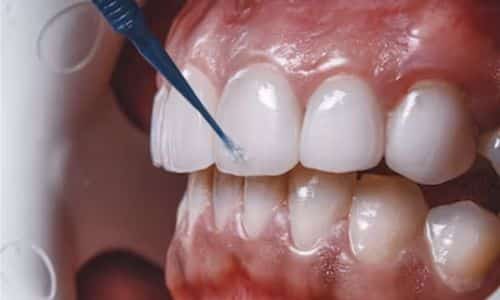
Dental veneers are an excellent solution for enhancing your smile and restoring the appearance of your teeth. If you’re considering veneers, it’s essential to understand the procedure and what to expect throughout the process. This article will guide you through each step of a veneer placement procedure, from Preparation to post-placement care. By the end, you’ll have a comprehensive understanding of the process, allowing you to make an informed decision about pursuing dental veneers. Introduction A captivating smile can significantly impact your confidence and overall self-esteem. Dental veneers offer a way to transform your teeth and achieve a stunning smile. During a veneer placement procedure, thin porcelain shells are bonded to the front surface of your teeth, improving their shape, color, and alignment. Let’s delve into what you can expect during this transformative dental treatment. Understanding Dental Veneers Before diving into the procedure, it’s crucial to understand what dental veneers are and their purpose. Dental veneers are custom-made shells, usually made from porcelain, that are crafted to match the shape, size, and color of your natural teeth. They are permanently bonded to the front of your teeth, providing an aesthetically pleasing appearance. Veneers can address various cosmetic concerns, such as discoloration, chipped or cracked teeth, gaps, and minor misalignments. Preparation for Veneer Placement The first step in the veneer placement process is an initial consultation with your dentist. During this appointment, your dentist will evaluate your oral health, discuss your goals, and determine if veneers suit you. If you’re a good candidate, the following steps involve planning and Preparation. Administering Local Anesthesia Your dentist will administer local anesthesia to ensure your comfort throughout the procedure. This will numb the treated area, alleviating any potential pain or discomfort. Tooth Preparation To create space for the veneers, a small amount of enamel is removed from the front surface of the teeth receiving the veneers. This step is necessary to ensure a seamless fit and natural-looking results. Taking Impressions After tooth preparation, your dentist will take impressions of your teeth. These impressions will serve as a guide for the dental laboratory to fabricate your custom veneers. The images capture the unique contours of your teeth, ensuring a precise and personalized fit. Temporary Veneers While your permanent veneers are being crafted, your dentist may place temporary veneers to protect your prepared teeth. These temporary veneers are designed to provide aesthetics and protection until your final veneers are ready. Laboratory Fabrication The impressions of your teeth are sent to a dental laboratory, where skilled technicians will craft your custom veneers. The fabrication process typically takes a few weeks, during which the surfaces are meticulously designed to meet your desired specifications. Final Veneer Placement Once your custom veneers are ready, you’ll return to your dentist’s office for the final placement. Your dentist will carefully evaluate the veneers’ fit, color, and shape to ensure they blend seamlessly with your natural teeth. Evaluating the Fit Before permanently bonding the veneers, your dentist will place them temporarily on your teeth to evaluate their fit and appearance. This step allows for any necessary adjustments to be made before the final bonding process. Bonding the Veneers Once the fit is confirmed, your dentist will clean, polish, and etch the surface of your teeth to create an optimal bonding environment. A specialized dental adhesive is applied to the veneers, then firmly placed onto your teeth. A curing light activates the glue, ensuring a solid bond. Finishing Touches After the veneers are bonded, your dentist will make final adjustments to ensure proper alignment and bite. Excess material is carefully removed, and the surfaces are polished, giving them a natural shine. Post-Placement Care Following the veneer placement procedure, it’s essential to maintain proper oral hygiene. Brushing and flossing regularly, along with regular dental check-ups, will help prolong the lifespan of your veneers. Avoiding excessive biting or chewing on complex objects can also prevent damage. Common Concerns and Side Effects While veneers are generally safe and effective, it’s essential to be aware of potential concerns and side effects. Temporary tooth sensitivity, gum sensitivity, and slight discomfort are expected after the procedure but should subside within a few days. It’s crucial to communicate any persistent or concerning symptoms to your dentist. Conclusion Dental veneers offer a reliable solution for achieving the smile you’ve always desired, from the initial consultation to the final placement and post-placement care. A veneer placement procedure can transform your smile and boost your confidence. Understanding each step of the process is essential in making an informed decision.
Overcome Dental Anxiety: A Step Towards Optimal Oral Health

Dental anxiety is a common fear experienced by numerous individuals when visiting the dentist. This apprehension can stem from various factors, such as the fear of pain, discomfort, or past negative experiences. However, addressing and overcoming these anxieties is crucial for optimal oral health. This article will explore how to overcome dental anxiety and practical strategies to conquer this fear, allowing individuals to receive the dental care they need confidently and efficiently. Understanding Dental Anxiety Dental anxiety is a psychological condition that causes intense fear and apprehension when facing dental appointments or procedures. The reasons behind this anxiety can be multifaceted, ranging from fear of needles and dental drills to concerns about potential judgment or embarrassment. Let’s examine some of the common factors contributing to dental anxiety: 1. Fear of Pain and Discomfort One of the primary reasons individuals fear visiting the dentist is the anticipation of pain and discomfort. The perception of dental procedures as painful can be deeply ingrained, often fueled by negative portrayals in popular media. It is crucial to note that advancements in dental technology and anesthesia have significantly reduced pain during procedures. Dentists prioritize patient comfort and work diligently to ensure minimal discomfort. 2. Previous Negative Experiences Adverse experiences during past dental visits can leave a lasting impact on an individual’s perception of dental care. Painful procedures, inadequate communication, or feeling rushed or unheard can contribute to dental anxiety. However, it is essential to recognize that every dental professional is committed to patient well-being and strives to provide a positive experience during each visit. 3. Feeling of Helplessness and Lack of Control Sitting in the dental chair, individuals often experience a sense of helplessness and lack of control over their bodies. This loss of power can be anxiety-inducing, especially for those who prefer to be in charge of their well-being. Dentists understand these concerns and encourage open communication with their patients, allowing individuals to voice their fears and seek reassurance. Overcoming Dental Anxiety While dental anxiety may seem daunting, there are effective strategies that individuals can employ to conquer their fears and make their dental visits more comfortable. By adopting the following techniques, patients can take control of their dental health: 1. Openly Communicate with Your Dentist Establishing clear and open communication with your dentist is paramount in overcoming dental anxiety. Inform them about your fears and concerns, allowing them to tailor the treatment plan and approach to your specific needs. A compassionate dentist will take the time to listen, address your worries, and offer suitable solutions to alleviate anxiety. 2. Choose a Supportive Dental Practice Seeking out a dental practice known for its patient-centric approach can make a difference for individuals with dental anxiety. Look for a dentist and dental team that prioritize patient comfort, actively creates a relaxing environment, and employs distraction or relaxation techniques to ease stress. 3. Gradual Exposure and Desensitization For individuals with severe dental anxiety, a step-by-step approach known as gradual exposure can be highly effective. This technique involves starting with minor dental procedures and gradually progressing to more complex treatments, allowing patients to build confidence and trust over time. 4. Distraction and Relaxation Techniques Relaxation techniques, such as deep breathing exercises, guided imagery, or calming music, can help alleviate anxiety during dental appointments. Dentists often provide distractions like TV shows, movies, or virtual reality headsets to divert patients’ attention and create a more comfortable experience. 5. Sedation Dentistry Dentists may sometimes recommend sedation dentistry for patients with severe dental anxiety. Sedation techniques, such as nitrous oxide (laughing gas), oral sedatives, or intravenous sedation, can induce relaxation, ensuring patients receive the necessary dental care while feeling calm and at ease. Conclusion Dental anxiety should not hinder individuals from seeking proper dental care. Individuals can overcome their fears and prioritize their oral health by understanding the root causes of dental anxiety and employing effective strategies, such as open communication, gradual exposure, and relaxation techniques. Remember, dentists are dedicated to providing exceptional care and ensuring patient comfort. Take the first step towards conquering dental anxiety and confidently embrace a healthy smile.
Porcelain vs. Composite Veneers: Which is Best?
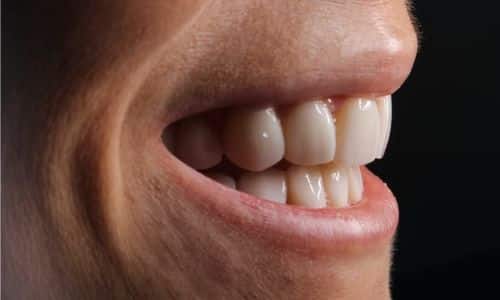
When it comes to transforming your smile, veneers offer an excellent solution. Veneers are thin shells bonded to the front surface of your teeth, improving their appearance and giving you a flawless smile. Two common types of veneers are porcelain veneers and composite veneers. This article will explore the differences between porcelain vs. composite veneers and determine your best option. What are Porcelain Veneers? Porcelain veneers are thin, custom-made shells created from high-quality dental porcelain. These veneers are fabricated in a dental laboratory and bonded to the teeth using a strong adhesive. Porcelain veneers are known for their durability and natural-looking appearance. Advantages of Porcelain Veneers Porcelain veneers offer several advantages, making them famous for smile makeovers. Here are some of the key benefits: Natural appearance: Porcelain veneers closely resemble natural teeth thanks to their translucent quality and ability to reflect light. Stain resistance: Porcelain is highly resistant to stains from coffee, tea, wine, and other common stain-causing substances, keeping your smile bright and beautiful. Longevity: With proper care, porcelain veneers can last 10 to 15 years or even longer, providing a long-lasting solution for your smile enhancement. Disadvantages of Porcelain Veneers While porcelain veneers have numerous advantages, they also have a few drawbacks to consider: Cost: Porcelain veneers are more expensive than composite veneers, mainly due to the materials used and the specialized laboratory fabrication process. Irreversibility: Applying porcelain veneers involves removing a thin enamel layer from the teeth. Once this is done, the procedure is irreversible, as the teeth will always require a surface or dental restoration to maintain their appearance. What are Composite Veneers? Composite veneers, or composite bonding, are made from a tooth-colored resin material directly applied and sculpted onto the teeth. Unlike porcelain veneers, the dentist creates composite veneers chairside, making them a quicker and more cost-effective option. Advantages of Composite Veneers Composite veneers offer advantages that may make them suitable for specific individuals. Here are some of the benefits: Affordability: Composite veneers are generally more affordable than porcelain veneers, making them a budget-friendly option for smile makeovers. Versatility: Since composite veneers are applied directly to the teeth, they offer greater flexibility in shaping and color matching, allowing for more customized results. Reversibility: Unlike porcelain veneers, composite veneers are reversible, as they can be removed and replaced without significant modifications to the underlying teeth. Disadvantages of Composite Veneers While composite veneers have their advantages, there are a few downsides to consider as well: Durability: Composite veneers are generally less durable than porcelain veneers and may require more frequent repairs or replacements. Stain susceptibility: Composite veneers are more prone to staining than porcelain veneers. However, regular dental hygiene practices and avoiding excessive consumption of staining substances can help mitigate this issue. 8 types Of Veneers Explained: All The Materials, Pros, Cons, Durabilities Porcelain vs. Composite Veneers: A Comparison To determine which type of veneer is best for you, let’s compare porcelain and composite veneers across various aspects: Durability Porcelain veneers are highly durable and can withstand normal biting and chewing forces. They are resistant to chipping and cracking, making them a durable option. On the other hand, composite veneers are more susceptible to wear and tear, and they may need repairs or replacements more frequently. Aesthetics Both porcelain and composite veneers can significantly enhance the appearance of your smile, but porcelain veneers have an edge when it comes to aesthetics. Their ability to mimic real teeth’ natural translucency and light-reflecting properties results in a more realistic and lifelike smile. Cost In terms of cost, composite veneers are generally more affordable compared to porcelain veneers. If budget is a significant consideration for you, composite veneers can provide a cost-effective solution for smile enhancement. Application Process The application process for porcelain and composite veneers differs significantly. Porcelain veneers require multiple dental visits, as they are fabricated in a dental laboratory. Composite veneers, on the other hand, can be applied directly to the teeth in a single visit. Maintenance and Longevity Porcelain veneers are relatively low-maintenance, requiring regular oral hygiene practices such as brushing, flossing, and regular dental check-ups. With proper care, they can last for over a decade. Composite veneers may require more frequent repairs or replacements due to their susceptibility to wear and staining. Repairability In the event of damage or wear, porcelain veneers are more challenging to repair, often requiring the replacement of the entire surface. On the other hand, composite veneers can be repaired or modified more efficiently without the need for complete replacement. Stain Resistance Porcelain veneers are highly stain-resistant, thanks to the smooth and non-porous nature of the porcelain material. Composite veneers, although more susceptible to staining, can maintain their appearance with regular dental hygiene practices and avoid excessive consumption of staining substances. Sensitivity Porcelain veneers are less likely to cause tooth sensitivity compared to composite veneers. The porcelain material provides a protective layer that reduces the sensitivity of the underlying tooth structure. Conclusion In conclusion, weighing each option’s advantages and disadvantages is essential when considering porcelain vs. composite veneers. Porcelain veneers are known for their natural appearance, stain resistance, and longevity. They offer a durable and aesthetically pleasing solution for smile makeovers. However, they can be more expensive and irreversible due to the enamel removal process. On the other hand, composite veneers are more affordable and offer greater flexibility in terms of shaping and color matching. They are a reversible option and can be repaired or modified more easily. However, they may be less durable, more susceptible to staining, and require frequent maintenance. Choosing between porcelain vs. composite veneers will ultimately depend on your specific needs, budget, and desired outcome. Consulting with a skilled dentist who can evaluate your oral health, discuss your goals, and provide personalized recommendations is crucial. Remember, both types of veneers can significantly enhance your smile and improve your confidence. Whether you choose porcelain or composite veneers, the result can be a beautiful, transformed smile you can proudly show off.
Questions to Ask Before Getting a Root Canal
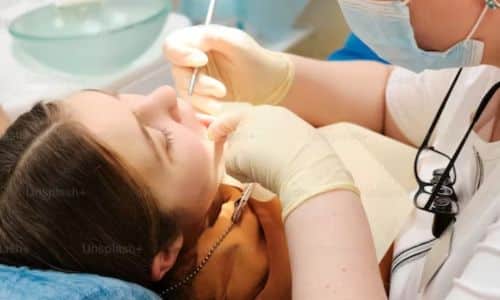
Welcome to our comprehensive guide on questions to ask before getting a root canal. Considering this dental procedure, it’s essential to be well-informed and prepared. A root canal is a standard dental treatment that involves removing infected pulp from the root canal system of a tooth, relieving pain, and preserving the natural tooth. This article will provide a list of essential questions to ask your dentist before a root canal, ensuring you have all the necessary information to make an informed decision about your dental health. Why Do I Need a Root Canal? Before diving into the questions, it’s crucial to understand why a root canal may be necessary. A root canal becomes necessary when the pulp, the soft tissue inside the tooth, becomes infected or inflamed. This can happen due to deep decay, repeated dental procedures, or trauma to the tooth. The infection can lead to severe pain, abscesses, and potential tooth loss if left untreated. A root canal alleviates pain, saves the tooth, and prevents further complications. Questions to Ask Before Getting a Root Canal 1. What are the Alternatives to a Root Canal? Exploring all possible options before proceeding with a root canal is essential. Ask your dentist about any viable alternatives, such as tooth extraction or other dental treatments, to ensure you make an informed decision. 2. How Many Visits Will the Root Canal Procedure Require? Understanding the treatment timeline is essential for planning purposes. Ask your dentist how many visits will be required to complete the root canal procedure, as this can vary depending on the complexity of your case. 3. What Type of Anaesthesia Will be Used? Discuss with your dentist the type of anesthesia administered during the procedure. Will it be a local anesthetic to numb the area, or will you require sedation dentistry for a more comfortable experience? 4. Is the Root Canal Procedure Painful? While the idea of a root canal may seem intimidating, advancements in dental technology have made the procedure much more comfortable. Ask your dentist about the level of pain or discomfort you can expect during and after the root canal. 5. How Successful are Root Canals? Root canals have a high success rate, but it’s still important to understand the potential risks and long-term prognosis. Discuss with your dentist the success rate of root canals and any factors that may affect the outcome in your specific case. 6. What Should I Expect During Recovery? Recovery after a root canal is typically straightforward, but it’s essential to understand what to expect clearly. Ask your dentist about any post-operative instructions, medication, or dietary restrictions that you should follow to ensure a smooth recovery. 7. Will I Need a Dental Crown After the Root Canal? A dental crown is often recommended after a root canal to protect and strengthen the tooth. Ask your dentist whether you need a crown and what materials are available, such as porcelain or metal, to make an informed choice. 8. What are the Potential Complications of a Root Canal? While complications are rare, being aware of potential risks is essential. Ask your dentist about possible complications, such as infections or nerve damage, and how they would be addressed if they were to occur. 9. Are There Any Precautions I Should Take Before the Procedure? Preparing for a root canal involves taking certain precautions. Ask your dentist about specific instructions, such as fasting before the procedure or adjusting your medication routine. 10. What is the Cost of a Root Canal? Cost is an essential consideration for any dental procedure. Discuss the cost of the root canal with your dentist, including any additional expenses for crowns or other associated treatments. It’s also worth inquiring about available payment options or dental insurance coverage. 11. Can I See Before and After Photos of Previous Patients? Visual examples of previous root canal cases can help you understand the potential outcome of your procedure. Ask your dentist if they have any before and after photos that they can share with you. 12. What Are the Long-Term Care Recommendations for the Treated Tooth? After a root canal, it’s crucial to maintain proper oral hygiene and follow specific care instructions. Please inquire about the long-term care recommendations for the treated tooth to ensure its longevity. 13. Are There Any Restrictions After the Procedure? Specific activities may need to be avoided temporarily after a root canal. Ask your dentist about any restrictions on eating, drinking, or physical exertion to aid in your recovery. 14. Can I Get a Second Opinion? Don’t hesitate to seek a second opinion if you have doubts or concerns about the need for a root canal or the proposed treatment plan. Discuss with your dentist the option of getting a second opinion to ensure you are confident in your decision. 15. How Can I Prevent the Need for Future Root Canals? Taking preventive measures can help reduce the likelihood of needing future root canals. Ask your dentist about oral hygiene practices, dietary recommendations, and any other preventative measures you can take to maintain good dental health. Will a root canal procedure be painful? Your dentist will administer local anesthesia during the root canal procedure to ensure you feel minimal pain. After the process, you may experience discomfort, which can usually be managed with over-the-counter pain relievers. How long does a root canal procedure take? The length of a root canal procedure can vary depending on the tooth’s complexity and the severity of the infection. On average, a root canal can be completed in one to two dental visits, each lasting between 60 to 90 minutes. Are there any risks associated with a root canal? Root canals are generally safe procedures. However, there is a slight risk of infection, damage to surrounding teeth, or incomplete removal of the infected pulp. Your dentist will take all necessary precautions to minimize these risks. How soon can I return to normal activities after a root canal? Recovery after a root canal is typically
The Benefits of Veneers: What Can They Do for Your Smile?
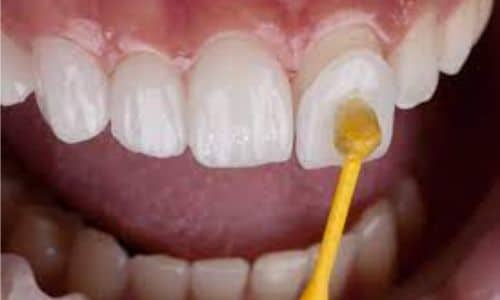
Are you unhappy with your smile? Do you have chipped, stained, or misshapen teeth? If so, veneers may be the solution for you. Veneers are thin, custom-made shells placed on the teeth’ front surface to improve their appearance. In this article, we will discuss the benefits of veneers and what they can do for your smile. What Are Veneers? Veneers are thin shells made of either porcelain or composite resin that are custom-made to fit your teeth. They are designed to cover the front surface of your teeth to improve their appearance. Veneers can be used to correct a variety of dental issues, including: Stained or discolored teeth Chipped or cracked teeth Misshapen or uneven teeth Gaps between teeth Teeth that are too small or too large How Are Veneers Applied? Before veneers are applied, your dentist will prepare your teeth by removing a small amount of enamel from the front surface of each tooth. This ensures that the masks will fit properly and look natural. Once the teeth are prepared, your dentist will take impressions of your teeth to create custom-made shells that fit perfectly. The veneers will then be bonded to your teeth using a unique adhesive. The Benefits of Veneers Veneers offer many benefits, including: 1. Improved Appearance Veneers can dramatically improve the appearance of your teeth. They can whiten stained or discolored teeth, repair chipped or cracked teeth, and even misshapen or uneven teeth. Veneers can also correct gaps between teeth and teeth that are too small or too large. 2. Durability Veneers are durable and can last for many years with proper care. Porcelain veneers are solid and can resist chipping and staining. Composite resin veneers are also durable but may need to be replaced more frequently than porcelain veneers. 3. Minimally Invasive Veneers are a minimally invasive way to improve the appearance of your teeth. Unlike other cosmetic dental procedures, such as crowns or dental implants, veneers do not require the removal of healthy tooth structures. 4. Easy Maintenance Veneers are easy to maintain with good oral hygiene habits. You should brush and floss your teeth regularly and visit your dentist for regular checkups and cleanings. Avoid biting on complex objects, such as ice or hard candy, to prevent chipping or cracking your veneers. 5. Natural Appearance Veneers are designed to look natural and blend in with your surrounding teeth. They are custom-made to match the color and shape of your teeth and are virtually indistinguishable from natural teeth. Are Veneers Right for You? Veneers may be right for you if you have cosmetic dental issues that you would like to address. However, veneers may not be suitable for everyone. Your dentist can help determine if veneers are the right choice based on your needs and preferences. The Cost of Veneers The cost of veneers varies depending on the type of veneers you choose and the number of teeth needing treatment. Porcelain veneers are typically more expensive than composite resin veneers but are more durable and long-lasting. How to Care for Your Veneers To care for your veneers, you should follow good oral hygiene habits, including brushing and flossing your teeth regularly. You should also avoid biting on complex objects, such as ice or hard candy, to prevent chipping or cracking your veneers. Additionally, it is essential to visit your dentist regularly for checkups and professional cleanings to ensure the longevity of your veneers. Do you know the code? Potential Risks and Considerations While veneers offer numerous benefits, it’s essential to consider some potential risks and limitations associated with the procedure. These include: 1. Irreversible Procedure Applying veneers involves removing a small amount of enamel from your teeth. This means that the procedure is irreversible, and once you have shells, you will always need them to maintain the appearance of your teeth. 2. Sensitivity Some individuals may experience temporary tooth sensitivity after getting veneers. This sensitivity usually subsides within a few days or weeks. If the sensitivity persists or becomes severe, it is essential to consult your dentist. 3. Maintenance and Replacement While veneers are durable, they may require maintenance or replacement over time. Depending on the material used and how well you care for them, veneers can last between 10 to 15 years. Porcelain veneers are known for their durability, while composite resin veneers may have a shorter lifespan. 4. Staining While veneers resist staining, the natural teeth surrounding them are still prone to discoloration. Maintaining good oral hygiene and limiting the cons of essential foods and beverages, such as coffee, tea, and red wine, can stain your teeth. Conclusion Veneers are an excellent cosmetic dental option for individuals looking to enhance the appearance of their smile. With their ability to address various dental imperfections, veneers can provide a natural and aesthetically pleasing solution. The benefits of veneers include improved appearance, durability, minimally invasive procedure, easy maintenance, and a natural look. If you are considering veneers, consult your dentist to determine if they are the right choice. The dentist will assess your specific dental needs and, through the process, ensure you achieve the desired smile.

