
Braces, Invisalign, or Clear Aligners: Which Is Right for You?
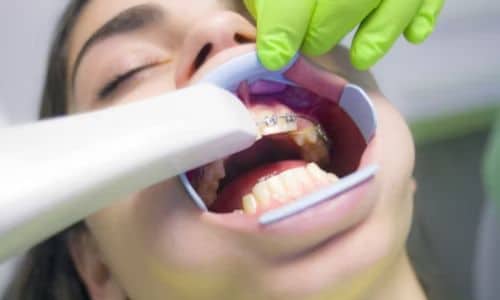
Introduction When achieving a straighter, more confident smile, the options seem endless. Braces, Invisalign, and clear aligners are all effective treatments, but which suits you? In this article, we will explore these orthodontic solutions in detail, providing insights based on expertise and real-life experiences to help you make an informed decision. So, let’s dive into the world of orthodontics and find the perfect solution for your smile transformation. Whether you have crooked teeth, gaps, or bite issues, braces have long been a popular choice for orthodontic treatment. Traditional braces consist of metal brackets and wires that gradually shift your teeth into alignment. Invisalign and clear aligners, on the other hand, offer a more discreet option with removable, custom-made trays to fit your teeth. Let’s explore the pros and cons of each treatment to help you determine which one suits your needs best. Braces: A Time-Tested Classic Braces have been a tried-and-true method for straightening teeth for decades. They consist of metal or ceramic brackets bonded to your teeth, connected by wires that gradually shift your teeth into their desired positions. Braces are known for their effectiveness in correcting complex dental issues such as severe overcrowding or misalignment. However, they can be more noticeable and may require more frequent visits to the orthodontist for adjustments. How Braces Work Braces apply continuous pressure on your teeth, forcing them to move over time. The adjustments made by your orthodontist ensure a precise and effective realignment. The pressure exerted by braces stimulates the bone surrounding your teeth, allowing it to remodel and accommodate the new positions. This gradual movement helps achieve a straighter and healthier smile. Additionally, modern braces come in various options, such as clear or ceramic brackets, making them less noticeable than traditional metal braces. Pros of Braces Highly effective for complex dental issues. Braces are especially beneficial for correcting overcrowding, misalignment, and bite problems. They can also help improve oral health by making cleaning and maintaining proper hygiene easier. Additionally, braces can enhance facial aesthetics and boost self-confidence by giving you a beautiful and aligned smile. Suitable for patients of all ages. Braces are not limited to children and teenagers; adults can also use them. Regardless of age, anyone can benefit from braces to achieve a healthier and more attractive smile. Moreover, advancements in orthodontic technology have made braces more comfortable and less invasive, ensuring a more pleasant experience for patients of all ages. Covered by many insurance plans. This makes braces a more affordable option for patients, as they may be partially or fully covered by insurance. It is essential to check with your insurance provider to understand the extent of coverage for orthodontic treatment. Additionally, some orthodontic practices offer flexible payment plans to make braces more accessible to patients without insurance coverage. Cons of Braces Visible metal or ceramic brackets. These brackets can be noticeable and may affect the appearance of the patient’s smile. However, advancements in orthodontic technology have led to the development of more discreet options, such as clear aligners, which are virtually invisible. Regular adjustments may cause discomfort. However, the discomfort experienced during adjustments is usually temporary and can be managed with over-the-counter pain relievers. Additionally, orthodontists are trained to minimize discomfort during adjustments by using gentle techniques. Dietary restrictions (e.g., avoiding certain foods). Dietary restrictions, such as avoiding sticky or hard foods, may be necessary to prevent damage to the aligners. However, clear aligners offer the advantage of being removable, allowing individuals to enjoy their favorite foods without restrictions during meal times. Invisalign: The Virtually Invisible Option Invisalign, on the other hand, offers a more discreet approach to teeth straightening. These clear plastic aligners are custom-made for your teeth and gradually shift them into place. Invisalign aligners are virtually invisible, making them a popular choice for individuals who want to straighten their teeth without drawing attention to their treatment. Additionally, the custom-made nature of Invisalign aligners ensures a comfortable fit and allows for easy removal when eating or cleaning. How Invisalign Works Invisalign uses a series of clear, removable aligners that you change every two weeks. They are almost invisible and can be easily removed for eating and cleaning. The aligners gradually shift your teeth into the desired position using gentle and controlled force. This allows for a more comfortable and convenient teeth-straightening experience than traditional braces. Pros of Invisalign Virtually invisible, providing aesthetic appeal. Invisalign aligners are also more comfortable to wear than traditional braces, as they are made of smooth plastic and do not have any sharp edges or wires that can irritate. Additionally, since the aligners are removable, you can enjoy your favorite foods without restrictions. Removable for eating and oral hygiene. This means you can easily remove the aligners when you need to eat or brush your teeth, making it easier to maintain good oral hygiene throughout your treatment. Moreover, Invisalign aligners are custom-made for each individual, ensuring a precise and personalized fit for optimal results. No dietary restrictions. Invisalign aligners allow you to maintain your regular diet without any restrictions. This means you can enjoy all your favorite foods and beverages without worrying about damaging or staining your aligners. Smooth and comfortable aligners. Invisalign aligners are made from a soft and comfortable material that won’t irritate your gums or cheeks. This makes them more comfortable to wear throughout the day, allowing you to go about your daily activities without discomfort. According to the manufacturer, teenagers using Invisalign for their orthodontic treatment are twice as likely to have a boost in their self-esteem than those with fixed braces. Cons of Invisalign Not suitable for complex orthodontic issues. Invisalign may not be the best option for individuals with severe bite problems or complex orthodontic issues that require more extensive treatment. In such cases, traditional braces or other orthodontic methods may be recommended to achieve the desired results. Requires discipline to wear aligners consistently. Invisalign requires high discipline to wear the aligners consistently, which must be worn for at least 20-22 hours
Hydroxyapatite Vs. Fluoride: How Do They Compare?
Introduction Regarding dental care and maintaining healthy teeth, two prominent players often enter the conversation: Hydroxyapatite and Fluoride. Both have unique qualities and benefits, but which should you choose? This article will delve into Hydroxyapatite vs. Fluoride to help you make an informed decision about your oral health. Hydroxyapatite is a naturally occurring mineral that makes up most of our tooth enamel, making it an attractive option for toothpaste and oral care products. On the other hand, Fluoride is a chemical compound that helps to strengthen tooth enamel and prevent tooth decay. Understanding Hydroxyapatite Hydroxyapatite, often called the “building blocks of teeth,” is a naturally occurring mineral that makes up a significant portion of your tooth enamel. This crystal-like structure provides strength and durability to your teeth and plays a crucial role in remineralizing and repairing tooth enamel. When acids or bacteria damage tooth enamel, Hydroxyapatite helps to replenish the minerals lost and restore the integrity of the enamel. This process is essential for maintaining healthy teeth and preventing cavities. Additionally, Hydroxyapatite can be found in some dental products as an alternative to Fluoride, offering a natural approach to oral care. Advantages of Hydroxyapatite Natural Composition: Hydroxyapatite is a naturally occurring mineral found in your teeth and bones, making it a biocompatible choice for dental care. Its natural composition ensures that it is well-tolerated by the body and reduces the risk of adverse reactions or side effects. Furthermore, Hydroxyapatite has been shown to promote the remineralization of tooth enamel, leading to more robust and more resistant teeth. Remineralization: Hydroxyapatite can remineralize tooth enamel, potentially reversing the early stages of tooth decay. This process involves the deposition of minerals, such as calcium and phosphate, onto the tooth surface, effectively repairing and strengthening the enamel. Research has also suggested that Hydroxyapatite can help prevent tooth sensitivity by sealing exposed dentin tubules, relieving individuals with sensitive teeth. Reduces Sensitivity: Sealing exposed dentinal tubules can help reduce tooth sensitivity. Additionally, Hydroxyapatite has been found to have antimicrobial properties, which can help inhibit the growth of bacteria that contribute to tooth decay and gum disease. This further promotes oral health and prevents future dental issues. Non-Toxic: Hydroxyapatite is non-toxic and safe for all age groups, including children and pregnant women. It is a biocompatible material that does not cause any adverse reactions or allergies. Moreover, its non-toxic nature makes it an ideal choice for individuals concerned about the potential risks associated with other dental treatments or products. Exploring Fluoride Conversely, Fluoride is a synthetic mineral used for decades in dental care. It is commonly added to toothpaste and drinking water to strengthen teeth and prevent cavities. Fluoride works by remineralizing the enamel, making it more resistant to acid attacks from bacteria and sugars. It has been proven highly effective in reducing tooth decay and improving oral health. However, some individuals may be concerned about the potential risks of excessive fluoride intake, especially in children who accidentally swallow toothpaste or consume highly fluoridated water. These concerns have led to ongoing research and regulation to ensure safe levels of Fluoride in dental products and drinking water. Parents must supervise their children’s toothbrushing habits and teach them to spit out toothpaste rather than swallow it. Additionally, individuals can choose fluoride-free alternative toothpaste options if they have concerns about fluoride intake. Advantages of Fluoride Cavity Prevention: Fluoride effectively prevents tooth decay and cavities by strengthening tooth enamel. This helps to create a protective barrier against acid attacks from bacteria and sugars, reducing the risk of dental decay. Additionally, Fluoride can reverse the early stages of tooth decay, promoting tooth remineralization and preventing further damage to the teeth. Drinking fluoridated water keeps teeth strong and reduces cavities by about 25% in children and adults. Widely Available: Fluoride products are readily available and affordable, making them accessible to a broad population. Furthermore, Fluoride is commonly found in tap water, toothpaste, mouth rinses, and professional dental treatments, ensuring that individuals have multiple options for incorporating Fluoride into their oral hygiene routine. This widespread availability contributes to Fluoride’s general use and effectiveness in preventing tooth decay. Proven Track Record: Decades of research support the benefits of Fluoride in dental care. Numerous studies have shown that Fluoride can reduce the risk of cavities by up to 50-70%. Additionally, organizations such as the American Dental Association and the World Health Organization endorse the use of Fluoride in dental care, further validating its effectiveness. Hydroxyapatite Vs. Fluoride: A Comparison 1. Safety Hydroxyapatite: This natural mineral is safe and has no known side effects. Individuals of all ages can use it. Fluoride: While generally safe, excessive fluoride intake can lead to dental fluorosis, a cosmetic issue that affects tooth enamel appearance. This is more of a concern in areas with high natural fluoride levels or excessive fluoride exposure. 2. Remineralization Hydroxyapatite: Known for its remineralization properties, it can help repair early tooth decay and strengthen enamel. Fluoride: Fluoride primarily focuses on preventing decay rather than actively repairing enamel. 3. Availability Hydroxyapatite: Hydroxyapatite products are becoming more popular but may not be as widely available as fluoride-based products. Fluoride: Fluoride toothpaste and treatments are widely available and recommended by dental professionals. Choosing the Right Option Hydroxyapatite vs. Fluoride The choice between Hydroxyapatite and Fluoride ultimately depends on your needs and preferences. Here are some guidelines: Hydroxyapatite may be your choice if you want a natural and biocompatible option. Fluoride-based products can be highly beneficial if you live in an area with low fluoride levels in the water supply or have a history of cavities. Some individuals may even opt for a combination of both, using hydroxyapatite-based toothpaste for daily use and fluoride treatments as their dentist recommends. FAQ’s Here are some frequently asked questions (FAQs) related to Hydroxyapatite vs. Fluoride in dental care: 1. What is Hydroxyapatite? Hydroxyapatite is a naturally occurring mineral found in teeth and bones. It is often called the “building blocks of teeth” because it provides strength and durability to tooth enamel. 2. What is Fluoride?
What is the Safest Way to Whiten Teeth?
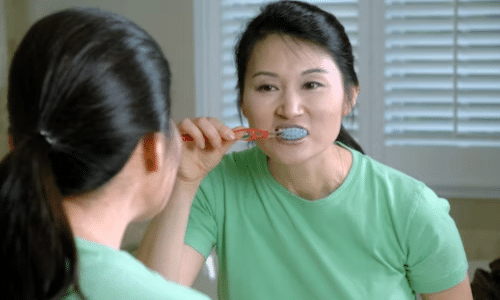
Introduction This article will explore ways to whiten teeth and focus on the safest options available. A bright, white smile is often associated with good health and self-confidence. Many people desire whiter teeth to enhance their appearance but are often unsure about the safest and most effective methods to achieve this goal. While numerous ways are available, it is essential to prioritize safety when whitening teeth. The safest options typically involve professional dental treatments or over-the-counter products that dental associations have approved. Understanding Teeth Discoloration Before diving into teeth-whitening methods, it’s essential to understand why teeth become discolored in the first place. Teeth can become discolored due to various factors, including aging, consumption of certain foods and drinks (such as coffee or red wine), tobacco use, poor dental hygiene, and certain medications. These factors can lead to the accumulation of stains on the enamel, causing teeth to appear yellow or dull. Teeth can become stained or yellowed due to various factors, including: Diet: Consuming foods and beverages like coffee, tea, red wine, and certain fruits can stain teeth over time. Additionally, poor oral hygiene habits, such as infrequent brushing and flossing, can contribute to the buildup of plaque and tartar, which can also cause discoloration. Regular dental cleanings and good oral hygiene are essential to prevent or minimize teeth discoloration. Tobacco Use: Smoking or chewing tobacco can lead to tooth discoloration. Tobacco contains chemicals that can stick to the enamel of the teeth, causing them to become yellow or brown. Tobacco use can also increase the risk of developing gum disease, which can further contribute to tooth discoloration. Aging: As we age, the enamel on our teeth naturally thins, revealing the yellow dentin beneath. This can result in teeth appearing more yellow or discolored. Additionally, accumulating years of consuming stain-causing foods and beverages can contribute to tooth discoloration as we age. Genetics: Some people may be genetically predisposed to have naturally darker teeth. This can be due to the dentin’s inherited thickness or the enamel’s natural color. Furthermore, genetic factors can also affect the strength and resilience of tooth enamel, making it more susceptible to staining and discoloration over time. Medications: Certain medications, such as tetracycline antibiotics, can cause teeth to darken during tooth development. Additionally, some antihistamines, antipsychotic drugs, and high blood pressure medications have been known to contribute to tooth discoloration. It is essential to consult with a healthcare professional about the potential side effects of any drugs that may impact the color of your teeth. Poor Oral Hygiene: Inadequate dental care can lead to a buildup of plaque and tartar, which can make teeth appear yellow. Poor oral hygiene can also contribute to tooth decay and gum disease, further contributing to tooth discoloration. Neglecting regular brushing and flossing can allow bacteria to thrive in the mouth, leading to yellowing of the teeth. The WHO Global Oral Health Status Report (2022) estimated that oral diseases affect nearly 3.5 billion people worldwide, with 3 out of 4 people living in middle-income countries. Safest ways to whiten teeth Now that we understand the causes of teeth discoloration let’s explore the safest ways to whiten teeth: Professional Teeth Whitening One of the safest and most effective ways to whiten teeth is by seeking professional treatment from a dentist. Dentists can perform in-office teeth whitening procedures using high-concentration bleaching agents. These treatments are supervised by experts, ensuring safety and efficacy. At-Home Whitening Kits Over-the-counter teeth whitening kits are readily available and can provide noticeable results when used correctly. Look for products that are ADA-approved for safety and effectiveness. It’s essential to follow the instructions carefully to avoid overuse, which can lead to tooth sensitivity. Oil Pulling Oil pulling is an ancient practice that involves swishing a tablespoon of coconut or sesame oil in your mouth for 15-20 minutes daily. Some proponents claim it can help whiten teeth naturally and improve oral health. While oil pulling is generally considered safe, its effectiveness for teeth whitening varies from person to person. Baking Soda and Hydrogen Peroxide A homemade teeth whitening remedy involves mixing baking soda with hydrogen peroxide to create a toothpaste-like consistency. Gently brush your teeth with this mixture for a few minutes before rinsing thoroughly. However, use this method sparingly, as excessive use can damage enamel. Avoid Staining Foods and Habits Prevention is the best approach to maintaining a white smile. Limit the consumption of teeth-staining foods and beverages, and if you use tobacco products, consider quitting. Additionally, drinking stained beverages like coffee and red wine through a straw is recommended to minimize contact with the teeth. Regularly brushing, flossing, and visiting the dentist for professional cleanings can also help prevent stains and maintain a white smile. Regular Dental Check-Ups and Cleanings Routine dental check-ups and professional cleanings can help prevent teeth discoloration by removing surface stains and plaque buildup. These regular visits allow the dentist to identify potential issues early on and provide appropriate treatment. Furthermore, professional cleanings can reach areas that regular brushing and flossing may miss, ensuring a thorough cleaning and reducing the chances of developing stains. Conclusion Achieving a whiter smile can be a confidence booster, but it’s essential to prioritize safety when considering teeth whitening methods. Professional treatments, ADA-approved at-home kits, and natural remedies like oil pulling can all be effective options. However, it’s crucial to consult with a dentist before attempting any teeth whitening regimen, especially if you have underlying dental issues. Remember that maintaining good oral hygiene and avoiding staining foods and habits are essential for long-term teeth whitening success. FAQ’s Q1: What is teeth whitening? A1: Teeth whitening is a cosmetic dental procedure that aims to lighten the color of teeth and remove stains and discoloration. It can help improve the appearance of a person’s smile. Q2: What are the common causes of teeth discoloration? A2: Teeth can become discolored due to diet (consumption of staining foods and beverages), tobacco use, aging, genetics, certain medications, and poor oral hygiene. Q3: Is teeth whitening
Ingredients In a Toothpaste For Teeth Health
Introduction: A bright and healthy smile starts with the proper oral care routine, and toothpaste plays a pivotal role in maintaining strong teeth and gums. In this article, we’ll delve into the key ingredients that are beneficial for teeth health and help you make informed choices for your oral hygiene. Toothpaste is not just a means to freshen breath; it also helps remove plaque and prevent tooth decay. Understanding the ingredients in toothpaste can help you select the most effective product for your specific dental needs. Also, choosing a fluoride toothpaste can protect against cavities and strengthen Enamel. 1. Fluoride: The Defender Against Cavities Fluoride is the superstar of toothpaste ingredients. It’s renowned for preventing tooth decay and cavities by strengthening tooth enamel. Fluoride works by remineralizing the Enamel, making it more resistant to acid attacks from bacteria and sugars in the mouth. This ingredient is essential for individuals prone to cavities or having a higher risk of tooth decay. Look for toothpaste endorsed by dental associations like the ADA (American Dental Association), as it ensures adequate fluoride for effective protection. 2. Silica: Gentle Abrasives for Stain Removal Silica, a mild abrasive, is an excellent ingredient for teeth health. It helps remove surface stains and plaque buildup without causing damage to the Enamel. Additionally, silica particles in toothpaste contribute to a smoother and cleaner feeling after brushing. It helps remove surface stains from your teeth, leaving them looking brighter and more polished without causing any harm to the Enamel. Silica’s gentle action is perfect for maintaining the aesthetics of your smile. 3. Xylitol: Natural Sweetness for a Healthy Mouth Xylitol is a natural sweetener found in some toothpaste brands. It adds a pleasant taste and actively combats harmful bacteria in your mouth. Xylitol has been shown to reduce the risk of tooth decay by inhibiting the growth of cavity-causing bacteria. Its natural sweetness makes brushing more enjoyable, while its antibacterial properties promote a healthier oral environment. By reducing bacterial growth, xylitol helps prevent cavities and promotes oral health. 4. Calcium Carbonate: Rebuilding and Strengthening Enamel Calcium carbonate is another beneficial ingredient for teeth health. It helps rebuild and strengthen Enamel, the protective outer layer of your teeth. This ingredient remineralizes the Enamel, making it more resistant to decay and erosion. Regular toothpaste containing calcium carbonate can help maintain strong and healthy teeth. It aids in remineralizing tooth enamel, helping repair minor damage, and strengthening teeth. Toothpaste containing calcium carbonate is excellent for maintaining strong and resilient Enamel. 5. Potassium Nitrate: Soothing Sensitivity For those with sensitive teeth, toothpaste containing potassium nitrate can be a game-changer. Potassium nitrate works by desensitizing the nerves in the teeth, reducing sensitivity to hot and cold temperatures. This can significantly improve comfort while eating and drinking. Additionally, toothpaste with potassium nitrate helps to create a protective barrier on the teeth, preventing further damage and discomfort. It works by desensitizing nerve endings in the teeth and relieving pain caused by hot, cold, or sweet foods and beverages. 6. Baking Soda: Natural Cleaning Agent Baking soda is a natural ingredient known for its cleaning properties. It can be used as a gentle abrasive to remove stains and plaque from the surface of the teeth. Additionally, baking soda can help neutralize acids in the mouth, reducing the risk of tooth decay and gum disease. Toothpaste with baking soda can effectively remove surface stains and neutralize acids in the mouth, contributing to fresher breath and a cleaner feeling. 7. Hydrogen Peroxide: Whitening Power Hydrogen peroxide is often included in whitening toothpaste. It helps lighten tooth color by breaking down and removing stains. In addition to its stain-removing properties, hydrogen peroxide has antibacterial properties that can help reduce the risk of gum disease and bad breath. Its whitening power makes it a popular ingredient in toothpaste for those looking to achieve a brighter smile. While it can enhance the appearance of your teeth, consult with your dentist before using hydrogen peroxide-containing toothpaste to ensure it’s suitable for your dental needs. 8. Essential Oils: Natural Antiseptics Specific toothpaste formulations include essential oils like tea tree, eucalyptus, or peppermint. These essential oils have natural antiseptic properties that can help kill mouth bacteria and reduce gum disease risk. Additionally, the refreshing scent of these oils can leave your breath smelling fresh throughout the day. These oils have natural antiseptic properties that help combat bacteria, keeping your mouth fresh and healthy. FAQs About Toothpaste Ingredients Q 1: Are natural toothpaste ingredients better for my teeth? Natural toothpaste ingredients can be beneficial, but not all natural products are equally effective. Look for products that have undergone rigorous testing and carry the ADA Seal of Acceptance, ensuring their safety and efficacy. Q 2: Can toothpaste with multiple beneficial ingredients be too abrasive? When formulated correctly, toothpaste with multiple beneficial ingredients is not overly abrasive. Manufacturers carefully balance these ingredients to ensure optimal cleaning and protection without harming tooth enamel. Q 3: Are there any harmful ingredients I should avoid in toothpaste? Yes, some ingredients in toothpaste can be harmful, such as sodium lauryl sulfate (SLS), artificial sweeteners, and microbeads. These ingredients may cause irritation, contribute to antibiotic resistance, or harm the environment. It’s best to choose toothpaste that avoids these harmful additives. Q 4: How does potassium nitrate help with tooth sensitivity? Potassium nitrate is a crucial ingredient in toothpaste designed for sensitive teeth. It works by desensitizing nerve endings in your teeth and relieving discomfort caused by hot, cold, or sweet foods and drinks. Q 5: What does fluoride do for my teeth? Fluoride is the superstar ingredient in toothpaste, known for its remarkable ability to strengthen tooth enamel. It helps prevent cavities by making teeth more resistant to acid attacks from plaque and sugars. The American Dental Association (ADA) recommends using toothpaste with fluoride for adequate cavity protection. Q 6: How does calcium carbonate benefit my teeth? Calcium carbonate is a natural mineral that plays a crucial role in remineralizing tooth enamel. It
When Buying a Manual Toothbrush: What to Look For?
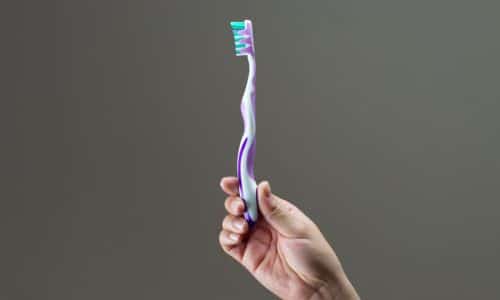
Introduction Choosing the right manual toothbrush might seem simple, but it plays a crucial role in maintaining oral hygiene. With many options available, making an informed decision is essential to ensure your teeth and gums stay healthy. This comprehensive guide will explore what to look for when buying a manual toothbrush, providing expert insights and practical advice. We will explore the different types of bristles, handle designs, and additional features that can enhance your brushing experience. Additionally, we will discuss the importance of replacing your toothbrush regularly and proper brushing techniques to maximize its effectiveness. When Buying a Manual Toothbrush, What to Look For? When buying a manual toothbrush, you must consider several factors to ensure it effectively maintains oral health. Firstly, consider the type of bristles. Dentists recommend soft bristles as they are gentle on your gums and tooth enamel. Secondly, look for a toothbrush with a comfortable handle design for easy maneuverability and control while brushing. Lastly, consider additional features such as a tongue cleaner or gum stimulator, which can benefit your oral hygiene routine. Let’s explore these factors in detail: Bristle Type Matters The type of bristles on your toothbrush can significantly impact your brushing experience. Opt for soft bristles to prevent gum damage and enamel wear. Medium and stiff bristles may be too abrasive for most individuals, potentially causing more harm than good. In addition, consider the size and shape of the strands. Smaller, compact bristles can more effectively reach tight spaces between teeth and along the gumline. On the other hand, more prominent strands may provide a more gentle and comfortable brushing experience. Size and Shape of the Head A toothbrush with a small head allows for better maneuverability, reaching tight spaces in your mouth, such as the back molars. A giant charge, on the other hand, may cover a larger surface area and make brushing quicker and more efficient. It ultimately depends on personal preference and the specific needs of your oral hygiene routine. A compact head is also ideal for individuals with a more petite mouth. Bristle Pattern for Efficient Cleaning Consider toothbrushes with bristle patterns designed for efficient cleaning. Crisscross or angled bristles effectively remove plaque and debris from all tooth surfaces. Handle Grip and Comfort A toothbrush with a comfortable grip ensures a secure hold while brushing. Look for non-slip handles and ergonomic designs that make brushing a breeze, especially for children or those with dexterity issues. Additionally, toothbrushes with rubber grips can provide extra stability and control. This mainly benefits individuals with difficulty gripping objects or limited hand strength. Material and Durability Buying a Manual Toothbrush made from durable materials that can withstand daily use. Quality materials ensure that your toothbrush lasts longer, reducing the need for frequent replacements. Toothbrushes made from nylon bristles are known for their durability and ability to clean teeth effectively. Additionally, toothbrushes with sturdy handles made from plastic or bamboo can contribute to the toothbrush’s overall longevity. Replaceability and Reminder Bristles Some toothbrushes come with reminder bristles that fade over time, indicating when it’s time for a replacement. These bristles help you track when to change your toothbrush, ensuring optimal oral hygiene. Furthermore, toothbrushes with replaceable heads are another option, as they allow you to swap out the worn-out bristles instead of replacing the entire toothbrush. This feature is beneficial for those who often forget to change their toothbrushes every three months, as recommended by dentists. ADA Seal of Approval To ensure the toothbrush meets industry standards, look for the American Dental Association (ADA) Seal of Approval. The ADA Seal of Approval guarantees that the toothbrush has undergone rigorous testing and meets the highest quality and safety standards set by dental professionals. This seal indicates that the toothbrush effectively removes plaque and maintains good oral health. This seal guarantees the toothbrush’s safety and effectiveness. Brand Reputation Opt for well-known and reputable toothbrush brands. These brands often invest in research and development to provide the best oral care products. They also tend to have a broader range of toothbrush options, allowing you to find one that suits your preferences and needs. Additionally, reputable brands often have customer reviews and recommendations to help you decide which toothbrush to purchase. Eco-Friendly Options If you’re environmentally conscious, explore eco-friendly toothbrush options from sustainable materials like bamboo or recycled plastics. These eco-friendly toothbrushes are better for the environment and offer the same effectiveness in cleaning your teeth as traditional toothbrushes. By choosing an eco-friendly option, you can contribute to reducing plastic waste and promote sustainability in your oral care routine. Cost-Effective Choices While it’s tempting to splurge on a high-end toothbrush, plenty of budget-friendly options offer excellent oral care. Evaluate your budget and choose accordingly. Remember that the cost of a toothbrush does not necessarily determine its quality or effectiveness. Many affordable toothbrushes are durable and have bristles designed to clean your teeth effectively. Additionally, opting for a budget-friendly toothbrush can help you save money in the long run, as you can replace it regularly without breaking the bank. Compatibility with Toothpaste Ensure that your chosen toothbrush is compatible with your preferred toothpaste. Some toothbrushes are designed with specific types of toothpaste for optimal results. Using a toothbrush compatible with your select toothpaste can enhance its effectiveness and improve oral hygiene. It is essential to check the packaging or consult your dentist to ensure that the toothbrush and toothpaste work well together, allowing you to achieve the desired results. The 8 Best Toothpastes of 2023 (verywellhealth.com) Travel-Friendly Features Frequent travelers should consider compact and travel-friendly toothbrushes with protective cases or covers. These features help to keep the toothbrush clean and prevent it from getting damaged during travel. Additionally, travel-friendly toothbrushes often have smaller, more lightweight designs, making them easier to pack and carry around. Child-Friendly Designs If you’re buying a toothbrush for a child, look for fun and colorful designs that encourage them to brush regularly. Child-sized handles provide a comfortable grip for small hands. Some toothbrushes for children
Invisalign braces – Expectations vs Reality?

Many people are quick to invest in Invisalign braces for dental care. They are virtually invisible, removable for eating and cleaning, and more comfortable than conventional metal braces. Though many people are unaware of it, Invisalign braces have some drawbacks, which can be problematic for some patients. HOW DOES INVISALIGN WORK? A patient’s unique series of aligners are created using a 3D modeling program. Patients wear these aligners for roughly two weeks before changing to the next set. Depending on each patient’s unique circumstances, the entire course of treatment can take anywhere from 9 months to 1.5 years on average. Some patients only record the first six months of their treatment. Patients should visit the dentist every six weeks for adjustments and checkups. The dentist will evaluate how the treatment is going during these appointments and make any necessary modifications to ensure the aligners function correctly. The aligners gently apply pressure to move the teeth into the desired position over time. Repeating this procedure until the teeth are in their ideal alignment gives the patient a straighter smile. IMPLICATIONS FOR INVISALIGN Before beginning Invisalign treatment, people frequently have the following questions: How does it function? What is the price? Will my teeth look truly perfect after the procedure? What drawbacks are there to using Invisalign? Is it painful? How long does a typical treatment last? Can I consume food and liquids generally while using Invisalign aligners? These queries may raise expectations and preconceived notions about the course of the treatment and its efficacy. Customers frequently expect shorter wait times for treatments, lower costs, and an improved smile. Invisalign braces are, in fact, a fantastic option for a lot of patients, but there are a few significant side effects to be aware of. WHAT COULD HAPPEN WHEN WEARING INVISALIGN? Gum and Tooth Sensitivity Tooth and gum sensitivity is among the most frequent complaints about Invisalign. This happens when the aligners repeatedly irritate the teeth and gums by rubbing against them. This sensitivity can be very bothersome for some patients because each set of aligners must be worn for two weeks. As the mouth gets used to having the aligners in, they may momentarily alter speech patterns. However, after wearing the aligners consistently for a few days or weeks, most patients discover this problem goes away independently. Discreet Speech Barriers It is also known that wearing Invisalign braces may cause mild speech impediments. Patients may slur or murmur their words due to the aligners changing how their teeth fit together. Hard to Maintain a Clean Cleaning Invisalign braces can be challenging. The removable nature of the aligners makes it difficult to clean them thoroughly. Before placing them back into their mouths, patients must thoroughly clean them with water, toothpaste, or mouthwash. Bacteria can grow on patients’ Invisalign braces if they don’t keep them clean, resulting in bad breath and tooth decay. Treatment Period According to word of mouth, those receiving Invisalign treatment are expected to wear them for an additional six to nine months. When your teeth initially don’t move as intended, this occurs. Effectiveness The aligners may not always give you the desired results, either because you didn’t wear them for the recommended time or because your provider is inexperienced with mapping aligners. Prices for traditional braces are different. The cost of Invisalign can vary depending on your treatment strategy. Please get in touch with our office immediately to receive the most accurate quote for your Invisalign treatment. Various factors, including the complexity of your case and the length of your treatment, can affect the price of Invisalign. Speaking with our office to get a customized quote and determine the best payment plans for your Invisalign journey is crucial. Mainly, women between 20 and 29 were interested in Invisalign treatment, chiefly for aesthetic reasons, accepting a treatment time of 1.5 to 2.5 years. How to ensure that your experience with Invisalign is positive The majority of Invisalign providers provide no-cost consultations. You are under no obligation to choose that provider after this free consultation. You can check out several orthodontists before selecting the one who makes you feel comfortable. During the initial consultation, the dentist will examine your teeth, mouth shape, and bite (overbite, underbite, etc.). After that, they will inform you if Invisalign is a good option. Many problems can be resolved with Invisalign, but not all of them. According to your dentist or orthodontist, Invisalign can be replaced with braces or jaw surgery. Remember that you are not required to choose the first provider you meet with for your initial consultation. Choose the option that gives you confidence in the procedure. CONCLUSION Invisalign can help you, overall, to correct your overbite, underbite, misaligned teeth, etc. Invisalign has many advantages, including comfort, invisibility, and the ability to wear and remove them at will. Despite these advantages, there are some drawbacks as well. Many individuals anticipate that Invisalign will be less expensive than braces, take less time to complete treatment and give them their ideal smile. However, this might not be possible without the proper provider and the diligence of wearing Invisalign. Additionally, Invisalign costs more than conventional braces. This may be because they are a more recent invention than braces, which date back to the 17th century and were created in the middle of the 1990s! Remember to select a qualified provider, preferably with cutting-edge technology, and wear your aligners for 20 to 22 hours daily. This will guarantee that your treatment goes as smoothly as possible and that you get the smile of your dreams. Faqs 1. How does Invisalign work? Invisalign treatment involves wearing clear aligners that gradually move your teeth into the desired position over time. These aligners are custom-made for your teeth and are replaced approximately every two weeks. 2. How long does Invisalign treatment usually take? The duration of Invisalign treatment varies depending on the complexity of your case. On average, it takes about 9 to 18 months. Some instances might see
Is heart health related to oral health in any way?
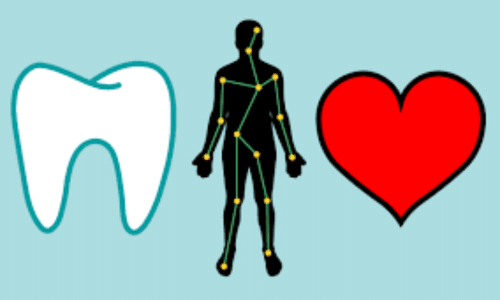
Introduction Heart health is paramount in today’s fast-paced world, with cardiovascular diseases being a leading cause of mortality worldwide. On the other hand, oral health is often seen as a separate aspect of overall well-being. However, emerging research suggests heart health is related to oral health. This in-depth article will explore the intricate relationship between heart and oral health. Understanding the links can lead to better preventive measures and improved overall health. Oral Health: Beyond Just Your Smile The human mouth is a complex ecosystem teeming with good and bad bacteria. This microbial community plays a crucial role in maintaining oral health, and any imbalance can lead to various issues like tooth decay and gum disease. The Mouth as a Microcosm: Think of the mouth as a microcosm of the body, with its unique environment. Maintaining a healthy balance of bacteria in the mouth is essential for a bright smile and overall health. The Role of Oral Microbiome: Recent research has highlighted the significance of the oral microbiome in various aspects of health, including digestion, immunity, and even mental health. Cardiovascular diseases are the leading cause of death globally, accounting for over 17 million deaths annually. (World Health Organization), Worldwide, severe periodontal disease affects about 10% of the global population. (Global Burden of Disease Study) Heart Health: A Critical Concern Cardiovascular diseases (CVDs) encompass a range of conditions that affect the heart and blood vessels. These diseases are responsible for a significant portion of global mortality. Cardiovascular Disease Overview: Explore the prevalence and impact of CVDs, including heart attacks, strokes, and heart failure. Risk Factors and Prevention: Understand the critical risk factors for heart diseases, such as hypertension, high cholesterol, and smoking, and learn about preventive measures. The Surprising Connection At first glance, the mouth and the heart might seem unrelated, but they share some surprising connections. The Inflammatory Link: Chronic inflammation is joint in gum disease and heart disease. Learn how inflammation can affect the arteries and heart. Bacterial Invasion: Discover how harmful bacteria from the mouth can enter the bloodstream, potentially leading to infections in the heart’s lining or valves. Shared Risk Factors: Explore lifestyle factors like smoking and poor diet contributing to oral health issues and heart diseases. Periodontal Disease and Heart Health Periodontitis, a severe form of gum disease, has been extensively studied for its potential impact on heart health. Periodontitis Explained: Learn about the stages of gum disease, from gingivitis to periodontitis, and how it can progress if left untreated. Inflammation and Atherosclerosis: Understand how the chronic inflammation associated with periodontitis can contribute to the development of atherosclerosis, a significant risk factor for heart attacks and strokes. The Role of C-reactive Protein: Explore the role of C-reactive protein (CRP) as a marker of inflammation and its connection to gum disease and heart disease. The Bidirectional Relationship The relationship between heart health and oral health is not a one-way street. It’s a two-way interaction. How Heart Health Affects Oral Health: Discover how conditions like high blood pressure and heart medications can impact oral health. Medications and Oral Health: Learn about common drugs that can have side effects on the mouth and how to manage them. The Stress Factor: Stress contributes to heart disease and oral health problems. Find out how stress management can benefit both. Chronic stress has been linked to an increased risk of heart disease and oral health problems, including teeth grinding (bruxism) and temporomandibular joint disorders (TMD). Prevention and Maintenance Taking care of your oral health can positively impact your heart and vice versa. Oral Hygiene Practices: Get practical tips for maintaining good oral hygiene, including brushing, flossing, and using mouthwash. Dental Check-ups and Heart Health: Understand the importance of regular dental check-ups and how they can provide early warning signs of systemic health issues. Lifestyle Choices: Explore choices like diet and smoking cessation that can promote heart and oral health. The Future of Heart and Oral Health Ongoing research is shedding more light on the complex relationship between these two vital aspects of our well-being. Ongoing Research: Learn about the latest studies and discoveries in oral and heart health connections. Holistic Approaches: Explore holistic approaches to healthcare that consider oral and heart health integral to overall well-being. Something light Picture this: a tiny, mischievous bacterium named Buzzy (yes, let’s give our bacteria some names) goes rogue and makes it to your heart. Buzzy carries a flag of inflammation, causing all sorts of commotion in your arteries. Your heart, usually as calm as a cucumber, suddenly finds itself in the middle of a wild party. This unruly behavior can contribute to the development of heart disease. But the saga doesn’t end there. Your heart, being the drama queen that it is, sometimes retaliates. If you have heart issues, your medications can throw a curveball at Buzzy and his friends, affecting the environment in your mouth. It’s like a never-ending battle between good and bad bacteria, with your health in balance. And let’s not forget stress – the ultimate mischief-maker. Your heart health related to oral health can take a hit when life gets hectic. Ever notice yourself clenching your teeth when things get tense? That’s stress wreaking havoc on your mouth. So, in this quirky tale of oral and heart health, it’s essential to remember that these two seemingly unrelated aspects of your well-being might just be exchanging postcards behind your back. Taking care of your oral health could be a secret handshake to a happier heart. So, the next time you brush your teeth, imagine you’re sending those troublemaking bacteria on vacation – far away from your heart’s doorstep! Conclusion In conclusion, the heart health related to oral health must not be underestimated. It’s a multifaceted relationship with far-reaching implications for our overall well-being. By understanding this link and taking proactive measures, we can strive for a healthier, happier future where our hearts and smiles shine brightly. By prioritizing your oral health, you may take a significant step toward safeguarding your
What causes bleeding gums?
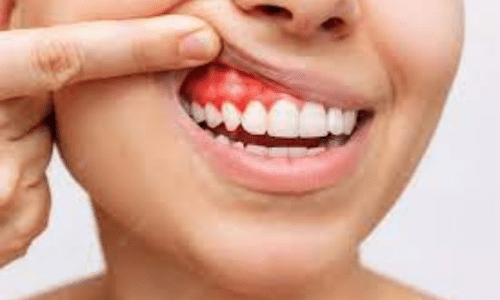
Bleeding gums can be a distressing and uncomfortable experience. They might indicate underlying issues with your oral health. Understanding the reasons behind bleeding gums can empower you to better care of your dental hygiene. This article will delve into the various factors that can lead to bleeding gums and provide expert insights on maintaining healthier gums. Introduction Healthy gums are the foundation of strong teeth and overall oral well-being. They are vital in holding your teeth in place, protecting sensitive root areas, and preventing harmful bacteria from entering your bloodstream. When gums bleed, it’s a sign that something isn’t right. Let’s explore the potential causes of this issue and how you can address them. Over 47 percent of adults in the United States, ages 30 and older, have some form of periodontal disease. About 30 percent of adults have moderate gum disease. Approximately 8.5 percent of adults have severe gum disease. What Causes Bleeding Gums? Bleeding gums can result from various factors. Some of the common culprits include: 1. Poor Oral Hygiene Neglecting proper oral care routines can lead to plaque buildup along the gumline. Plaque is a sticky film containing bacteria that irritate and inflame the gums, causing bleeding. To prevent this, establish a routine of brushing your teeth at least twice daily and flossing daily to remove plaque and food particles contributing to gum issues. 2. Gingivitis: The Early Stage of Gum Disease Gingivitis is a mild gum disease often characterized by red, swollen, and bleeding gums. Poor oral hygiene habits primarily cause it. Consistent brushing, flossing, and professional dental cleanings are essential to reverse gingivitis. Regular dental check-ups can help catch and address gum issues early. 3. Hormonal Changes Hormonal fluctuations during pregnancy, menstruation, or menopause can make gums more sensitive and prone to bleeding. This condition, known as pregnancy gingivitis, requires extra care and attention to oral hygiene. Consult your dentist for guidance on managing oral health during these hormonal changes. 4. Medications Certain medications, like blood thinners and anticoagulants, can increase the risk of bleeding gums. If you’re on medication, it’s crucial to inform your dentist. They can guide your oral health and adjust your oral care routine accordingly. 5. Vitamin Deficiencies A lack of essential vitamins, particularly vitamin C, can weaken gum tissues and lead to bleeding. Ensuring a balanced diet rich in vitamins and minerals contributes to gum health. Incorporate fruits, vegetables, lean proteins, and whole grains into your diet to support gum health. 6. Aggressive Brushing Brushing your teeth too vigorously or using a toothbrush with stiff bristles can damage gum tissue, leading to bleeding. Opt for a toothbrush with soft bristles and use gentle circular motions while brushing. This will help clean your teeth effectively without causing harm to your gums. 7. Dental Appliances Ill-fitting dentures or braces can cause friction and irritation, resulting in gum bleeding. Regular dental check-ups are essential to ensure that your dental appliances fit correctly and aren’t causing damage to your gums. 8. Tobacco Use Smoking or using tobacco products can compromise gum health by reducing blood flow and increasing the risk of infections. This makes gums more prone to bleeding. Quitting tobacco can significantly improve your gum health and overall well-being. 9. Medical Conditions Systemic conditions like diabetes, leukemia, and immune disorders can impact gum health and contribute to bleeding. Managing these conditions with proper medical care is crucial to maintain healthier gums. Regular communication with your healthcare provider and dentist is essential. 10. Stress Chronic Stress weakens the immune system, making it harder for your body to fight off infections, including gum infections that lead to bleeding. Incorporating stress-reduction techniques like meditation, yoga, or deep breathing into your routine can help support your immune system and oral health. Expert Insights To maintain healthy gums and prevent bleeding, consider the following expert tips: 1. Brush and Floss Regularly Why it’s essential: Brushing your teeth at least twice daily and flossing daily are fundamental to maintaining healthy gums. This routine helps remove plaque and food particles contributing to gum issues. Brushing technique: Use a soft-bristle toothbrush and fluoride toothpaste. Brush gently in a circular motion, ensuring you cover all tooth surfaces. Don’t forget to brush your tongue and the roof of your mouth. Flossing technique: Use dental floss or interdental brushes to clean between teeth and along the gumline. Be gentle to avoid damaging your gums. If you’re new to flossing, consult your dentist for guidance. 2. Use a Soft-Bristle Toothbrush Why it’s essential: Opting for a toothbrush with soft bristles is crucial to avoid damaging your gums while brushing. Stiff bristles can cause gum irritation and recession over time. Choosing the right toothbrush: Look for a toothbrush labeled as “soft” or “extra-soft.” These brushes effectively clean teeth without being harsh on your gums. Proper brushing technique: Hold the toothbrush at a 45-degree angle to your gums and use gentle, circular motions. Avoid scrubbing vigorously, as it can lead to gum abrasion. 3. Maintain a Balanced Diet Why it’s essential: Consuming a diet rich in fruits, vegetables, lean proteins, and whole grains provides vital nutrients for gum health. Nutrients for gum health: Vitamin C is essential as it helps repair and maintain connective tissues. Foods like citrus fruits, strawberries, and broccoli are rich in vitamin C. Calcium and vitamin D are also essential for strong teeth and gums, so include dairy products, leafy greens, and fortified foods. Avoid sugary snacks: Limit sugary and acidic foods and beverages, as they can contribute to tooth decay and gum issues. 4. Schedule Regular Dental Check-ups Why it’s crucial: Regular dental check-ups are essential to catch and address gum issues early. Your dentist can detect problems that you might overlook on your own. Frequency: Visit your dentist for check-ups and cleanings at least every six months or as your dental professional recommends. Professional cleanings: Dental hygienists can remove plaque and tartar buildup that regular brushing and flossing may miss, reducing the risk of gum disease. 5. Quit
Are Dental Implants Painful? What Do Most of the Patients Say
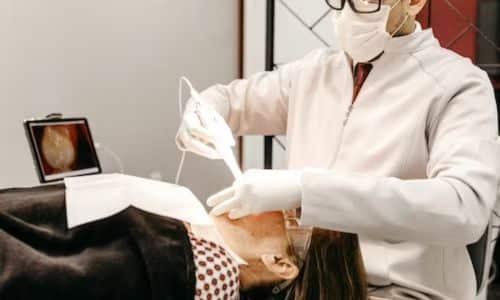
Introduction Dental implants have revolutionized dentistry, offering a reliable and long-lasting solution for individuals with missing teeth. As the popularity of dental implants grows, so does the curiosity surrounding the procedure, particularly regarding its potential pain. In this article, we will delve into the world of dental implants and explore the truth behind their perceived painful nature. We’ll examine patient testimonials and analyze factors affecting pain perception during and after the implant procedure. Understanding Dental Implants Dental implants are artificial tooth roots made from biocompatible materials such as titanium. They are surgically placed into the jawbone to support replacement teeth, ensuring a strong and stable foundation. Depending on the patient’s needs, implants can restore one missing or several teeth. The Implant Procedure The dental implant procedure is typically divided into several stages: Pre-Surgery Preparation Before the implant surgery, your dentist will conduct a thorough examination, including X-rays and 3D scans, to assess bone density and determine the best implant placement. A personalized treatment plan is created based on your specific oral condition. Implant Placement The actual implant placement is performed under local anesthesia to minimize discomfort. The dentist makes a small incision in the gum to access the jawbone, where the implant is carefully positioned. Though this may sound invasive, patients often report minimal pain during the procedure. Healing Period After implant placement, the healing period begins. During this time, the implant fuses with the jawbone through osseointegration. Most patients experience mild soreness or discomfort during this phase, which can be managed with prescribed pain relievers. Placing the Prosthesis Once the healing process is complete, the dentist attaches the prosthetic tooth or crown to the implant. This step is minimally invasive and rarely causes significant pain. Does Getting Implants Hurt? The pain level experienced during the implant procedure can vary from person to person. In general, patients report only minor discomfort during the surgery, thanks to the effectiveness of local anesthesia. Advanced dental techniques by experienced professionals also contribute to reducing pain levels. According to a National Health and Nutrition Examination Survey, the prevalence of dental implants in the United States grew 5.7% from 2015 to 2016, up from a measly 0.7% increase from 1999 to 2000. Managing Pain After Implant Surgery After the implant procedure, some patients may experience mild soreness or swelling. This is normal and usually subsides within a few days. Dentists may recommend over-the-counter pain medications or suitable pain relievers to manage post-operative discomfort. Patient Testimonials Let’s hear what some patients have to say about their dental implant experiences: Testimonial from Sarah W. “After losing a tooth in an accident, I was quite anxious about getting a dental implant. However, my dentist reassured me and explained the procedure thoroughly. I can honestly say that the implant surgery was much less painful than I expected. The local anesthesia worked wonders, and I felt only minimal discomfort during the healing phase. Now, with my new implant, I have the confidence to smile again!” Testimonial from Michael S. “I had been dealing with a missing molar for years, and it was affecting my ability to chew properly. When my dentist suggested dental implants, I was hesitant due to fear of pain. But my dentist was fantastic! The entire procedure was surprisingly painless, and the recovery was smoother than I anticipated. I couldn’t be happier with the results; my dental implant feels just like a natural tooth.” Testimonial from Lisa R. “I have always been nervous about dental procedures, so the thought of getting dental implants scared me. However, my dentist was incredibly patient and understanding. She took the time to address all my concerns and made sure I felt comfortable throughout the process. To my surprise, the implant surgery was far less painful than I imagined. I am thrilled with the outcome and can’t thank my dentist enough for her expertise and care.” Testimonial from Mark L. “I had multiple missing teeth, which made me self-conscious about my smile. My dentist recommended dental implants, and I decided to go for it despite my apprehension. The actual surgery was much easier than I thought, and the staff made me feel at ease throughout. Although there was some mild soreness during the healing phase, it was manageable with pain medication. Today, my implants feel natural and have restored my confidence.” Testimonial from Emily B. “I was hesitant to get dental implants because I heard they might be painful. However, after discussing it with my dentist and hearing positive experiences from other patients, I decided to proceed. I’m so glad I did! The procedure itself was virtually painless, thanks to the expert care I received. I followed the aftercare instructions diligently, and my recovery was smooth. My dental implants have been life-changing, and I highly recommend them to anyone with missing teeth.” Factors Affecting Pain Perception Several factors can influence how individuals perceive pain during and after the implant procedure: Individual Pain Threshold The individual pain threshold refers to the level of pain a person can tolerate before feeling discomfort or distress. It varies significantly from person to person and can be influenced by various factors, including genetics, previous experiences with pain, and psychological factors. Some individuals have a high pain threshold, meaning they can endure more significant pain levels without discomfort. In contrast, others have a lower pain threshold and may experience discomfort even with minor stimuli. When it comes to dental implant procedures, a person’s pain threshold plays a crucial role in their perception of pain. Those with a higher pain threshold might find the implant surgery relatively more comfortable, as they are less likely to experience intense pain during and after the procedure. On the other hand, individuals with a lower pain threshold may perceive the surgery as more painful, even if the actual discomfort is not severe. The expertise of the Surgeon The expertise and experience of the dental professional performing the implant surgery can significantly impact the patient’s comfort during the procedure. Skilled and experienced
Know These 5 Things To Overcome Dental Fear
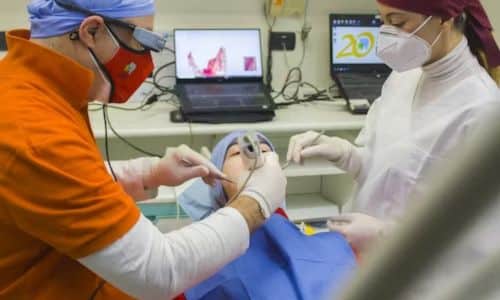
Introduction Dental fear is a common phenomenon that affects a significant portion of the population. The fear of going to the dentist can stem from various sources, such as past negative experiences, fear of pain, or simply the anticipation of the unknown. However, avoiding dental care due to anxiety can lead to serious oral health issues in the long run. The good news is that you can employ several effective strategies to overcome your fear of the dentist and ensure your oral health doesn’t suffer. In this article, we’ll explore five key things you need to know to conquer your dental anxiety. bout 36% of people in the U.S. have a fear of dental treatment, with 12% having an extreme fear. Understand the Source of Your Anxiety The first step in overcoming dental fear is to identify and understand the source of your anxiety. For many individuals, dental anxiety is rooted in past negative experiences. Maybe you had a painful dental procedure or felt a lack of control during a dental appointment. Understanding these triggers can help you communicate your concerns effectively with your dentist. Take time to reflect on your fears and jot down the reasons that make you anxious about visiting the dentist. Are you afraid of the pain? Is it the sound of dental instruments? Or is it a feeling of vulnerability? Once you pinpoint the causes, you can discuss them with your dentist, who can tailor their approach to help ease your anxiety. Communicate with Your Dentist Open and honest communication with your dentist is crucial in overcoming dental anxiety. A good dentist will listen to your concerns, take your feelings seriously, and work with you to create a comfortable visit environment. Before your appointment, schedule a consultation with your dentist to discuss your fears. This conversation can help you and your dentist understand your triggers and develop strategies to manage them. During the consultation, ask about the procedures you’re scheduled for, the expected level of discomfort, and any available pain management techniques. A clear understanding of what to expect can alleviate some of your fears. Also, establish a signal with your dentist indicating you need a break or feel uncomfortable during the procedure. This simple gesture can give you a sense of control throughout the appointment. Gradual Exposure and Desensitization Consider a gradual exposure and desensitization approach if your dental anxiety is severe. This involves gradually exposing yourself to dental environments and procedures in a controlled and comfortable manner. Start by visiting the dental office without any methods planned. This can help you become familiar with the setting and the staff without the pressure of impending treatment. Once comfortable with the office environment, schedule shorter appointments for simple procedures like teeth cleanings or examinations. As you become accustomed to these less invasive procedures, you can gradually progress to more complex treatments. This step-by-step approach can significantly reduce your anxiety and help you regain confidence in dental visits. Practice Relaxation Techniques Incorporating relaxation techniques into your dental anxiety management can make a difference. Techniques like deep breathing, progressive muscle relaxation, and mindfulness meditation can help calm your nerves and reduce stress before and during dental appointments. Before your appointment, find a quiet space to practice deep breathing exercises. Inhale deeply for a count of four, hold for four counts, and exhale for four. This technique can help regulate your breathing and lower your heart rate, providing a sense of calm. You can use visualization techniques during the appointment to transport your mind to a peaceful place. Imagine yourself on a beach or in a serene natural setting. This mental escape can distract you from the procedure and reduce anxiety. Many dental offices also offer distractions such as music, TV shows, or movies to help divert your attention during treatments. Seek Professional Support If your dental anxiety is deeply rooted and significantly impacting your oral health, seeking professional support is valuable. Therapists specializing in cognitive-behavioral therapy (CBT) can help you address your fears and develop coping strategies. CBT focuses on changing negative thought patterns and behaviors, helping you reframe your perspective on dental visits. Sometimes, your dentist may collaborate with a therapist to provide you with a comprehensive approach to overcoming your dental anxiety. This collaborative effort ensures that your anxiety’s emotional and physical aspects are addressed. Conclusion Dental anxiety is a legitimate concern but should not prevent you from receiving the necessary oral care. You can effectively overcome your fear of the dentist by understanding the source of your anxiety, communicating with your dentist, gradually exposing yourself to dental procedures, practicing relaxation techniques, and seeking professional support when needed. Remember that you have the power to take control of your anxiety and prioritize your oral health. With the right strategies and help, you can conquer dental fears and pave the way for a healthier, happier smile. FAQs How common is dental fear? Dental fear is widespread, affecting a significant portion of the population. It’s okay to feel nervous, but strategies exist to overcome it. Can dental procedures be painless? Yes, advancements in dental technology have made many procedures virtually painless. Dentists also offer various pain management options to ensure your comfort. What if I can’t afford sedation dentistry? Sedation dentistry can be beneficial, but if it’s not an option, communicate with your dentist about your anxiety. They can adjust their approach to make you more comfortable. Is dental anxiety the same as a dental phobia? While they’re related, dental anxiety and phobia are different. Phobia involves an extreme, irrational fear that can lead to avoiding dental care altogether. Can I bring someone with me to the appointment? Absolutely! Bringing a trusted friend or family member can provide emotional support and make you feel more at ease. How do I find a dentist who specializes in treating anxious patients? You can search online for dentists who advertise themselves as catering to anxious patients. Reading reviews and asking for

