
Why Baby Teeth Matter More Than You Think

When it comes to early childhood development, many parents consider baby teeth as temporary placeholders with little long-term value. However, this assumption overlooks the essential role these primary teeth play in a child’s overall health and future dental development. Understanding the importance of baby teeth can help parents establish better oral care habits from a young age and prevent issues that may persist into adulthood. This article explores the key reasons baby teeth deserve more attention, outlines the risks associated with neglecting them, and provides practical tips to support your child’s dental health. What Are Baby Teeth? Baby teeth, also known as primary or deciduous teeth, typically begin to erupt around six months of age and continue to emerge until about age three. A full set includes 20 teeth—10 on the top and 10 on the bottom. These teeth remain in place until they are gradually replaced by permanent teeth, usually beginning around age six and continuing through the early teenage years. Although baby teeth eventually fall out, the importance of baby teeth lies in their foundational role in a child’s physical, emotional, and developmental well-being. 5 Reasons Why Baby Teeth Are So Important 1. Proper Chewing and Nutrition One of the primary functions of baby teeth is to allow children to chew food effectively. Without the ability to break down solid food properly, a child may struggle to get adequate nutrition, leading to deficiencies that affect growth and development. Good chewing habits begin early, and healthy baby teeth are critical for establishing them. 2. Speech Development The presence and position of baby teeth directly influence speech formation. Certain sounds, such as “th,” “f,” and “s,” require contact between the tongue and teeth. Missing or misaligned baby teeth can interfere with a child’s ability to articulate words clearly, potentially affecting communication skills and self-confidence. 3. Guidance for Permanent Teeth One of the most overlooked aspects of the importance of baby teeth is their role as placeholders for permanent teeth. When a baby tooth is lost too early due to decay or trauma, nearby teeth may drift into the vacant space. This crowding can block permanent teeth from erupting correctly, often resulting in misalignment, bite issues, or the need for orthodontic treatment later. 4. Facial Structure and Growth Baby teeth contribute to the development of facial muscles and bone structure. They help maintain the natural contour of the child’s face and support healthy jaw growth. Premature loss of baby teeth can lead to a sunken appearance or underdeveloped jaw, affecting both appearance and function. 5. Prevention of Infections and Pain Untreated cavities in baby teeth can lead to painful infections that affect more than just the mouth. These infections can spread to other parts of the body and may require emergency treatment. In addition to causing discomfort, dental infections in early childhood can create fear or anxiety about dental visits, making oral care more difficult in the long run. Pro Tip: “Don’t wait until your child complains of tooth pain—start routine dental checkups by their first birthday to monitor the health and alignment of their baby teeth early on.” Common Issues Affecting Baby Teeth Despite their temporary nature, baby teeth are susceptible to many of the same issues as adult teeth. The most common include: Early Childhood Caries (ECC): Often referred to as “baby bottle tooth decay,” ECC is caused by frequent exposure to sugary drinks and poor oral hygiene. According to the Centers for Disease Control and Prevention (CDC), cavities are one of the most common chronic diseases among children in the U.S. Tooth Trauma: Active toddlers are more prone to accidents that may chip or dislodge teeth. Immediate dental evaluation is crucial to prevent complications. Gum Infections and Abscesses: Just like adult teeth, infected baby teeth can lead to abscesses, causing swelling, fever, and discomfort. By acknowledging the importance of baby teeth, parents can take proactive steps to prevent these problems before they arise. How to Care for Baby Teeth Promoting a lifetime of healthy oral habits begins with proper baby tooth care. Here’s a practical guide for parents: 1. Start Early Begin cleaning your baby’s mouth even before teeth emerge by wiping their gums with a soft, damp cloth after feeding. Once teeth erupt, use a baby toothbrush and a smear of fluoride toothpaste. 2. Brush and Floss Daily Brush your child’s teeth twice a day and begin flossing as soon as two teeth touch. Use age-appropriate toothpaste and monitor brushing until your child can handle it independently, usually around age 7 or 8. 3. Avoid Sugary Drinks Limit juice and never put your child to bed with a bottle containing milk, formula, or juice. These liquids can pool in the mouth overnight and lead to tooth decay. 4. Offer Tooth-Friendly Snacks Encourage healthy snacks like fruits, vegetables, cheese, and whole grains. Avoid sticky candies, soda, and processed treats that can increase the risk of cavities. 5. Schedule Regular Dental Visits According to the American Dental Association, your child should visit the dentist by their first birthday. These early visits help establish a dental home and allow your provider to track development, offer preventive care, and address issues early. The Role of Fluoride Fluoride is essential in strengthening tooth enamel and preventing cavities. If your local water supply is not fluoridated, ask your dentist whether your child needs fluoride supplements or treatments. For more information, visit the American Academy of Pediatrics. What to Expect at a Pediatric Dental Appointment At your child’s dental visit, you can expect the following: A gentle examination of the teeth, jaw, and gums A discussion of oral hygiene practices A professional cleaning (if needed) Guidance on thumb-sucking, pacifier use, or diet Preventive treatments such as fluoride varnish or sealants These appointments are an opportunity to educate both the parent and child on the importance of baby teeth in a supportive and friendly environment. Long-Term Benefits of Healthy Baby Teeth Investing in your child’s baby teeth pays off in many ways: Reduced need
Avoiding the Dental Pothole: How to Protect Your Front Teeth
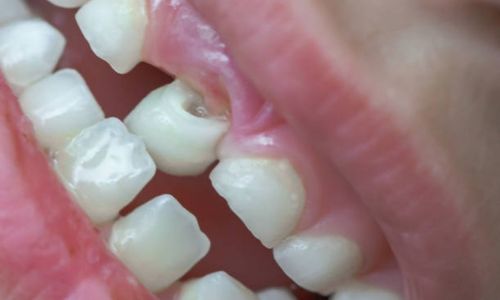
Regarding oral health, our front teeth often take the spotlight. They’re the stars of our smiles but also vulnerable to damage, leading to what we might call a “dental pothole.” In this article, we’ll explore what a dental pothole is, why it’s important to avoid it, and how to protect your precious front teeth. Understanding the Dental Pothole Imagine driving down the road and hitting a deep pothole that jars your car. Now, picture the same experience happening to your teeth—that’s what a dental pothole feels like. It’s a term that describes damage, such as chips, cracks, or fractures, on the front teeth. Just like a pothole on the road, a dental pothole can be a nuisance and cause discomfort. Why Protect Your Front Teeth? Your front teeth play crucial roles in your daily life. They help you bite into food, speak, and, of course, smile confidently. Damaging them can not only affect your appearance but also impact your ability to eat and communicate comfortably. Repairing damaged front teeth can be costly and time-consuming, so prevention is key. What Causes Dental Potholes in Front Teeth? Several factors can contribute to the formation of dental potholes on your front teeth. Here are the most common culprits: Acid erosion occurs when acidic foods and drinks, such as soda, citrus fruits, or sports drinks, remove the enamel. It is especially concerning if you frequently sip acidic beverages or have a condition like acid reflux. Tooth decay occurs when plaque, a sticky film of bacteria, builds up on teeth. The bacteria feed on sugars in food, producing acids that erode the enamel. Bruxism (teeth grinding): Grinding or clenching your teeth at night can put excessive pressure on your front teeth, leading to cracks and chipping, which can then develop into potholes. Improper brushing: Brushing too hard or using a harsh toothbrush can damage the enamel, making it more susceptible to potholes. Using teeth for unintended purposes: Using your front teeth to open bottles, chew on hard objects like fingernails, or tear food can cause chips and cracks that can become potholes. How Do Dentists Treat Dental Potholes? The treatment for a dental pothole depends on its severity. Here’s what your dentist might recommend: Fluoride treatment: If the pothole is very shallow, your dentist might recommend a professional fluoride treatment to strengthen the enamel and prevent further erosion. Dental bonding: For slightly deeper potholes, your dentist can use a tooth-colored resin to fill the cavity and restore the tooth’s shape and function. Dental fillings: A filling will be needed if the pothole is moderate in size and reaches the dentin layer. This involves removing the decayed or eroded material and filling the cavity with composite resin or another material. Crowns: A crown might be necessary in severe cases where the large pothole weakens the tooth. A crown is a cap that fits over the entire tooth, restoring its strength, shape, and appearance. According to the National Institute of Dental and Craniofacial Research, adults between 20 and 64 have an average of 25 teeth. This implies that some adults lose front teeth during this age range. How to Avoid the Dental Pothole Practice Good Oral Hygiene: Regular brushing and flossing are your first defense against dental problems. Make sure to brush your front teeth gently yet thoroughly, reaching all surfaces to remove plaque and food particles. Use Protective Gear: If you participate in sports or activities that pose a risk of facial injury, such as football or biking, consider wearing a mouthguard. A custom-fitted mouthguard can cushion your front teeth against impacts, reducing the risk of fractures or loss. Avoid Bad Habits: Certain habits can increase the likelihood of dental potholes. Avoid biting hard objects like pens or ice cubes, as this can put undue pressure on your front teeth and lead to damage. Similarly, refrain from using your teeth as tools to open packages or bottles. Attend Regular Dental Check-ups: Routine dental visits allow your dentist to monitor the health of your teeth and address any issues early on. Professional cleanings and exams can help prevent dental potholes by identifying and treating potential problems before they worsen. Consider Protective Treatments: Sometimes, your dentist may recommend additional protective measures to safeguard your front teeth. For example, dental sealants can be applied to the chewing surfaces of your molars to prevent decay, while dental bonding or veneers can repair minor imperfections on your front teeth. Maintain a Balanced Diet: A nutritious diet rich in calcium, vitamin D, and other essential nutrients benefits your dental health. These nutrients help strengthen your teeth and support gum health, reducing the risk of dental potholes and other oral problems. Conclusion Your front teeth are essential for both function and aesthetics, so taking good care of them is crucial. By practicing good oral hygiene, using protective gear, avoiding harmful habits, attending regular dental check-ups, considering protective treatments, and maintaining a balanced diet, you can significantly reduce the risk of encountering the dreaded dental pothole. Remember, prevention is always better than cure when preserving your smile! Dental Pothole FAQs: Your Front Teeth and Those Pesky Pits Q: Are dental potholes the same as cavities? A: Not exactly. Cavities are a general term for tooth decay affecting any part of your tooth. Dental potholes are a specific type of cavity that forms on the surface of your front teeth, often appearing as a small indentation. Q: My pothole doesn’t hurt. Should I still get it treated? A: Even painless potholes pose a risk. The exposed dentin is more susceptible to decay, and the pothole can grow deeper, eventually causing pain and requiring more extensive treatment. Early intervention is always best. Q: I love my morning OJ, but is it giving me potholes? A: Citrus fruits are acidic, which can contribute to enamel erosion. However, moderation is key. Enjoy your OJ, but rinse your mouth with water afterward to neutralize the acid. Q: I brush hard because I want my teeth squeaky clean. Is that bad? A:
Know These 5 Things To Overcome Dental Fear
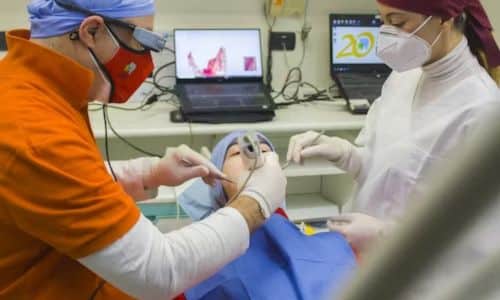
Introduction Dental fear is a common phenomenon that affects a significant portion of the population. The fear of going to the dentist can stem from various sources, such as past negative experiences, fear of pain, or simply the anticipation of the unknown. However, avoiding dental care due to anxiety can lead to serious oral health issues in the long run. The good news is that you can employ several effective strategies to overcome your fear of the dentist and ensure your oral health doesn’t suffer. In this article, we’ll explore five key things you need to know to conquer your dental anxiety. bout 36% of people in the U.S. have a fear of dental treatment, with 12% having an extreme fear. Understand the Source of Your Anxiety The first step in overcoming dental fear is to identify and understand the source of your anxiety. For many individuals, dental anxiety is rooted in past negative experiences. Maybe you had a painful dental procedure or felt a lack of control during a dental appointment. Understanding these triggers can help you communicate your concerns effectively with your dentist. Take time to reflect on your fears and jot down the reasons that make you anxious about visiting the dentist. Are you afraid of the pain? Is it the sound of dental instruments? Or is it a feeling of vulnerability? Once you pinpoint the causes, you can discuss them with your dentist, who can tailor their approach to help ease your anxiety. Communicate with Your Dentist Open and honest communication with your dentist is crucial in overcoming dental anxiety. A good dentist will listen to your concerns, take your feelings seriously, and work with you to create a comfortable visit environment. Before your appointment, schedule a consultation with your dentist to discuss your fears. This conversation can help you and your dentist understand your triggers and develop strategies to manage them. During the consultation, ask about the procedures you’re scheduled for, the expected level of discomfort, and any available pain management techniques. A clear understanding of what to expect can alleviate some of your fears. Also, establish a signal with your dentist indicating you need a break or feel uncomfortable during the procedure. This simple gesture can give you a sense of control throughout the appointment. Gradual Exposure and Desensitization Consider a gradual exposure and desensitization approach if your dental anxiety is severe. This involves gradually exposing yourself to dental environments and procedures in a controlled and comfortable manner. Start by visiting the dental office without any methods planned. This can help you become familiar with the setting and the staff without the pressure of impending treatment. Once comfortable with the office environment, schedule shorter appointments for simple procedures like teeth cleanings or examinations. As you become accustomed to these less invasive procedures, you can gradually progress to more complex treatments. This step-by-step approach can significantly reduce your anxiety and help you regain confidence in dental visits. Practice Relaxation Techniques Incorporating relaxation techniques into your dental anxiety management can make a difference. Techniques like deep breathing, progressive muscle relaxation, and mindfulness meditation can help calm your nerves and reduce stress before and during dental appointments. Before your appointment, find a quiet space to practice deep breathing exercises. Inhale deeply for a count of four, hold for four counts, and exhale for four. This technique can help regulate your breathing and lower your heart rate, providing a sense of calm. You can use visualization techniques during the appointment to transport your mind to a peaceful place. Imagine yourself on a beach or in a serene natural setting. This mental escape can distract you from the procedure and reduce anxiety. Many dental offices also offer distractions such as music, TV shows, or movies to help divert your attention during treatments. Seek Professional Support If your dental anxiety is deeply rooted and significantly impacting your oral health, seeking professional support is valuable. Therapists specializing in cognitive-behavioral therapy (CBT) can help you address your fears and develop coping strategies. CBT focuses on changing negative thought patterns and behaviors, helping you reframe your perspective on dental visits. Sometimes, your dentist may collaborate with a therapist to provide you with a comprehensive approach to overcoming your dental anxiety. This collaborative effort ensures that your anxiety’s emotional and physical aspects are addressed. Conclusion Dental anxiety is a legitimate concern but should not prevent you from receiving the necessary oral care. You can effectively overcome your fear of the dentist by understanding the source of your anxiety, communicating with your dentist, gradually exposing yourself to dental procedures, practicing relaxation techniques, and seeking professional support when needed. Remember that you have the power to take control of your anxiety and prioritize your oral health. With the right strategies and help, you can conquer dental fears and pave the way for a healthier, happier smile. FAQs How common is dental fear? Dental fear is widespread, affecting a significant portion of the population. It’s okay to feel nervous, but strategies exist to overcome it. Can dental procedures be painless? Yes, advancements in dental technology have made many procedures virtually painless. Dentists also offer various pain management options to ensure your comfort. What if I can’t afford sedation dentistry? Sedation dentistry can be beneficial, but if it’s not an option, communicate with your dentist about your anxiety. They can adjust their approach to make you more comfortable. Is dental anxiety the same as a dental phobia? While they’re related, dental anxiety and phobia are different. Phobia involves an extreme, irrational fear that can lead to avoiding dental care altogether. Can I bring someone with me to the appointment? Absolutely! Bringing a trusted friend or family member can provide emotional support and make you feel more at ease. How do I find a dentist who specializes in treating anxious patients? You can search online for dentists who advertise themselves as catering to anxious patients. Reading reviews and asking for
Why Are Some Patients Afraid of The Dentist

Fear and anxiety associated with dental visits are shared among many patients. For some individuals, sitting in a dentist’s chair can evoke intense dread, leading them to avoid necessary dental care. This fear often stems from various factors, including past negative experiences, fear of pain, loss of control, and the general perception of dental procedures. Understanding the underlying reasons behind dental anxiety is crucial for patients and dental professionals to develop effective strategies to alleviate these fears and ensure optimal oral health. This article explores why some patients fear the dentist and offer insights into managing dental anxiety. Previous Negative Experiences: One of the primary reasons patients develop dental anxiety is through past negative experiences. These experiences may involve painful treatments, insensitive dental professionals, or a lack of understanding and communication. Such encounters can leave a lasting impact, triggering a fear response during subsequent dental visits. Fear of Pain: Fear of pain is common for individuals who avoid dental visits. Anticipating discomfort, whether real or perceived, can intensify anxiety levels. Past painful experiences or stories from others can contribute to developing this fear, leading patients to postpone or cancel appointments, and resulting in potential oral health complications. Loss of Control: A sense of loss of control is another significant factor contributing to dental anxiety. Sitting in a dental chair, feeling vulnerable with tools and instruments inside the mouth, can trigger feelings of helplessness. Patients may fear being unable to communicate their discomfort or take breaks during procedures, adding to the overall apprehension. Fear of Judgement or Embarrassment: Some patients are anxious about the condition of their teeth and fear being judged or embarrassed by dental professionals. They may feel self-conscious about the appearance of their teeth, bad breath, or potential dental issues resulting from neglect. This fear can prevent individuals from seeking dental care, further exacerbating their oral health problems. Dental Phobia: In severe cases, individuals may experience an intense and irrational fear of dental visits. Dental phobia can be rooted in deep-seated anxieties, often stemming from traumatic experiences, such as dental accidents, invasive procedures, or a specific trigger associated with dental care. Patients with dental phobia may exhibit extreme distress, panic attacks, or even physical symptoms like sweating and trembling at the thought of a dental appointment. Sensory Overload: Dental environments can be overwhelming for some patients due to sensory stimuli. The sound of dental drills, the smell of antiseptic materials, or the bright lights can contribute to heightened anxiety. Individuals sensitive to sensory input may find it challenging to cope with these stimuli, further amplifying their fear and discomfort. Lack of Trust or Communication: Establishing trust and effective communication between dental professionals and patients is essential to overcoming dental anxiety. Some patients may have had negative experiences where they felt unheard or misunderstood by their dentists. A lack of clear and empathetic communication can exacerbate anxiety, making patients reluctant to voice their concerns or ask questions during appointments. Between 2023 and 2027, the revenue growth in the mouth care area of the beauty and personal care market in the United States was expected to slow by 1.4 percentage points. This general drop doesn’t always happen, especially not in 2027. In 2027, it is expected that the growth in sales will be 2.51 percent. source Managing Dental Anxiety: Open Communication: Dentists should encourage open and honest communication with their patients, allowing them to express their fears and concerns. Taking the time to listen actively and address any questions or uncertainties can help alleviate anxiety. Education and Information: Providing patients with detailed information about dental procedures, including the steps involved, potential sensations, and anesthesia or sedation, can help demystify the process. Knowledge empowers patients and reduces anxiety associated with the unknown. Relaxation Techniques: Incorporating relaxation techniques such as deep breathing exercises, mindfulness, or calming music during dental visits can help patients manage anxiety and promote a sense of control and relaxation. Gradual Exposure: An incremental exposure approach may be helpful for patients with severe dental anxiety or phobia. This involves gradually introducing them to dental environments, starting with simple and non-invasive procedures and progressing at a comfortable pace for the patient. Sedation Dentistry: In some instances, dentists may consider sedation dentistry to help alleviate anxiety. Options such as nitrous oxide (laughing gas), oral sedatives, or intravenous sedation can induce relaxation and minimize discomfort during dental procedures. Cognitive-Behavioral Therapy (CBT): CBT techniques can assist patients in reframing negative thoughts and emotions associated with dental visits. By working with a therapist, individuals can learn coping strategies to manage anxiety and gradually overcome their fear of the dentist. Conclusion: Dental anxiety is a prevalent issue that affects many patients and can have severe consequences for their oral health. Understanding the reasons behind this fear is essential for dental professionals to provide appropriate support and care. By fostering trust, open communication, and utilizing various anxiety management techniques, dentists can help patients overcome their fear and ensure regular dental visits, improving oral health and overall well-being.

