
Why Dental Checkups Every 6 Months Matter
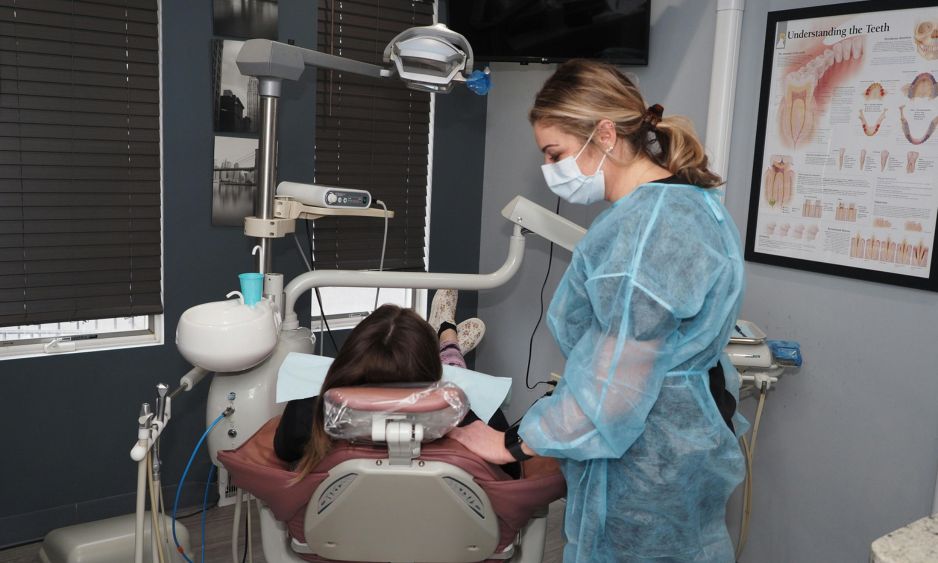
At Worthy Smiles, we believe that why dental checkups every 6 months matter is not just a question of oral health, but one of overall wellness. Too often, people delay routine visits because their teeth “feel fine.” However, research consistently shows that semi-annual dental visits are essential for prevention, early detection, and long-term savings on treatment costs. In this article, we’ll explore why consistent 6-month checkups are crucial, what dentists look for during exams, and how routine visits safeguard not just your smile but your health as a whole. The Importance of Preventive Care Preventive dental care is the foundation of a healthy smile. According to the American Dental Association, biannual visits allow dentists to catch issues before they develop into painful and costly problems. Statistic: Research published in the Journal of Dental Research shows that patients who maintain twice-yearly dental visits are 33% less likely to need major restorative procedures. (Source: JDR, 2023) During these visits, dentists provide professional cleanings, monitor oral health changes, and educate patients on best practices for home care. What Happens During a 6-Month Dental Checkup? Each checkup is more than just “a quick cleaning.” At Worthy Smiles, we ensure a comprehensive evaluation that includes: Professional cleaning to remove plaque and tartar buildup. Cavity detection through visual exams and, if needed, X-rays. Gum health assessment to spot early signs of periodontal disease. Oral cancer screening for early detection of abnormalities. Evaluation of bite and alignment to prevent long-term complications. As Mayo Clinic emphasizes, these preventive screenings are essential for maintaining oral and overall health. Early Detection Saves Smiles (and Money) Many dental problems—such as cavities, gum disease, and oral cancer—don’t cause pain in their earliest stages. Regular visits help identify these issues early. For example, catching a small cavity at a checkup may only require a simple filling, while waiting too long could lead to a costly root canal or even tooth loss. Tip: According to Colgate Professional, early treatment can reduce overall dental costs by up to 40%. The Link Between Oral Health and Overall Health The mouth is often described as the “gateway to the body.” Numerous studies confirm strong links between oral health and systemic conditions. Heart disease: Gum disease bacteria have been found in arterial plaque. Diabetes: Poor oral health can worsen blood sugar control. Respiratory infections: Inhaling bacteria from the mouth can contribute to lung infections. Pregnancy complications: Gum disease is associated with premature birth and low birth weight. According to Harvard Health Publishing, regular dental visits help reduce risks associated with these conditions by ensuring early treatment of gum disease and other oral health issues. Why Every 6 Months? Some patients wonder why the standard recommendation is every six months. While oral health needs can vary, this schedule provides a balance between prevention and practicality. Plaque and tartar buildup: Even with excellent brushing and flossing, professional cleaning is needed every six months. Gum disease progression: Periodontal disease can advance quickly if not monitored. Tooth decay: Cavities can form within months if left unchecked. Lifestyle factors: Diet, stress, and medications can all affect oral health more rapidly than people realize. The Cleveland Clinic confirms that twice-yearly dental visits remain the gold standard for maintaining optimal oral health. Long-Term Cost Savings Preventive care is far more affordable than restorative procedures. Consider the difference: Filling a small cavity: $150–$300 Root canal and crown: $2,000+ Tooth replacement (implant): $3,000–$5,000 By keeping up with semi-annual checkups, patients often avoid these costly treatments. As Delta Dental highlights, preventive care is one of the best investments for both health and finances. Creating a Routine That Sticks Consistency is the key to reaping the benefits of 6-month checkups. Here are some practical tips: Book your next appointment before leaving the office. Set reminders on your phone or calendar. Make it a family event by scheduling everyone’s checkups together. Reward yourself with something small after each visit to reinforce the habit. Statistic: A survey by the American Academy of Pediatric Dentistry shows that patients who pre-schedule their next checkup are 70% more likely to keep consistent appointments. Final Thoughts At Worthy Smiles, we emphasize that why dental checkups every 6 months matter goes beyond maintaining a bright smile—it’s about safeguarding long-term health and saving money. These visits provide an essential safety net against cavities, gum disease, and systemic health issues. By prioritizing your checkups, you’re investing in a healthier future for yourself and your family. FAQs About Dental Checkups Every 6 Months 1. Do I really need to visit the dentist every six months if my teeth feel fine? Yes. Many dental problems develop without pain or visible symptoms in the early stages. Regular checkups ensure early detection and treatment. 2. Can some people wait longer than six months between checkups? In rare cases, patients with excellent oral health may extend to annual visits, but most people benefit from the standard six-month interval. 3. How do dental checkups help prevent gum disease? Dentists remove plaque and tartar buildup, which are the main contributors to gum disease. They also monitor gums for early signs of inflammation. 4. Are dental checkups covered by insurance? Most dental insurance plans fully cover preventive visits, including cleanings and exams every six months. 5. What happens if I skip checkups for a year or more? Skipping checkups increases the risk of cavities, gum disease, and costly restorative treatments. It can also allow systemic health risks linked to oral health to go undetected. Also Read: Whitening vs. Brightening: What’s the Difference? How to Maintain Oral Health on a Busy Schedule Hormonal Changes & Oral Soft Tissue Response in Women
Common Habits That Harm Your Teeth

Common habits that harm teeth are often so ingrained in our daily routines that we don’t even realize the damage they’re causing. For many patients at Worthy Smiles, tooth decay, enamel erosion, or gum problems are not just caused by poor brushing—they’re a result of repeated everyday actions that slowly wear down dental health. The surprising part? Some of these habits seem harmless—or even healthy—at first glance. According to the Centers for Disease Control and Prevention (CDC), over 90% of U.S. adults aged 20–64 have experienced tooth decay, and a significant portion of this damage is linked to lifestyle and daily habits rather than genetics alone. In this blog, we’ll explore the most common habits that harm your teeth, explain why they’re problematic, and provide healthier alternatives so you can protect your smile for years to come. 1. Nail Biting Nail biting isn’t just a nervous habit—it can have a lasting impact on your oral health. The repeated pressure can cause small fractures in your teeth, shift tooth alignment, and introduce harmful bacteria into your mouth. Dentists from American Dental Association caution that this habit can also damage dental work like veneers or crowns. Healthier Alternative: Keep nails trimmed and use stress-relief techniques such as meditation or fidget tools to avoid biting. 2. Using Teeth as Tools Opening bottle caps, tearing plastic packaging, or loosening tight knots with your teeth may seem convenient, but it puts immense pressure on them. Colgate notes that using teeth in this way can cause chips, cracks, and even root damage, leading to costly dental repairs. Healthier Alternative: Always use the right tool for the job—a pair of scissors, a bottle opener, or a utility knife. 3. Chewing Ice Chewing ice might seem harmless because it’s just frozen water, but the extreme hardness can damage tooth enamel and cause microfractures. Cleveland Clinic warns that chewing ice can increase tooth sensitivity and trigger jaw pain, especially for those with fillings. Healthier Alternative: If you crave something to crunch, try chilled cucumber slices or baby carrots instead. 4. Grinding and Clenching (Bruxism) Stress, anxiety, or even unconscious nighttime habits can lead to bruxism. This condition can wear down enamel, cause headaches, and lead to jaw disorders. Johns Hopkins Medicine reports that bruxism often goes unnoticed until significant damage has occurred. Healthier Alternative: Wear a custom night guard from your dentist, practice jaw relaxation exercises, and address stress with mindfulness or therapy. 5. Overconsumption of Sugary Drinks Soda, sports drinks, and even certain fruit juices are packed with sugar and acids that erode enamel. According to Harvard T.H. Chan School of Public Health, sugary drinks are the leading source of added sugars in the American diet, significantly increasing the risk of cavities. Healthier Alternative: Drink water, herbal tea, or sugar-free beverages. If you do have a sugary drink, rinse your mouth with water afterward. 6. Brushing Too Hard Many people think vigorous brushing cleans teeth better, but it can actually wear away enamel and damage gums. Dentists at Mayo Clinic recommend using a soft-bristled toothbrush and gentle, circular motions for optimal cleaning. Healthier Alternative: Let the toothbrush do the work—firm but gentle pressure is enough. 7. Constant Snacking Frequent snacking increases the amount of time teeth are exposed to acids, especially if the snacks are sugary or starchy. WebMD explains that this constant exposure prevents saliva from neutralizing acids, leading to tooth decay. Healthier Alternative: Limit snacks to once or twice a day and choose nutrient-rich foods like cheese, nuts, or fresh vegetables. 8. Smoking and Tobacco Use Smoking doesn’t just stain your teeth—it significantly increases your risk for gum disease, tooth loss, and oral cancer. American Cancer Society states that tobacco users are six times more likely to develop oral cancers compared to non-users. Healthier Alternative: Seek professional help to quit, such as nicotine replacement therapy or counseling services. 9. Skipping Dental Checkups Many people only visit the dentist when they’re in pain, but preventative care is essential for long-term oral health. National Institute of Dental and Craniofacial Research emphasizes that regular checkups help catch problems early—before they become serious. Healthier Alternative: Schedule dental cleanings every six months, even if your teeth feel fine. 10. Biting Pens and Pencils This habit often develops unconsciously, especially during work or study sessions. The hard surface can chip teeth and wear down enamel. Healthier Alternative: Chew sugar-free gum or keep your hands busy with a small stress ball. 11. Ignoring Teeth Grinding in Kids Children can also grind their teeth, particularly during sleep. Left untreated, it can lead to premature wear and misalignment. Pediatric Dentistry Today advises parents to have a dentist evaluate children’s teeth if grinding is suspected. 12. Drinking Coffee and Red Wine Without Rinsing Beverages like coffee, tea, and red wine contain tannins that cause staining. Over time, they can yellow teeth and dull your smile. Healthline notes that coffee lovers are more likely to develop surface stains if they don’t rinse afterward. Healthier Alternative: Rinse with water immediately after drinking and maintain regular professional cleanings at Worthy Smiles. 13. Excessive Use of Whitening Products While whitening strips and toothpaste can brighten smiles, overuse can cause sensitivity and enamel erosion. American Academy of Cosmetic Dentistry recommends following product instructions closely and consulting a dentist before prolonged use. 14. Not Wearing a Mouthguard During Sports Sports injuries are a leading cause of chipped and broken teeth. Contact sports like football, hockey, and even basketball require protection. Healthier Alternative: Use a custom-fitted mouthguard from your dentist for the best comfort and safety. 15. Poor Hydration Saliva helps neutralize acids and wash away food particles. Without enough hydration, your risk of cavities and gum disease increases. National Institutes of Health reports that chronic dry mouth affects up to 30% of older adults, increasing the likelihood of dental problems. Healthier Alternative: Drink at least 8 glasses of water daily, and use sugar-free gum to stimulate saliva. Conclusion Breaking harmful habits is one of the most effective ways to protect your
How Professional Cleanings Prevent Serious Oral Issues

Maintaining oral health involves more than just brushing and flossing at home. While daily care is essential, professional dental cleanings offer an advanced level of prevention and protection that can’t be replicated with a toothbrush alone. These routine visits to your dentist are about more than just a polished smile—they’re critical to identifying early signs of serious oral health problems, removing harmful plaque, and protecting your teeth and gums long term. In this article, we’ll explore the key professional dental cleaning benefits and how they play a major role in preventing significant oral issues. Why Regular Dental Cleanings Matter Professional dental cleanings are usually recommended twice a year, and for good reason. Even the most diligent at-home brushing can’t remove all the plaque and tartar that builds up over time. When plaque hardens into tartar, it can’t be removed without specialized dental tools. Tartar buildup is a major contributor to gum disease, tooth decay, and even tooth loss. According to the American Dental Association (ADA), regular dental visits can help detect problems early, when they are easier and less costly to treat. By making cleanings a routine part of your healthcare, you can greatly reduce your risk for major dental problems down the road. Top Professional Dental Cleaning Benefits Dental cleanings do more than just make your teeth look and feel clean. Here are the most important professional dental cleaning benefits that directly help prevent serious oral health conditions: 1. Prevents Gum Disease Gum disease, or periodontal disease, is one of the most common oral health issues in adults. It begins as gingivitis—characterized by red, swollen gums that bleed easily—and can progress to periodontitis, where the gums pull away from the teeth and bone is lost. Professional cleanings remove plaque and tartar that contribute to this disease, especially around and below the gum line. The Centers for Disease Control and Prevention (CDC) estimates that nearly half of adults aged 30 or older show signs of gum disease. Preventive cleanings are the first line of defense in managing this common condition. 2. Reduces the Risk of Tooth Decay Even if you brush twice a day, it’s easy to miss areas in your mouth, especially between teeth or around dental work. Plaque is a sticky film of bacteria that thrives on leftover food particles and sugar, producing acids that erode enamel. When plaque isn’t removed, it hardens into tartar, which harbors even more bacteria. A professional cleaning helps eliminate these risk factors, reducing your chances of developing cavities. Early removal of plaque and tartar during cleanings is significantly more effective than waiting for decay to appear and require fillings or root canals. 3. Detects Early Signs of Oral Cancer Oral cancer can affect the lips, tongue, cheeks, and throat. During your cleaning appointment, your dentist will conduct a thorough oral cancer screening, looking for any signs of abnormalities such as lumps, red or white patches, or sores that won’t heal. Early detection significantly improves the chances of successful treatment. Tools such as VELscope and other enhanced screening technologies are often used during professional exams to identify changes in tissue that aren’t visible to the naked eye. 4. Helps Maintain Fresh Breath Chronic bad breath, or halitosis, can be more than just embarrassing—it may be a sign of underlying dental problems such as infections or excessive plaque buildup. Cleanings help remove the bacteria that cause odors, giving you a fresher and healthier mouth. 5. Protects Overall Health Your mouth is a gateway to the rest of your body. Numerous studies, including those cited by the National Institutes of Health (NIH), have linked oral health to systemic diseases such as heart disease, diabetes, respiratory infections, and even Alzheimer’s. Regular dental cleanings can help reduce inflammation and bacterial load, which may positively impact your overall health. Pro Tip: “Schedule cleanings every six months, but if you have gum disease, diabetes, or wear braces, your dentist may recommend more frequent visits to better manage your oral health.” 6. Prevents Tooth Loss Tooth loss isn’t an inevitable part of aging. In fact, it’s largely preventable with proper care. One of the leading causes of tooth loss in adults is untreated gum disease. As the disease progresses, the bone supporting the teeth deteriorates, leading to loose or shifting teeth. Routine cleanings help stop this process early by removing the plaque and tartar that irritate the gums and damage bone tissue. Combined with good home care, cleanings provide an effective defense against tooth loss. 7. Saves Money Over Time While dental cleanings are a modest investment, they can save you significant money in the long term. Treating advanced dental problems like root canals, crowns, or tooth extractions is far more expensive than regular preventive care. Insurance plans often cover preventive visits in full, making them both accessible and cost-effective. What to Expect During a Professional Cleaning If you haven’t had a cleaning in a while, you might wonder what the process entails. Here’s a quick overview: Physical Exam: Your hygienist examines your mouth for signs of inflammation, bleeding, or other issues. Plaque and Tartar Removal: Using a scaler, plaque and tartar are gently removed from above and below the gum line. Deep Cleaning: Teeth are polished with a high-powered electric brush and gritty toothpaste to remove surface stains. Flossing and Rinsing: A thorough flossing follows, and you may rinse with an antibacterial mouthwash. Fluoride Treatment (Optional): Some cleanings include a fluoride application to strengthen enamel and prevent cavities. How Often Should You Get a Professional Cleaning? For most individuals, professional cleanings every six months are sufficient. However, some may benefit from more frequent cleanings, especially those with: A history of gum disease Diabetes or heart disease Pregnancy (due to increased gum sensitivity) Smoking habits Orthodontic appliances like braces Talk to your dentist about a personalized cleaning schedule based on your specific health needs. Tips for Maintaining Oral Health Between Cleanings To make the most of your dental visits, it’s important to maintain a solid at-home routine. Here are

