
The Science Behind Fluoride: Protecting Your Enamel
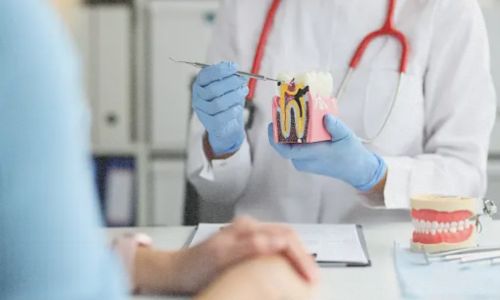
Introduction Enamel, the protective outer layer of our teeth, plays a crucial role in maintaining oral health. In dental care, fluoride has emerged as a key player in enamel protection and preventing decay. However, various factors, including poor dental hygiene and dietary choices, can lead to enamel erosion and compromise our dental well-being. In this article, we delve into the science behind fluoride and its role in safeguarding the enamel of your teeth. Understanding Enamel: The Guardian of Your Teeth Before we explore the protective effects of fluoride, it’s essential to understand the significance of enamel. Enamel is the hard outer layer of teeth that shields them from daily wear and tear, bacteria, and acids produced by plaque. Despite its resilience, enamel is not invincible, and exposure to acids and bacteria can lead to its erosion. This is where fluoride becomes a powerful ally in the battle against enamel deterioration. The Enamel Protection Cycle: How Fluoride Works Fluoride and Mineralization One of the primary mechanisms through which fluoride protects enamel is by promoting remineralization. When our teeth are exposed to acids, minerals such as calcium and phosphate are leached from the enamel. Fluoride helps replenish these lost minerals, contributing to the remineralization process. This strengthens the enamel and makes it more resistant to future acid attacks. Dental Plaque Disruption Fluoride also interferes with the activities of harmful bacteria in dental plaque. These bacteria produce acids that can erode enamel over time. By disrupting the plaque’s ability to generate acid, fluoride acts as a preventive barrier, reducing the risk of enamel damage. Investing in oral health prevention programs yields significant returns, with every $1 invested generating up to $5 in cost savings. (Source: World Health Organization) Fluoride in Oral Care Products: Choosing Your Defense Toothpaste: A Daily Dose of Protection When it comes to enamel protection, your choice of toothpaste matters. Many toothpaste brands incorporate fluoride into their formulations specifically for its enamel-strengthening properties. Look for products that carry the American Dental Association (ADA) seal, ensuring they meet the organization’s standards for safety and efficacy. Mouthwash and Fluoride Treatments In addition to toothpaste, fluoride mouthwashes and professional fluoride treatments provided by dental professionals can further enhance enamel protection. These products deliver a concentrated dose of fluoride, offering an extra defence against enamel erosion. Enamel Protection: Fluoride and Community Water Fluoridation Community water fluoridation is a widespread practice that involves adjusting the fluoride levels in public water supplies. This public health initiative has proven to be a cost-effective way to provide systemic enamel protection to entire communities. Studies have consistently shown a reduction in tooth decay in areas with optimally fluoridated water. Chronic gum disease affects nearly half of adults aged 30 and above, significantly impacting overall health and well-being. (Source: American Dental Association) Best Ways to Enamel Protection Ensuring the protection of enamel is vital for maintaining strong and healthy teeth. Here are some of the best ways to safeguard and fortify your enamel: Brushing with Fluoride Toothpaste: Choose a toothpaste that contains fluoride, a mineral renowned for its enamel-strengthening properties. Brush your teeth at least twice daily, especially after meals, to remove plaque and bacteria that can erode enamel. Enamel Protection: Proper Brushing Technique Use a soft-bristled toothbrush to avoid abrasive damage to the enamel. Brush gently in a circular motion, covering all surfaces of your teeth, including the front, back, and chewing surfaces. Flossing Regularly: Floss daily to remove plaque and debris between teeth and along the gumline where your toothbrush may not reach effectively. This helps prevent cavities and protects the enamel in hard-to-reach areas. Balanced Diet: Consume a well-balanced diet rich in vitamins and minerals, especially calcium and phosphorus, essential for enamel health. Limit the intake of acidic and sugary foods and beverages, as they can contribute to enamel erosion. Drink Water and Chew Sugar-Free Gum: Drink plenty of water throughout the day to help neutralize acids in the mouth and promote saliva production. Chewing sugar-free gum after meals can stimulate saliva flow, aiding in the remineralization of enamel. Regular Dental Check-ups: Schedule regular dental check-ups and cleanings to monitor the health of your enamel and address any emerging issues promptly. Professional dental cleanings help remove stubborn plaque and tartar that may contribute to enamel erosion. Fluoride Mouthwash: Enamel Protection Incorporate fluoride mouthwash into your oral care routine, especially if you are at a higher risk of developing cavities. Swishing with fluoride mouthwash can provide additional protection against enamel damage. Avoid Teeth Grinding: If you grind your teeth (bruxism), consider wearing a nightguard to prevent excessive wear and tear on your enamel. Addressing stress and anxiety, common causes of teeth grinding, can also contribute to enamel protection. Quit Smoking and Limit Alcohol Intake: Smoking and excessive alcohol consumption can contribute to enamel staining and erosion. Quitting smoking and moderating alcohol intake can positively impact enamel health. Community Water Fluoridation: If available in your area, consume tap water, as community water fluoridation is a proven method for enhancing enamel protection at a population level. Remember that consistency is key when it comes to enamel protection. Incorporating these practices into your daily routine and maintaining regular dental visits can contribute to your enamel’s long-term health and resilience. Conclusion: Enamel Protection Understanding the science behind enamel protection is crucial to maintaining optimal oral health. Fluoride, with its remarkable ability to promote remineralization and disrupt the activities of enamel-damaging bacteria, stands as a stalwart defender of our teeth. From daily oral care products to community-wide water fluoridation efforts, incorporating fluoride into our routines plays a pivotal role in safeguarding the integrity of our enamel. So, the next time you reach for your toothbrush, remember that you’re not just cleaning your teeth – you’re actively defending the fortress that is your enamel, ensuring a brighter, healthier smile for years to come. Frequently Asked Questions (FAQs) About Enamel Protection and Fluoride: Q1: What is enamel, and why is it important? A1: Enamel is the hard outer layer of our
Gum Disease Tips: A Comprehensive Guide to Prevention and Treatment
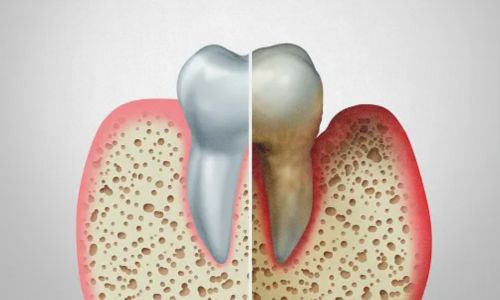
Gum disease, also known as periodontal disease, is a common oral health issue that can have serious consequences if left untreated. This comprehensive guide will explore essential gum disease tips for prevention and treatment, empowering you to take proactive steps towards maintaining healthy gums and a vibrant smile. Understanding Gum Disease Tips for Prevention Maintain Excellent Oral Hygiene Maintaining excellent oral hygiene is the cornerstone of preventing gum disease. In addition to regular brushing and flossing, consider incorporating an antimicrobial mouthwash into your routine to reduce bacteria and plaque further. Regular dental check-ups and professional cleanings are also crucial in preventing gum disease. Dentists can detect early signs of gum disease and provide necessary treatments to prevent it from progressing. Adopt a Balanced Diet A balanced diet rich in vitamins and minerals prevents gum disease. Eating various fruits and vegetables can help strengthen your immune system and promote gum health. Avoiding sugary foods and beverages can also reduce the risk of plaque buildup and tooth decay, contributing to gum disease. Additionally, staying hydrated by drinking plenty of water can help flush out harmful bacteria from your mouth and maintain saliva production, which aids in protecting your gums. Stay Hydrated for Oral Health Drinking adequate water helps flush away bacteria and debris, improving gum health. Furthermore, practising good oral hygiene habits, such as brushing twice daily and flossing daily, can significantly decrease the likelihood of developing gum disease. Regular dental check-ups and cleanings are also essential in detecting and treating any early signs of gum disease before it progresses. Regular Dental Check-ups and Cleanings Your dentist can provide professional cleanings, identify early signs of gum issues, and offer personalized advice for maintaining optimal oral health. In addition, regular dental check-ups allow for early detection of other dental problems, such as cavities or tooth decay, which can also contribute to gum disease if left untreated. Addressing these issues promptly can further reduce the risk of developing gum disease and maintain a healthy smile. Signs and Symptoms of Gum Disease: Tips for Early Detection Be Vigilant About Changes in Gum Health Being vigilant about changes in your gum health is crucial for early detection. Pay attention to any signs of recession, pockets forming between teeth and gums, and changes in the colour or texture of your gums. These can be indicators of gum disease and should be addressed by a dentist as soon as possible. Additionally, if you notice persistent bad breath or taste in your mouth, it could be a sign of gum disease and should not be ignored. Regular dental check-ups can help catch these signs early and prevent further complications. Know Your Risk Factors Factors such as smoking, diabetes, and hormonal changes can increase your susceptibility. Discuss your risk factors with your dentist for a personalized prevention plan. Other risk factors for gum disease include poor oral hygiene, genetic predisposition, and certain medications. It is important to inform your dentist about any medications you are taking as they may contribute to your risk. By understanding and addressing these risk factors, you can take proactive steps towards preventing gum disease and maintaining good oral health. Importance of Regular Self-Examinations Conduct regular self-examinations of your gums at home. Use a mirror to check for any abnormalities, swelling, or discolouration. Early identification through self-examinations can prompt timely dental intervention. Regular self-examining of your gums at home is crucial for maintaining good oral health. Using a mirror to check for abnormalities, swelling, or discolouration, you can identify early signs of gum disease and seek timely dental intervention. This proactive approach can help prevent the progression of gum disease and ensure the longevity of your oral health. Gum Disease and Systemic Health Learn about the connection between gum disease and overall health. Research suggests a link between gum health and conditions like heart disease and diabetes. Understanding this connection emphasizes the importance of gum disease prevention. Taking care of your gums not only promotes good oral health but also has a positive impact on your overall well-being. Studies have shown that gum disease can contribute to the developing certain systemic conditions, such as cardiovascular disease and diabetes. Therefore, preventing gum disease is essential for maintaining oral and systemic health. According to the World Health Organization (WHO), severe periodontal disease affects 10-15% of adults globally. Gum Disease Tips for Effective Home Care Use an Electric Toothbrush Enhance your oral care routine by using an electric toothbrush. The oscillating or rotating movements can reach areas that manual brushing might miss, providing a more thorough clean for your gums. In addition, electric toothbrushes often have built-in timers that ensure you brush for the recommended two minutes, further promoting optimal oral health. Furthermore, some electric toothbrushes come with different brush head options, allowing you to choose one specifically designed for gum health. Gum Massage and Gentle Brushing Incorporate gum massage techniques into your routine to improve blood circulation and stimulate gum health. Use gentle, circular motions while brushing to avoid irritation and promote overall gum well-being. These techniques can help prevent gum disease and reduce the risk of gum recession. Additionally, using a toothbrush with soft bristles can protect your gums from any potential damage during brushing. Importance of Proper Flossing Technique Mastering the proper flossing technique is vital for preventing gum disease. Flossing removes plaque and debris from between teeth and along the gumline, preventing the development of pockets where bacteria can thrive. Regular flossing also helps to stimulate blood flow to the gums, promoting their health and preventing gum recession. It is important to gently glide the floss between each tooth, reaching below the gumline for a thorough clean. By incorporating proper flossing techniques into your oral hygiene routine, you can maintain healthy gums and reduce the risk of gum disease. Consider Antiseptic Mouthwash In addition to regular brushing and flossing, consider incorporating an antiseptic mouthwash into your routine. Antiseptic mouthwash can help kill bacteria in the mouth that brushing and flossing may have missed, further
Invisible Braces: A Clear Path to a Confident Smile with Invisible Braces
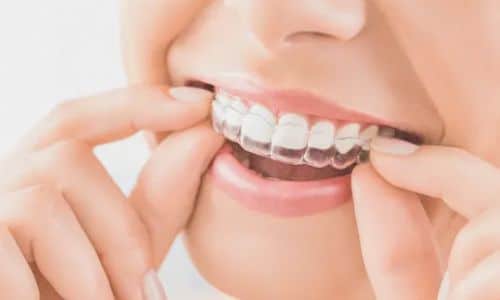
For many people, wearing braces conjures images of metal brackets and wires, a less-than-ideal look that can be particularly discouraging for adults. Thankfully, advancements in orthodontic technology have brought us a solution: invisible braces. These virtual braces offer a discreet and effective way to straighten teeth, perfect for anyone looking to achieve a confident smile without compromising appearance. But with so many different types and brands of braces available, it can be overwhelming to choose the right option. This comprehensive guide provides all the information you need about braces, from how they work to the various types available and the factors to consider when deciding. What are Invisible Braces? Clear aligners are a series of custom-made trays that fit snugly over your teeth. These trays are designed to apply gentle pressure, gradually shifting your teeth into their desired positions. Unlike traditional metal braces bonded directly to your teeth, braces are removable, allowing for greater flexibility and ease of use. Invisible braces are made of a clear, BPA-free plastic material that makes them virtually invisible when worn. This means you can straighten your teeth without drawing attention to your orthodontic treatment. Additionally, because they are removable, you can easily take them out to eat, brush, and floss, making maintaining good oral hygiene throughout your treatment easier. Types of Invisible Braces: There are two main types: Clear aligners: These are the most popular types of invisible braces. They are made from a thin, transparent plastic and are virtually invisible when worn. Invisalign is the most well-known brand of clear aligners, but many other companies offer similar products. Lingual braces: These braces are attached to the back of your teeth, making them completely invisible from the front. Lingual braces are more expensive than clear aligners and may require more adjustments. Statistics about Invisible Braces Global braces market size: Projected to reach USD 14.3 billion by 2030, growing at a CAGR of 23.5% from 2023 to 2030 (Source: Grand View Research) According to the ADA, over 6 million people worldwide have been treated with Invisalign, highlighting its widespread acceptance and popularity. The global clear aligners market size is projected to reach USD 18.8 billion by 2031, registering a CAGR of 23.1% (2023-2031). 1 in 5 orthodontic patients is over the age of eighteen. In a study, 49% of people surveyed declared that using Invisalign was much better when eating and chewing than patients who wore normal braces. Over 1,000,000 patients worldwide have been treated with Invisalign, and the number is increasing daily. The size of the worldwide Orthodontics market achieved USD 7493.98 Million in the year 2022. Anticipated expansion at a Compound Annual Growth Rate (CAGR) of 14.19%. The global Orthodontics market is projected to attain a valuation of USD 16615.69 Million throughout the forecast period. Benefits of Invisible Braces: Discreet and virtually invisible: Invisible braces offer a hidden, almost invisible way to straighten teeth. This is a huge advantage for adults and teenagers self-conscious about their appearance. Removable: Braces are removable, making them more comfortable to wear and easier to clean. This also allows you to eat and drink without any restrictions. In addition, invisible braces are more comfortable than traditional metal braces as they do not cause irritation or sores in the mouth. Furthermore, invisible braces can effectively correct dental issues like overcrowding, gaps, and misalignment. More comfortable: Braces are made from a smooth, comfortable plastic material, less likely to irritate your gums and cheeks than traditional metal braces. Additionally, invisible braces are custom-made to fit your teeth perfectly, ensuring a snug and comfortable fit. This reduces the likelihood of discomfort or pain during the treatment process. Faster treatment time: Invisible braces can sometimes provide shorter treatment times than traditional braces. These braces use advanced technology, such as computer modelling, to plan and accurately predict your teeth’ movement. This allows for more efficient and precise adjustments, resulting in shorter treatment durations. Additionally, braces require fewer visits to the orthodontist for adjustments, saving you time and hassle. Improved oral hygiene: Braces allow you to brush and floss your teeth more easily than traditional braces, which can help to improve your oral hygiene. This is because invisible braces are removable, allowing you to maintain your regular oral hygiene routine without obstructions. This can prevent plaque and bacteria buildup, reducing the risk of tooth decay and gum disease. Factors to Consider When Choosing Invisible Braces: Cost: Invisible braces can be more expensive than traditional ones. The cost will vary depending on the type of invisible braces you choose and the length of your treatment. It is important to consider your budget and insurance coverage when deciding on braces. It would be best if you also thought about the severity of your orthodontic issues and the recommended treatment plan by your orthodontist. The severity of your misalignment: Invisible braces may not suit everyone, especially those with severe misalignment. Your dentist will be able to assess your individual needs and determine if braces are right for you. In some cases, traditional braces or other orthodontic treatments may be more effective in correcting severe misalignment. It is important to consult your orthodontist thoroughly to discuss all available options and determine the best action for your specific needs. Compliance: As with any orthodontic treatment, success with invisible braces requires high compliance. You must wear your aligners for the recommended amount each day and switch to new aligners as your dentist prescribes. Failure to comply with these guidelines may result in slower progress or less effective results. Maintaining good oral hygiene during treatment is also important, as braces can make it more difficult to clean your teeth properly. Regular check-ups with your orthodontist will ensure that your treatment progresses as planned and any necessary adjustments can be made. Lifestyle: Braces are a good option for people on the go, as they are easily removable for meals, snacks, and teeth brushing. However, they may not be suitable for people prone to losing things, as the aligners can be expensive to replace. Additionally, it is important to
How are laser dental treatments better then the regular surgeries
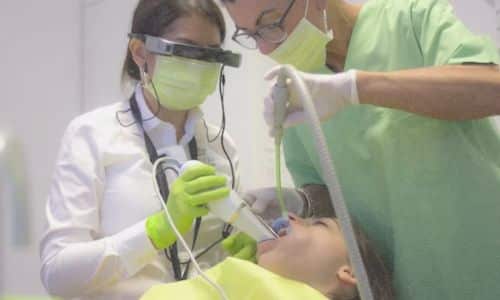
Introduction Laser dental treatments have revolutionized the landscape of oral healthcare, offering a cutting-edge alternative to traditional surgeries. These advanced procedures utilize focused beams of light to target and treat specific areas in the mouth, resulting in reduced pain, faster healing times, and minimal bleeding. With their precise and efficient nature, laser treatments have quickly become a preferred choice for both patients and dentists alike. In this comprehensive guide, we delve into the myriad ways in which laser dental treatments surpass regular surgeries. Understanding Laser Dental Treatments Laser dental treatments, harnessing the power of advanced laser technology, have emerged as a transformative approach to addressing various oral health issues. These treatments utilize focused light beams to target and treat specific areas precisely, presenting a host of advantages over conventional surgical methods. One major advantage of laser treatments is their ability to minimize pain and discomfort during and after the procedure. The focused light beams used in laser treatments are less invasive than traditional surgical tools, resulting in reduced bleeding, swelling, and the need for anesthesia. Additionally, laser dental treatments often promote faster healing times and can minimize the risk of infection due to their precise and targeted nature. The Advantages of Laser Dental Treatments Leser dental extends beyond pain reduction and includes reduced bleeding, swelling, and the need for anesthesia. Furthermore, laser treatments promote faster healing times and minimize the risk of infection due to their precise and targeted nature. Additionally, the use of lasers in dental procedures allows for more conservative treatment options, preserving more of the natural tooth structure compared to traditional methods. Explore the distinct advantages that make laser dental treatments a superior choice compared to regular surgeries. 1. Precision and Accuracy Laser dental procedures offer unparalleled precision, allowing dentists to target specific tissues without affecting surrounding areas. This not only reduces the risk of damage to healthy tissue but also ensures more accurate and successful treatment outcomes. Moreover, the use of lasers in dental procedures minimizes the need for incisions and sutures, leading to faster healing times and reduced post-operative discomfort for patients. This precision minimizes damage to healthy tissues, resulting in quicker healing times. 2. Reduced Discomfort and Pain Compared to traditional surgeries, laser dental procedures are associated with less discomfort and pain. This is because lasers cauterize blood vessels as they cut, reducing bleeding and swelling that can contribute to post-operative pain. Additionally, lasers can target specific areas with precision, minimizing trauma to surrounding tissues and nerves that can cause pain during recovery. The accuracy of lasers minimizes trauma to tissues, leading to a more comfortable experience for patients during and after the procedure. In addition to reducing discomfort and pain, laser treatments also offer faster healing times compared to traditional surgical methods. The precise nature of lasers allows for minimal scarring and promotes quicker tissue regeneration, resulting in a smoother recovery process for patients. Overall, the use of lasers in medical procedures not only enhances patient comfort but also improves the overall outcome of the treatment. The dental Lasers Market size is estimated to reach $321.5 million by 2027, growing at a CAGR of 5.4% during the forecast period 2022-2027. 3. Faster Healing Process The minimized damage to tissues and reduced post-operative discomfort contribute to a faster healing process with laser dental treatments. The use of lasers in dental treatments promotes speedier healing by stimulating the production of collagen, a protein that plays a crucial role in tissue repair. This accelerated healing process allows patients to recover more quickly and resume their normal activities sooner. Patients often experience shorter recovery times compared to traditional surgical methods. In addition, laser dental treatments also minimize the risk of infection as the high-energy beams sterilize the treatment area. This further enhances the healing process by preventing any potential complications that may arise from infections. Overall, the use of lasers in dental treatments not only speeds up recovery but also ensures a safer and more comfortable experience for patients. 4. Minimal Bleeding and Swelling Laser dental treatments are characterized by minimal bleeding and swelling, enhancing patient comfort and reducing the risk of complications. The laser’s precision allows for targeted treatment, minimizing damage to surrounding tissues and reducing the amount of bleeding during the procedure. Additionally, the laser’s ability to seal blood vessels as it works further reduces bleeding and swelling, resulting in a more comfortable experience for patients. The coagulating effect of lasers promotes a controlled and bloodless environment during the procedure. This restrained and bloodless environment not only improves visibility for the surgeon but also reduces the risk of infection. Furthermore, the use of lasers in surgical procedures often leads to faster healing times and less scarring compared to traditional methods. 5. Reduced Need for Anesthesia The precision of laser technology often reduces the need for extensive anesthesia during dental treatments. This is particularly beneficial for patients who may be sensitive or allergic to traditional anesthesia. In addition, the use of lasers in dentistry can also minimize the risk of potential side effects associated with anesthesia, such as nausea or drowsiness. This allows patients to recover faster and resume their daily activities without any lingering effects from anesthesia. This can lead to faster healing and reduced post-operative discomfort for patients. Additionally, the use of lasers can often eliminate the need for sutures or stitches, further enhancing the overall patient experience and reducing recovery time. The global dental laser market size was USD 241.74 Million in 2021 and is expected to register a revenue CAGR of 8.2% over the forecast period. Comparative Analysis: Laser Treatments vs. Regular Surgeries 1. Precision Laser Dental Treatments: High Precision Laser technology allows for focused and precise targeting of specific oral tissues, minimizing damage to surrounding areas. Regular Surgeries: Variable Precision Traditional surgical methods may have variable precision, leading to a potential impact on adjacent tissues. This can result in a longer recovery time and increased risk of complications. Additionally, the precision of laser dental treatments allows for more accurate
Minimally Invasive Dentistry: Techniques for Preserving Natural Teeth
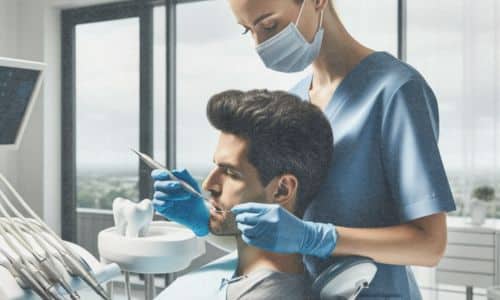
Introduction to Minimally Invasive Dentistry Minimally Invasive Dentistry is a revolutionary approach that prioritizes the preservation of natural teeth through advanced techniques and technologies. This comprehensive guide explores the principles, techniques, and benefits of Minimally Invasive Dentistry, shedding light on how this approach is transforming dental care. By focusing on preserving natural teeth, Minimally Invasive Dentistry aims to minimize the need for extensive dental procedures such as extractions and implants. This not only helps patients maintain their oral health but also reduces the overall cost and discomfort associated with traditional dental treatments. Understanding Minimally Invasive Dentistry Defining Minimally Invasive Dentistry Minimally Invasive Dentistry focuses on preserving as much healthy tooth structure as possible while addressing dental issues. This patient-centric approach aims to minimize the removal of natural tooth material during treatments. By utilizing advanced technology and techniques, dentists can now detect and treat dental problems at an early stage, preventing the need for more invasive procedures. This approach not only promotes better long-term oral health but also improves the patient’s overall experience at the dentist. Key Principles 1. Preservation of Healthy Tooth Structure The core principle of Minimally Invasive Dentistry is to retain as much healthy tooth structure as possible. This is achieved by using conservative treatment methods. These methods include using smaller and more precise dental instruments, as well as employing advanced imaging technology to diagnose and target specific areas of concern accurately. By preserving healthy tooth structure, patients can maintain the strength and integrity of their natural teeth for longer periods. Additionally, this approach reduces the need for extensive dental work, such as crowns or implants, which can be costly and time-consuming for patients. 2. Early Intervention Timely intervention is crucial in Minimally Invasive Dentistry. Detecting and addressing dental issues in their early stages helps prevent the need for more extensive treatments. Early intervention allows dentists to identify and treat dental problems before they progress, resulting in less invasive procedures and a higher chance of successful outcomes. This proactive approach also helps patients avoid unnecessary discomfort and expenses associated with advanced dental issues. In addition, timely intervention in Minimally Invasive Dentistry can also help preserve the natural structure of the teeth. By addressing dental problems early on, dentists can prevent further damage or decay, allowing for more conservative treatments that keep as much of the tooth as possible. This not only maintains the aesthetic appearance of the smile but also promotes long-term oral health and overall well-being. 3. Biomimetic Dentistry Biomimetic Dentistry, an integral part of Minimally Invasive Dentistry, involves mimicking the natural structure and function of teeth. This ensures restorations blend seamlessly with the existing dentition. By using biomimetic techniques, dentists can preserve as much of the natural tooth structure as possible, reducing the need for extensive drilling and removal of healthy tooth material. This approach not only enhances the longevity of restorations but also promotes overall oral health by maintaining the integrity of the remaining teeth. Techniques in Minimally Invasive Dentistry 1. Air Abrasion Air abrasion is a minimally invasive technique that uses a stream of tiny particles to remove decay and prepare the tooth for restoration. This method is less traumatic to the tooth compared to traditional drilling, resulting in less discomfort for the patient and preserving more of the natural tooth structure. Additionally, air abrasion eliminates the need for anesthesia in many cases, making it a preferred option for patients who are anxious or sensitive to dental procedures. Air abrasion is also a quieter and faster procedure compared to traditional drilling, reducing the overall time spent in the dental chair. Furthermore, this technique allows for more precise removal of decay, resulting in better retention of fillings and restorations. 2. Laser Dentistry Laser technology in dentistry allows for precise and minimally invasive procedures. It can be used for a variety of treatments, including cavity detection, gum disease treatment, and even teeth whitening. Laser dentistry minimizes the need for anesthesia and reduces post-operative discomfort. In addition, laser dentistry also promotes faster healing and reduces the risk of infection as it cauterizes blood vessels during procedures. This makes it a popular choice for patients seeking a quicker recovery time and improved overall oral health. 3. Composite Bonding Composite Bonding is a minimally invasive technique where a tooth-colored resin material is applied to the tooth surface to repair chips, cracks, or gaps. It requires minimal removal of the natural tooth structure and provides a durable and aesthetically pleasing result. Composite bonding is also a great option for patients who want to improve the appearance of their teeth without undergoing more extensive procedures like veneers or crowns. Additionally, the resin material used in composite bonding can be easily matched to the natural color of the patient’s teeth, creating a seamless and natural-looking smile. 4. Sealants Dental sealants act as protective shields, preventing decay in the deep grooves of molars. Applying sealants is a simple and effective minimally invasive preventive measure. Sealants are typically made of a thin plastic material that is applied to the chewing surfaces of the back teeth. This creates a barrier that helps to keep out food particles and bacteria, reducing the risk of cavities in these hard-to-reach areas. Sealants are often recommended for children and teenagers, as they are more prone to developing cavities in their molars. Regular dental check-ups are necessary to ensure that the sealants remain intact and effective in preventing decay. Recent studies show that Minimally Invasive Dentistry has gained significant popularity, with a 20% increase in patients opting for these procedures in the last five years. This reflects a growing awareness of the benefits associated with preserving natural teeth. Benefits of Minimally Invasive Dentistry 1. Preservation of Natural Teeth The primary benefit is the preservation of natural teeth. Minimally Invasive Dentistry ensures that only the necessary amount of tooth structure is removed during treatments. This means that more of the natural tooth is preserved, leading to better long-term oral health and function. Additionally, keeping natural
3D Printing in Dentistry: Custom Solutions for Patients

Introduction In the ever-evolving landscape of dental technology, 3D printing has emerged as a revolutionary force, ushering in a new era of customized solutions for patients. This article delves into the profound impact of 3D Printing in Dentistry, exploring its applications, benefits, challenges, and the transformative role it plays in shaping the patient experience. From creating precise dental models and prosthetics to facilitating faster and more efficient treatment planning, 3D printing has revolutionized the field of dentistry. By allowing for the production of highly accurate and personalized dental solutions, this technology has significantly improved patient outcomes and satisfaction. However, like any emerging technology, there are still challenges to overcome in terms of cost, accessibility, and regulatory considerations. Nonetheless, the transformative potential of 3D printing in dentistry is undeniable, promising a future of dental care. Understanding 3D Printing in Dentistry Understanding 3D Printing in Dentistry is crucial for both dental professionals and patients. It involves the use of computer-aided design (CAD) software to create a digital model of a patient’s teeth, which is then sent to a 3D printer for fabrication. This process allows for the creation of precise and customized dental prosthetics. Examples are crowns, bridges, and aligners that fit perfectly in a patient’s mouth. What is 3D Printing in Dentistry? 3D Printing in Dentistry involves the use of additive manufacturing techniques to create precise and customized dental components. It also ranges from crowns and bridges to implants. These components are made by layering materials, such as ceramics or metals, based on digital models of a patient’s teeth or oral structures. This technology allows for greater accuracy and efficiency in dental procedures. Also, it reduces the need for traditional methods that can be time-consuming and less precise. However, the widespread adoption of 3D printing in dentistry still faces challenges, such as the high cost of equipment and materials. It limited accessibility to the technology in certain regions, and there was a need for regulatory guidelines to ensure patient safety. How Does 3D Printing Work in Dentistry? The process begins with a digital scan of the patient’s oral cavity. The 3D printer then translates this digital data into physical objects layer by layer, resulting in highly accurate and patient-specific dental solutions. These solutions can include dental implants, crowns, bridges, and orthodontic aligners. The ability to create these custom-made dental solutions allows for improved patient comfort and faster treatment times compared to traditional methods. However, further research and development are needed to address the current challenges and fully integrate 3D printing into routine dental practice. The global dental 3D printing market, in terms of revenue, was estimated to be worth $3.0 billion in 2023 and is poised to reach $6.7 billion in 2028, growing at a CAGR of 17.5% from 2023 to 2028. Source. The Benefits of 3D Printing in Dentistry Precision and Customization 3D Printing in Dentistry allows for unparalleled precision, ensuring that dental prosthetics fit seamlessly into the patient’s unique oral anatomy. Customization is key, leading to enhanced comfort and functionality. In addition, 3D printing in dentistry enables the creation of highly detailed and intricate dental models, which can aid in treatment planning and improve overall patient outcomes. This level of precision and customization ultimately results in better patient satisfaction and long-term oral health. Furthermore, 3D printing in dentistry reduces the need for manual adjustments and remakes, saving both time and resources for dental professionals. Additionally, the technology allows for faster production of dental prosthetics, allowing patients to receive their customized restorations in a shorter amount of time. Time and Cost Efficiency The efficiency of 3D printing significantly reduces the time required for producing dental components. This not only expedites the treatment process but also contributes to cost savings for both practitioners and patients. Additionally, 3D printing allows for the simultaneous production of multiple dental components, further increasing time efficiency. This technology also eliminates the need for outsourcing or waiting for traditional manufacturing methods. It reduces costs associated with third-party production and shipping. Furthermore, 3D printing offers the advantage of customization, as dental components can be tailored to fit each patient’s unique needs and preferences. This ensures a higher level of comfort and accuracy in dental treatments. Moreover, the use of 3D printing in dentistry promotes sustainability by minimizing material waste compared to traditional manufacturing methods. Minimally Invasive Procedures With precise measurements and customized solutions, 3D printing enables minimally invasive procedures. Patients experience less discomfort, and recovery times are often shorter compared to traditional methods. Additionally, 3D printing allows for the creation of complex dental structures that are more durable and long-lasting, improving the overall success rate of dental procedures. This technology also offers the potential for personalized treatment plans. Dentists can easily modify and iterate on designs to meet each patient’s unique needs. Furthermore, 3D printing in dentistry has the advantage of reducing the risk of human error in fabricating dental prosthetics and implants. This precision ensures a better fit and functionality, ultimately leading to improved patient satisfaction. Additionally, the use of 3D printing can potentially lower costs for both dental professionals and patients by eliminating the need for outsourcing or expensive materials. Applications of 3D Printing in Dentistry Dental Crowns and Bridges 3D printing revolutionizes the creation of dental crowns and bridges, ensuring a perfect fit and natural appearance. The technology allows for the production of intricate designs that were once challenging to achieve. This not only enhances the aesthetic outcome but also improves the functionality and durability of dental restorations. Furthermore, 3D printing enables dentists to create these restorations in a shorter amount of time, reducing the waiting period for patients and increasing overall efficiency in dental practices. In addition, 3D printing technology provides dentists with the ability to make adjustments and modifications to dental restorations more easily. This flexibility allows for a more personalized and precise fit for each patient, resulting in improved comfort and long-term satisfaction. Dental Implants Customized dental implants, tailored to the patient’s anatomy, are now a
Digital Impressions vs. Traditional Impressions: Which Is Better for Dental Procedures?
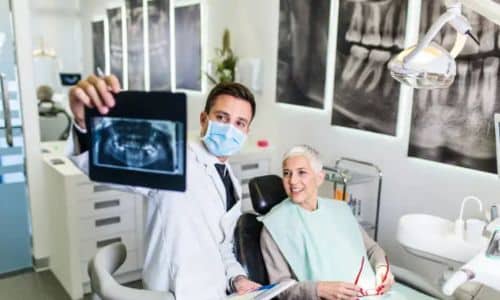
Discover the ultimate guide to Digital Impressions vs. Traditional Impressions for dental procedures. Uncover insights, expert opinions, and FAQs, helping you make an informed decision. Digital Impressions vs. Traditional Impressions In the world of dentistry, the use of digital technology has revolutionized many aspects of dental procedures, including impressions. Digital impressions involve using advanced scanning technology to create a highly accurate 3D model of a patient’s teeth and gums. On the other hand, traditional impressions rely on using impression materials such as dental putty to create teeth molds. Both methods have advantages and disadvantages, making it essential for dental professionals and patients to understand their differences. In the ever-evolving landscape of dentistry, the choice between Digital Impressions and Traditional Impressions has become a pivotal decision for practitioners. As technology continues to advance, digital impressions have emerged as a modern alternative to traditional impressions in dental procedures. While both methods have their advantages and disadvantages, understanding the differences between them can help dentists make an informed decision that best suits their practice and patients’ needs. This comprehensive guide aims to unravel the intricacies of both methods, shedding light on their pros, cons, and their impact on dental procedures. Digital vs. Traditional Impressions: Understanding the Significance In the realm of dental procedures, the choice between Digital Impressions vs. Traditional Impressions holds immense significance. The impression process serves as the foundation for various treatments, making it crucial to explore the merits and demerits of both techniques. Digital Impressions, also known as intraoral scanning, involve the use of advanced technology to create a 3D digital model of a patient’s teeth and gums. On the other hand, Traditional Impressions rely on the use of impression materials such as alginate or silicone to capture a physical mold of the patient’s oral structures. By delving into the intricacies of both methods, we can gain a comprehensive understanding of their impact on dental procedures and ultimately make informed decisions for optimal patient care. Digital Impressions Definition and Technology Behind Digital Impressions Digital Impressions leverage cutting-edge technology, utilizing intraoral scanners to create highly detailed 3D images of the patient’s teeth and oral structures. This advancement has revolutionized the dental field, offering a faster and more efficient alternative to traditional methods. In addition to providing detailed 3D images, digital impressions also eliminate the need for messy and uncomfortable traditional impression materials. This not only improves patient comfort but also reduces the risk of errors or inaccuracies in the impressions, leading to more precise treatment planning and better outcomes for patients. Benefits of Dental Procedures in Digital vs Traditional Impressions Digital Impressions boast several advantages, such as rapid data acquisition, improved accuracy, and enhanced patient comfort. Dental practitioners find these digital scans invaluable for tasks ranging from crown placements to orthodontic treatments. With digital impressions, the need for messy and uncomfortable traditional impression materials, such as putty or alginate, is eliminated. This not only makes the process more pleasant for patients but also reduces the chances of gagging or discomfort during the procedure. Additionally, digital impressions can be easily stored and shared electronically, allowing for efficient communication between dental professionals and laboratories, ultimately saving time and improving overall treatment efficiency. Limitations to Consider Despite the benefits, it’s essential to acknowledge the limitations of Digital Impressions. Factors like initial setup costs and the need for ongoing training for dental staff may pose challenges for some practices. Another limitation to consider is the potential for technical glitches or malfunctions with the digital impression equipment, which could disrupt workflow and require troubleshooting. Additionally, some patients may feel uncomfortable or anxious with the digital impression process, as it involves having a scanning device placed in their mouth. Traditional Impressions Traditional Impressions involve the use of impression materials like alginate or silicone to capture the dental structure manually. While a longstanding practice, it comes with its own set of pros and cons. On the positive side, traditional impressions allow for a high level of accuracy and detail in capturing the dental structure. Dentists also have more control over the process, as they can visually inspect the impression before sending it to the lab. However, traditional impressions can be time-consuming and messy, requiring additional steps such as mixing materials and cleaning up afterward. Pros and Cons in Dental Settings Traditional Impressions offer familiarity and cost-effectiveness, but they may lack the precision and efficiency of their digital counterparts. Understanding these trade-offs is crucial when deciding which method aligns with the goals of a dental practice. Digital impressions, on the other hand, utilize advanced technology to create highly accurate and detailed impressions in a shorter amount of time. This can lead to improved patient comfort and satisfaction, as well as streamlined workflows for dental professionals. However, the initial investment in digital equipment and training may be a barrier for some dental practices. A patient satisfaction survey revealed that 8 out of 10 patients prefer digital vs. traditional impressions, citing the quicker, more comfortable experience as a critical factor in their choice. Comparing Accuracy Precision of Digital vs. Traditional Impressions One of the critical considerations in choosing an impression method is accuracy. Digital Impressions tend to provide more precise measurements, reducing the chances of errors seen in traditional approaches. This heightened accuracy can lead to better-fitting restorations and improved patient outcomes. In addition to accuracy, digital impressions also offer the advantage of being more time-efficient compared to traditional methods. With digital technology, the process of capturing and storing impressions can be done quickly and easily, allowing for faster turnaround times and increased productivity in dental practices. Cost Considerations of Digital vs Traditional Impressions The financial aspect plays a pivotal role in decision-making for dental practices. While Digital Impressions may involve higher upfront costs, they often prove cost-effective in the long run due to reduced material expenses and improved workflow efficiency. In addition, digital impressions eliminate the need for physical storage space for bulky impression materials, saving on overhead costs. Furthermore, the increased accuracy of digital impressions reduces
Whitened Teeth: Prolonging Your Bright Smile

Discover the best ways to keep your c with our expert tips on maintaining whitened teeth. Learn how to protect your bright smile effectively. As we age, dietary habits, lifestyle choices, and normal wear and tear may influence the brightness of your smile. Fortunately, there are numerous approaches to keeping your teeth white, no matter how discolored they have become. From practicing good oral hygiene habits, such as brushing and flossing regularly, to avoiding foods and beverages that can stain your teeth, like coffee and red wine, there are simple steps you can take to maintain a bright smile. Additionally, professional teeth whitening treatments and at-home whitening kits can help restore and enhance the whiteness of your teeth. In this post, we are sharing our top 10 tips for keeping your smile bright! Introduction Maintaining whitened teeth is not just about aesthetics; it also reflects good oral health and hygiene. A bright, white smile can boost your confidence and leave a lasting impression. In this comprehensive guide, we will delve into the secrets of achieving and preserving those pearly whites. From proper brushing and flossing techniques to avoiding stain-causing foods and beverages, we will provide practical tips to ensure your teeth stay white and healthy. Additionally, we will explore the importance of regular dental check-ups and professional cleanings in maintaining a radiant smile. Let’s explore the tips and tricks that can help you keep your smile dazzling for years. The Power of Regular Brushing and Flossing To maintain whitened teeth, you must start with the basics. Regular brushing and flossing are the cornerstone of good oral hygiene. Ensure you brush at least twice a day, preferably after meals. Use fluoride toothpaste and a soft-bristle toothbrush to prevent damage to the enamel. Don’t forget to floss to remove food particles stuck between your teeth. Flossing also helps to prevent gum disease and reduces the risk of tooth decay. Additionally, incorporating mouthwash into your oral hygiene routine can freshen your breath and kill bacteria that may cause plaque buildup. Choose the Right Toothpaste Selecting the right toothpaste can make a significant difference in preserving your bright smile. Opt for toothpaste with whitening properties. These toothpaste varieties often contain mild abrasives that help remove surface stains. In addition, look for toothpaste that contains fluoride. Fluoride helps strengthen tooth enamel and can prevent cavities. Remember to brush your teeth at least twice daily for two minutes to ensure optimal oral health. A Balanced Diet for Whiter Teeth Your diet plays a vital role in maintaining whitened teeth. Consume a balanced diet rich in fruits, vegetables, and dairy products. Crunchy fruits and vegetables, such as apples and carrots, can act as natural teeth cleaners. Additionally, dairy products like cheese help protect your tooth enamel. Including calcium-rich foods, such as milk and yogurt, can also contribute to stronger teeth. It is essential to limit the consumption of sugary and acidic foods and drinks, as they can erode tooth enamel and lead to discoloration. Limit Staining Foods and Beverages Certain foods and drinks are notorious for staining teeth. Coffee, tea, red wine, and dark-colored berries can dull your smile over time. While you don’t have to eliminate them, it’s wise to consume them in moderation. Use a straw when drinking staining beverages to minimize contact with your teeth. Additionally, practicing good oral hygiene habits, such as brushing and flossing regularly, can help remove surface stains and prevent them from becoming deeply embedded in the enamel. It is also recommended to visit a dentist for professional cleanings and teeth whitening treatments to maintain a bright smile. Professional Teeth Whitening Consider professional teeth whitening treatments from a qualified dentist. These treatments are more effective than over-the-counter options and can provide dramatic results quickly. In-office teeth whitening treatments often use more vital bleaching agents and advanced techniques to remove stubborn stains and discoloration. Additionally, dentists can customize the treatment to suit individual needs and ensure the procedure’s safety. Proper Oral Hygiene Habits Besides brushing and flossing, developing good oral hygiene habits can be a game-changer. Regular visits to the dentist for professional cleanings and check-ups are essential for maintaining oral health. Additionally, using mouthwash and avoiding tobacco products can further enhance the effectiveness of oral hygiene habits. Use an antimicrobial mouthwash to reduce bacteria that cause plaque and bad breath. Don’t forget to clean your tongue, where bacteria can also accumulate. Regular Dental Check-Ups Scheduling regular dental check-ups is crucial for maintaining whitened teeth. Your dentist can detect issues early and recommend the best treatments. Professional cleanings can also remove stubborn stains. In addition, regular dental check-ups can help prevent and detect gum disease, which can lead to tooth loss if left untreated. Your dentist will also examine your mouth for signs of oral cancer, ensuring early detection and treatment if necessary. Avoid Smoking and Tobacco Products Smoking and tobacco products can have a detrimental impact on the color of your teeth. These products not only stain teeth but also harm your overall oral health. Quitting or reducing tobacco use can significantly contribute to a brighter smile. In addition to avoiding smoking and tobacco products, it is essential to maintain a healthy oral hygiene routine. Brushing your teeth twice daily and flossing daily can help prevent plaque buildup and keep your teeth looking whiter. Regularly using whitening toothpaste or mouthwash can also help maintain the brightness of your smile. Hydration Is Key Water is not only essential for your overall health but also for your oral health. Drinking water helps rinse away food particles and acids that can damage your teeth. It also prevents dry mouth, which can lead to bad breath and tooth decay. In addition, water is an excellent alternative to sugary drinks that can erode tooth enamel and contribute to tooth decay. Ensuring you stay hydrated throughout the day can help maintain a healthy and vibrant smile. Protect Your Teeth from Injury Accidents happen, and protecting your teeth from injury is crucial. Use a mouthguard when
The Role of Nutrition in Preventing Gum Diseases
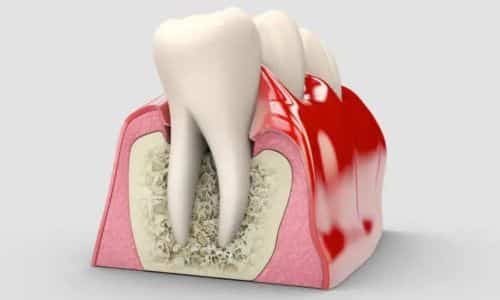
Explore the critical connection between gum diseases and nutrition. Learn how dietary choices impact oral health and discover practical tips for preventing gum diseases through proper nutrition. Discover nutrition’s critical role in maintaining healthy gums and preventing gum diseases. Find out how certain nutrients, such as vitamin C and calcium, can strengthen your gums and protect against infections. Implementing a well-balanced diet and avoiding sugary foods can significantly improve oral health and reduce the risk of gum diseases. Introduction Good oral health is essential for our overall well-being. However, many people underestimate the significance of proper nutrition in maintaining healthy gums. In addition to regular brushing and flossing, a nutritious diet is crucial in preventing gum diseases. Nutrients like vitamin C help boost collagen production, which is vital for maintaining the integrity of gum tissues. Similarly, calcium helps strengthen the jawbone and teeth, providing a solid foundation for healthy gums. In this comprehensive guide, we’ll delve into the topic of the role of nutrition in preventing gum diseases. We’ll explore how dietary choices affect gum health and provide valuable insights to help you maintain a beautiful smile. Let’s get started! Gum Diseases and Nutrition: A Holistic Approach Diving into the heart of the matter, it’s crucial to understand the intricate relationship between gum diseases and nutrition. Research has shown that poor nutrition can weaken the immune system, making it harder for the body to fight infections and inflammation in the gums. Certain nutrients like vitamin C and calcium are crucial in maintaining healthy gum tissue and preventing gum diseases. Adopting a holistic approach to oral health that includes a balanced diet can significantly reduce your risk of developing gum diseases and maintain optimal gum health. Understanding Gum Diseases Before discussing nutrition’s impact, let’s first understand gum diseases. Gum or periodontal diseases encompass various conditions affecting the tissues supporting your teeth. These conditions can vary from mild gum inflammation (gingivitis) to severe infections leading to tooth loss (periodontitis). Gum diseases are primarily caused by plaque buildup, a sticky film of bacteria that forms on the teeth. Poor oral hygiene, smoking, certain medications, and genetic factors can also contribute to the development of gum diseases. It is important to note that gum diseases affect oral health and are linked to systemic conditions such as heart disease and diabetes. The Role of Nutrition in Gum Health Your diet plays a pivotal role in maintaining healthy gums. Proper nutrition can help prevent gum diseases and promote overall oral health. Here’s how it works: 1. Nutrients for Gum Health Vitamin C: Vitamin C is essential for gum health as it helps to maintain the collagen in your gums. Collagen is a connective tissue that supports and keeps your gums attached to your teeth. Strawberries, broccoli, Citrus fruits, and bell peppers are excellent sources of vitamin C. Including these foods in your diet can help ensure you get enough vitamin C to support healthy gums. Vitamin C also has antioxidant properties that can help reduce inflammation in the gums and prevent gum diseases. Calcium: Calcium is necessary for strong teeth and bones and supports gum health. Dairy products like yogurt, cheese, leafy greens, and almonds are rich in calcium. These calcium-rich foods can help strengthen your teeth and bones and promote healthy gums. Adequate calcium intake is essential for maintaining oral health and preventing tooth decay and gum disease. Vitamin D: Vitamin D helps your body absorb calcium, making it crucial for gum and tooth health. This can be obtained from sources such as fatty fish, fortified dairy products, and exposure to sunlight. In addition to promoting gum and tooth health, vitamin D reduces inflammation and supports the immune system. Ensuring you get enough vitamin D to maintain optimal oral health and prevent oral infections is essential. Antioxidants: Antioxidants, such as vitamin E and beta-carotene, can reduce inflammation in the gums. Foods like nuts, seeds, spinach, and sweet potatoes contain these beneficial nutrients. Including these foods in your diet can help promote healthy gums and prevent gum disease. Additionally, antioxidants can help protect against damage caused by free radicals, contributing to oral health issues. Omega-3 Fatty Acids: Omega-3 fatty acids have anti-inflammatory properties that can benefit gum health. Fatty fish like salmon and walnuts are excellent sources of omega-3 fatty acids. Including these foods in your diet can help reduce inflammation in the gums and improve oral health. Omega-3 fatty acids have also been linked to a lower risk of periodontal disease, a severe form of gum disease that can lead to tooth loss if left untreated. 2. Hydration Matters Adequate water consumption helps maintain saliva production, your body’s natural defense against oral bacteria. Saliva helps wash away food particles and neutralize acids that can erode tooth enamel. Staying hydrated also prevents dry mouth, which can increase the risk of tooth decay and bad breath. Remember to drink water throughout the day to keep your mouth healthy and well-hydrated. 3. Balancing Act A balanced diet ensures your body gets all the nutrients it needs for gum health. Avoid excessive sugar and processed foods, leading to plaque buildup and gum disease. Instead, incorporate plenty of fruits, vegetables, lean proteins, and whole grains into your diet. These foods provide essential vitamins and minerals supporting gum health and oral hygiene. Maintaining a balanced diet can also help prevent other oral health issues, such as tooth decay and bad breath. Practical Tips for Gum Disease Prevention Now that you understand the importance of nutrition in gum health let’s explore some practical tips to prevent gum diseases. 1. A Diet Rich in Fresh Fruits and Vegetables Incorporate a variety of fresh fruits and vegetables into your diet. These are packed with essential vitamins and antioxidants that promote gum health. Some examples of fruits and vegetables that are particularly beneficial for gum health include leafy greens, citrus fruits, and berries. Additionally, chewing on crunchy fruits and vegetables can help stimulate saliva production, which can aid in washing away bacteria and food
The Silent Threat: How Gum Diseases Risks Can Progress Unnoticed
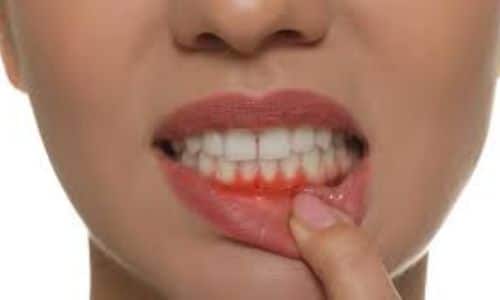
Explore the insidious nature of gum diseases and the risks associated with their silent progression. Learn how to protect your oral health. Introduction Oral health is crucial to your well-being, and gum diseases pose a significant but often underestimated risk. The insidious nature of gum diseases makes them a silent threat that can progress unnoticed until serious complications arise. This article will delve into gum diseases, uncover the hidden risks, and offer valuable insights into maintaining oral health. Gum diseases, also known as periodontal diseases, are infections that affect the tissues surrounding and supporting your teeth. They can range from mild inflammation of the gums (gingivitis) to more severe conditions that can lead to tooth loss if left untreated. By understanding gum disease causes, symptoms, and preventive measures, you can take proactive steps to protect your oral health and maintain a beautiful smile. The Unseen Onset: Recognizing Initial Symptoms Gum diseases often begin their insidious journey as seemingly innocent gingivitis. This initial stage is typically characterized by symptoms like swollen gums, noticeable redness, and minor bleeding while brushing or flossing teeth. While many individuals might dismiss these early warning signs as merely annoying or inconsequential, they are the crucial first indicators of a more severe, often debilitating, oral condition that could ultimately culminate in tooth loss if not addressed promptly. Risks Extending Beyond the Mouth: Systemic Implications While it’s clear that gum diseases exert their most direct impact on the oral cavity, it’s essential to understand that their influence goes well beyond the confines of your teeth and gums. Untreated periodontal diseases have been firmly treated with systemic health issues like diabetes, heart diseases, and even complications during pregnancy, such as preterm birth. The Crucial Importance of Timely Early Detection Acting swiftly at the first signs of gum disease is essential. If detected early on, the progression of gum disease can often be effectively halted and, in many cases, even reversed. However, if ignored or left untreated, the condition inexorably progresses into a much more severe form known as periodontitis, which might necessitate more invasive and specialized treatments, including procedures like dental implant surgeries. Treatment Strategies: A Proactive Stitch in Time Saves Nine The specific treatment protocols for gum diseases can vary widely depending on the severity and extent of the condition. Still, they typically involve regular dental cleanings, targeted medications, and, for more advanced cases, even surgical interventions. Notably, the sooner you seek a professional diagnosis and begin treatment, the simpler, less invasive, and more cost-effective your therapeutic journey will likely be. Understanding Gum Diseases Before we explore the risks, let’s understand what gum diseases are. Gum diseases, also known as periodontal diseases, are infections that affect the tissues surrounding and supporting your teeth. They typically start with gingivitis, a mild form of gum disease characterized by redness, swelling, and bleeding of the gums. If left untreated, gingivitis can progress to periodontitis, a more severe form of gum disease that can lead to tooth loss and other complications. Maintaining good oral hygiene, maintainings, and dental check-ups is essential to prevent gum diseases from developing or worsening. This important Progression If left untreated, gingivitis can progress to more severe forms of gum disease, including periodontitis. In periodontitis, the inner layer of the gum and bone pull away from the teeth, forming pockets that can become infected. Over time, this can lead to tooth loss. Periodontitis is usually caused by poor oral hygiene and plaque buildup on the teeth. It is essential to see plaque buildupisease to prevent further damage to the gums and potential tooth loss. The Silent Nature What makes gum diseases particularly concerning is their silent progression. In the early stages, they often exhibit minimal symptoms, if any. This means that many people may have gum diseases without even realizing it. Without proper treatment, gum diseases can progress silently and cause significant damage to the gums and supporting structures of the teeth. Regular dental check-ups and good oral hygiene are essential in detecting and preventing the advancement of gum diseases before they lead to tooth loss. Gum Disease Risks Now, let’s delve into the risks associated with gum diseases. Understanding these risks is essential to protect your oral health proactively. Common risk factors for gum diseases include poor oral hygiene, smoking, hormonal changes in women, diabetes, certain medications, and genetic predisposition. A weakened immune system can also increase the likelihood of developing gum diseases. It is essential to be aware of these risks and take necessary precautions to maintain healthy gums and prevent potential complications. 1. Tooth Loss Untreated gum diseases can lead to the loss of teeth. The infection weakens the supporting structures of your teeth, making them more susceptible to falling out. Tooth loss can significantly impact a person’s ability to chew and speak correctly, affecting their overall quality of life. Seeking early treatment for gum diseases can help prevent tooth loss and preserve oral health. 2. Gum Recession Gum diseases can cause your gums to recede, exposing the tooth roots. This can lead to tooth sensitivity and an increased risk of cavities on the exposed surfaces. In addition, gum recession can also affect the appearance of your smile, causing your teeth to appear longer and uneven. It is important to address gum recession early to prevent further damage and maintain a healthy, comfortable smile. 3. Bad Breath Persistent bad breath, also known as halitosis, is a common symptom of gum disease. The bacteria causing the infection produce foul-disease gases. These gases can linger in the mouth and contribute to chronic bad breath. Gum diseases can also lead to an unpleasant taste in the mouth, further affecting your oral hygiene and confidence. It is crucial to address gum diseases promptly to eliminate bad breath and maintain fresh breath throughout the day. 4. Systemic Health Risks Emerging research has linked gum diseases to systemic health issues, including heart disease, diabetes, and respiratory problems. The bacteria from gum infections can enter the bloodstream and affect other parts of

