
Invisalign Pressure: What You Need to Know

Invisalign is a popular choice for straightening teeth. Unlike traditional braces, it uses clear, removable aligners. Many people choose Invisalign for its convenience and discreet appearance. However, one common concern is the pressure felt when wearing these aligners. This article will explore the concept of Invisalign pressure, what it means, and how to manage it effectively. What is Invisalign? Invisalign is an orthodontic treatment that uses a series of clear, custom-made aligners. These aligners gradually shift your teeth into their proper positions. Each aligner is worn for about two weeks before moving on to the next one in the series. The total treatment time varies but usually ranges from several months to a few years, depending on the case’s complexity. How Does Invisalign Work? The aligners are made from a flexible plastic called SmartTrack. They are designed using 3D imaging technology to fit snugly over your teeth. Each set of aligners is slightly different from the previous one. They apply gentle pressure to specific teeth, gradually moving them into alignment. Understanding Invisalign Pressure “Invisalign pressure” refers to the sensation felt when the aligners exert force on the teeth. This pressure indicates that the aligners are working to move your teeth. It is similar to the pressure felt with traditional braces but generally less intense. Why Do You Feel Invisalign Pressure? You may feel pressure when you start wearing a new set of aligners. The aligners are designed to fit your teeth in their new, slightly shifted positions. As your teeth move, the pressure will decrease. When you are ready to switch to the next set of aligners, the pressure should be minimal. Is Invisalign Pressure Painful? Most people describe Invisalign pressure as mild to moderate discomfort rather than pain. It is usually most noticeable when wearing a new set of aligners. Over-the-counter pain relievers can help manage any discomfort. If you experience severe pain, you should contact your dentist. Managing Invisalign Pressure Adjusting to Invisalign pressure is an important part of the treatment process. Here are some tips to help you manage it effectively: 1. Follow Your Dentist’s Instructions Your dentist will provide specific instructions on how to wear and care for your aligners. Following these instructions carefully can help minimize discomfort and ensure effective treatment. 2. Wear Your Aligners Consistently For the best results, you should treat your aligners for at least 20-22 hours daily. Removing them frequently can prolong treatment and increase discomfort. 3. Use Cold Compresses Applying cold treatments to the outside of your mouth can help reduce inflammation and numb discomfort. Use the compress for 10-15 minutes at a time. 4. Take Pain Relievers Over-the-counter pain relievers like ibuprofen or acetaminophen can help manage any discomfort. Always follow the dosage instructions on the label. 5. Stick to Soft Foods Eating soft foods can help reduce discomfort during the first few days of wearing a new set of aligners. Avoid hard, crunchy, or sticky foods that can aggravate pressure. 6. Stay Hydrated to Prevent from Invisalign Pressure Drinking plenty of water can help keep your mouth comfortable. It can also prevent dry mouth, which can occur with aligner use. Benefits of Invisalign Despite the pressure, Invisalign offers many benefits over traditional braces. These include: 1. Discreet Appearance Invisalign aligners are clear and virtually invisible. Most people won’t even notice you’re wearing them. 2. Comfort against Invisalign Pressure The smooth plastic aligners are more comfortable than metal braces, which can irritate the inside of your mouth. 3. Convenience You can remove the aligners for eating, brushing, and flossing. This makes it easier to maintain good oral hygiene. 4. Fewer Dental Visits With Invisalign, you typically need fewer dentist visits than traditional braces. You will still need regular check-ups, but they are usually less frequent. 5. Effective Results Invisalign is effective for many dental issues, including crowding, spacing, and bite problems. Potential Drawbacks While Invisalign offers many benefits, it is important to be aware of potential drawbacks, including: 1. Discomfort As discussed, you may experience some discomfort due to the pressure exerted by the aligners. 2. Compliance For Invisalign to be effective, you must wear the aligners as directed. Failing to do so can prolong treatment and affect results. 3. Cost Invisalign can be more expensive than traditional braces. However, many dental insurance plans cover a portion of the cost. 4. Limited Suitability or Invisalign Pressure Invisalign may not be suitable for very complex orthodontic cases. Your dentist will be able to determine if you are a good candidate. How to Get Started with Invisalign If you are considering Invisalign, the first step is to schedule a consultation with your dentist. During this consultation, your dentist will: 1. Evaluate Your Teeth Your dentist will examine your teeth and determine if Invisalign is a suitable treatment option. 2. Take Impressions If you are a good candidate, your dentist will take impressions of your teeth. These impressions will be used to create your custom aligners. 3. Discuss Your Treatment Plan Your dentist will discuss your treatment plan, including how long you can expect to wear the aligners and your anticipated results. 4. Start treatment Once your aligners are ready, you will start wearing them according to the dentist’s instructions. Regular follow-up visits will ensure your treatment is progressing as planned. Tips for Success with Invisalign Totreatmentthe best results with Invisalign, it is important to follow these tips: 1. Wear Your Aligners as Directed Consistency is key to successful treatment. Make sure to wear your aligners for the recommended 20-22 hours treatment 2. Clean Your Aligners Properly Clean your aligners daily to prevent bacteria build-up and maintain oral hygiene. Use a soft toothbrush and clear soap, avoiding hot water that can warp the plastic. 3. Keep Up with Dental Appointments Regular check-ups with your dentist are crucial to monitor your progress and make any necessary adjustments. 4. Maintain Good Oral Hygiene Brush and floss your teeth regularly to prevent cavities and gum disease. Removing your aligners while eating and drinking (except
Understanding Scalloping on the Tongue: Causes, Symptoms, and Treatment

Scalloping on the tongue, also known as scalloped or crenated tongue, refers to indentations or impressions along the sides of the tongue. While it might seem minor, it can sometimes indicate underlying health conditions that require attention. In this article, we will discuss the causes, symptoms, and treatment options for scalloping on the tongue, shedding light on this often-overlooked aspect of oral health. What Causes Scalloping on the Tongue? Scalloping on the tongue is typically benign but can indicate an underlying problem. Some common causes include: Teeth Misalignment: One of the most common causes of scalloping on the tongue is teeth misalignment, also known as malocclusion. When the teeth do not fit together properly, the tongue may push against them during sleep, leading to indentations along the sides of the tongue. Bruxism: Bruxism, or teeth grinding, is another common cause of scalloping on the tongue. Grinding the teeth during sleep can put pressure on the sides of the tongue, resulting in indentations. Enlarged Tongue: Sometimes, scalloping on the tongue may be caused by an enlarged tongue, a condition known as macroglossia. This can be due to various factors, including genetics, obesity, or underlying medical conditions such as hypothyroidism or amyloidosis. Obstructive Sleep Apnea (OSA) is a sleep disorder characterized by pauses in breathing during sleep due to blocked airways. People with OSA may experience scalloping on the tongue, which occurs when the tongue presses against the teeth or the mouth walls to maintain an open airway. Nutritional Deficiencies: Deficiencies in certain vitamins and minerals, such as vitamin B12, iron, or folate, can lead to changes in the size and shape of the tongue, which may contribute to scalloping. Medications: Some medications, such as those used to treat high blood pressure or psychiatric disorders, may cause dry mouth or changes in saliva production, which can, in turn, lead to scalloping on the tongue. Symptoms of Scalloping on the Tongue The primary symptom of scalloping on the tongue is the presence of indentations or impressions along the sides of the tongue. These indentations may vary in depth and severity, depending on the underlying cause. In addition to scalloping, individuals with this condition may experience other symptoms such as: Soreness or discomfort: The pressure exerted on the tongue from teeth misalignment or bruxism may cause soreness or pain, especially upon waking up in the morning. Difficulty swallowing: Individuals may experience difficulty swallowing or speaking when the tongue is significantly enlarged. Snoring or breathing difficulties during sleep: Scalloping on the tongue may be associated with obstructive sleep apnea, which can manifest as snoring, gasping for air during sleep, or daytime fatigue. Changes in taste sensation: Some individuals may notice changes in their ability to taste certain foods due to alterations in the shape or size of the tongue. Dry mouth: Certain medications or medical conditions contributing to scalloping on the tongue may also cause dry mouth, exacerbating symptoms. Diagnosis and Treatment If you notice scalloping on your tongue or experience any associated symptoms, it is important to consult a healthcare professional for proper diagnosis and treatment. During a physical examination, your doctor may inspect your tongue and ask about your medical history and any symptoms you may be experiencing. Depending on the suspected cause, additional tests or imaging studies may be ordered to rule out underlying conditions. Treatment for scalloping on the tongue focuses on addressing the underlying cause and relieving associated symptoms. Some common treatment options include: Orthodontic Treatment Orthodontic treatment is often recommended to address teeth misalignment. This can involve braces or clear aligners, which work to realign the teeth and create a more even bite. By correcting the alignment, these devices help alleviate the pressure exerted on the sides of the tongue. Properly aligned teeth prevent the tongue from pressing against the teeth and enhance oral functionality and aesthetics. Orthodontic interventions, tailored to the severity and nature of the misalignment, can significantly reduce scalloping on the tongue and improve the patient’s comfort and oral health. Mouthguards for Bruxism For individuals suffering from bruxism, custom-fitted mouthguards are an effective solution for the nightly grinding or clenching of teeth. These mouthguards, typically worn during sleep, cushion the teeth and reduce the impact of grinding, preventing the tongue from being pressed against the teeth. By mitigating this nocturnal activity, mouthguards help reduce the formation of indentations on the tongue and protect the teeth from wear and damage. The use of mouthguards should be accompanied by stress-reducing techniques and other therapies aimed at addressing the underlying causes of bruxism. Treatment for Obstructive Sleep Apnea If obstructive sleep apnea (OSA) is identified as contributing to scalloping on the tongue, several treatment options can be pursued. Lifestyle modifications, such as weight loss and altering sleeping positions, can significantly impact the severity of OSA. Continuous positive airway pressure (CPAP) therapy, which involves wearing a mask that delivers a steady stream of air to keep the airways open during sleep, is another common and effective treatment. Additionally, oral appliances designed to reposition the lower jaw and tongue can help maintain an open airway. These interventions improve sleep quality and reduce the tongue’s tendency to press against the teeth, alleviating scalloping. Twenty-seven patients (44%) had known or newly documented OSA, and 47 (77%) had a history of snoring. Nutritional Supplementation Addressing nutritional deficiencies is crucial for improving overall oral health and reducing symptoms of scalloping on the tongue. If vitamin deficiencies such as B12, iron, or folate are detected, appropriate supplementation can be recommended. These nutrients are vital in maintaining healthy tissues and promoting tongue function and other oral structures. By correcting these deficiencies, patients can often see improvements in the size and shape of their tongue, reducing the likelihood of indentations. Nutritional advice may include dietary adjustments to ensure a balanced intake of essential vitamins and minerals. Medication Adjustments Consult a healthcare provider if medications cause dry mouth or scalloping on the tongue. Adjusting dosages or switching to alternatives can help. Medicines for high blood pressure or
Healthy Tooth Socket After Extraction: A Guide to Care and Healing

When you have a tooth extracted, taking care of the empty socket is crucial for a smooth recovery. A healthy tooth socket after extraction heals well, avoids infection, and allows you to return to normal life quickly. This guide will help you understand how to ensure your tooth socket stays healthy after an extraction. Understanding Tooth Extraction Tooth extraction is a common dental procedure. It involves removing a tooth from its socket in the bone. This might be necessary due to decay, gum disease, trauma, or overcrowding. After the tooth is removed, the focus shifts to the socket, the hole left in the bone. The Importance of a Healthy Tooth Socket After Extraction A healthy tooth socket after extraction is essential for several reasons: Prevents Infection: A clean, healthy socket reduces the risk of infection. Speeds Healing: Proper care helps the socket heal faster. Reduces Pain: Good care can minimize discomfort and swelling. Prepares for Future Dental Work: If you plan to get an implant or bridge, a healthy socket is crucial. Immediate Post-Extraction Care The first 24 hours after tooth extraction are critical. Here are steps to take for a healthy tooth socket after extraction: Bite on Gauze Your dentist will place gauze over the extraction site. Bite down firmly to help stop the bleeding. Keep it in place for 30-45 minutes. Avoid Disturbing the Socket Do not touch or poke the socket with your tongue or fingers. Avoid vigorous rinsing or spitting, as this can dislodge the blood clot. Apply Ice Use an ice pack on your cheek near the extraction site. Apply it for 15 minutes on and 15 minutes off to reduce swelling. Take Prescribed Medication Follow your dentist’s instructions regarding painkillers and antibiotics. This helps manage pain and prevent infection. Keeping the Tooth Socket Healthy To ensure a healthy tooth socket after extraction, follow these tips over the next few days: Maintain Oral Hygiene Rinse Gently: After 24 hours, rinse your mouth gently with warm salt water. This helps clean the socket without dislodging the blood clot. Brush Carefully: Brush your teeth as usual, but avoid the extraction site. Be gentle around the socket area. 74% of all Adults have had a Tooth Extracted. 84% of Adults have at least one or more fillings. Eat Soft Foods Stick to a diet of soft foods like yogurt, mashed potatoes, and soup. Avoid hard, crunchy, or chewy foods that can irritate the socket. Avoid Straws and Smoking Sucking through a straw or smoking can dislodge the blood clot. This can lead to a painful condition called a dry socket. Stay Hydrated Drink plenty of water to stay hydrated. Avoid alcohol and caffeinated beverages, as they can dehydrate you and hinder healing. Signs of a Healthy Tooth Socket After Extraction Monitoring the extraction site to ensure it is healing properly is important. Here are signs of a healthy tooth socket after extraction: Reduced Swelling Swelling should peak within the first 48 hours and then start to reduce. Formation of a Blood Clot A blood clot should form in the socket and remain there. This is crucial for healing. Decreasing Pain Some discomfort is normal but should gradually decrease over a few days. No Excessive Bleeding Bleeding should stop within a few hours of extraction. Minor oozing is normal, but it should not be excessive. No Signs of Infection There should be no pus, severe swelling, or fever. These are signs of infection and require immediate attention. When to Seek Help Sometimes, despite your best efforts, complications can arise. Seek dental care if you notice any of the following: Severe Pain If you experience severe or worsening pain after the first few days, it could be a sign of dry socket or infection. Persistent Bleeding If bleeding continues beyond 24 hours or is heavy, contact your dentist. Signs of Infection Look for signs like increased swelling, pus, fever, or a bad taste in your mouth. Numbness Inform your dentist if you experience prolonged numbness in your lips, tongue, or chin. Long-term Care for a Healthy Tooth Socket After Extraction Even after the initial healing phase, it’s important to continue caring for your mouth to maintain a healthy tooth socket after extraction. Regular Dental Checkups Keep regular appointments with your dentist. They can monitor the healing process and address any issues. Good Oral Hygiene Maintain a routine of brushing twice daily and flossing. This keeps your mouth healthy and prevents future dental problems. Healthy Diet Continue eating a balanced diet rich in vitamins and minerals. Good nutrition supports overall health and healing. Avoid Smoking Smoking can impede healing and increase the risk of complications. If you smoke, consider quitting for better oral and overall health. Tips for Special Cases Sometimes, tooth extraction involves additional complexities. Here are some special considerations: Wisdom Tooth Extraction Wisdom tooth extraction often involves a longer and more complex recovery. Follow your dentist’s instructions closely and be extra cautious with your oral care routine. Multiple Extractions If you’ve had multiple teeth removed, your care routine will be similar but more intensive. Ensure you get plenty of rest and follow your dentist’s advice for managing pain and preventing infection. The Role of Your Dentist Your dentist is crucial in ensuring a healthy tooth socket after extraction. They will provide you with specific instructions tailored to your situation. Don’t hesitate to ask questions and seek advice if unsure about any part of the recovery process. FAQs about Healthy Tooth Socket After Extraction How long does it take for a tooth socket to heal? The initial healing phase takes about 1-2 weeks. Complete healing can take several months, especially if you plan to get a dental implant. Can I brush my teeth after an extraction? Yes, but avoid the extraction site. Be gentle and use a soft-bristled toothbrush. What should I do if my tooth socket gets infected? Contact your dentist immediately. They may prescribe antibiotics or other treatments to address the infection. How can I
Does Amoxicillin Help Wounds Heal Faster?
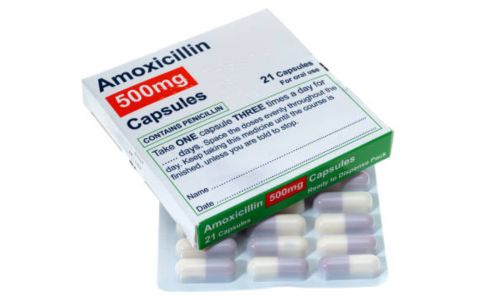
Introduction of Amoxicillin as an antibiotic The quest for faster wound healing is a topic of significant interest in healthcare. Wounds can be painful and inconvenient from injury, surgery, or other causes. Many individuals seek ways to accelerate the healing process, and one question that arises is whether antibiotics like amoxicillin can aid in this endeavor. In this article, we will explore the role of amoxicillin in wound healing. Does amoxicillin help wounds heal faster? What is its mechanism of action, what are its potential benefits, and what are some important considerations? All these questions are answered here: Understanding Amoxicillin Helps Wounds Heal Faster: Amoxicillin belongs to a class of antibiotics known as penicillins. It is widely prescribed for treating various bacterial infections, ranging from respiratory tract infections to skin and soft tissue infections. Amoxicillin works by inhibiting the growth of bacteria, ultimately leading to their death. It achieves this by interfering with the synthesis of bacterial cell walls, weakening the bacteria’s structural integrity and making them more susceptible to the body’s immune defenses. The Role of Antibiotics in Wound Healing: When it comes to wound healing, antibiotics play a crucial role in preventing or treating infections. Infections can impede the healing process by prolonging inflammation, causing tissue damage, and delaying the formation of new tissue. By targeting and eliminating harmful bacteria present in or around the wound, antibiotics help create a favorable environment for healing to occur. However, it’s important to note that not all scars require antibiotics, and their use should be guided by a healthcare professional based on factors such as the type, severity, and risk of infection associated with the wound. Does Amoxicillin Specifically Promote Faster Wound Healing? While amoxicillin can effectively combat bacterial infections, its direct role in accelerating wound healing needs clarification, such as topical agents or growth factors specifically designed to enhance wound healing processes; amoxicillin primarily targets bacteria rather than directly stimulates tissue repair. That being said, by resolving or preventing bacterial infections, amoxicillin indirectly supports the body’s natural healing mechanisms, allowing it to operate more efficiently. Potential Benefits of Using Amoxicillin for Wound Healing: Although amoxicillin may not directly speed up wound healing, its use can offer several potential benefits in the context of wound management: Infection Prevention: One of the primary benefits of using amoxicillin in wound care is its ability to prevent or treat infections. By eliminating harmful bacteria that could otherwise compromise the healing process, amoxicillin helps reduce the risk of complications and promotes optimal wound healing. Reduced Inflammation: Infections are often accompanied by inflammation, which can exacerbate pain, swelling, and tissue damage. Amoxicillin can help mitigate inflammation by resolving bacterial infections, allowing the body’s natural healing mechanisms to function more effectively. Enhanced Comfort: Wounds that become infected are typically more painful and uncomfortable. By addressing bacterial infections promptly, amoxicillin can alleviate discomfort associated with wound-related infections, improving the overall patient experience during the healing process. Facilitated Tissue Repair: While not a direct effect of amoxicillin, the resolution of bacterial infections can indirectly support tissue repair by creating a more conducive environment for the proliferation and migration of cells involved in wound healing, such as fibroblasts and keratinocytes. Adults, teenagers, and children weighing 40 kilograms (kg) or more—250 to 500 milligrams (mg) every 8 hours, or 500 to 875 mg every 12 hours. Important Considerations for Does Amoxicillin help wounds heal faster Despite the potential benefits of using amoxicillin for wound healing, several important considerations should be kept in mind: Antibiotic Resistance: The widespread use of antibiotics has contributed to the emergence of antibiotic-resistant bacteria, posing a significant global health threat. To mitigate the risk of antibiotic resistance, it is essential to use antibiotics judiciously and only when necessary. Healthcare professionals should carefully evaluate the need for antibiotics in wound management and consider alternative strategies where appropriate. Allergic Reactions: Amoxicillin belongs to the penicillin class of antibiotics, and individuals with a known allergy to penicillin or other beta-lactam antibiotics should avoid its use. Allergic reactions to amoxicillin can range from mild skin rashes to life-threatening anaphylaxis, necessitating prompt medical attention. Side Effects of Using Amoxicillin on Wounds to Heal Faster: Like all medications, amoxicillin can cause side effects, including gastrointestinal disturbances such as nausea, vomiting, diarrhea, and abdominal pain. While these side effects are generally mild and transient, they can impact patient compliance and overall treatment outcomes. Consultation with Healthcare Professionals: The decision to use amoxicillin for wound healing should be made in consultation with a healthcare professional, such as a physician or wound care specialist. These professionals can assess the wound’s specific characteristics, evaluate the risk of infection, and determine the most appropriate course of treatment based on individual patient needs. Conclusion: Does Amoxicillin Help Wounds Heal Faster While amoxicillin is an effective antibiotic for treating bacterial infections, its role in promoting faster wound healing is indirect. Amoxicillin helps create an optimal environment for wound healing by targeting and eliminating bacterial pathogens. However, its use should be guided by healthcare professionals and based on the specific clinical context of the wound. As with any medication, the potential benefits of using amoxicillin for wound healing must be weighed against the risks, including antibiotic resistance and possible side effects. Comprehensive wound management requires a multidisciplinary approach considering various factors to optimize patient outcomes. Amoxicillin and Wound Healing: FAQs for Dental Patients Q: Does amoxicillin help wounds heal faster after a dental procedure? Amoxicillin is an antibiotic whose primary benefit is preventing infection in wounds, not necessarily speeding up healing itself. After a dental procedure, especially one that involves a surgical incision (like wisdom tooth removal), your dentist might prescribe amoxicillin to reduce the risk of bacteria entering the wound and causing complications. Q: When would a dentist prescribe amoxicillin after a dental procedure? There are several factors a dentist considers when deciding if amoxicillin is necessary: Type of procedure: Surgeries, deep cleanings (scaling and root planing), or procedures on patients with a high risk of
Understanding Types of Gum Boils and Their Impact on Teeth
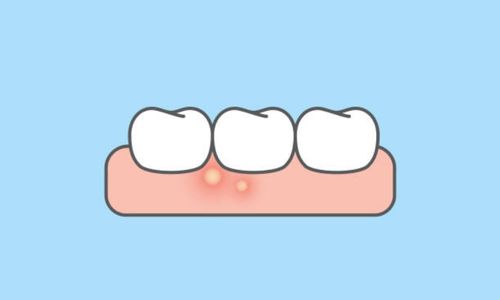
Introduction: Gum boils, also known as gum abscesses, are pockets of pus that form in the gums due to bacterial infection. They can vary in size and severity, causing discomfort and potentially leading to complications if left untreated. This article will explore the different types of gum boils and their effects on teeth. What are Gum Boils? Gum boils are localized collections of pus that develop in the gums. Bacterial infections from poor oral hygiene, gum disease, or dental procedures typically cause them. The bacteria infect the gum tissue, leading to inflammation, swelling, and the formation of a painful bump filled with pus. What Causes Gum Boils? The main culprit behind gum boils is bacteria. When plaque (the sticky film that builds up on teeth) isn’t brushed and flossed away regularly, it hardens into tartar (calculus). This creates a breeding ground for bacteria, which can burrow into the gums and cause an infection. This infection leads to the formation of a pus-filled pocket, which is the gum boil. Here are some other factors that can increase your risk of gum boils: Poor dental hygiene: Brushing twice daily and flossing daily are essential to prevent plaque buildup and gum infections. Gum disease (gingivitis and periodontitis): Untreated gum disease can weaken the gum tissue and make it more susceptible to infection. Cracked or chipped teeth: Cracks and chips in teeth can provide an entry point for bacteria to reach the pulp (the inner part of the tooth) and cause an infection. Injury to the gums: Injuries from hard foods, aggressive brushing, or dental procedures can create openings for bacteria to enter the gums. The Three Types of Gum Boils Gum boils can be categorized into three main types depending on their location: Gingival Abscess: This is the most common type of gum boil. It forms near the gum line, usually next to a tooth. Gingival abscesses often occur due to poor dental hygiene, allowing plaque and bacteria to build up between the tooth and gum. Symptoms of a gingival abscess: A small, red, pimple-like bump on the gumline Pain when touching the bump Tenderness and swelling in the gums Bad breath (halitosis) Slight bleeding from the gums Periapical Abscess: This gum boils from the tip of the tooth root, deep within the jawbone. It typically arises from an untreated cavity or tooth infection that spreads to the root and surrounding bone. Periapical abscesses can be quite painful and require prompt dental attention. Periapical abscess Symptoms: Throbbing pain in the tooth and surrounding jawbone Sensitivity to hot and cold foods and drinks Facial swelling Swollen lymph nodes in the neck Fever Periodontal Abscess: This type of gum boil develops between the tooth and the bone that supports it (alveolar bone). It often occurs in people with advanced gum disease (periodontitis), where deep pockets form between the teeth and gums, trapping bacteria and pus. Symptoms of a periodontal abscess: A red, swollen bump on the gums between two teeth Pain when chewing or biting Pus draining from the boil Loose teeth Bad breath Effects on Teeth: Gum boils can have several adverse effects on teeth, including: Tooth Mobility: Severe gum abscesses, particularly those involving the supporting structures of the teeth, can lead to tooth mobility or loosening. Tooth Loss: If left untreated, gum boils can result in the loss of affected teeth due to extensive damage to the surrounding tissues and bone. Spread of Infection: Untreated gum abscesses can spread infection to neighboring teeth, gums, and even other body parts through the bloodstream, potentially leading to systemic complications. Treating Gum Boils If you suspect you have a gum boil, it is crucial to see a dentist as soon as possible. Early diagnosis and treatment can prevent the infection from spreading and causing further complications. Here are some common treatment options for gum boils: Drainage: The dentist will numb the area and carefully drain the pus from the boil. Antibiotics: Antibiotics may be prescribed to clear the infection, especially for periapical abscesses. Dental cleaning: A deep cleaning will remove plaque and tartar buildup, promoting healing and preventing future infections. Root canal: If the infection originates from a damaged tooth pulp, a root canal may be necessary to remove the infected tissue and save the tooth. Tooth extraction: In severe cases, the dentist may need to extract the tooth if it’s too damaged to be saved. Preventing Gum Boils The best way to deal with gum boils is to prevent them in the first place. Here are some essential practices for healthy gums and teeth: To maintain good oral hygiene, Brush your teeth twice a day for two minutes each time and floss daily. Regular dental checkups and cleanings: Visit your dentist for checkups and cleanings at least every six months or more often if recommended. Eat a healthy diet: Limit sugary and processed foods contributing to plaque buildup. Don’t smoke: Smoking weakens the immune system and increases your risk of gum disease. By following these tips and seeking prompt dental attention if you experience gum problems, you can keep your smile healthy and avoid the discomfort of gum boils. Conclusion: Gum boils are painful and potentially serious dental conditions that require prompt treatment to prevent complications and preserve oral health. By understanding the types of gum boils and their effects on teeth, individuals can take proactive steps to maintain healthy gums and prevent infections. Remember to prioritize good oral hygiene habits and seek professional dental care if you experience any signs or symptoms of gum abscesses. While gum disease can affect anyone, according to the American Academy of Periodontology, aggressive periodontitis, which can lead to gum boils, is more common in young adults (aged 20-35) Gum Boils FAQs Here are some frequently asked questions about gum boils: Q: Are gum boils contagious? A: No, gum boils themselves are not contagious. However, the bacteria that cause them can spread through saliva, so it’s best to avoid sharing utensils or personal items with someone
Does Hydrogen Peroxide Cure Gingivitis? Exploring Its Role in Oral Health

Gingivitis, a common gum disease characterized by inflammation of the gums, affects millions of people worldwide. If left untreated, it can cause discomfort and bleeding and even lead to more severe oral health issues. In the quest for effective home remedies, many have turned to hydrogen peroxide as a potential solution. But does hydrogen peroxide really cure gingivitis? Let’s explore this question and understand the role of hydrogen peroxide in oral health. What is Hydrogen Peroxide? Hydrogen peroxide (H2O2) is a chemical compound of hydrogen and oxygen. It is a colorless liquid with strong oxidizing properties, commonly used as a disinfectant and bleaching agent. You might have encountered it in your household as a solution for cleaning wounds or whitening teeth. The Role of Hydrogen Peroxide in Oral Health Hydrogen peroxide has been used for decades in dentistry for its antibacterial properties. It can help kill harmful bacteria contributing to gingivitis and other oral health issues when applied to the gums. Additionally, it can help reduce inflammation and promote gum tissue healing. Using Hydrogen Peroxide for Gingivitis Many wonder whether using hydrogen peroxide as a mouthwash can effectively treat gingivitis. While hydrogen peroxide can help kill bacteria and reduce inflammation, it is essential to use it correctly and in moderation. Here’s a simple and safe way to use hydrogen peroxide for gingivitis: Dilute the hydrogen peroxide: Pure hydrogen peroxide can be too harsh and may cause irritation or damage to the delicate tissues in your mouth. It’s best to dilute it with equal water to reduce its strength. Swish the solution in your mouth: Take a small amount of the diluted hydrogen peroxide solution and swish it around your mouth for about 30 seconds to one minute. Be sure not to swallow the solution. Spit out the solution: After swishing, spit out the solution and rinse your mouth thoroughly with water to remove any remaining hydrogen peroxide. Repeat daily: For best results, use the hydrogen peroxide mouthwash once a day as part of your oral hygiene routine. However, it’s essential not to overdo it, as excessive use may lead to irritation or damage to the gums. The concentration of hydrogen peroxide in store-bought teeth whitening kits can be as high as 10%. While hydrogen peroxide can be a helpful tool in whitening teeth, it’s important to use it correctly to avoid damaging your gums or tooth enamel. Always follow the directions on the package and consult with your dentist before using any teeth whitening product. Source. Other Tips for Maintaining Oral Health While hydrogen peroxide can be a helpful addition to your oral care routine, it’s essential to remember that it is not a substitute for regular brushing, flossing, and professional dental cleanings. Here are some additional tips for maintaining good oral health: Brush your teeth twice a day: Use fluoride and soft-bristled toothpaste to remove plaque and bacteria from your teeth and gums. Floss daily: Flossing helps remove food particles and plaque from between your teeth, where your toothbrush can’t reach. Visit your dentist regularly: Schedule regular dental checkups and cleanings to detect oral health issues early and prevent gingivitis and other gum diseases. Eat a balanced diet: Limit sugary and acidic foods and beverages, as they can contribute to tooth decay and gum disease. Instead, choose a diet rich in fruits, vegetables, and whole grains. Can You Rinse Away Gingivitis with Hydrogen Peroxide? The answer is not so clear-cut. While some studies suggest hydrogen peroxide might reduce gum inflammation, others haven’t found significant benefits. Here’s why: Limited Effect: Hydrogen peroxide’s antibacterial effect might be temporary and may not reach all the bacteria hiding below the gum line. Potential Irritation: Undiluted or improperly diluted hydrogen peroxide can irritate your gums, worsening the problem. Short-Term Solution: Even if it temporarily reduces inflammation, hydrogen peroxide doesn’t address the root cause of gingivitis—plaque buildup. Safer and More Effective Solutions: So, what can you do to tackle gingivitis effectively? Here are some proven strategies: Brushing: Brush your teeth twice daily for two minutes, using a soft-bristled brush and fluoride toothpaste. Pay close attention to the gum line. Flossing: Floss daily to remove plaque and food particles from between your teeth. Regular dental checkups: Schedule regular dental cleanings to remove built-up plaque and tartar (hardened plaque) that brushing and flossing can’t reach. Your dentist can also identify and address any underlying issues contributing to gingivitis. When to Consider Hydrogen Peroxide (with Caution): If your dentist recommends using a hydrogen peroxide rinse as part of your gingivitis treatment plan, here’s what to keep in mind: Strict Dilution: Only use a solution diluted according to your dentist’s instructions, typically 1.5% to 3% hydrogen peroxide mixed with equal parts water. Short-Term Use: Don’t use a hydrogen peroxide rinse for extended periods, as it can disrupt the natural balance of bacteria in your mouth. Sensitivity Watch: If you experience discomfort, stop using the rinse immediately and consult your dentist. Conclusion of does hydrogen peroxide cure gingivitis While hydrogen peroxide can help kill bacteria and reduce inflammation in the gums, it is not a guaranteed cure for gingivitis. It should be part of a comprehensive oral care routine that includes brushing, flossing, and regular dental checkups. If you suspect you have gingivitis or any other oral health issue, it’s essential to consult with your dentist for proper diagnosis and treatment. With appropriate care and attention to oral hygiene, you can maintain healthy gums and a beautiful smile for years. At Worthy Smiles, we understand the importance of maintaining healthy gums for a beautiful smile and overall well-being. Our experienced team is dedicated to providing preventive care, including thorough cleanings and personalized oral hygiene knowledge. If you experience any signs of gingivitis, we will work with you to develop a treatment plan to restore your gum health and keep your smile shining brightly. Schedule an appointment today, and let us guide you towards optimal oral health! Faqs Q: Is hydrogen peroxide a cure for gingivitis? A: No, hydrogen peroxide isn’t a guaranteed
Avoiding the Dental Pothole: How to Protect Your Front Teeth
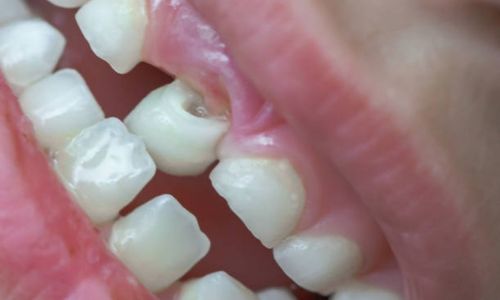
Regarding oral health, our front teeth often take the spotlight. They’re the stars of our smiles but also vulnerable to damage, leading to what we might call a “dental pothole.” In this article, we’ll explore what a dental pothole is, why it’s important to avoid it, and how to protect your precious front teeth. Understanding the Dental Pothole Imagine driving down the road and hitting a deep pothole that jars your car. Now, picture the same experience happening to your teeth—that’s what a dental pothole feels like. It’s a term that describes damage, such as chips, cracks, or fractures, on the front teeth. Just like a pothole on the road, a dental pothole can be a nuisance and cause discomfort. Why Protect Your Front Teeth? Your front teeth play crucial roles in your daily life. They help you bite into food, speak, and, of course, smile confidently. Damaging them can not only affect your appearance but also impact your ability to eat and communicate comfortably. Repairing damaged front teeth can be costly and time-consuming, so prevention is key. What Causes Dental Potholes in Front Teeth? Several factors can contribute to the formation of dental potholes on your front teeth. Here are the most common culprits: Acid erosion occurs when acidic foods and drinks, such as soda, citrus fruits, or sports drinks, remove the enamel. It is especially concerning if you frequently sip acidic beverages or have a condition like acid reflux. Tooth decay occurs when plaque, a sticky film of bacteria, builds up on teeth. The bacteria feed on sugars in food, producing acids that erode the enamel. Bruxism (teeth grinding): Grinding or clenching your teeth at night can put excessive pressure on your front teeth, leading to cracks and chipping, which can then develop into potholes. Improper brushing: Brushing too hard or using a harsh toothbrush can damage the enamel, making it more susceptible to potholes. Using teeth for unintended purposes: Using your front teeth to open bottles, chew on hard objects like fingernails, or tear food can cause chips and cracks that can become potholes. How Do Dentists Treat Dental Potholes? The treatment for a dental pothole depends on its severity. Here’s what your dentist might recommend: Fluoride treatment: If the pothole is very shallow, your dentist might recommend a professional fluoride treatment to strengthen the enamel and prevent further erosion. Dental bonding: For slightly deeper potholes, your dentist can use a tooth-colored resin to fill the cavity and restore the tooth’s shape and function. Dental fillings: A filling will be needed if the pothole is moderate in size and reaches the dentin layer. This involves removing the decayed or eroded material and filling the cavity with composite resin or another material. Crowns: A crown might be necessary in severe cases where the large pothole weakens the tooth. A crown is a cap that fits over the entire tooth, restoring its strength, shape, and appearance. According to the National Institute of Dental and Craniofacial Research, adults between 20 and 64 have an average of 25 teeth. This implies that some adults lose front teeth during this age range. How to Avoid the Dental Pothole Practice Good Oral Hygiene: Regular brushing and flossing are your first defense against dental problems. Make sure to brush your front teeth gently yet thoroughly, reaching all surfaces to remove plaque and food particles. Use Protective Gear: If you participate in sports or activities that pose a risk of facial injury, such as football or biking, consider wearing a mouthguard. A custom-fitted mouthguard can cushion your front teeth against impacts, reducing the risk of fractures or loss. Avoid Bad Habits: Certain habits can increase the likelihood of dental potholes. Avoid biting hard objects like pens or ice cubes, as this can put undue pressure on your front teeth and lead to damage. Similarly, refrain from using your teeth as tools to open packages or bottles. Attend Regular Dental Check-ups: Routine dental visits allow your dentist to monitor the health of your teeth and address any issues early on. Professional cleanings and exams can help prevent dental potholes by identifying and treating potential problems before they worsen. Consider Protective Treatments: Sometimes, your dentist may recommend additional protective measures to safeguard your front teeth. For example, dental sealants can be applied to the chewing surfaces of your molars to prevent decay, while dental bonding or veneers can repair minor imperfections on your front teeth. Maintain a Balanced Diet: A nutritious diet rich in calcium, vitamin D, and other essential nutrients benefits your dental health. These nutrients help strengthen your teeth and support gum health, reducing the risk of dental potholes and other oral problems. Conclusion Your front teeth are essential for both function and aesthetics, so taking good care of them is crucial. By practicing good oral hygiene, using protective gear, avoiding harmful habits, attending regular dental check-ups, considering protective treatments, and maintaining a balanced diet, you can significantly reduce the risk of encountering the dreaded dental pothole. Remember, prevention is always better than cure when preserving your smile! Dental Pothole FAQs: Your Front Teeth and Those Pesky Pits Q: Are dental potholes the same as cavities? A: Not exactly. Cavities are a general term for tooth decay affecting any part of your tooth. Dental potholes are a specific type of cavity that forms on the surface of your front teeth, often appearing as a small indentation. Q: My pothole doesn’t hurt. Should I still get it treated? A: Even painless potholes pose a risk. The exposed dentin is more susceptible to decay, and the pothole can grow deeper, eventually causing pain and requiring more extensive treatment. Early intervention is always best. Q: I love my morning OJ, but is it giving me potholes? A: Citrus fruits are acidic, which can contribute to enamel erosion. However, moderation is key. Enjoy your OJ, but rinse your mouth with water afterward to neutralize the acid. Q: I brush hard because I want my teeth squeaky clean. Is that bad? A:
Does Gum Tissue Define Your Jawline? Unveiling the Secrets of a Sharp Profile
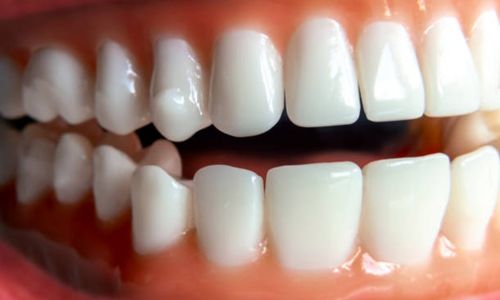
Does gum define your jawline? Does bone structure solely determine it, or does gum tissue play a significant role? A strong, defined jawline is often considered a mark of beauty and attractiveness. It can create a balanced, sculpted look and enhance facial features. But what exactly defines your jawline? This article dives deep into the factors shaping your jawline and explores the influence of gum health on facial aesthetics. The Building Blocks of Your Jawline: Bone and Muscle At its core, your jawline is primarily defined by your underlying bone structure. The mandible, the lower jawbone, forms the base of your jawline. Its shape, size, and angle contribute significantly to the definition and prominence of your profile. Another crucial player is the masseter muscle. This powerful muscle, located on each side of the jaw, is responsible for chewing. While a well-developed masseter muscle can contribute to a chiseled jawline, its size is primarily determined by genetics and chewing habits, not solely aesthetics. The Role of Gum: Does Gum Define Your Jawline? Gum tissue, also known as gingiva, plays a vital, yet often underestimated, role in shaping your jawline. It acts as a supportive layer surrounding the teeth and alveolar bone (the bony socket holding the teeth). Healthy gum tissue should be firm and pink, filling the space between the teeth and jawbone. Here’s how gum tissue impacts your jawline: Volume and Shape: Healthy gum tissue provides a smooth, contoured framework for the teeth. This creates a visually defined separation between the teeth and the lower face, contributing to a sharper jawline. Gum Recession: When gum tissue recedes due to gum disease or other factors, it exposes more of the underlying tooth root and bone. This can create the appearance of a shorter, less defined jawline. Inflammation: Inflamed gum tissue caused by gingivitis or periodontitis can appear swollen and puffy. This puffiness can obscure the underlying jawline and make the face look rounder. Maintaining Healthy Gum for a Defined Jawline Since healthy gum tissue is crucial in supporting a defined jawline, prioritizing good oral hygiene is essential. Here are some key practices: Brushing: Brush your teeth twice daily with a soft-bristled toothbrush and fluoride toothpaste, paying attention to the gumline. Flossing: Floss daily to remove plaque and food debris from between teeth and below the gumline. Regular Dental Cleanings: Schedule regular dental cleanings with your dentist to remove built-up tartar and check for gum disease. Balanced Diet: Maintaining a balanced diet rich in fruits, vegetables, and calcium can contribute to oral health, including gum tissue health. Beyond Gum Tissue: Does Gum Define Your Jawline? While gum health is crucial, several other factors contribute to jawline definition: Bone Structure: As mentioned earlier, the shape and size of your mandible significantly impact your jawline. Genetics play a major role in bone structure. Body Fat Percentage: A higher body fat percentage can obscure your jawline definition by adding fullness to your face. Weight loss can sometimes reveal a more defined jawline. Skin Elasticity: Your skin’s elasticity can influence how sharp your jawline appears. As we age, skin loses elasticity, contributing to a less defined jawline. Cosmetic Procedures for Jawline Enhancement Some cosmetic procedures can be explored for those seeking a more dramatic jawline definition. Still, it’s crucial to consult with a qualified healthcare professional to determine the safest and most suitable option. Here are a few possibilities: Dermal Fillers: Injectable fillers can add volume and definition to the jawline. Botox: Botox injections can relax the masseter muscle, potentially leading to a slimmer-looking jawline (especially if muscle hypertrophy is a concern). Mandibular Implants: Surgical implants placed along the jawline can create a more defined and projected jawline. Remember: Consult with a qualified healthcare professional before considering any cosmetic procedure. They can assess your situation, discuss potential risks and benefits, and guide you towards the most appropriate option. Latest Statistics on Jawline Definition American Association of Orthodontists (AAO) reports that over 4 million wisdom teeth are extracted annually in the US alone. Since wisdom teeth removal can sometimes involve gum tissue manipulation, understanding gum health’s role in jawline definition becomes even more relevant. A 2020 study published in the National Institutes of Health (NIH) database found a correlation between obesity and changes in facial bone structure, including the mandible (jawbone). This highlights the potential impact of weight management on jawline definition. Conclusion of Does Gum Define Your Jawline? A defined jawline is a desirable aesthetic feature; achieving it requires a multi-faceted approach. While genetics play a role in bone structure, maintaining healthy gum tissue through good oral hygiene is essential. Additionally, managing body fat percentage and prioritizing overall health can positively impact your jawline definition. Remember, consult a dentist and a healthcare professional for personalized guidance on maintaining optimal oral health and exploring potential cosmetic enhancements. Remember, a beautiful smile goes hand-in-hand with a healthy mouth. Prioritizing oral health ensures your well-being and contributes to a confident and aesthetically pleasing appearance. Embrace a holistic approach to self-care and witness its positive impact on your overall health and how you see yourself. FAQs About Does Gum Define Your Jawline? 1. What’s the single biggest factor influencing jawline definition? There isn’t a single most important factor. It combines genetics (bone structure), muscle development (masseter muscle), and gum tissue health. 2. Can chewing gum give me a sharper jawline? While chewing gum can strengthen the masseter muscle, it’s unlikely to alter your jawline definition significantly. Genetics play a much bigger role in shaping the jawbone. 3. How can I tell if I have gum recession? Signs of gum recession include receding gum tissue that exposes more of the tooth root, increased tooth sensitivity, and sometimes visible gaps between the teeth and gums. Consult your dentist for a proper diagnosis. 4. Is there a link between weight loss and jawline definition? Yes. Carrying excess weight can obscure your jawline by adding fullness to your face. Weight loss, particularly in the face, can reveal a more defined jawline. 5. Are there any risks associated with cosmetic jawline procedures? Yes. As with any cosmetic procedure,
The Straight Truth: Do Clear Aligners Hurt?

Do Clear Aligners Hurt? Let’s learn more about clear aligners and how comfortable they are. Many people dream of a better, more confident smile. But standard metal braces can be off-putting because they are noticeable and hurt. Clear aligners like Invisalign have become common because they are less noticeable and seem gentler on the teeth. Feeling the Shift: Why Discomfort Might Arise Clear aligners work by slowly moving your teeth into the right place by applying light pressure. It’s important to know why this process sometimes makes you uncomfortable for a short time. Tooth Movement: The primary cause of discomfort is the movement of your teeth. As the aligners apply pressure, the surrounding bone and tissues adapt, which can lead to a feeling of tightness or soreness. This is usually most noticeable when switching to a new set of aligners, as the pressure is increased for further movement. Initial Adjustment: Just like getting used to a new pair of shoes, your mouth needs time to adjust to clear aligners. The initial experience might involve a feeling of bulkiness or pressure on your teeth and gums as they shift into new positions. It’s a normal process as your teeth gradually reach their desired alignment. Friction and Irritation: The edges of the aligners might rub against your cheeks, tongue, or gums, causing minor irritation or cuts. This can be alleviated by using orthodontic wax or filing down any sharp edges on the aligners. If discomfort persists, consult with your orthodontist for further guidance. The global clear aligners market is expected to grow from USD 2.5 billion in 2020 to USD 19.02 billion by 2030, at a CAGR of 22.5% from 2021-2030. Source. The Discomfort Spectrum: Do Clear Aligners Hurt The good news is that clear aligner discomfort is typically mild and temporary. Here’s a breakdown of what you might experience: Mild Pressure or Tightness: This is the most common sensation and usually subsides within a day or two of starting a new aligner set. Some people may also experience soreness in their teeth or jaw, similar to after a dental cleaning. Remembering this discomfort is a sign that the aligners are working to move your teeth into the desired position. Temporary Tooth Sensitivity: Your teeth might feel slightly sensitive, especially when eating or drinking cold beverages. This is similar to your experience after a dental cleaning or a professional whitening treatment. It is a normal reaction to the pressure being applied to your teeth by the aligners and should diminish as your teeth adjust to the new position. Minor Mouth Soreness: The initial adjustment and aligner edges might cause soreness in your cheeks, tongue, or gums. This typically eases up as your mouth adapts to the aligners and the sore spots toughen up. If the soreness persists or becomes unbearable, contact your orthodontist for further guidance. Conquering Discomfort: Tips for a Smoother Ride While discomfort is possible, there are ways to manage it and make your clear aligner experience more comfortable. Over-the-counter pain relievers: Over-the-counter pain relievers like ibuprofen or acetaminophen can help manage any temporary soreness or discomfort. Chewing sugar-free gum: Chewing sugar-free gum can help ease pressure and promote aligner fit. Additionally, practicing good oral hygiene by brushing and flossing regularly can help prevent any irritation or discomfort caused by trapped food particles. . Cold compress: Applying a cold compress to the outside of your jaw can help reduce discomfort and minor swelling. OraSense for sore spots: OraSense is a topical anaesthetic gel that can be applied to numb specific areas of discomfort. Align Your Diet: Stick to softer foods during the first few days of switching to a new aligner set. Opt for room temperature or slightly warm liquids to minimize tooth sensitivity. Align Your Habits: Remove your aligners before eating or drinking anything other than water. This prevents staining and ensures proper pressure is applied for optimal results. Maintain Proper Hygiene: Regularly clean your aligners and brush your teeth to prevent bad breath and irritation caused by bacteria buildup. Do Clear Aligners Hurt: Advantages of Clear Aligners While there might be some temporary discomfort, clear aligners offer several advantages over traditional braces: Discreet Appearance: Clear aligners are virtually invisible, making them a much more aesthetically pleasing option than metal braces. This allows you to feel more confident while straightening your teeth. Removable for Eating and Brushing: The ability to remove your aligners for eating and brushing allows for better oral hygiene and dietary freedom, as you can easily clean your teeth and aligners without obstructions. Additionally, being able to take out your aligners when eating means you can enjoy all your favorite foods without restrictions. . Reduced Risk of Damage: Since they are removable, there’s less risk of damaging brackets or wires, which can happen with traditional braces. This can save you time and money on repairs. Additionally, the reduced risk of damage means fewer emergency visits to the orthodontist, allowing for a smoother treatment process. More Comfortable Speech: Clear aligners are less likely to cause speech impediments than traditional braces, making it easier to communicate clearly and confidently. Additionally, the smooth plastic material of aligners is more comfortable in the mouth than metal brackets and wires. Do Clear Aligners Hurt: Consulting Your Dentist It is very important to keep talking to your dentist or orthodontist during your clear aligner treatment, no matter how painful. If you want a better smile, they can answer any questions you have, give you personalized help, and keep an eye on your progress to ensure the process goes smoothly. Remember that your dentist is there for you the whole time to help you and show you how to take care of your braces properly. The best results are possible if you work together as a team on your smile journey. Conclusion: Do Clear Aligners Hurt? Clear braces are a great choice for getting a beautiful smile. You might feel brief pain during tooth movement and adjustment, but it’s generally
Understanding Dental Cupping: What It Is and How to Prevent It
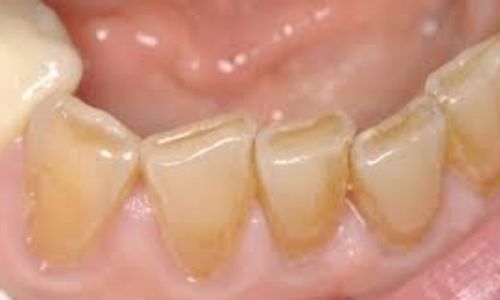
Dental cupping of front teeth is a concern for aesthetic and oral health. It refers to the development of small indentations or cup-like depressions on the surface of the front teeth, particularly noticeable when smiling. Various factors, including acid erosion from acidic foods and beverages or aggressive tooth brushing, can cause this condition. Preventing dental cupping involves maintaining good oral hygiene practices and avoiding habits contributing to enamel erosion, such as consuming excessive amounts of sugary or acidic foods. This article delves into the world of cupping front teeth, explaining its causes, potential consequences, and, most importantly, how to prevent it from happening to you. What is Dental Cupping Front Teeth? Cupping front teeth, also known as tooth erosion, manifests as small, concave indentations on the enamel surface of the front teeth. These cupped areas can appear shallow initially, but if left untreated, they can deepen over time, exposing the dentin layer beneath the enamel. Dentin is softer and more sensitive than enamel, leading to increased discomfort and potential toothache. According to the American Dental Association, around 91% of adults in the US experience some degree of enamel erosion. Causes of Dental Cupping Front Teeth Several factors can contribute to the development: Acidic Diet: Regularly consuming acidic foods and beverages, like citrus fruits, sodas, and sports drinks, can erode tooth enamel. The acid softens the enamel, making it more susceptible to wear and tear. Gastrointestinal Issues: Chronic acid reflux or frequent vomiting exposes teeth to stomach acid, accelerating enamel erosion and leading to cupping front teeth. Bruxism (Teeth Grinding): Involuntarily grinding or clenching teeth at night (bruxism) can wear down the enamel, particularly on the front teeth, where contact is most frequent. Improper Brushing Technique: Brushing too hard, especially with a hard-bristled toothbrush, can damage the enamel over time, contributing to cupping front teeth. Genetics: Some individuals may have a naturally thinner enamel layer, making them more prone to cupping front teeth. Symptoms of Dental Cupping Front Teeth The most prominent symptom of cupping front teeth is the visible indentations or cupped areas on the surface of the front teeth. Additionally, you might experience: Increased tooth sensitivity, especially to hot or cold foods and beverages. Discomfort or pain when biting or chewing. A change in the appearance of your smile due to the altered tooth shape caused by cupping. Potential Consequences of Untreated Dental Cupping Front Teeth If left untreated, cupping front teeth can lead to several complications: Deepened Cupping and Exposed Dentin: As the enamel wears away, the cupped areas become deeper, exposing the underlying dentin. Dentin is more sensitive than enamel, causing increased pain and discomfort. Increased Risk of Cavities: Exposed dentin is less resistant to decay, making you more susceptible to developing cavities in the affected teeth. Tooth Fractures: With significant enamel erosion, the weakened teeth become more prone to fractures or chipping, especially under pressure. Cosmetic Concerns: Dental cupping front teeth can significantly impact your smile’s aesthetics, causing self-consciousness and affecting your confidence. Research suggests that bruxism (teeth grinding) affects up to 30% of the population, potentially contributing to cupping front teeth. Preventing Dental Cupping Front Teeth The good news is that dental cupping front teeth are largely preventable with proper oral hygiene practices and lifestyle modifications: Dietary Changes: Limit your intake of acidic foods and beverages. If you consume them, rinse your mouth with water to neutralize the acid. Manage Acid Reflux: If you suffer from chronic acid reflux, consult your doctor for proper treatment to prevent acid erosion of your teeth. Bruxism Treatment: If you suspect you grind your teeth at night, talk to your dentist about wearing a mouthguard to protect your teeth from wear and tear. Proper Brushing Technique: Brush your teeth twice daily with a soft-bristled toothbrush and fluoride toothpaste. Use gentle, circular motions and avoid applying excessive pressure. Regular Dental Checkups: Schedule regular dental checkups and cleanings with your dentist. This allows for early detection of cupping front teeth and prompt treatment if necessary. Fluoride Treatments: Your dentist might recommend topical fluoride treatments to strengthen your tooth enamel and prevent further erosion. Treatment Options for Dental Cupping Front Teeth If you’re already experiencing cupping front teeth, treatment options depend on the severity of the condition. Here are some possibilities: Fluoride Treatments: Topical fluoride applications can help remineralize weakened enamel and slow the progression of dental cupping front teeth. Dental Bonding: For mild cases, your dentist can use tooth-coloured composite resin to fill the cupped areas on your front teeth. Dental Crowns: In severe cases where the cupping is deep, and the tooth structure is significantly compromised, dental crowns might be necessary to restore the tooth’s shape, function, and aesthetics. It is important to consult with your dentist to determine the best treatment option for your specific case of dental cupping. Regular dental checkups and good oral hygiene practices can also help prevent further damage to your front teeth. Conclusion Dental cupping front teeth is a preventable aesthetic and oral health concern. By understanding the causes and implementing preventive measures, you can maintain strong, healthy teeth with a beautiful smile. If you suspect you might have cupping front teeth, schedule an appointment with your dentist for a proper diagnosis and treatment plan. Early intervention is crucial to prevent further damage and potential complications. FAQ Q: Are cupping front teeth painful? A: Cupping front teeth might not cause pain in the early stages. However, as the enamel wears away and dentin is exposed, you may experience increased tooth sensitivity, especially to hot or cold temperatures. In severe cases, pain can occur when biting or chewing. Q: How can I tell if I have dental cupping front teeth? A: The most noticeable sign is the presence of small indentations or cupped areas on the surface of your front teeth. You might also experience increased tooth sensitivity. Your dentist can definitively diagnose cupping front teeth during a routine dental exam. Q: What happens if I leave dental cupping front

