
What to Expect During a Teeth Whitening Procedure
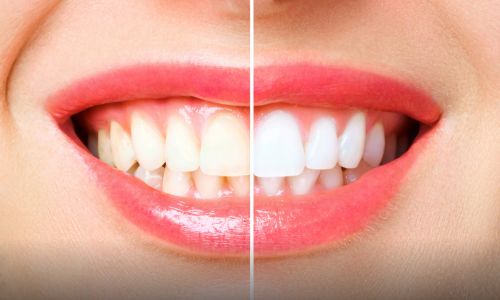
A radiant smile is one of the first things people notice about you. If you’ve been considering brightening your teeth, a teeth whitening treatment process performed by professionals is one of the safest and most effective options available. This blog will guide you through what to expect during the procedure, how it works, and why it’s worth considering for a brighter, healthier-looking smile. Why Choose Professional Teeth Whitening? While over-the-counter whitening kits and toothpaste may seem convenient, they often fall short of providing noticeable or lasting results. A professional teeth whitening treatment process uses stronger whitening agents and advanced techniques to remove stains and discoloration more effectively. According to the American Academy of Cosmetic Dentistry, nearly 90% of patients request teeth whitening services, making it the most popular cosmetic dental procedure. Common Causes of Teeth Discoloration Stains and discoloration can develop for various reasons. Common causes include: Diet: Foods and beverages such as coffee, tea, red wine, and dark-colored fruits can stain the enamel. Smoking: Tobacco use is one of the leading causes of yellow or brown stains on teeth. Aging: Over time, the enamel on your teeth wears down, revealing the yellowish dentin beneath. Medications: Certain antibiotics like tetracycline and medical treatments like chemotherapy can lead to discoloration. Poor oral hygiene: Inadequate brushing and flossing habits allow plaque and stains to accumulate on teeth. Steps of a Teeth Whitening Treatment Process 1. Initial Consultation Before the procedure, your dentist will examine your teeth and gums to ensure you’re a good candidate for teeth whitening. Any cavities or gum issues must be addressed beforehand to avoid complications. During this consultation, your dentist will also discuss your whitening goals and explain the treatment process. 2. Cleaning and Preparation To achieve optimal results, your teeth need to be free of plaque and tartar. A thorough cleaning will be performed to prepare your teeth for the whitening treatment. Your dentist will also note your current tooth shade to compare it with the results post-procedure. 3. Gum Protection A protective barrier or gel is applied to your gums to shield them from the whitening agent. This step is crucial to prevent irritation or sensitivity during the procedure. 4. Application of Whitening Gel A professional-grade whitening gel containing hydrogen peroxide or carbamide peroxide is applied to the surface of your teeth. These agents break down stains and discoloration, leaving your teeth visibly brighter. 5. Activation with Light or Laser (Optional) Some whitening treatments include the use of a special light or laser to activate the whitening gel. This enhances the gel’s effectiveness and speeds up the whitening process. 6. Rinsing and Final Assessment Once the desired level of whitening is achieved, the gel is removed, and your teeth are thoroughly rinsed. Your dentist will compare the post-treatment results to the initial shade to ensure your satisfaction. How Long Does the Process Take? A professional teeth whitening treatment process typically takes about 60 to 90 minutes. However, the duration may vary depending on the severity of discoloration and the type of whitening system used. What to Expect After the Procedure After the treatment, you may experience slight tooth sensitivity, which is temporary and usually subsides within a few days. Your dentist may recommend desensitizing toothpaste or a fluoride treatment to alleviate discomfort. It’s essential to avoid staining foods and beverages like coffee, wine, and soda for at least 48 hours after the procedure to maintain the results. How Long Do Results Last? The longevity of your results depends on your oral hygiene habits and lifestyle choices. Most patients enjoy brighter teeth for six months to two years after a professional teeth whitening treatment process. Regular brushing, flossing, and dental checkups can help extend the results. Real-Time Statistics Studies show that teeth whitening can lighten teeth by up to eight shades, depending on the individual. Additionally, 96% of patients report being satisfied with their whitening results after undergoing professional treatment. Benefits of Professional Teeth Whitening Safe and Controlled: Professional treatments are monitored by trained dentists, minimizing risks like gum irritation or enamel damage. Customizable: Your dentist can tailor the treatment to achieve the level of whiteness you desire. Fast Results: Unlike over-the-counter products, professional whitening delivers noticeable results in just one session. Long-Lasting Effects: With proper care, professional whitening results last much longer than store-bought alternatives. Maintaining Your Bright Smile To keep your smile shining, follow these tips: Brush your teeth twice daily using fluoride toothpaste. Floss daily to remove plaque and prevent stains. Limit consumption of staining foods and beverages. Avoid smoking or using tobacco products. Schedule regular dental checkups and cleanings. Conclusion A teeth whitening treatment process is an excellent way to rejuvenate your smile and boost your confidence. From the initial consultation to the final results, professional teeth whitening is a safe and effective procedure that delivers brighter, longer-lasting results compared to at-home alternatives. If you’re ready to transform your smile, contact Worthy Smiles today and let our experienced team help you achieve the smile of your dreams!
How to Protect Your Teeth While Playing Sports

Sports are a great way to stay active and healthy, but they also come with their own set of risks, particularly when it comes to your oral health. Whether you’re playing basketball, football, soccer, or any other physical activity, protecting your teeth during sports is essential. Unfortunately, dental injuries are more common than many realize, with an estimated 13 to 39% of all dental injuries being sports-related. In this blog, we’ll explore effective strategies to protect your teeth during sports and the importance of taking preventative measures to safeguard your smile. The Risk of Dental Injuries in Sports Sports-related dental injuries are a common issue. According to the American Dental Association (ADA), approximately 5 million teeth are knocked out every year due to sports accidents. These injuries often involve fractured, chipped, or lost teeth, which can lead to costly dental treatments, not to mention the pain and discomfort associated with these injuries. Statistics show that around 1 in 10 children will suffer a dental injury while playing sports. Many athletes also suffer from tooth sensitivity and gum injuries due to the force involved in certain sports. Protective measures are therefore essential for anyone engaged in physical activities, especially high-contact or high-impact sports. Why Protecting Your Teeth During Sports Matters Your teeth play a crucial role in your daily life. They help you eat, speak, and smile. A lost or damaged tooth can severely impact your ability to chew and speak properly, affecting your overall quality of life. Additionally, the emotional toll of dealing with dental trauma should not be underestimated. Protecting your teeth while playing sports prevents these disruptions and ensures that you maintain your oral health. It is important to remember that the risk of dental injury is not limited to contact sports. Non-contact sports such as cycling, skateboarding, and even gymnastics also pose a significant risk for dental injuries. In fact, the National Youth Sports Safety Foundation (NYSSF) states that about 30% of all dental injuries occur in non-contact sports. Top Strategies to Protect Your Teeth During Sports There are several effective ways to protect your teeth during sports. Let’s take a look at the most recommended and essential preventive measures. 1. Wear a Mouthguard The most effective and widely recommended tool for protecting your teeth during sports is a mouthguard. A mouthguard is a simple, soft device that fits over your teeth and provides cushioning, absorbing impact and reducing the risk of damage to your teeth, gums, and jaw. According to the American Academy of Pediatric Dentistry (AAPD), wearing a mouthguard during contact sports reduces the risk of dental injuries by up to 60%. Studies have shown that athletes who wear a custom-fitted mouthguard are less likely to suffer severe dental injuries compared to those who do not. Mouthguards are available in different types: Custom-Fitted Mouthguards: These are custom-made by a dentist to fit your teeth perfectly. They offer the best protection and comfort. Boil-and-Bite Mouthguards: These are softened in hot water and then molded to your teeth. Stock Mouthguards: They pre-form and are ready to wear, but they tend to be less comfortable and less effective.. For athletes in high-contact sports, using a mouthguard should be non-negotiable. 2. Maintain Regular Dental Checkups Regular dental checkups are crucial in identifying any existing dental issues before they worsen. A dentist can also offer advice on additional measures to protect your teeth during sports. Your dentist may recommend specific treatments or the best type of mouthguard for your needs. Statistics show that athletes who visit their dentist regularly are less likely to suffer from untreated cavities, gum disease, and other issues that could complicate dental trauma. Keeping your teeth in top condition is essential for both safety and overall health. 3. Stay Hydrated Hydration plays a critical role in maintaining the health of your teeth. Dehydration can cause a dry mouth, which reduces saliva production. Saliva is essential for neutralizing acids in your mouth and preventing tooth decay. During physical activity, make sure you drink plenty of water to keep your mouth moist and reduce the risk of tooth decay. Additionally, many sports drinks are high in sugar, which can contribute to tooth decay. If you consume sugary drinks during exercise, be sure to rinse your mouth with water afterward to reduce the buildup of plaque and bacteria. 4. Avoid Chewing Hard Objects Athletes in some sports may chew on items like pens, pencils, or even their fingernails when they feel stressed or nervous. This behavior can put excessive pressure on your teeth and lead to cracking or chipping. It’s essential to avoid these habits to protect your teeth during sports. When playing sports, focus on protecting your mouthguard instead of engaging in risky chewing behaviors. Be mindful of your actions both on and off the field to ensure your oral health remains intact. 5. Use a Face Mask or Helmet with a Face Guard For certain sports, using a helmet or face mask is an excellent way to provide added protection to your teeth. Sports such as football, hockey, and lacrosse are high-contact activities that come with a greater risk of facial and dental injuries. Helmets with a face shield can help prevent impacts to the mouth and jaw, reducing the likelihood of tooth damage. Even in sports where you’re not directly engaging in contact with other players, wearing protective gear can shield you from accidents that may cause tooth trauma. Real-time data suggests that players in these sports have a significantly lower risk of dental injury when wearing full-face protection. When to Seek Dental Care After a Sports Injury Even with the best protection, accidents can still happen. If you suffer a dental injury while playing sports, seek dental care immediately. The ADA advises that if a tooth is knocked out, it should be placed back into the socket or kept in milk and brought to the dentist within 30 minutes for the best chance of reattachment. If you experience any pain,
Do Electric Toothbrushes Really Make a Difference?
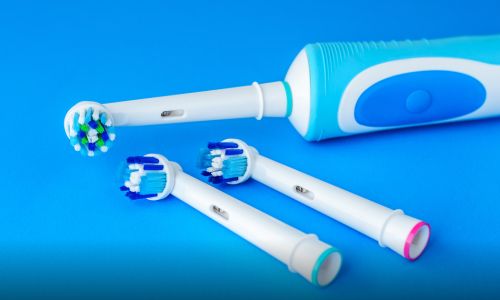
When it comes to maintaining a healthy smile, the type of toothbrush you use can make a significant difference. While manual toothbrushes have been the standard for decades, electric toothbrushes are becoming increasingly popular for their advanced technology and efficiency. But the question remains: do electric toothbrushes really make a difference? Let’s explore their benefits, backed by real data and insights, to understand how they compare to manual brushes. Why Electric Toothbrushes Are Different Electric toothbrushes are designed to provide consistent and thorough cleaning with minimal effort. Unlike manual toothbrushes, which rely solely on your hand movements, electric toothbrushes use oscillating, rotating, or vibrating bristles to clean teeth more effectively. Features of Electric Toothbrushes: Oscillating and Rotating Motion: Breaks up plaque efficiently. Built-in Timers: Encourages brushing for the dentist-recommended two minutes. Pressure Sensors: Prevent overbrushing that can damage enamel and gums. Specialized Modes: Options for sensitive teeth, gum care, or whitening. Scientific Evidence Supporting Electric Toothbrushes Research consistently shows that electric toothbrushes outperform manual brushes in improving oral health. A landmark study published in the Journal of Clinical Periodontology found that individuals using electric toothbrushes experienced a 21% reduction in plaque and an 11% reduction in gingivitis after three months compared to those using manual brushes. Additionally, a study conducted by the Cochrane Oral Health Group analyzed data from over 50 trials involving 5,000 participants. The results showed that: Electric toothbrushes reduce plaque by 50% more than manual brushes over three months. Gum health improves significantly, lowering the risk of gingivitis and periodontal disease. Benefits of Using an Electric Toothbrush Superior Plaque Removal Electric toothbrushes’ oscillating or sonic movements clean plaque more effectively, especially in hard-to-reach areas such as molars and the gumline. This reduces the risk of cavities and gum disease. Consistent Brushing Time Built-in timers ensure that users brush for the full two minutes recommended by dentists, unlike manual brushing, which is often rushed. Gentle on Gums and Teeth Pressure sensors in electric toothbrushes prevent excessive force, protecting enamel and gums from damage caused by overbrushing. Personalized Brushing Experience With various modes tailored for sensitive teeth, whitening, or gum care, electric toothbrushes provide a customized cleaning experience that manual brushes cannot offer. Who Benefits Most from Electric Toothbrushes? Electric toothbrushes are ideal for a wide range of users, particularly those who face challenges with manual brushing. Children and Teenagers these toothbrushes make brushing fun and engaging, helping younger users develop consistent oral hygiene habits. People with Limited Mobility Individuals with arthritis, carpal tunnel syndrome, or other conditions affecting hand movements benefit from the automated cleaning of toothbrushes. Braces Wearers these toothbrushes effectively clean around brackets and wires, removing food particles and plaque more thoroughly. Those Prone to Gum Disease these toothbrushes’ gentle yet efficient cleaning helps maintain gum health and prevents gingivitis. Addressing Common Myths Myth 1: They’re Too Expensive While these toothbrushes have a higher upfront cost, they are a worthwhile investment for better oral health. Manual brushes may seem cheaper but can lead to higher dental treatment costs in the long run. Myth 2: Manual Brushes Are Just as Effective Manual brushes can be effective when used correctly, but many people fail to brush properly. Electric toothbrushes’ automated features eliminate user error, ensuring thorough cleaning. Myth 3: They’re Harsh on Teeth Modern toothbrushes are equipped with pressure sensors and soft bristle options, making them safe for enamel and gums. Real-World Impact: The Numbers Speak According to a survey by the Oral Health Foundation, 80% of electric toothbrush users reported improved oral health after switching from manual brushes. Additionally, the American Dental Association (ADA) states that individuals using toothbrushes have fewer cavities and healthier gums. How to Choose the Right Electric Toothbrush When selecting an electric toothbrush, consider the following factors: Type of Movement: Oscillating vs. sonic vibrations. Features: Timers, pressure sensors, and specialized cleaning modes. Battery Life: Longer battery life ensures convenience. Replacement Brush Heads: Check availability and cost. Consult your dentist for recommendations tailored to your oral health needs. Cost vs. Benefit While these toothbrushes range from $30 to $200, their long-term benefits outweigh the initial cost. On average, replacement heads cost $5–$15, but these expenses pale compared to the cost of dental treatments for preventable issues like cavities and gum disease. Conclusion Do electric toothbrushes really make a difference? The evidence overwhelmingly says yes. From superior plaque removal and consistent cleaning to enhanced gum health and convenience, toothbrushes offer a significant advantage over manual brushes. At Worthy Smiles, we encourage our patients to invest in tools that support optimal oral health. If you’re unsure which toothbrush is right for you, schedule a consultation with our dental team today. A healthier smile is just one brush away!
Everything You Need to Know About Dental Veneers
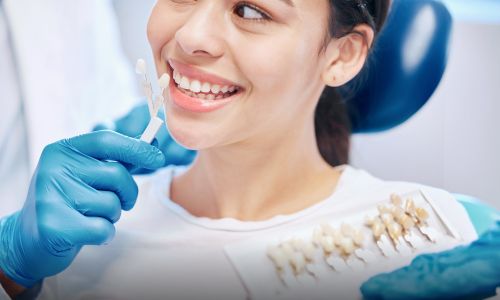
When it comes to enhancing your smile, dental veneers are one of the most popular and effective solutions. Whether you’re looking to address chipped teeth, discoloration, or other imperfections, veneers can help you achieve a flawless and natural-looking smile. In this comprehensive guide, we will explore what dental veneers are, how they work, the benefits of dental veneers, and what to expect during the procedure. If you’ve ever wondered if dental veneers are right for you, keep reading to learn everything you need to know. What Are Dental Veneers? Dental veneers are thin, custom-made shells that are bonded to the front of your teeth. They are designed to improve the appearance of your teeth by changing their color, shape, size, or length. Veneers are typically made from either porcelain or composite resin, with porcelain veneers being the most common choice due to their durability and natural appearance. These shells are shaped to fit your teeth perfectly, giving you a smile that looks both beautiful and natural. Types of Dental Veneers There are two main types of dental veneers: porcelain veneers and composite resin veneers. Understanding the differences between these two options can help you make an informed decision about which is best for you. 1. Porcelain Veneers Porcelain veneers are highly durable and stain-resistant. They offer a more natural look compared to composite resin veneers because porcelain closely resembles the natural translucency of tooth enamel. The color of porcelain veneers can be customized to match the natural shade of your teeth, giving you a seamless and aesthetically pleasing smile. 2. Composite Resin Veneers Composite resin veneers are made from a tooth-colored resin that is applied directly to the tooth’s surface and sculpted into the desired shape. While composite veneers are generally more affordable than porcelain veneers, they are also less durable and more prone to staining. However, they can still provide a noticeable improvement in the appearance of your smile. Why Choose Dental Veneers? Dental veneers offer numerous benefits, making them an excellent choice for individuals looking to improve their smile. Here are some of the most compelling reasons to consider veneers: 1. Enhance Your Smile Dental veneers can correct a variety of cosmetic dental issues, such as chipped, cracked, or stained teeth. Whether you have a single imperfection or multiple issues with your teeth, veneers can help you achieve a uniform and radiant smile. 2. Long-Lasting Results Porcelain veneers, in particular, are highly durable and can last for 10 to 15 years with proper care. Unlike other cosmetic treatments, veneers offer a long-term solution to common dental problems, giving you confidence in your smile for many years to come. 3. Minimal Tooth Preparation In most cases, dental veneers require only minimal alteration of your natural teeth. Your dentist will remove a thin layer of enamel from the front of the tooth to make room for the veneer. This means that the procedure is relatively non-invasive, and your teeth will retain their natural structure. 4. Stain-Resistant Porcelain veneers are highly resistant to stains, meaning you don’t have to worry about discoloration from foods and drinks like coffee, tea, or wine. This makes veneers an excellent option for individuals who want a bright, white smile that lasts. 5. Natural Appearance Veneers are custom-made to match the color, shape, and size of your natural teeth. They blend seamlessly with your smile, ensuring a natural look that enhances your overall facial aesthetics. The Benefits of Dental Veneers When considering dental veneers, it’s important to understand the full scope of their advantages. Here are the primary benefits of dental veneers that make them so appealing: 1. Correct Multiple Issues Simultaneously One of the biggest benefits of dental veneers is that they can address multiple cosmetic dental concerns at once. Whether you’re dealing with chips, gaps, stains, or misalignments, veneers provide a simple, effective solution that can transform your smile in one procedure. 2. Durability and Longevity The benefits of dental veneers extend to their longevity as well. Porcelain veneers are incredibly durable and can last for a decade or more with proper care. This means you’ll enjoy a beautiful smile for years to come, making them a worthwhile investment in your dental health. 3. Quick and Convenient Compared to other cosmetic dental procedures, veneers offer a quicker and more convenient solution. The procedure is typically completed over two to three visits, making it less time-consuming than alternatives like braces or crowns. 4. Improved Confidence With a flawless smile, you’ll likely experience a boost in self-esteem. The benefits of dental veneers aren’t just cosmetic – they can help you feel more confident in social and professional situations, knowing you have a smile that looks natural and attractive. The Dental Veneer Procedure The process of getting dental veneers is typically completed over two to three visits to your dentist. Here’s a step-by-step breakdown of the procedure: Step 1: Consultation and Planning During your first visit, your dentist will evaluate your oral health and discuss your goals for your smile. If veneers are a suitable option for you, the dentist will take impressions of your teeth to create a custom treatment plan. You’ll also have the opportunity to choose the shade and shape of your veneers. Step 2: Tooth Preparation Next, your dentist will prepare your teeth by removing a small amount of enamel from the front surface of the teeth that will receive the veneers. This ensures a secure bond between your teeth and the veneers. Once your teeth are prepared, your dentist will take new impressions to create the custom veneers. Step 3: Temporary Veneers While your permanent veneers are being crafted in a dental lab (which typically takes 1-2 weeks), your dentist may place temporary veneers on your teeth to protect them and maintain their appearance. Step 4: Placement of Permanent Veneers Once your custom veneers are ready, your dentist will check the fit and color before bonding them to your teeth. The dentist will clean your teeth, apply a special bonding agent,
How to Choose the Right Toothpaste for Your Dental Needs
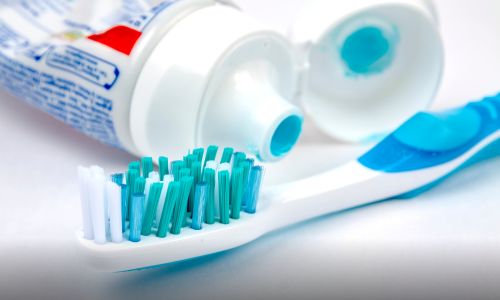
Selecting the right toothpaste is essential for maintaining good oral hygiene and addressing specific dental concerns. With countless options available, it’s crucial to identify the toothpaste that best suits your individual needs. From cavity prevention to sensitivity relief, understanding what to look for can make all the difference in your oral care routine. This blog explores how to choose the right toothpaste for your dental needs, offering guidance to ensure a healthy and bright smile. Why Toothpaste Matters for Oral Health Toothpaste plays a critical role in daily oral hygiene by cleaning teeth, fighting bacteria, and addressing specific dental issues. Using the wrong type of toothpaste could leave your oral health vulnerable to problems such as cavities, gum disease, or enamel erosion. By learning how to choose the right toothpaste, you can take a proactive step toward better dental health. Common Types of Toothpaste Choosing the right toothpaste starts with understanding the different types available. Each formulation is designed to target specific dental concerns. Fluoride Toothpaste Fluoride toothpaste is a staple for most people, as it strengthens enamel and prevents cavities. It helps restore minerals to teeth, making it an essential ingredient for maintaining strong and healthy teeth. Whitening Toothpaste For those seeking a brighter smile, whitening toothpaste contains mild abrasives or special chemicals to remove surface stains. While effective, these products should be used with caution to avoid enamel erosion. Sensitivity Toothpaste If you experience tooth sensitivity to hot or cold foods, sensitivity toothpaste can help. These products contain ingredients like potassium nitrate to soothe nerves and protect exposed dentin. Tartar Control Toothpaste Designed for people prone to plaque and tartar buildup, tartar control toothpaste includes active ingredients that prevent hardened plaque from forming on teeth. Natural Toothpaste Natural toothpaste offers an alternative for those avoiding artificial additives. These products typically use natural ingredients to clean teeth and freshen breath, though they may not always include fluoride. Key Factors to choose the right toothpaste When deciding how to choose the right toothpaste, it’s essential to evaluate your unique dental needs and preferences. 1. Consider Your Oral Health Needs Identify your primary dental concerns, such as cavity prevention, sensitivity relief, or whitening. Your specific goals will guide your choice of toothpaste. 2. Look for ADA Approval The American Dental Association (ADA) seal ensures that the toothpaste meets safety and effectiveness standards. Always check for this certification. 3. Assess Fluoride Content Fluoride is a key ingredient in preventing tooth decay and strengthening enamel. Ensure your toothpaste contains fluoride unless advised otherwise by your dentist. 4. Avoid Harsh Abrasives If you have sensitive teeth or thin enamel, avoid toothpaste with overly abrasive ingredients, which can cause further wear and discomfort. 5. Check for Specialized Ingredients Look for ingredients tailored to your needs, such as potassium nitrate for sensitivity, peroxide for whitening, or triclosan for gum health. Benefits of Choosing the Right Toothpaste Using the right toothpaste provides numerous benefits, including improved oral health and targeted solutions to specific issues. Cavity Prevention: Fluoride toothpaste strengthens enamel and prevents decay. Whitening Benefits: Specialized products remove stains for a brighter smile. Reduced Sensitivity: Sensitivity toothpaste offers relief from discomfort. Plaque Control: Tartar control toothpaste helps maintain cleaner teeth and gums. Customized Care: Tailored formulations address your unique dental concerns. By choosing a toothpaste that aligns with your needs, you can achieve a healthier, more confident smile. Mistakes to Avoid When Selecting Toothpaste Learning how to choose the right toothpaste involves knowing what to avoid. Common mistakes include: Ignoring Fluoride: Fluoride-free toothpaste may lack the protection needed against cavities. Choosing Based on Trends: Avoid selecting toothpaste solely based on popularity without considering its suitability for your needs. Using Harsh Whitening Products: Overusing whitening toothpaste can damage enamel and increase sensitivity. When to Consult Your Dentist If you’re unsure about the best toothpaste for your needs, consult your dentist. They can evaluate your oral health and recommend products tailored to your concerns. Whether you need fluoride toothpaste for cavities or sensitivity toothpaste for discomfort, a professional’s guidance can make a significant difference. At Worthy Smiles, we prioritize your dental health by offering personalized care and expert advice. We’re here to help you choose the right products for your oral hygiene routine. Final Thoughts on how to choose the right toothpaste Selecting the right toothpaste is a crucial step in maintaining a healthy smile. By understanding your dental needs and exploring options such as fluoride toothpaste, whitening toothpaste, or sensitivity toothpaste, you can ensure optimal oral health. Remember to prioritize ADA-approved products, avoid harsh abrasives, and consult your dentist for personalized recommendations. By mastering how to choose the right toothpaste, you’re investing in a healthier, brighter smile that will last a lifetime. Visit Worthy Smiles for expert dental care and guidance tailored to your unique needs.
5 Simple Steps to Keep Your Smile Bright and Healthy

A bright smile is more than just an aesthetic feature—it’s a sign of good oral health and overall wellness. Having a radiant smile can boost your confidence and enhance your appearance. However, keeping your smile bright requires more than occasional brushing. In this blog, we’ll explore five essential steps to help you keep your smile bright and healthy for a lifetime. Whether you’re a coffee lover or a fan of sugary snacks, there are simple adjustments you can make to keep your teeth sparkling white. 1. Brush Your Teeth Regularly to Keep Your Smile Bright The foundation of a bright smile starts with proper oral hygiene. Brushing your teeth at least twice a day is crucial for keeping your smile bright. Brushing removes plaque and food particles from the surface of your teeth, which helps prevent the buildup of stains. By using fluoride toothpaste, you not only keep your teeth clean but also protect them from cavities. Pro Tip: Use a soft-bristled toothbrush to avoid damaging your gums and enamel. Ensure you brush for two minutes, covering all surfaces of your teeth, including the back and gum line. One of the best ways to ensure that your brushing is effective is to use a timer or an electric toothbrush with a built-in timer. Electric toothbrushes are particularly helpful because they deliver consistent brushing power, which helps maintain the whiteness of your teeth. Pro Tip: Don’t forget to brush your tongue as well! Your tongue can harbor bacteria that contribute to bad breath and affect the overall cleanliness of your mouth. 2. Floss Daily to Keep Your Smile Bright While brushing is essential, it only cleans about 60% of your tooth’s surface. To ensure that your entire mouth is free of debris, it’s important to floss daily. Flossing removes food particles stuck between your teeth that a toothbrush might miss, preventing plaque buildup and staining. Flossing regularly helps keep your smile bright by ensuring there is no buildup between your teeth, which can cause discoloration over time. Pro Tip: Use dental floss or a water flosser to clean between your teeth. Make sure to floss gently to avoid damaging your gums, as harsh flossing can lead to gum recession. Flossing is especially important if you have dental work like braces or bridges, as food can become trapped in these areas. If you’re unsure how to floss properly, ask your dentist for a demonstration during your next visit. 3. Limit Staining Foods and Drinks to Keep Your Smile Bright What you eat and drink has a direct impact on the brightness of your smile. Certain foods and drinks, such as coffee, tea, red wine, and dark berries, can stain your teeth over time. While it’s not necessary to avoid these entirely, limiting their consumption can help keep your smile bright and prevent stubborn stains from forming. Pro Tip: After consuming staining foods or drinks, rinse your mouth with water to neutralize acids and reduce the risk of staining. If possible, drink staining beverages through a straw to minimize contact with your teeth. Acidic foods, like citrus fruits, can also erode enamel, which makes your teeth more vulnerable to staining. If you’re concerned about stains, consider drinking water immediately after consuming acidic foods. Pro Tip: Try to brush your teeth about 30 minutes after consuming staining foods to allow your enamel to re-harden. Brushing immediately after can cause enamel erosion. 4. Visit Your Dentist Regularly to Keep Your Smile Bright No matter how well you take care of your teeth at home, regular dental checkups are essential to keep your smile bright. Dentists can perform professional cleanings that remove plaque and tartar buildup that you might not be able to eliminate with regular brushing. These cleanings not only help brighten your smile but also improve your overall oral health. Pro Tip: Schedule a dental checkup every six months. Regular visits to the dentist can help detect early signs of tooth decay, gum disease, or other issues that could affect your smile. Early intervention is the key to maintaining a bright and healthy smile. Your dentist can also provide you with personalized advice on how to maintain oral hygiene and whiten your teeth effectively. If you’re concerned about specific dental issues like gum recession or sensitivity, be sure to ask your dentist for tips on how to manage them. 5. Consider Teeth Whitening for a Brighter Smile If you’re looking for an extra boost to keep your smile bright, professional teeth whitening is an excellent option. Over-the-counter whitening products may provide temporary results, but they don’t always address deep stains or discoloration. Professional whitening treatments, offered by your dentist, can provide longer-lasting and more dramatic results. Pro Tip: Before opting for teeth whitening treatments, consult with your dentist to ensure your teeth and gums are healthy enough for whitening. Some whitening products can cause sensitivity or irritation, so it’s best to get a professional’s advice. There are also alternative whitening methods, such as whitening toothpaste or natural remedies, like baking soda. However, these tend to be less effective than professional whitening and may take longer to show results. Pro Tip: Maintain your whitening results by avoiding staining foods and drinks and continuing your regular oral hygiene routine. A combination of professional whitening and at-home care can help you maintain a bright smile. Additional Tips to Keep Your Smile Bright Stay Hydrated: Drinking plenty of water throughout the day not only keeps you hydrated but also helps wash away food particles and bacteria that contribute to plaque buildup and staining. Water helps maintain a clean mouth and fresh breath, which is essential for keeping your smile bright. Quit Smoking: Smoking is one of the leading causes of tooth discoloration. The tar and nicotine in cigarettes can stain teeth and cause long-term damage to your enamel. Quitting smoking will not only improve your oral health but also help keep your smile bright. Use a Mouthwash: Mouthwash helps reduce bacteria in your mouth and can provide
The Importance of Early Detection in Oral Cancer Screenings

Oral cancer is a serious condition that affects thousands of people every year. It can develop in any part of the mouth or throat, including the lips, tongue, gums, and even the sinuses. Early detection in oral cancer screenings plays a crucial role in identifying the disease at an early stage when it is most treatable, increasing the likelihood of a positive outcome. This article will explain the importance of regular oral cancer screenings, the key signs to watch for, and how early detection can save lives. Understanding Oral Cancer and Its Risks Oral cancer includes a range of cancers that affect the tissues in and around the mouth. The American Cancer Society estimates that over 54,000 cases of oral cancer are diagnosed each year in the United States alone. While oral cancer can affect anyone, certain risk factors increase the likelihood of developing the disease: Tobacco Use: Smoking or chewing tobacco significantly raises the risk of oral cancer. Heavy Alcohol Consumption: Excessive alcohol use has been linked to an increased risk. HPV Infection: The human papillomavirus (HPV) is a known cause of certain types of oral cancers. Prolonged Sun Exposure: This can increase the risk of lip cancer, a form of oral cancer. Age and Genetics: Older adults and those with a family history of cancer are at a higher risk. Knowing these risk factors is the first step in understanding the importance of early detection in oral cancer screenings. The Role of Early Detection in Oral Cancer Screenings Early detection in oral cancer screenings is essential because, like many cancers, oral cancer is much easier to treat in its early stages. Here’s why early detection is so impactful: Improved Survival Rates: The five-year survival rate for early-stage oral cancer is over 80%, but this rate decreases as cancer progresses. Less Aggressive Treatment: Early-stage cancers often require less invasive treatment, improving quality of life for patients. Reduced Healthcare Costs: Treating cancer early can be far less costly than later-stage treatments. Regular screenings with a healthcare professional are key to early detection, as symptoms of oral cancer may be subtle or mistaken for other conditions. Key Signs That Highlight the Need for Early Detection in Oral Cancer Screenings Recognizing the symptoms of oral cancer early on can lead to quicker diagnosis and treatment. Some symptoms to look for include: Persistent Mouth Sores: Ulcers or sores that don’t heal within a couple of weeks should be checked by a professional. Lumps or Thickened Tissue: Any unusual lumps or hardened areas in the mouth or neck can be early warning signs. White or Red Patches: White or red patches on the gums, tongue, or lining of the mouth should be examined. Difficulty Swallowing or Speaking: Persistent difficulty with swallowing, chewing, or speaking can be a sign of throat or mouth cancer. Unexplained Bleeding: Bleeding in the mouth without an obvious cause may require evaluation. If any of these symptoms are present, scheduling an oral cancer screening is essential. Remember that early detection in oral cancer screenings can make a substantial difference in treatment success. What to Expect During an Oral Cancer Screening An oral cancer screening is a quick and non-invasive procedure typically performed by a dentist or oral health professional. Here’s what you can expect during a screening: Visual Examination: The professional will check the inside of your mouth for any irregularities, including sores, red or white patches, and lumps. Physical Palpation: They may gently feel your neck, jaw, and face for unusual masses or lumps. Additional Testing: In some cases, specialized equipment may be used to examine tissue changes. For example, a device that uses fluorescent light can help detect abnormal cells that might not be visible to the naked eye. Screenings are usually brief and painless, making it easy to incorporate them into your regular dental checkups. Ensuring you receive regular screenings is a critical step in early detection in oral cancer screenings. Real-World Impact: Statistics on Early Detection in Oral Cancer Research shows that early detection in oral cancer screenings can significantly improve survival rates. According to the Oral Cancer Foundation, early-stage diagnosis can lead to an 80-90% survival rate, compared to just 57% when cancer is diagnosed at a later stage. This statistic highlights the life-saving potential of regular screenings and reinforces the importance of addressing oral cancer as early as possible. The Benefits of Early Detection in Oral Cancer Screenings Better Health Outcomes: Patients diagnosed at an early stage often experience a much better prognosis and faster recovery times. Reduced Health Complications: By catching cancer early, patients can avoid extensive surgery, radiation, or chemotherapy. Less Invasive Treatments: Early-stage treatment options are typically less invasive, leading to a quicker and more comfortable recovery. For these reasons, it’s essential to discuss oral cancer screenings with your dentist and make them a routine part of your dental health plan. Prevention Tips: How to Reduce Your Risk of Oral Cancer While regular screenings are critical, practicing preventive measures can also reduce the likelihood of developing oral cancer: Avoid Tobacco Products: Tobacco is a major risk factor, so avoiding smoking or chewing tobacco can greatly lower your risk. Limit Alcohol Consumption: Reducing alcohol intake can also lower oral cancer risk. Protect Your Lips: Apply lip balm with SPF when outdoors to shield your lips from harmful UV rays. Maintain Good Oral Hygiene: Regular brushing, flossing, and dental checkups are essential for oral health. Stay Informed: Be aware of any unusual changes in your mouth, and don’t hesitate to seek a screening if you notice symptoms. Incorporating these habits into your routine can help minimize risk and support overall oral health. Worthy Smiles: Your Partner in Early Detection for Oral Cancer Screenings At Worthy Smiles, we understand the vital role that early detection in oral cancer screenings plays in ensuring a long, healthy life. Our skilled dental team is dedicated to providing thorough screenings and comprehensive oral care to protect you from oral
Teeth Grinding: Causes, Symptoms, and Treatment Options

Introduction: Understanding the Need for Teeth Grinding Treatment Teeth grinding, medically known as bruxism, is a widespread condition that can lead to jaw pain, tooth damage, and disrupted sleep if left untreated. For those affected, finding an effective teeth grinding treatment is essential to avoid long-term damage and improve quality of life. In this article, we’ll explore the causes, symptoms, and most effective treatments for teeth grinding, from lifestyle adjustments to advanced dental solutions. Causes of Teeth Grinding: Why Treatment Matters Identifying the underlying cause of teeth grinding is crucial for finding the right teeth grinding treatment. Bruxism can be triggered by several factors, including: Stress and Anxiety: Emotional stress and anxiety often lead to involuntary clenching or grinding, especially at night. Sleep Disorders: Conditions like sleep apnea can cause teeth grinding due to disrupted sleep patterns. Lifestyle Choices: High caffeine intake, alcohol, and smoking have all been associated with an increased risk of teeth grinding. Dental Misalignment: Poor alignment or an abnormal bite can contribute to bruxism as the jaw attempts to adjust itself. Understanding these causes helps guide effective teeth grinding treatment and offers relief from persistent symptoms. Recognizing Symptoms If you experience any of the following symptoms, you may benefit from teeth grinding treatment: Jaw Pain and Tension: Persistent soreness in the jaw, especially in the morning, is a common sign of bruxism. Frequent Headaches: Grinding often leads to headaches, particularly in the temples. Tooth Sensitivity: Damage to tooth enamel can increase sensitivity to hot and cold foods. Chipped or Worn-Down Teeth: Visible wear or fractures in teeth are indicators of chronic grinding. Sleep Disruption: Severe grinding may interrupt sleep or affect your partner’s rest. Seeking teeth grinding treatment early can prevent these symptoms from worsening. Effective Treatment Options Fortunately, several effective teeth grinding treatment options are available. Each approach addresses different causes, offering a range of solutions tailored to individual needs. 1. Night Guards: A Protective Treatment Custom-made night guards, or mouthguards, are among the most common treatments. These devices are worn during sleep to cushion teeth and reduce the impact of grinding. How They Work: Night guards create a protective layer between the upper and lower teeth, preventing direct contact and reducing wear on enamel. Benefits: Night guards not only protect teeth but also alleviate jaw strain, helping reduce associated pain. 2. Stress Management Techniques If stress is a major factor in your teeth grinding, learning stress management techniques can significantly reduce the need for other teeth grinding treatments. Mindfulness and Meditation: Practicing mindfulness can reduce stress levels, which may lessen teeth grinding. Therapy: Cognitive Behavioral Therapy (CBT) can help you manage stress and develop relaxation techniques. Regular Exercise: Physical activity can alleviate tension and improve relaxation, reducing stress-related bruxism. 3. Lifestyle Changes Adjusting certain lifestyle habits can play a big role in managing teeth grinding. Limit Caffeine and Alcohol: Reducing caffeine, especially in the evening, can decrease nighttime teeth grinding. Avoid Chewing Non-Food Items: Refrain from chewing on items like pens or ice, as these habits can encourage clenching. Practice Good Sleep Hygiene: Developing a calming bedtime routine can improve sleep quality and reduce grinding. 4. Dental Correction for Misaligned Teeth For those whose teeth grinding is caused by misalignment, dental treatments can offer a targeted solution. Braces or Aligners: Correcting alignment through orthodontics is an effective treatment for those with bite issues. Reshaping Teeth: In some cases, minor reshaping of the teeth can help improve alignment and reduce grinding. 5. Medications and Muscle Relaxants for Severe Cases In certain situations, medications may be prescribed to manage teeth grinding. Muscle Relaxants: Prescribed before bedtime, these can reduce the severity of grinding by relaxing jaw muscles. Botox Injections: For severe cases of bruxism, Botox injections can temporarily reduce muscle strength, reducing grinding intensity. However, this approach is usually considered a last resort. 6. Treating Sleep Apnea If sleep apnea is identified as a root cause, treating this condition can reduce or even eliminate bruxism. CPAP Machines: Continuous Positive Airway Pressure (CPAP) machines help manage sleep apnea, which may alleviate grinding. Lifestyle Adjustments: Weight loss, avoiding alcohol before bedtime, and sleeping on your side can help reduce sleep apnea and associated grinding. Real-Time Statistics: How Common Is the Need for Teeth Grinding Treatment? According to the American Sleep Association, about 10% of adults and 15% of children are affected by bruxism. For adults, severe teeth grinding can cause significant damage, making treatment essential for those impacted. Addressing bruxism early not only prevents oral health issues but also improves overall well-being. Prevention Tips: How to Avoid the Need for Teeth Grinding Treatment While many options exist to manage teeth grinding, prevention is the best approach. Here are some tips to reduce the likelihood of needing teeth grinding: Regular Dental Checkups: Regular visits to your dentist allow for early detection of bruxism and can prevent extensive damage. Reduce Stress: Incorporating stress management techniques like deep breathing and mindfulness can reduce stress-induced grinding. Establish a Sleep Routine: A healthy sleep schedule with consistent bedtimes can reduce grinding, especially if you suffer from mild bruxism. Avoid Excessive Chewing: Excessive gum chewing can encourage clenching, so it’s best to minimize this habit. Conclusion: Finding the Right Treatment at Worthy Smiles Teeth grinding is a common condition, but with the right treatment, relief and prevention are possible. From night guards to stress management, lifestyle adjustments, and orthodontic solutions, Worthy Smiles offers comprehensive options to help you manage and overcome bruxism. If you’re experiencing symptoms of teeth grinding, schedule an appointment with us today. Let Worthy Smiles provide the solutions you need for a healthier, happier smile.
Managing Dental Anxiety: Techniques for Overcoming Fear of the Dentist

Introduction: Understanding Dental Anxiety For many, visiting the dentist can be an anxiety-inducing experience. Dental anxiety affects nearly 36% of the population, with approximately 12% of people dealing with extreme fear of dental visits, according to a study in the Journal of Dental Hygiene. This fear can lead to delays in necessary dental care, which can negatively impact oral health over time. At Worthy Smiles, we prioritize your comfort and understand the importance of addressing dental anxiety. In this guide, we’ll explore effective techniques for overcoming fear of the dentist so you can approach dental visits with confidence and ease. Causes of Dental Anxiety Understanding what contributes to dental anxiety is the first step toward managing it. Common causes include: Fear of Pain: Previous painful experiences or anticipation of discomfort. Loss of Control: Feeling vulnerable in the dental chair. Negative Past Experiences: A past traumatic visit or an unpleasant interaction with a previous dentist. Embarrassment: Anxiety over being judged or having poor oral health. These factors can create a cycle of avoidance, where fear leads to missed appointments, which then results in worsening oral health and, often, more complex treatments later on. Techniques for Overcoming Fear of the Dentist Managing dental anxiety involves a combination of preparation, relaxation techniques, and communication with your dentist. Here are some effective strategies to help overcome your fears: 1. Open Communication with Your Dentist One of the best ways to overcome fear of the dentist is to communicate your concerns openly. At Worthy Smiles, we encourage our patients to express their fears, as this helps us tailor the visit to meet their comfort needs. Express Your Concerns: Share your anxieties before your appointment. This allows the dental team to adjust their approach, explaining each step in detail or taking breaks when necessary. Use Hand Signals: Agree on hand signals if you need a pause or feel uncomfortable. 2. Practice Relaxation Techniques Relaxation techniques can significantly reduce anxiety before and during a dental appointment. Here are a few to try: Deep Breathing: Take slow, deep breaths to calm your nervous system. Inhale for four counts, hold for four, and exhale for four. Repeat as needed. Progressive Muscle Relaxation: Focus on tensing and then relaxing each muscle group, starting from your toes and moving up to your head. This helps release physical tension. Visualization: Picture yourself in a calm, soothing environment to distract yourself from the procedure. 3. Schedule a ‘Preview’ Appointment If you’re visiting a new dentist or have a particularly high level of anxiety, consider scheduling a preview appointment to familiarize yourself with the clinic. This appointment can be brief, allowing you to meet the team, see the environment, and learn what to expect without any treatments being performed. 4. Choose a Calming Environment Some dental clinics, like Worthy Smiles, offer calming features such as music, aromatherapy, or comfortable seating. These elements can help ease anxiety. Bring Headphones and Listen to Music or a Podcast: Create a playlist of calming music or listen to a podcast to distract your mind. Request a Warm Blanket: A soft, warm blanket can provide a sense of comfort and help you relax in the chair. 5. Consider Sedation Dentistry Options For individuals with severe dental anxiety, sedation dentistry can make a world of difference. Ask about the following options: Nitrous Oxide (Laughing Gas): This mild sedative helps you feel relaxed but awake, making it ideal for reducing anxiety. Oral Sedation: Medication prescribed before the appointment can ease your nerves, creating a calm and relaxed state. IV Sedation: Reserved for extreme cases, IV sedation induces a deep state of relaxation. You’ll remain awake but may have little to no memory of the procedure. Sedation dentistry is safe, and your Worthy Smiles dentist can discuss the best options for your needs. 6. Bring a Friend or Family Member Having a supportive friend or family member with you can reduce anxiety. They can provide comfort and help you feel safe, making the visit less intimidating. 7. Reward Yourself Plan something enjoyable after your dental visit to reinforce a positive experience. This could be as simple as treating yourself to a favorite activity, meal, or spending time with friends. Associating dental visits with a reward can help shift your perception over time. Real-Time Statistics: Overcoming Dental Anxiety and Successful Management Techniques A study conducted by the American Dental Association found that 80% of patients who practiced relaxation techniques or sedation reported reduced anxiety and a more positive experience at the dentist. Additionally, 60% of patients who communicated openly with their dental team felt more in control and reducing their overall stress. These statistics underscore the effectiveness of taking proactive steps to manage dental anxiety. Tips for Maintaining Regular Dental Appointments Stay Consistent: Routine visits help build familiarity, making each subsequent visit less daunting. Set Small Goals: Start with a simple cleaning before moving on to more complex procedures if needed. Stay Informed: Understanding each procedure can reduce fear of the unknown. Maintaining oral health is key to preventing serious issues, and routine visits to Worthy Smiles can prevent small problems from becoming more significant concerns. Conclusion: Overcoming Fear of the Dentist with Worthy Smiles Overcoming fear of the dentist is a journey, but it’s one worth taking. By adopting strategies like open communication, relaxation techniques, and considering sedation options, you can transform your dental visits into positive experiences. At Worthy Smiles, we’re committed to providing compassionate care and helping you achieve a healthier smile, free from fear or anxiety. If you’re ready to start your journey toward stress-free dental visits, schedule an appointment with Worthy Smiles today. Together, we can help you overcome dental anxiety and make your oral health a top priority.
The Impact of Diet on Dental Health: Foods That Strengthen and Harm Teeth

A radiant smile goes beyond daily brushing and flossing—it’s also influenced by the food choices you make every day. At Worthy Smiles, we emphasize the importance of a balanced diet to keep your teeth and gums healthy. In this guide, we’ll discuss about the connection between the your regular diet and dental health, and how to improve your overall health. How Diet Affects Your Dental Health Understanding the connection between diet and dental health can empower you to make choices that benefit your smile. Essential nutrients such as calcium, phosphorus, and vitamins A, C, and D contribute to strong enamel, healthy gums, and fewer cavities. In contrast, foods high in sugar and acid can weaken enamel and encourage tooth decay. Strengthening Enamel: Calcium and phosphorus-rich foods support enamel strength, while acidic foods can lead to erosion. Preventing Decay: Reducing sugar intake and choosing nutrient-dense foods helps prevent cavities and other dental issues. Foods That Strengthen Your Teeth When it comes to diet and dental health, focusing on nutrient-rich foods can lead to healthier, stronger teeth. Here are some top choices: 1. Dairy Products Dairy products like milk, yogurt, and cheese are excellent sources of calcium and phosphorus. These minerals strengthen tooth enamel, neutralize acids, and encourage saliva production, which is essential for washing away bacteria. 2. Leafy Greens Leafy greens such as spinach, kale, and collard greens are packed with vitamins and minerals, particularly calcium, which strengthens enamel. They also contain folic acid, which supports gum health and may reduce gum inflammation. 3. Crunchy Fruits and Vegetables Crunchy fruits and vegetables like apples, carrots, and celery provide a natural cleaning action on teeth surfaces. They stimulate saliva production, which helps neutralize acids and wash away food particles. 4. Nuts and Seeds Nuts and seeds are excellent sources of protein and essential minerals like calcium and phosphorus. Chewing on almonds, walnuts, and sunflower seeds also stimulates saliva, which naturally protects teeth from bacteria. 5. Green and Black Tea Both green and black teas contain polyphenols that reduce harmful bacteria in the mouth. A study found that drinking green tea daily may reduce the likelihood of periodontal disease by as much as 20%, contributing to healthier gums. Foods That Harm Your Teeth Not all foods are beneficial for diet and dental health. Here are some foods to limit or avoid: 1. Sugary Snacks and Sweets Sugar feeds harmful bacteria in the mouth, which can lead to plaque buildup. Candies, pastries, and sweetened snacks can stick to teeth, raising the risk of cavities. Try brushing or rinsing your mouth after eating sugary foods. 2. Carbonated Drinks Sodas and other carbonated drinks are acidic and can wear down enamel over time. The acid, combined with sugar, can lead to cavities and staining. Drinking through a straw and rinsing with water afterward can reduce these effects. 3. Citrus Fruits Citrus fruits like lemons and oranges are nutritious but highly acidic, which can wear down enamel if consumed too frequently. Rinsing with water afterward can help reduce acid contact with your teeth. 4. Dried Fruits While high in fiber, dried fruits like raisins and apricots are sticky and high in sugar, making it easy for bacteria to thrive. Opt for fresh fruit instead, as it’s less concentrated in sugars and easier to clean off teeth. 5. Wine and Alcoholic Beverages Alcohol can dry out the mouth, reducing saliva production, which is essential for washing away bacteria. Red and white wines are also acidic, which can weaken enamel over time. Tips for a Tooth-Friendly Diet For optimal diet and dental health, consider these practical tips: Limit Sugary and Acidic Foods: Reducing intake of sugary and acidic foods helps prevent cavities and enamel erosion. Drink Plenty of Water: Water keeps the mouth hydrated, promotes saliva production, and washes away food particles. Use a Straw for Acidic Drinks: This can minimize direct contact between acids and your teeth. Opt for Whole Foods: Whole foods like fruits, vegetables, and lean proteins are nutrient-dense and better for oral health than processed foods. Diet and Dental Health A balanced diet and dental health plan is crucial, but oral hygiene is just as important. Brushing twice a day with fluoride toothpaste, flossing daily, and scheduling regular checkups at Worthy Smiles are essential practices to maintain healthy teeth and gums. With a diet that supports dental health and good oral hygiene practices, you can protect your teeth and gums from decay, gum disease, and other issues. And remember, your Worthy Smiles dentist is always here to help guide you on dietary choices for a healthier smile. Conclusion: Building a Strong Smile Through Smart Food Choices The connection between diet and dental health is clear: a diet rich in tooth-friendly foods like dairy, leafy greens, and crunchy vegetables can strengthen your teeth, while limiting sugary and acidic foods helps prevent decay. By making conscious choices, you can support your smile for years to come. At Worthy Smiles, we’re committed to helping you achieve optimal oral health. Don’t hesitate to reach out for personalized advice and routine checkups to keep your smile at its best.

