
The Dangers of Poor Dental Hygiene
When it comes to taking care of our health, oral hygiene is often overlooked. However, our oral health is just as important as any other aspect of our well-being. Poor dental hygiene can lead to various issues, from bad breath and tooth decay to more severe health conditions. This article will explore the dangers of poor dental hygiene and how it can impact your health. Introduction We will begin by discussing dental hygiene and why it is essential. We will also discuss how poor dental hygiene can affect your health and quality of life. What is Dental Hygiene? Dental hygiene refers to the practice of maintaining clean teeth and healthy gums. This includes regular brushing, flossing, and dental check-ups. Why is Dental Hygiene Important? Good dental hygiene is essential to maintaining healthy teeth and gums. It helps to prevent tooth decay, gum disease, and other oral health problems. It can also improve your overall health and well-being. How Can Poor Dental Hygiene Affect Your Health? Poor dental hygiene can lead to various health problems, from mild to severe. Some of the most common issues include bad breath, tooth decay, and gum disease. In more severe cases, poor dental hygiene can lead to heart disease, diabetes, and other extreme health conditions. The Impact of Poor Dental Hygiene on Your Health This section will dive deeper into the dangers of poor dental hygiene and how it can affect your health. Bad Breath One of the most common effects of poor dental hygiene is bad breath. Food particles can get stuck in your teeth and gums when you don’t brush and floss regularly. These particles then break down and release an unpleasant odour. In addition to being embarrassing, bad breath can also affect your social life and self-confidence. Tooth Decay Tooth decay is another common issue caused by poor dental hygiene. When you don’t brush and floss regularly, plaque builds up on your teeth. This plaque produces acids that can eat away at your tooth enamel, leading to cavities. If left untreated, cavities can cause tooth pain and even tooth loss. Gum Disease Gum disease is a severe condition caused by poor dental hygiene. When plaque builds up on your teeth, it can cause your gums to become inflamed and bleed. Gum disease can lead to tooth loss and other serious health problems if left untreated. Heart Disease Recent studies have shown a link between poor dental hygiene and heart disease. When you have gum disease, bacteria can enter your bloodstream and travel to your heart. This can cause inflammation and lead to heart disease. Diabetes People with diabetes are at a higher risk of developing gum disease. In turn, gum disease can make it more difficult to control blood sugar levels, leading to complications with diabetes. Other Health Conditions Poor dental hygiene is also linked to other health conditions, including stroke, respiratory infections, and dementia. The bacteria in your mouth can enter your bloodstream and affect different body parts, leading to various health problems. How to Maintain Good Dental Hygiene Maintaining good dental hygiene is essential to preventing the health problems associated with poor dental hygiene. This section will discuss how to keep your teeth and gums healthy. Brushing and Flossing Brushing and flossing are the most important aspects of dental hygiene. It would help to brush your teeth using fluoride toothpaste at least twice daily. Flossing is also essential, as it helps remove food particles and plaque between your teeth. Regular Dental Check-Ups Regular dental check-ups are essential to maintaining good oral health. Your dentist can identify issues early on and provide treatment before they become more serious. It would help to visit your dentist at least twice yearly for a routine check-up and cleaning. Healthy Diet Eating a healthy diet is also essential to maintaining good dental hygiene. Avoid sugary and acidic foods and drinks, as these can contribute to tooth decay and erosion. Instead, choose a diet rich in fruits, vegetables, lean protein, and whole grains. Avoiding Tobacco and Alcohol Tobacco and alcohol can also contribute to poor dental hygiene. Smoking and chewing tobacco can cause gum disease and tooth decay, while excessive alcohol consumption can lead to dry mouth and other oral health problems. Conclusion Poor dental hygiene can have severe consequences for your health and well-being. You can prevent these issues by maintaining good dental hygiene and smiling happily. Brush and floss, visit your dentist regularly, eat a healthy diet, and avoid tobacco and alcohol. You can protect your overall health by caring for your teeth and gums. FAQs What are the consequences of poor dental hygiene? Poor dental hygiene can lead to bad breath, tooth decay, gum disease, and severe health conditions like heart disease and diabetes. How often should I brush and floss? It would help if you brushed your teeth at least twice daily and flossed at least once daily. How often should I visit the dentist? It would help to see your dentist at least twice a year for a routine check-up and cleaning. What should I eat to maintain good dental hygiene? A healthy diet rich in fruits, vegetables, lean protein, and whole grains can help to maintain good dental hygiene. Can tobacco and alcohol contribute to poor dental hygiene? Smoking, chewing tobacco, and excessive alcohol consumption can contribute to poor dental hygiene and health problems.
The Latest Developments in Dental Care
Introduction Good oral hygiene is essential for maintaining healthy teeth and gums and overall well-being. Dental care has come a long way, and many recent developments have occurred. This article will explore some of the latest trends and developments in dental care, including new technologies and treatments. 3D Printing in Dentistry 3D printing has become increasingly popular in dentistry, allowing dental appliances such as dentures, crowns, and bridges to be created. This technology allows for precise measurements and custom-fit devices, improving patient comfort and satisfaction. Benefits of 3D Printing in Dentistry 3D printing in dentistry has several advantages, including increased accuracy, reduced treatment time, and improved outcomes. This technology allows for the creation of custom-fit appliances that fit the patient’s mouth perfectly, leading to enhanced comfort and functionality. Examples of 3D Printing in Dentistry Many examples of 3D printing in dentistry include creating orthodontic aligners, dental implants, and surgical guides. This technology has also made temporary crowns and bridges, allowing faster and more efficient treatment. Laser Dentistry Laser dentistry is another emerging trend in dental care, allowing for treating various dental conditions with minimal discomfort and downtime. This technology can be used for multiple procedures, including cavity removal, gum disease treatment, and teeth whitening. Benefits of Laser Dentistry The use of lasers in dentistry has several benefits, including reduced pain and discomfort, faster healing time, and improved precision. This technology allows for more precise treatment, improving outcomes and fewer complications. Examples of Laser Dentistry Laser dentistry has many applications, including gum disease treatment, cavity removal, and teeth whitening. This technology can also be used for cosmetic procedures, such as reshaping and contouring. Dental Implants Dental implants have become a popular alternative to traditional dentures and bridges, providing a permanent solution for missing teeth. This treatment involves the placement of a titanium implant into the jawbone, which serves as a base for a crown or bridge. Benefits of Dental Implants Dental implants have several benefits, including improved oral health, speech and eating abilities, and appearance. This treatment can also help prevent bone loss and preserve the jawbone’s structure. New Developments in Dental Implants There have been many recent developments in dental implant technology, including the use of computer-guided implant placement and the development of new materials for implants. Orthodontic Advances Orthodontics has come a long way in recent years, with many new technologies and treatments available for straightening teeth and correcting bite issues. Some of the latest advances in orthodontics include precise aligner therapy and self-ligating braces. Benefits of Orthodontic Advances New orthodontic technologies can provide several benefits, including improved aesthetics, comfort, and reduced treatment time. These treatments can also be more discreet than traditional braces, making them popular for adults. Examples of Orthodontic Advances Many examples of orthodontic advances include precise aligner therapy, self-ligating braces, and accelerated orthodontics. These treatments can be used to correct a variety of dental issues, including crowded or crooked teeth, over Tele-dentistry Tele-dentistry is a new trend allowing patients to receive dental care remotely without visiting a dental office. This technology uses video conferencing and digital tools to connect patients with dental professionals. Benefits of Tele-dentistry Tele-dentistry has several benefits, including increased access to care, reduced costs, and improved patient convenience. This technology can benefit patients who live in remote areas or have difficulty travelling to a dental office. Examples of Tele-dentistry Many examples of teledentistry include virtual consultations, remote monitoring of dental conditions, and teledentistry for orthodontic treatment. This technology has become increasingly popular in recent years, particularly in response to the COVID-19 pandemic. Oral Cancer Screening Oral cancer is a severe condition that can be difficult to detect in its early stages. However, several recent developments in oral cancer screening have occurred, including new technologies and diagnostic tools. Benefits of Oral Cancer Screening Early detection of oral cancer can improve treatment outcomes and increase the chances of a full recovery. Using new screening technologies can help identify cancer in its early stages when it is most treatable. New Developments in Oral Cancer Screening There have been many new developments in oral cancer screening, including using fluorescent light to detect abnormal tissues and developing new biomarkers for early detection. Digital Impressions Traditional dental impressions can be messy and uncomfortable for patients. However, new digital technologies have made it possible to create accurate images of a patient’s teeth and gums without the need for messy materials. Benefits of Digital Impressions Digital impressions have several benefits, including increased accuracy, reduced patient discomfort, and faster treatment times. This technology can also create more precise dental appliances like crowns and bridges. Examples of Digital Impressions There are many examples of digital impression technology, including intraoral scanners and digital impression systems. These technologies have become increasingly popular recently, particularly in cosmetic dentistry. Sedation Dentistry Sedation dentistry is a technique that is used to help patients relax during dental procedures. This technique can benefit patients with dental anxiety or who require lengthy or complex systems. Benefits of Sedation Dentistry Sedation dentistry has several benefits, including reduced patient anxiety and discomfort, improved cooperation during procedures, and faster treatment times. This technique can also be helpful for patients with physical or mental disabilities. Types of Sedation Dentistry Several types of sedation dentistry include nitrous oxide (laughing gas), oral sedation, and intravenous (IV) sedation. The type of sedation used will depend on the patient’s needs and the procedure being performed. AI in Dentistry Artificial intelligence (AI) rapidly develops in many industries, including healthcare. AI has several potential applications in dentistry, including improving diagnosis and treatment planning. Benefits of AI in Dentistry AI has several potential benefits for dentistry, including improved accuracy and efficiency, reduced treatment times, and improved patient outcomes. This technology can benefit complex procedures, such as dental implant placement. Examples of AI in Dentistry Many examples of AI in dentistry include: Computer-aided diagnosis and treatment planning. Automated analysis of dental images. Predictive modelling for treatment outcomes. Personalized Dentistry Personalized dentistry is an approach to dental care that considers each patient’s
The Impact of Diet on Dental Health
Your diet can significantly impact the health of your teeth and gums. You may already know that brushing and flossing regularly are essential for maintaining good dental health, but did you know that what you eat can also play a role? In this article, we’ll explore the Impact of Diet on Dental Health and what you can do to maintain a healthy smile. How Diet Affects Dental Health The foods and drinks you consume can positively and negatively affect your dental health. Here are some ways in which your diet can impact your teeth and gums: Tooth decay: Sugary and acidic foods and drinks can contribute to tooth decay. When you consume these foods, the bacteria in your mouth produce acids that can erode the enamel on your teeth, leading to cavities. Gum disease: A diet high in sugar and processed foods can also contribute to gum disease. This is because these foods can increase inflammation in the body, which can affect the health of your gums. Acid erosion: Foods and drinks high in acid, such as citrus fruits and soft drinks, can erode the enamel on your teeth over time. This can lead to sensitivity, discolouration, and other dental issues. Nutrient deficiencies: A diet lacking essential nutrients like calcium and vitamin D can also negatively impact dental health. These nutrients are necessary for building strong teeth and bones. Foods and Drinks That Are Good for Dental Health While many foods and drinks can negatively impact dental health, many promote healthy teeth and gums. Here are some examples: Dairy products: Dairy products, such as milk, cheese, and yoghurt, are rich in calcium and vitamin D, essential for strong teeth and bones. Crunchy fruits and vegetables: Fruits and vegetables that are crunchy, such as apples and carrots, can help to clean your teeth and stimulate saliva production, which can help to neutralize acids in your mouth. Water: Drinking water can help to rinse away food particles and bacteria from your mouth and can also help to neutralize acids. Green tea: Green tea contains antioxidants that can help reduce inflammation, promoting healthy gums. Foods and Drinks to Avoid Limiting your consumption of foods and drinks high in sugar, acid, and processed ingredients is essential to maintain good dental health. Here are some examples: Soft drinks: Soft drinks are high in sugar and acid, which can contribute to tooth decay and acid erosion. Candy: Candy is also high in sugar, which can contribute to tooth decay. Processed foods: Processed foods are often high in sugar, salt, and other additives, which can contribute to inflammation and gum disease. Citrus fruits: Citrus fruits, such as oranges and lemons, are high in acid, which can erode the enamel on your teeth over time. Tips for Maintaining Good Dental Health In addition to eating a healthy diet, you can do many other things to maintain good dental health. Here are some tips: Brush and floss regularly: Brushing twice daily and flossing once daily can help remove plaque and food particles from your teeth and gums, reducing your risk of tooth decay and gum disease. Use fluoride toothpaste: Fluoride is a mineral that can help to strengthen your teeth and protect them from decay. Make sure to use toothpaste that contains fluoride. Limit sugary and acidic foods and drinks: As mentioned earlier, foods and beverages high in sugar and acid can contribute to tooth decay and acid erosion. Try to limit your consumption of these types of foods and drinks. Drink plenty of water: Drinking water can help to rinse away food particles and bacteria from your mouth and can also help to neutralize acids. Chew sugar-free gum: Chewing sugar-free gum can help to stimulate saliva production, which can help to neutralize acids in your mouth and reduce your risk of tooth decay. Visit your dentist regularly: Regular dental check-ups and cleanings can help to detect and treat dental problems before they become more serious. Make sure to visit your dentist at least once a year or as your dentist recommends. Conclusion Your diet plays a significant role in the health of your teeth and gums. By consuming a diet rich in nutrients and low in sugar and acid, you can promote healthy teeth and gums and reduce your risk of dental problems. In addition to maintaining a nutritious diet, brushing and flossing regularly and visiting your dentist for regular check-ups and cleanings is essential. You can enjoy a healthy, beautiful smile for years by caring for your dental health. Maintaining good dental health is essential for a healthy, beautiful smile. By eating a healthy diet, brushing and flossing regularly, and visiting your dentist for regular check-ups and cleanings, you can reduce your risk of dental problems and enjoy a healthy smile for years to come. Remember, prevention is critical for dental health, so take care of your teeth and gums today for a brighter tomorrow.
Latest Advances in Dental Technology
The dentistry sector is presently going through a period of fast expansion. With several new trends and advancements appearing in the last few years, the dental care business is expanding quickly. In 2020, the dental company was worth $15 billion; by 2027, it is expected to grow twofold. Learn more about the future of oral treatment in the following paragraphs. The COVID-19 Pandemic’s Effect on the Dental Industry Considering previous trends and their effects is crucial when forecasting the newest trends. The early phases of the epidemic were anticipated to present many difficulties for dentistry offices. The Health Policy Institute predicted a 20% decrease in dentistry expenditure by 2020. Nevertheless, the actual situation was much more manageable, with a 6% decrease in income. In reality, the American Dental Association (ADA) stated that more than 60% of offices were open—and busy—as of October 2021. Despite the epidemic being a barrier, these new patterns indicate that the dentistry business will experience significantly more development in 2022. The Top 7 Dental Trends The main patterns that you should watch out for are listed below. 1. Practicality Dentistry is no exception to the recent emphasis on customer efficiency and satisfaction in healthcare. Although not a technological advance, it is essential to recognize the growing importance of ease. Today’s patients have various choices when selecting healthcare practitioners, so it makes sense to choose the one that is the simplest and most convenient. For instance, extended office hours, online purchases, extra services, and online platforms for scheduling meetings and completing paperwork all work to enhance the customer experience. 2. Psychological Dentistry Emotional dentistry is one of the most intriguing trends to emerge recently and is related to ease. Dynamic dentistry, as the name implies, emphasizes the emotional and mental components of dental in addition to the physical ones. Emotional dentistry employs novel methods and technology to generate simulated pictures of the patient looking after the operation. Additionally, this can assist individuals in selecting the finest treatment for their needs. In aesthetic dentistry, urgent care, and braces, emotional dentistry has notably enhanced the patient experience. When correctly applied, it can help them relax and boost their trust in their decision-making. 3. Teledenturism One of the more significant trends emerging from the epidemic is telehealth, which is here to stay. Teledentistry may have some drawbacks, such as the absence of direct treatment, but it also has several advantages. How Teledentistry is Changing the Way We Practice Dentistry | Dr Brian Harris – Bing video For the 20% of Americans who reside in remote regions and struggle to receive treatment, teledentistry makes it possible. When identifying holes and outlining a course of action, teledentistry is just as efficient as in-person appointments. 4. 3D printing From 2021 to 2028, the worldwide 3D industry is projected to grow by 21%. Due to ease and reduced prices, 3D printing will be able to play a much larger part in dentistry offices as it moves closer to becoming more widely accepted. The production of bespoke prostheses, caps, invisible tooth spacers and other items is significantly sped up by 3D printing, which uses materials like plastics. As 3D technology develops, more potential uses are becoming apparent, with general dentistry, implantology, and prosthodontics benefiting. 5. Dental lasers Laser dentistry is one of the most significant developments in dentistry, along with 3D printing. In some instances, laser dentistry can even replace dental tools to extract or restructure tissue, fill holes, and perform other procedures. Before the invention of laser dentistry, operations like cavity filling and gingival restoration needed intrusive and frequently excruciating methods. Sutures are no longer necessary thanks to relatively invasive dental surgery made possible by laser dentistry. Additionally, it permits less haemorrhaging, minimal to no discomfort, quicker recovery, and a decreased chance of illness. 6. Coverage that Requires a Subscription Many individuals avoid receiving treatment because of the high degree of financial obstacles in dentistry. In actuality, 69% of individuals who do not get oral treatment do so because they cannot afford it. Finding a clinic that accepts a patient’s insurance plan can be challenging, even for those with dental insurance. Subscription dentistry insurance can help with that. For a yearly or monthly fee, subscription services can pay for cleanings, x-rays, restorations, and operations. Both customers and dentistry facilities benefit from subscription plans, which according to studies, 83% of buyers favour. 7. Standardized Procedures Only 50% of dentists presently operate single offices, a number that is steadily declining. The typical dentistry school recipient owes about $30,000 in student loan debt, which may be one factor. Individual dentists may also need help to finance the expenses of starting and running a dental business. These issues can be resolved while ensuring a fully-stocked dental office with the aid of group dentistry. Overview Most of these trends are geared towards enhancing patient care and overall experience, including ease, accessibility, cost, and cutting-edge therapies. Additionally, the area of dentistry is seeing a lot of technical advancements. Even though dental was not the first profession to use new technology, it will soon be flooded with cutting-edge procedures. How To Recover Quickly From A Root Canal Procedure (worthysmiles.com)
The autonomy of your teeth

The autonomy of your teeth is an essential part of your oral health. Your teeth are designed to be self-sufficient and self-regulating, meaning they can take care of themselves without outside intervention. The anatomy of your teeth is a complex and fascinating subject. Your teeth are made up of several different parts, each of which plays a vital role in your mouth’s overall health and function. This autonomy is achieved by combining the enamel, dentin, pulp, root, and gums. Enamel Enamel is the outermost layer of your teeth and is the hardest substance in the human body. It is composed of calcium and phosphate and helps protect your teeth from decay and damage. The best way to cure enamel damage is to practice good oral hygiene and visit your dentist regularly. Brushing and flossing your teeth twice a day, using fluoride toothpaste, and avoiding sugary and acidic foods can help to prevent enamel damage. Additionally, your dentist can provide fluoride treatments, sealants, and fillings to help repair and protect your enamel. Taking care of your enamel has many benefits. It helps to protect your teeth from decay and damage and can help to prevent cavities and other dental problems. Additionally, taking care of your enamel can help to keep your teeth looking and feeling healthy and strong. Dentin Dentin is a complex, yellowish material that makes up the bulk of a tooth. It is located beneath the enamel and is softer than enamel. Dentin is made up of microscopic tubules that contain nerve endings, which can cause sensitivity when exposed. Good oral hygiene is essential for maintaining healthy dentin. Brushing twice a day with a soft-bristled toothbrush and flossing daily can help remove plaque and bacteria that can cause decay. Regular visits to the dentist for professional cleanings and checkups can also help keep the dentin healthy. Using fluoride toothpaste and mouthwash can also help protect the dentin from decay. Fluoride helps strengthen the enamel, which can help preserve the dentin from erosion. Additionally, fluoride can help remineralize dentin, which can help reduce sensitivity. Finally, avoiding acidic foods and drinks can help protect the dentin from erosion. Acidic foods and drinks can weaken the enamel, which can expose the dentin and cause sensitivity. Pulp The pulp of teeth is the innermost layer of the tooth, which contains the nerve, blood vessels, and connective tissue. It is responsible for providing nutrients and sensation to the tooth. To care for the pulp of teeth, it is essential to practice good oral hygiene, such as brushing and flossing regularly and visiting the dentist for regular checkups and cleanings. Additionally, avoiding sugary and acidic foods and drinks can help protect the pulp of teeth from decay. The advantage of teeth pulp care is that it can help to prevent tooth loss. Removing the infected or decayed pulp can save the tooth from further damage and decay. This can help to preserve the tooth and prevent it from being lost due to decay or infection. Root The root of your tooth is part of the tooth embedded in the jawbone and is not visible in the mouth. It comprises the root canal, which contains the dental pulp, surrounding cementum, and periodontal ligament. To care for the root of your tooth, it is essential to practice good oral hygiene habits such as brushing twice a day, flossing daily, and using mouthwash. Additionally, it would help if you visited your dentist regularly for checkups and cleanings. Your dentist can also help to identify any potential problems with the root of your tooth and provide treatment if necessary. Tooth Anatomy: Diagram, Structure and Function, Related Condition (healthline.com) Gum Finally, the gums are the soft tissue that surrounds your teeth and helps to protect them from bacteria and other harmful substances. Good gum care is essential for maintaining healthy teeth and gums. The gums are made up of the gingiva, the pink tissue you can see when you open your mouth. It comprises several layers of tissue, including the mucosa, the innermost layer in contact with the teeth. The gums provide a seal around the teeth to protect them from bacteria and other debris. They also help keep the teeth in place and support the jawbone. Brushing and flossing your teeth twice a day helps to remove plaque and bacteria from the teeth and gums. It would help if you visited your dentist regularly for professional cleanings and checkups. Additionally, eating a balanced diet and avoiding sugary and acidic foods can help to keep your gums healthy. Conclusion These parts work together to keep your teeth healthy and functioning correctly. The autonomy of your teeth also includes the ability to repair itself. The enamel and dentin can improve when your teeth are damaged by forming new mineral layers. This process is known as remineralization and helps to strengthen your teeth and protect them from further damage. Your teeth can also repair themselves by forming new dentin and enamel. This process is known as dentinogenesis and helps to keep your teeth healthy and strong. The autonomy of your teeth is an essential part of your oral health and should be taken seriously. By taking care of your teeth and visiting your dentist regularly, you can ensure that your teeth remain healthy and strong for years to come. How To Recover Quickly From A Root Canal Procedure (worthysmiles.com)
How To Recover Quickly From A Root Canal Procedure
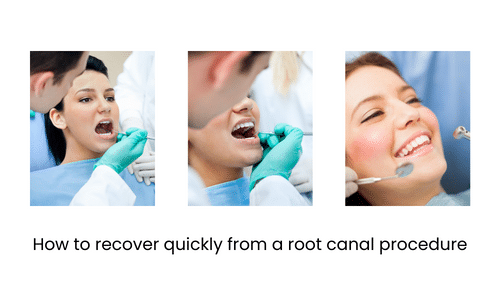
People get a chill down their spine when they hear “Root Canal” How do you recover quickly from a root canal procedure? Because of widespread misunderstandings, they fear acquiring it, believe it would be a nightmare, and even want to avoid doing so. This results from misinformation about what to do following a root canal and, of course, online horror tales. A dental infection of the soft tissues of the root canal usually necessitates root canal surgery. It often comes with earaches, headaches, facial and gum edoema, and tooth discolouration. The process used to manage this problem includes removing the infected pulp, cleaning the region, and sealing it to stop additional harm and fill the space. Although the infection has been treated, the process is not yet over. When the swelling goes down, and the residual tissues, nerves, and ligaments begin to recover, there is a healing period that might be painful. REHABILITATION POST-ROOT CANAL As it applies to your tooth, of course, here is some advice on how to recover rapidly after a root canal and live pain-free: TAKEN THE MEDICATIONS AS RECOMMENDED Following the dentist’s recommendations or instructions is the finest thing a person can do for oneself after receiving a root canal. Prescription drug is one of these directions. These often reduce pain but may also include antibiotics, which kill or stop germs’ development. EATING After having a root canal, people may usually eat, although there may still be some discomfort or pain during chewing. Refrain from chewing with that tooth or chewing on the other side of your mouth until the soreness disappears. Avoid the tooth if you can, and rinse immediately if it still needs to be filled or restored. Since the likelihood of reinfecting or recontaminating the tooth is relatively high. Ignore chewy meals and choose softer alternatives like mashed potatoes, soup, cereal, or smoothies. Avoid smoking and alcohol use, which might hinder the healing process. FLOSSING AND BRUSHING Good oral hygiene habits must be followed to recover fast after a root canal. This involves brushing and flossing to avoid a recurrence of the issue and hasten recovery. Ask the dentist in advance for pointers and counsel on how to brush and floss correctly in light of the operation that has just been completed. REST Resting after any surgery, significant or tiny, may be beneficial. This will release some of the strain on the healing region and provide the patient with some relief from their suffering. Without the owner’s prodding and prodding, the body heals pretty well. APPLY AN ICEPACK to recover quickly from a root canal procedure Reduce the swelling that follows a root canal to recover more rapidly. An ice pack is one of the most excellent methods to minimise edema. Grab an ice-soaked towel and apply it to the affected region for a few minutes to see a change. The following guidelines must be followed to recover quickly from a root canal procedure: Following root canal treatment, appropriate oral hygiene must be practised to avoid future tooth damage and speed up the healing process for the treated teeth. After the surgery, refrain from eating for a few hours and sleep with your head up. There can be swelling and discomfort around the treated tooth right after the surgery. Try to sleep with your head up for several days to lessen the pain. Additionally, ensure you wait until the numbness subsides before eating immediately after the treatment. Taking painkillers You can suffer pain and discomfort in the jaw and gums after the procedure’s anaesthesia wears off. Still, you can control it using over-the-counter or professionally recommended anti-inflammatory pain medication. Rinse with warm saltwater The gums around the treated tooth are vulnerable to infection if root canal treatment is used to heal the problematic tooth. When this occurs, a great deal of discomfort can be felt. It is advised to rinse the mouth with warm, somewhat salty water to keep the mouth clean and fend against infection to prevent this from developing. Only engage in a demanding activity for a few days For the first several days, take some time off. For at least 48 hours, refrain from any vigorous physical activity. Running, trekking, participating in physical activity, or doing physical work should all be avoided to obtain enough rest. Avoid anything that can inflame It is advised to avoid certain behaviours and foods when recuperating after root canal treatment since they are known to irritate the gums and result in discomfort and swelling that can impede your healing. It would help if you refrained from consuming or employing the following behaviours: smoking, drinking alcohol or hot drinks, drinking with a straw, biting, or eating challenging or sucking-requiring meals. THE CONCLUSION Recovering from a root canal does not necessarily have to be a painful, horrifying process. A strong sense of fear and danger is created by root canal treatment. Don’t worry, however, if the dentist advises you to have a root canal treatment since it’s a generally safe and necessary surgery for repairing teeth that have been badly fractured or infected. Consult the dentist who performed the root canal for more advice on recovering fast. When a tooth is severely damaged or diseased, root canal treatment is required to preserve and restore it. The pulp is taken out during a root canal treatment, and the inside of the tooth is cleaned and sealed. When the pulp, made up of nerves and blood vessels in the tooth, develops an infection or is injured, this surgery is carried out. Root Canal Explained – American Association of Endodontists (aae.org)
How to maintain your toothbrush properly
Most likely, you use your toothbrush daily to remove germs and plaque from the surface of your tongue and teeth. After a thorough brushing, your mouth will be significantly cleaner, but the toothbrush will now carry the bacteria and debris from your mouth. Your toothbrush is also likely to be kept in the bathroom, where germs may linger in the air. This post will discuss how to maintain your toothbrush correctly so you can use it without worry. Cleaning a toothbrush There are various ways to clean your toothbrush after each usage. Some have a more significant impact than others. Before and after every usage, wash it with hot water. You are running hot water over the bristles of your toothbrush before and after each use is the simplest and most effective way to sanitize it. Doing this eliminates any germs accumulated on your toothbrush in the intervals between brushings. Additionally, it removes any fresh germs that could have developed between uses. Most individuals may disinfect their toothbrushes between usage by running them under clean, hot water. Warm the toothbrush head slightly in hot water before adding toothpaste. It should be possible to create steam from the water. Rinse your brush with hot water after thoroughly brushing your teeth and mouth. In antimicrobial mouthwash, soak it. If rinsing with hot water doesn’t calm your nerves, you may soak your toothbrush in an antimicrobial mouthwash. Due to the abrasive components in these mouthwashes, which cause bristles to break down, remember that doing this might cause your toothbrush to wear out more quickly. Following each brushing, you should place your toothbrush and head down in a small cup of mouthwash for approximately two minutes. Should toothbrushes be boiled? Although most toothbrush handles may start to melt in boiling water, boiling water is not necessary to get your toothbrush clean enough to use. Use a tea kettle or a stovetop pot to warm the water if you still want to use boiling water. After it boils, turn off the heat and immerse your toothbrush for about 30 seconds. Toothbrush cleaner You may clean your toothbrush using denture cleaning solution, hot water, and mouthwash. Antimicrobial components included in denture cleaners work to eliminate oral germs and plaque. Never use the same denture cleaner again on the same set of dentures. To get your toothbrush particularly clean, dissolve half a cleaning tablet in a cup of water and soak it for 90 seconds. How to clean the electric toothbrush head? Generally, cleaning an electric toothbrush head is similar to cleaning a regular toothbrush. Before using anything other than toothpaste and warm water on your toothbrush, unplug the toothbrush head from the electric base. Use warm water or a brief mouthwash soak, and keep your electric toothbrush in a clean, dry area if it doesn’t disengage from the base. How to maintain your toothbrush correctly? After disinfecting your toothbrush, you may take precautions to maintain it clean. It’s as vital to store your toothbrush correctly as it is to clean it after each usage. Keep it in a daily-changed hydrogen peroxide solution. According to 2011 research, putting your toothbrush in a little cup of hydrogen peroxide is a practical strategy to minimize bacterial development. Every day, change the hydrogen peroxide before placing your toothbrush into the cup; bristles first. Avoid keeping toothbrushes next to one another. The bristles of many toothbrushes thrown together in a cup may get contaminated with germs. If there are numerous occupants in your home, space out each toothbrush from the others by a few inches. Keep it away from the bathroom as much as you can The “toilet plume” phenomenon occurs when you flush the toilet and causes faeces to ascend into the air. This plume disperses dangerous germs overall washroom surfaces, including your toothbrush. Your toothbrush may be shielded from harmful germs by being kept in a medicine cabinet with closed doors. You may also keep your toothbrush as far away from the bathroom as possible. Tidy toothbrush holders and covers Any toothbrush coverings and storage containers you use to keep your toothbrushes might get contaminated with bacteria from your toothbrush. Every two weeks, clean the containers and coverings for your toothbrushes to prevent the growth of hazardous germs. Your toothbrush doesn’t have to be covered, but if you do, let it air dry first. The bristles of a wet toothbrush may get more contaminated if covered. Put toothpaste in a dispenser to maintain your toothbrush properly There is always a possibility that making touch with the toothpaste tube while using your toothbrush to apply toothpaste can spread germs. To minimize the possibility of cross-contamination, utilize a toothpaste pump dispenser. When should I change my toothbrush? Sometimes switching out your toothbrush is the best method to ensure it is clean. Generally speaking, you must change your toothbrush or head every three to four months. In addition, you should discard your toothbrush in each of the following situations: Your household has a sick member. Using your toothbrush after you or anybody in your home has been ill with the flu or strep throat increases the risk of infection. Your toothbrush was shared. You cannot thoroughly clean your toothbrush if it has been used by someone else. Because each person has a different oral flora, you shouldn’t wash your mouth with germs. Am I using too Much Toothpaste Good for Oral Health? Takeaway You attempt to scrub your mouth with a filthy toothbrush without sufficient disinfection. Your mouth’s microorganisms may be present on your toothbrush. If your toothbrush isn’t thoroughly cleaned, these germs may grow. Most individuals undoubtedly assume that washing their toothbrush in hot water after each use is adequate to disinfect it. Simple soaking techniques with mouthwash, hydrogen peroxide, or denture cleaning can sterilize your toothbrush if you wish to take the procedure further. Common Dental Emergencies and First Aid – Worthy Smiles
Common Dental Emergencies and First Aid
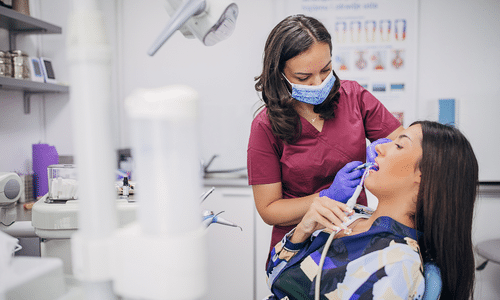
Common Dental Emergencies may happen to both adults and children. These include severe pain, fractured and broken teeth, and oral infections. And it was bleeding from the mouth following an accident or being smacked in the face. As soon as possible in the case of a dental emergency to stop additional damage and heal the mouth. It’s crucial to consult a dentist or other medical expert. Common Dental Emergencies: Types Abscesses/Infections: Gum disease and poor oral hygiene are the leading causes of pimples and infections. If oral infections are not treated immediately, they may spread throughout the body. If you have a long-term health issue like diabetes, you may also be at higher risk. Bleeding from the Mouth/Mouth Injury: Injuries to the mouth and gums may result from being smacked in the mouth or falling on one’s face. It’s crucial to provide basic first aid and get straight to the dentist if you observe bleeding from a mouth injury. A cracked or broken tooth (or teeth) may result from biting onto something hard, such as sweets, or being struck in the mouth. Finding the fragments of a broken tooth and seeing a dentist right away can allow the tooth to be fixed. Extremely Loose Tooth: Loose teeth might signify oral injuries, gum disease, or tooth decay. In rare cases, a dentist may be able to stabilize and restore the tooth to prevent extraction. Knocked-Out Teeth: A dental emergency occurs when one or more teeth are knocked out. This often happens due to being struck in the face or having your jaw contact with a complex item. The knocked-out teeth may be replaced if you preserve them and see a dentist immediately. Significant Toothache: Significant toothaches may be brought on by cavities, the loss of a filling, gum disease, or inflammation. To find out what is causing the discomfort, you must see a dentist as soon as possible. Biting Your Tongue or Mouth Consistently: If you often bite your tongue or mouth, you may have bite issues that may be resolved with quick dental therapy to realign your teeth. You could need emergency dental treatment if you discover that the wounds are not healing or are painful. Emergency Dental First Aid When Common Dental Emergencies occur, first aid often entails minimizing discomfort and swelling and locating cracked or knocked-out teeth so they may be put back in the mouth. Many dentists also advise building a dental first aid kit. Like the standard first aid kits, you would have in your house and vehicle. A cold compress and painkillers It could be beneficial to apply a cold, damp towel or an ice pack to the side of the face for oral injuries, swelling, and toothaches. As you drive to the emergency dentist’s office, you may also use an oral anesthetic or take a painkiller like Tylenol to aid with pain management. Find Missing Teeth or Chips, if Possible To save them for reimplantation or attachment, try to locate the missing parts or the knocked-out tooth. It is crucial to avoid touching the root of any teeth that have been knocked out. The tooth should be cleaned and put back into the socket if feasible. A clean, sterile piece of gauze may be a bit down on to keep the tooth in place. Additionally, you may put the tooth inside a Save-a-Tooth system or something in your dental first aid kit to help keep it safe until you go to the dentist. Mouth Rinsing Mouth injuries, oral infections, abscesses, and toothaches may benefit from a warm salt water rinse, which may help reduce discomfort and assist in drawing out any disease. You will still need to call your dentist and make an emergency appointment. How to avoid common dental emergencies – Why are dental cleanings essential?
How Children’s Teeth Erupt and Fall Out?

Good oral health is essential for children, not only for their overall well-being but also for developing essential life skills. Healthy teeth and gums make it possible for kids to eat a wide range of nutritious foods, which provides them with the vitamins, minerals, and energy they need to grow and develop. Poor oral health can lead to problems with tooth decay and gum disease, which can result in pain, abscesses, eating difficulties, and poor nutrition. It can also cause children to feel embarrassed or uncomfortable when smiling or socializing with others. The American Academy of Pediatric Dentistry recommends that all children visit a pediatric dentist by their first birthday. During regular appointments, the dentist will assess the condition of your child’s teeth and gums and provide preventive care such as fluoride treatments and sealants. The dentist will also advise on healthy eating habits and offer tips on effective brushing techniques. Regular visits also help establish an important relationship between the child and the dentist; this early exposure can help make future dental experiences less traumatic for kids naturally anxious about dental procedures. Best oral habits for the kids Establishing good oral hygiene habits in childhood is vital so that kids carry them into adulthood. Teaching children at a young age how to brush correctly (using circular motions) helps ensure that they remove plaque from their teeth effectively. It’s also necessary to floss at least once per day to keep between-teeth areas clean; teaching your kid how to floss is just as important as teaching them how to brush! Additionally, reducing sugary snacks between meals helps prevent enamel erosion caused by acidity levels in plaque bacteria; introducing healthy snacks such as fruits benefits oral health AND overall nutrition! Furthermore, providing your child with mouthguard protection during contact sports helps protect against tooth damage; many dentists offer custom-made mouthguards which fit more comfortably than store-bought alternatives. Seeking prompt treatment if any issues arise can go a long way toward protecting your child’s oral health too! For example, if a baby tooth is knocked out due to injury, it may require immediate attention from a pediatric dentist since the timing of permanent tooth growth may be affected by the damage done to baby teeth roots. Read – Different Stages of Tooth Decay It’s a child’s right to have good oral health Maintaining good oral health in childhood is incredibly important, requiring diligent efforts from parents and children alike! Providing preventive care through regular visits to the pediatric dentist helps ensure that minor issues don’t become bigger ones down the line; establishing healthy habits such as brushing twice per day with fluoride toothpaste and flossing daily helps protect against cavities; limiting sugary snacks prevents enamel erosion due to acidity levels caused by certain bacteria; lastly investing in protective equipment such as mouthguards while playing contact sports offers extra safeguards against potential harm caused by trauma or injury. Children’s Teeth Erupt and Fall Out Children may be a tremendous joy, but they can also provide us with some unique problems in the early years of their lives. This is particularly true at six months when teething starts. Parents face new challenges while dealing with an uncomfortable and pained infant. Although teething is a reality, knowing what to expect can help you support your child. Learning about how their teeth emerge and why they ultimately lose them on the route to gaining their adult teeth is one of the finest ways to be ready for this time in their life. How Do the Teeth Emerge in My Children? You’ll first notice your child’s teething symptoms around six months. Your children’s baby teeth have been developing in their jaws over the last several months. And they are now beginning their painful ascent through the gums and out into the world. The incisors, sometimes known as “bunny teeth,” found at the front of the mouth, are usually the first teeth to start coming in. Nursing moms often become aware of these teeth for the first time when their infant starts trying them out while eating. From this time until the age of three, you may anticipate a constant development of teeth erupting until they have all 20 of their baby teeth. What Source Are These Teeth? The aforementioned “tooth buds,” which are also responsible for the development of their adult teeth, are what give rise to teeth. Some individuals will also have third molars, which are a genetic throwback. Some individuals still have these teeth coming in because they were there. When our diets included foods that were tougher to chew and digest than the foods we eat now. They may be referred to as “Wisdom Teeth.” The good news is that you usually only have to deal with them once a person is in their late teens. When these teeth grow, they may create all kinds of complications. How They Lose Their Teeth and Fall Out Have you ever wondered precisely what happens to cause Children’s Teeth to Erupt and Fall Out? In essence, the tooth buds create a brand-new set of teeth that begin to emerge underneath the existing teeth. The process results in the death of the old roots and the pushing up. And out of the way of the teeth, causing them to become loose before they fall out. When your kid complains of having loose teeth, it is usually the first indication that anything is wrong. While you may be tempted to assist with the tooth’s removal. Letting it fall out naturally on its own is preferable. A still-living root may be broken if the tooth is attempted to be extracted too soon, which might result in an infection. Are Dental X-Rays Safe for Kids?
Contouring and Reshaping Teeth
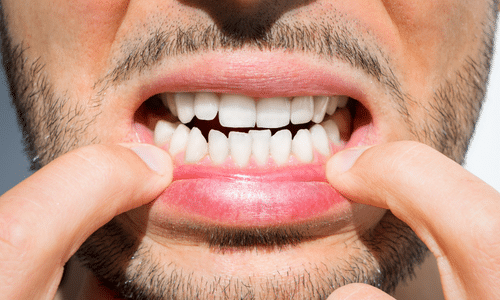
Would you correct a little flaw in your dazzling whites? The solution could be to see your dentist for dental contouring, commonly known as tooth reshaping. According to Kimberly Harms, DDS, consumer advocate, and ADA spokesman, dental contouring and tooth reshaping are cosmetic dentistry operations that deal with minor dental alterations. But occasionally, even little adjustments may have a tremendous impact. With a little tooth reshaping and dental contouring, issues or imperfections like slightly overlapping or unevenly shaped teeth, minute chips in the teeth, or overly pointed cuspids are often resolved. Tooth Reshaping: What Is It? A cosmetic dentistry procedure that shapes and sculpts teeth using a tooth-colored composite material. To alter the form, length, or surface of one or more teeth, a cosmetic dentistry procedure known as tooth reshaping, sometimes known as dental contouring, involves the removal of tiny portions of tooth enamel (the tooth’s outer layer). The procedure is often paired with bonding. What’s Involved in Dental Contouring and Tooth Reshaping? Using dental tools and abrasion methods, teeth may be reshaped. Before the shaping and contouring, dental X-rays may be obtained to make sure your teeth are healthy. Then, your dentist will use a pen to outline the parts of your teeth that need shaping. A sanding tool is used to remove or reduce flaws on the teeth’s surface skillfully, and sandpaper-like strips may be used to shape the teeth’ sides. The teeth are polished and buffed to completion. Dental Reshaping and Contouring: Advantages and Drawbacks Even though contouring and reshaping are conservative methods for altering the look of your teeth, it’s still crucial to consider the benefits and drawbacks of each surgery to determine if it’s the correct choice for you. Cost. This is a low-cost approach to make your teeth seem better. Depending on the required treatment, the operation typically costs $50 to $300 per tooth. Dental contouring and tooth shaping provide the following benefits: Painless. In tooth reshaping and dental contouring, just the superficial enamel is removed. Therefore there is often little pain and no need for anesthesia. Enhances dental health. Your risk of tooth decay and gum disease is reduced by removing slight overlaps and other flaws where tartar and plaque may accumulate. A potential alternative to braces. Tooth reshaping and dental contouring may sometimes be used in place of braces because they make teeth seem straighter and reduce minor overlapping. Dental contouring and teeth shaping drawbacks include: A subtle shift. Contrary to specific cosmetic dentistry procedures, dental contouring and tooth reshaping won’t significantly alter the appearance of your smile or make your teeth seem whiter. Compared to veneers, which fully encase the front surface of the teeth. Tooth reshaping and dental contouring only remove minor flaws. Choose veneers for a more noticeable smile makeover. Possible tooth damage: Teeth may become sensitive following tooth reshaping and dental contouring, depending on how much enamel is removed. Additionally, if too much enamel is terminated, you risk breaking a tooth. Are dental contouring and tooth reshaping appropriate for you? The most outstanding candidates for tooth reshaping and dental contouring are those who need minor alterations or repairs to enhance the appearance and feel of their teeth. It’s perfect for teeth that are a bit wonky, overly pointed, or where one side protrudes more than the other. However, dental reshaping and contouring are not recommended for those with gum disease, decayed teeth, or root canals. Dental contouring and tooth reshaping are sometimes the initial stages in more involved cosmetic dentistry procedures. Veneers, teeth whitening, and crown lengthening procedures may be carried out months or even years following tooth contouring and reshaping. However, teeth reshaping and dental contouring may be the perfect solution for a better smile if you want to save the time and cost of significant cosmetic dentistry. The Top Reasons Why It’s Critical To Brush Your Teeth Before Bed

