
Tips for Managing Dental Anxiety

Dental anxiety is a common issue many individuals face, causing them to feel uneasy or fearful when visiting the dentist. This anxiety can stem from factors like past traumatic experiences, fear of pain, or a general fear of dental procedures. However, managing dental anxiety is crucial to maintain good oral health and prevent dental problems from escalating. In this article, we will explore some valuable tips to help individuals managing dental anxiety and have a more comfortable dental experience. Understanding Dental Anxiety Dental anxiety refers to the fear or apprehension experienced by individuals when faced with dental visits or procedures. It can manifest in various ways, including increased heart rate, sweaty palms, restlessness, or even panic attacks. The prevalence of dental anxiety is significant, with studies indicating that approximately 9-15% of people worldwide suffer from dental anxiety. Effects of Dental Anxiety Unmanaged dental anxiety can have detrimental effects on both oral health and overall well-being. Individuals with dental anxiety often delay or avoid necessary dental treatments, leading to the progression of oral health issues such as tooth decay, gum disease, and even tooth loss. Moreover, the constant worry and fear associated with dental visits can result in increased stress levels, poor sleep, and a negative impact on mental health. Choosing the Right Dentist Selecting a dentist who understands and empathizes with dental anxiety is crucial to managing this condition. Conducting thorough research and seeking recommendations from trusted sources is essential to find a dentist who creates a supportive and comfortable environment for anxious patients. A dentist with experience dealing with dental anxiety can significantly alleviate patients’ fears and concerns. Communication and Trust Establishing open communication with your dentist is vital in managing dental anxiety. Clear communication allows patients to express their fears and concerns and ask questions about the procedures. A dentist who listens attentively and addresses these concerns can build trust with the patient, making them feel more at ease throughout the dental visit. Relaxation Techniques Implementing relaxation techniques can be highly effective in managing dental anxiety. Deep breathing exercises, where individuals take slow, deep breaths through their nose and exhale through their mouth, can help calm the nervous system and reduce anxiety. Progressive muscle relaxation involves tensing and relaxing different muscle groups to promote peace. Meditation and visualization techniques can help individuals create a sense of calm and focus their minds away from dental procedures. Distraction Techniques Distraction techniques during dental procedures can divert the patient’s attention and alleviate anxiety. Listening to soothing music or audiobooks through headphones can create a relaxing atmosphere and help individuals relax. Watching movies or TV shows on screens placed above the dental chair can also be a great distraction, providing a visual diversion from the procedure. Sedation Dentistry Sedation dentistry can help patients feel more comfortable and relaxed during dental procedures, allowing the dentist to perform the necessary treatments while minimizing anxiety and discomfort. Different types of sedation are available, ranging from mild sedation to general anesthesia. For individuals with severe dental anxiety, sedation dentistry may be an option to consider. Cognitive-Behavioral Therapy Cognitive-Behavioral Therapy (CBT) is a psychological approach that can be beneficial for managing dental anxiety. CBT helps individuals identify and challenge negative thoughts and beliefs about dental visits and procedures. By reframing these thoughts and learning coping mechanisms, individuals can gradually change their perception of dental experiences and reduce anxiety. Gradual Exposure Gradual exposure to dental procedures can be an effective technique for managing dental anxiety. Starting with less invasive treatments, such as dental cleanings or examinations, allows individuals to become more comfortable with the dental environment and procedures gradually. As confidence builds, they can slowly progress to more complex treatments, such as fillings or extractions. Support System A support system can provide significant comfort and encouragement for individuals with dental anxiety. Bringing a trusted friend or family member to dental appointments can offer emotional support and be calming. Additionally, joining support groups or seeking counseling can provide a safe space to share experiences and receive guidance from others who have overcome dental anxiety. Preventive Care Regular dental check-ups and preventive care are essential for maintaining oral health and reducing the need for extensive dental treatments. Routine cleanings, examinations, and preventive measures can help individuals stay on top of their oral health and minimize dental anxiety. By addressing dental issues early on, individuals can avoid more complex and potentially anxiety-inducing procedures in the future. Patient Education Understanding dental procedures and their benefits can alleviate anxiety by giving individuals knowledge and control over their dental care. Patients should feel empowered to ask questions and seek clarification about processes, potential discomfort, and expected outcomes. A dentist who takes the time to educate their patients can help alleviate fears and build confidence. Creating a Comfortable Environment Dental offices can create a more comfortable environment by considering various factors. The office design and atmosphere should be welcoming and calming, with soothing colors and pleasant décor. Patient comfort measures such as comfortable chairs, blankets, or noise-canceling headphones can provide a more relaxed dental experience. Conclusion Managing dental anxiety is crucial for maintaining good oral health and receiving the necessary dental care. Individuals can effectively manage their stress by understanding dental anxiety, choosing the right dentist, utilizing relaxation and distraction techniques, considering sedation dentistry, and gradually exposing themselves to dental procedures. Building open communication, seeking support, prioritizing prevention, and educating oneself about dental procedures are essential to managing dental anxiety. By implementing these tips, individuals can overcome their fears and have a more comfortable and positive dental experience. Dental Hygiene Tips for a Healthy Smile More blogs to read: What Does Odontogenic Pain Mean? What causes bleeding gums? Are Dental Implants Painful? What Do Most of the Patients Say How Botox Can Help TMJ and Other Pain! Are yellow teeth unhealthy teeth? Explain Why? Best vitamins for oral health
How to Find the Right Dentist for You

Introduction Are you searching for a dentist who can cater to your specific dental needs and make you feel comfortable during your visits? Finding the right dentist can be a daunting task, but fear not! This comprehensive guide will walk you through the steps to help you find the right dentist. We have covered you, from considering your dental needs to conducting thorough research. So, let us dive right in and discover how to find the right dentist for you. How to Find the Right Dentist for You: A Step-by-Step Guide Assess Your Dental Needs Assessing your dental needs is vital before embarking on your search for the ideal dentist. Are you looking for a general dentist to handle routine check-ups and cleanings, or do you require specialized dental care such as orthodontics or cosmetic dentistry? Understanding your needs will help you narrow your options and find a dentist to provide the necessary services. Seek Recommendations One of the best ways to find a reliable dentist is by seeking recommendations from family, friends, and colleagues. Ask them about their dental experiences and if they are satisfied with their current dentist. Personal referrals can provide valuable insights and help you make an informed decision. Research Online In this digital age, the internet is a treasure trove of information. Utilize search engines to find dentists in your area. Read online reviews and ratings from reputable websites to get an idea of the quality of service different dentists provide. Pay attention to both positive and negative reviews to gain a balanced perspective. Consider Location and Office Hours When selecting a dentist, it’s essential to consider their office’s location and office hours. Additionally, check if their office hours align with your schedule to avoid any conflicts in the future. Opt for a dentist who is conveniently located near your home or workplace to ensure easy accessibility. Evaluate Experience and Credentials A dentist’s experience and credentials play a significant role in determining their expertise. Look for information about the dentist’s educational background, years of experience, and any specialized training they have received. This information will help gauge their proficiency and ensure you receive top-notch dental care. Verify Licensing and Certifications Before finalizing your decision, verify that the dentist is licensed and has the necessary dental certifications. This step ensures that the dentist adheres to the highest professional standards and is qualified to provide dental treatments. Assess the Dental Practice Apart from the dentist, it’s crucial to evaluate the dental practice. Visit the dental office or check their website to understand their environment, cleanliness, and professionalism. A well-maintained and modern dental practice indicates a dentist who cares about their patient’s comfort and satisfaction. Consider the Range of Services Offered Evaluate the range of dental services offered by the dentist. Can they handle various treatments, from routine cleanings to complex procedures? Choosing a dentist who provides comprehensive services will save you the hassle of visiting multiple dental professionals for different treatments. Evaluate Communication and Patient Comfort A good dentist should prioritize effective communication and patient comfort. During your initial consultation or visit, assess how well the dentist communicates with you and addresses your concerns. Please pay attention to their ability to explain dental procedures in an easily understandable way. Additionally, ensure the dental practice creates a comfortable and welcoming patient atmosphere. Inquire About Insurance and Payment Options Before committing to a dentist, inquire about their accepted insurance plans and payment options. If needed, ask about their payment options, such as installment plans or financing. It’s essential to ensure the dentist takes your insurance plan to avoid any unexpected financial burdens. Schedule a Consultation Once you have narrowed your options, schedule a consultation with the dentist. This meeting will allow you to meet the dentist personally, discuss your dental needs, and ask any questions you may have. Pay attention to how attentive and receptive the dentist is during the consultation. This will give you a glimpse into their patient-centered approach. Assess the Technology and Equipment Modern dental technology can significantly enhance the quality and efficiency of dental treatments. State-of-the-art equipment can contribute to a more comfortable and practical dental experience. During your consultation or visit, take note of the technology and equipment the dentist uses. Are they up-to-date with the latest advancements in dentistry? Consider Emergency Dental Care Dental emergencies can occur at any time, and it’s crucial to have a dentist who can provide prompt care. Inquire about the dentist’s policy regarding emergency dental services. Do they have provisions for urgent appointments? Knowing you have access to emergency dental care can provide peace of mind. Conclusion Finding the right dentist is a significant decision that can significantly impact your dental health and overall well-being. By following the step-by-step guide outlined in this article, you can navigate the process of finding a dentist with ease and confidence. Scheduling a consultation, assessing technology and equipment, seeking second opinions when necessary, and considering emergency dental care are all essential steps in finding the right dentist for you. Trust your instincts and prioritize your comfort and satisfaction throughout the selection process. Frequently Asked Questions (FAQs) 1. How often should I visit the dentist for check-ups? Visiting the dentist for routine check-ups and cleanings every six months is recommended. However, the frequency may vary depending on your specific dental needs and the advice of your dentist. 2. What should I do if I have dental anxiety? If you experience dental anxiety, it’s essential to communicate your concerns with the dentist. Many dentists offer techniques and treatments to help patients feel more relaxed during dental procedures, such as sedation dentistry or creating a calming environment. 3. Can I switch dentists if I’m not satisfied? Absolutely! Suppose you are not satisfied with your current dentist. In that case, you can switch to a different dentist who better meets your needs and expectations. Prioritize your dental health and find a dentist you feel comfortable with. 4. What if I have a dental
The Pros and Cons of Different Dental Procedures

Are you looking to improve your smile or fix a dental issue? There are different dental procedures available to you. Each system has its Pros and Cons, and it’s essential to understand them before deciding. This article’ll examine the pros and cons of different dental procedures. Introduction Your smile is one of the first things people notice about you. A healthy, beautiful smile can improve your confidence, enhance your appearance, and positively impact your personal and professional life. However, not everyone is born with perfect teeth. Various factors, such as genetics, poor oral hygiene, and accidents, can cause dental problems. Fortunately, modern dentistry offers many solutions to fix dental issues and improve your smile. Before undergoing, understanding the Pros and Cons of different dental procedures is crucial. This article will explore the pros and cons of other dental procedures to help you make an informed decision. You should also consult your dentist to determine the correct method based on your oral health and needs. Teeth Whitening Pros Teeth whitening is a popular dental procedure that can dramatically improve the appearance of your smile. The treatment uses special chemicals to remove stains and discoloration from your teeth, leaving them whiter and brighter. One of the main benefits of teeth whitening is that it’s a non-invasive procedure. It doesn’t require drilling or removal of tooth structure, making it a safe and painless option. Teeth whitening is also relatively affordable compared to other cosmetic dental procedures. Cons While teeth whitening is generally safe, there are some potential drawbacks. The treatment can cause tooth sensitivity, especially if you have pre-existing dental issues. Overusing whitening products can also damage your tooth enamel and cause gum irritation. Additionally, teeth whitening isn’t suitable for everyone, especially those with certain dental conditions. According to the National Health Center, Percent of adults aged 18 and over with a dental visit in the past year: is 63.0% (2022) Dental Implants Pros Dental implants are a popular solution for replacing missing or damaged teeth. The procedure involves surgically placing a titanium post into the jawbone, which acts as an artificial tooth root. A crown is then attached to the post, creating a natural-looking and functioning tooth. One of the primary benefits of dental implants is their durability. Implants are more comfortable and stable than tooth replacement options, such as dentures. Proper care can last a lifetime, making them a long-term investment in oral health. Cons While dental implants are an excellent solution for tooth replacement, they do have some potential drawbacks. The procedure is invasive and requires surgery, which can be uncomfortable for some patients. It’s also a time-consuming process that requires several visits to the dentist over several months. Finally, dental implants can be expensive compared to other tooth replacement options. Dental Veneers Pros Dental veneers are thin shells of porcelain or composite resin bonded to the front of your teeth. They’re an excellent solution for various dental issues, including chipped, stained, or misaligned teeth. Veneers can also be used to close gaps between teeth and improve the appearance of your smile. One of the primary benefits of dental veneers is their versatility. They can address many cosmetic dental issues in a single treatment, making them a convenient option. Surfaces are also durable and long-lasting, with proper care. Cons While dental veneers can improve the appearance of your smile, there are some potential drawbacks to consider. The procedure requires removing a small amount of tooth enamel, which is irreversible. This means veneers are a permanent solution and must be replaced when worn out. Veneers can also be expensive compared to other tooth restoration options. Additionally, some patients may experience tooth sensitivity after getting veneers, especially if the tooth enamel removal is extensive. Dental Crowns Pros Dental crowns, or caps, are custom-made tooth coverings that restore damaged teeth’ shape, size, and strength. They are often recommended for teeth with extensive decay, cracks, or after root canal treatment. One of the significant advantages of dental crowns is their durability. They provide long-term protection to weakened teeth and can withstand the forces of biting and chewing. Crowns also offer excellent aesthetic results, as they can match the color and shape of your natural teeth. Cons Despite their many benefits, dental crowns also have some considerations to consider. Placing a crown involves removing a significant portion of the natural tooth structure. This irreversible alteration can weaken the tooth in the long term. Additionally, the cost of dental crowns can be higher compared to other restorative options. Orthodontic Treatment Pros Orthodontic treatment, commonly known as braces, is used to correct misaligned teeth and bite issues. This dental procedure involves props, wires, and other appliances to shift the teeth into their proper positions gradually. One of the primary advantages of orthodontic treatment is the significant improvement it can bring to your smile and oral health. Straighter teeth are easier to clean, reducing the risk of tooth decay and gum disease. Additionally, properly aligned teeth can improve your bite and chewing efficiency. Cons Orthodontic treatment requires a considerable time commitment, often several months or years. Patients must regularly visit the orthodontist for adjustments and follow a strict oral hygiene routine during this time. Braces can also cause temporary discomfort and difficulty with eating certain foods. Dental Bridges Pros Dental bridges replace missing teeth by anchoring artificial teeth to adjacent natural teeth or dental implants. They offer a non-removable and stable solution for restoring your smile and maintaining proper dental function. One of the advantages of dental bridges is their ability to fill the gap left by a missing tooth, preventing the remaining teeth from shifting out of position. Bridges also provide an aesthetically pleasing result, as they can be customized to blend seamlessly with your natural teeth. Cons While dental bridges offer many benefits, they have a few considerations to consider. The procedure requires altering the adjacent teeth to support the bridge, which can weaken them. The longevity of a dental bridge also depends on
The Different Types of Dental Treatments

These Dental treatments are essential to maintaining good oral health, and many different types are available to address various issues. This article will overview some of the most common dental treatments, including preventative, restorative, cosmetic, and orthodontic procedures. 1. Preventative Dental Treatments Preventative dental treatments aim to prevent dental problems from occurring in the first place. Here are some common preventative dental treatments: Regular Dental Cleanings Regular dental cleanings are essential to remove plaque and tartar build-up from teeth. Dental hygienists use specialized tools to scrape away plaque and tartar from teeth and then polish them to remove surface stains. Regular dental cleanings are typically recommended twice a year. Fluoride Treatment Fluoride is a mineral that can strengthen teeth and prevent tooth decay. Fluoride treatments can be done during a regular dental cleaning or as a standalone treatment. These treatments involve applying a fluoride gel or varnish to teeth, which is left on for a few minutes and then rinsed off. Sealants Dental sealants are thin, plastic coatings applied to the chewing surfaces of back teeth. They help prevent tooth decay by filling in the grooves and pits where bacteria can hide. Sealants are usually used on children’s teeth when permanent molars come in. Dental X-rays Dental X-rays detect dental problems that may not be visible to the naked eye, such as cavities, gum disease, and impacted teeth. They use low radiation levels to produce images of the teeth and jawbone. Dental X-rays are typically recommended once a year. 2. Restorative Dental Treatments Restorative dental treatments aim to restore damaged or decayed teeth to their natural function and appearance. Here are some common therapeutic dental treatments: Dental Fillings Dental fillings are used to repair cavities in teeth. They involve removing the decayed portion of the tooth and filling the space with tooth-colored filling material, such as composite resin. Root Canal Therapy Root canal therapy is needed when the pulp inside a tooth becomes infected or inflamed. It involves removing the infected pulp and filling the space with a unique filling material. A crown is usually placed over the tooth to protect it. Dental Crowns Dental crowns are used to restore badly damaged or decayed teeth. They involve removing the outer portion of the tooth and fitting a custom-made crown over the remaining tooth structure. Crowns can be made from various materials, including porcelain, metal, and ceramic. Dental Bridges Dental bridges are used to replace one or more missing teeth. They involve attaching a prosthetic tooth or teeth to adjacent teeth using dental crowns. These bridges can be made from various materials, including porcelain, metal, and ceramic. Dental Implants Dental implants are used to replace missing teeth. They involve surgically placing a small metal post into the jawbone and attaching a custom-made crown to the base. 3. Cosmetic Dental Treatments Cosmetic dental treatments aim to improve the appearance of teeth and give patients a more attractive smile. Here are some common cosmetic dental treatments: Teeth Whitening Teeth whitening is a popular cosmetic dental treatment that can brighten teeth and remove surface stains. It involves applying a bleaching agent to the teeth, activated with a special light. Teeth whitening can be done in-office or with take-home kits provided by a dentist. Dental Bonding Dental bonding is a simple cosmetic dental treatment that can improve the appearance of chipped, cracked, or discolored teeth. It involves applying a tooth-colored resin to the affected tooth and shaping it to match the surrounding teeth. The resin is then hardened with a special light. Porcelain Veneers Porcelain veneers are thin, custom-made shells bonded to the front of teeth to improve their appearance. They can cover up chips, cracks, gaps, and stains and give patients a more even and attractive smile. According to the Washington Post, More than 1 in 4 U.S. adults — 26 percent — have untreated dental cavities, according to oral health data gathered by the Centers for Disease Control and Prevention. 4. Orthodontic Dental Treatments Orthodontic dental treatments aim to straighten teeth and improve bite function. Here are some common orthodontic dental treatments: Traditional Metal Braces Traditional metal braces are a standard orthodontic treatment using brackets and wires to move teeth into their correct position gradually. They can address many orthodontic issues, including crowded, crooked teeth and bite problems. Ceramic Braces Ceramic braces work like traditional metal braces but use clear or tooth-colored brackets and less noticeable wires. They can be a good option for patients who want a more discreet orthodontic treatment. Clear Aligners Clear aligners are a popular orthodontic treatment that uses a series of clear, removable trays to move teeth into their correct position gradually. They can be a good option for patients who want a more discreet and flexible orthodontic treatment. Conclusion Treatments are essential for maintaining good oral health and a beautiful smile. From preventative treatments like regular dental cleanings and fluoride treatments to restorative treatments like dental fillings and root canal therapy to cosmetic treatments like teeth whitening and porcelain veneers to orthodontic treatments like traditional metal braces and clear aligners, there are many options available to meet patients’ needs. If you are interested in improving your oral health or the appearance of your smile, talk to your dentist about which dental treatments might be right for you.
The Benefits of Regular Dental Checkups
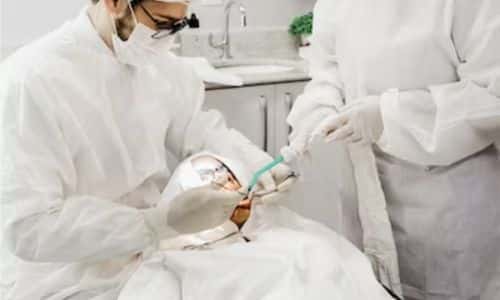
Regular dental checkups are crucial for maintaining good oral health. They involve a comprehensive examination of the mouth, teeth, and gums to identify potential problems and address them before they become serious. While some people may dread visiting the dentist, routine checkups offer numerous benefits that make them well worth the effort. In this blog post, we will explore some of the advantages of regular dental checkups and why they are essential for everyone. Early Detection of Dental Issues One of the most significant benefits of regular dental checkups is the early detection of dental issues. During the examination, the dentist will thoroughly examine your mouth, teeth, and gums to identify any potential problems. They will also take X-rays to check for cavities, gum disease, and other dental issues that may not be visible to the naked eye. By identifying these problems early, your dentist can provide the necessary treatment to prevent them from worsening. This can save you from experiencing more extensive and costly treatments in the future. Preventive Care Preventive care is another crucial benefit of regular dental checkups. During your appointment, your dentist will thoroughly clean your teeth to remove plaque or tartar buildup. This helps prevent cavities, gum disease, and other oral health problems. They will also provide tips on oral hygiene practices and recommend necessary products or procedures to maintain good oral health. Improved Overall Health Maintaining good oral health has been linked to improved overall health. Poor oral health can lead to various health problems, including heart disease, stroke, and diabetes. Regular dental checkups can help prevent these health issues by detecting and treating dental problems that may contribute to them. Additionally, your dentist may be able to identify signs of oral cancer during a routine checkup, which can be life-saving. Saves Money While regular dental checkups may seem like an added expense, they can save you money in the long run. You can avoid more expensive and invasive treatments by identifying and treating dental problems early. For example, a simple filling is much cheaper than a root canal, and preventive care is less costly than treating advanced gum disease. Additionally, most dental insurance plans cover the cost of routine checkups, so there is no reason to skip them. Better Oral Hygiene Regular dental checkups can also help you maintain better oral hygiene. During your appointment, your dentist will evaluate your oral hygiene practices and provide recommendations for improvement. They may recommend a different toothbrush or toothpaste, a mouthwash, or a water flosser. Following their advice can improve your oral hygiene and prevent future dental problems. Early Detection of Gum Disease Gum disease is a common oral health problem that can lead to tooth loss if left untreated. During a routine dental checkup, your dentist will examine your gums for signs of inflammation and bleeding. If they detect early signs of gum disease, they can provide treatment to prevent it from worsening. This may include deep cleaning, medication, or surgery, depending on the severity of the disease. Aesthetics Regular dental checkups can also help improve the aesthetics of your smile. Your dentist can recommend cosmetic procedures to enhance the appearance of your teeth, such as teeth whitening or veneers. You can enjoy a brighter, more attractive smile by keeping your teeth healthy and well-maintained. National Health Interview Survey’s data In the previous 12 months of 2020, 65.5% of people ages 18 to 64 saw the dentist. Adults in urban regions (66.7%) were likelier to have seen the dentist than those in rural areas (57.6%). Women were more likely than males to have seen the dentist during the previous year in both urban and rural locations. Non-Hispanic white adults (70.2%) had a higher rate of dental visits in urban areas than non-Hispanic black adults (61.8%) and Hispanic adults (59.4%). Non-Hispanic white individuals were more likely to see the dentist in rural regions (59.1%) than Hispanic adults (45.7%). In both urban and rural regions, the proportion of people who visited the dentist rose as family income as a share of the federal poverty line rose. Studies have shown a link between oral health and overall health; routine dental care may reduce the risk of illnesses. However, 35% of persons aged 18 and older had no dental checkup or cleaning in 2020. It has been shown that there are differences in dental care use and access, particularly between rural and urban locations. In this study, discrepancies between urban and rural persons aged 18 to 64 who had seen a dentist during the previous year were compared by demographic factors. Comfort Dental problems can be painful and uncomfortable, making eating, speaking, or even sleeping difficult. Regular dental checkups can help prevent these problems and ensure your teeth and gums are healthy and pain-free. Suppose you do experience any discomfort or pain. In that case, your dentist can provide treatment to alleviate and prevent it from worsening. In conclusion, regular dental checkups are essential for maintaining good oral health and overall well-being. By identifying and treating dental problems early, preventing future issues, and improving your oral hygiene, you can enjoy a brighter, healthier smile and avoid more extensive and costly treatments down the road. So, schedule your next dental appointment and care for your oral health.
What to Expect During a Teeth Whitening Procedure

Teeth whitening is a cosmetic dental procedure that involves the removal of stains and discoloration from the surface of the teeth, resulting in a brighter, more attractive smile. While many different types of teeth whitening treatments are available, they all work similarly by using a bleaching agent to lighten the color of the teeth. If you are considering a teeth whitening procedure, it’s essential to understand what to expect before, during, and after the treatment. This article will cover everything you need about teeth whitening procedures, including the different treatments, the risks and benefits, and what you can expect during your appointment. Types of Teeth Whitening Treatments Several teeth whitening treatments are available, ranging from over-the-counter products to professional in-office treatments. Here are some of the most common types of teeth whitening treatments: Over-the-Counter Whitening Products Over-the-counter whitening products, such as toothpaste, whitening strips, and whitening gels, are readily available at most drugstores and supermarkets. These products are affordable and easy to use but may not be as effective as professional treatments. At-Home Whitening Kits At-home whitening kits typically include a custom-fitted tray and a bleaching gel applied to the teeth for a specified period. These kits are more effective than over-the-counter products but can take longer to achieve noticeable results. In-Office Whitening Treatments Professional in-office teeth whitening treatments are the most effective and fastest way to achieve a whiter smile. During an in-office treatment, a dental professional will apply a bleaching agent to the teeth and use a special light to activate the whitening process. In-office treatments can typically be completed in one appointment, and results can be seen immediately. Risks and Benefits of Teeth Whitening While teeth whitening is generally considered a safe and effective procedure, there are some risks and potential side effects to be aware of. Here are some of the most common risks and benefits of teeth whitening: Risks Tooth sensitivity: Some people may experience temporary tooth sensitivity after a whitening treatment. Gum irritation: Whitening products can irritate the gums if they come into contact with them. Enamel damage: Overuse of whitening products can damage the enamel on the teeth, making them more susceptible to cavities and decay. Benefits Here are the benefits of teeth whitening explained in detail with separate headings: Boosts Confidence: Teeth whitening can improve the appearance of your teeth, making them look brighter and more attractive. Studies have shown that people with radiant smiles are perceived as more friendly, beautiful, and successful. A bright, white smile can boost your self-esteem and make you feel more confident in social situations. A bright, white smile can boost your self-esteem and make you feel more confident in social situations. Enhances Appearance: Teeth whitening can remove stains and discoloration caused by smoking, aging, and certain foods and drinks. This can enhance the appearance of your teeth and make them look healthier and more youthful. Whiter teeth can also make your lips and gums look more beneficial and improve the overall aesthetics of your smile. Improves Oral Health: Teeth whitening can help remove plaque and bacteria from your teeth, reducing the risk of gum disease, cavities, and other dental problems. Regular teeth whitening treatments can motivate you to take better care of your teeth and gums, leading to better oral hygiene and overall dental health. Boosts Job Prospects: A brighter, whiter smile can make a positive impression on potential employers and clients, particularly in industries where appearance is essential, such as sales or customer service. A confident smile can make you appear more approachable and trustworthy, increasing your chances of success in the workplace. Reduces Risk of Dental Problems: Teeth whitening can remove surface stains and discoloration, which can help prevent tooth decay and other dental problems. This is because when teeth are whitened, the enamel becomes more robust and less susceptible to damage from acid, bacteria, and other harmful substances. Improves Mental Health: Studies have shown that people with radiant smiles are happier and more confident, leading to better mental health and well-being. A brighter, whiter smile can improve mood and reduce stress and anxiety. A brighter, whiter smile can improve mood and reduce stress and anxiety. A confident smile can also help you feel more comfortable in social situations, leading to better relationships and a more fulfilling life. What to Expect During Your Appointment If you decide to undergo a teeth whitening procedure, here’s what you can expect during your appointment: Consultation Before the whitening treatment begins, you will consult a dental professional to discuss your goals and determine the best treatment option. Pre-Treatment The dental professional will clean your teeth to remove any debris or plaque that may interfere with the whitening process. They may also take before-and-after photos to track your progress. Whitening Treatment The dental professional will apply a whitening gel to your teeth and use a special light to activate the bleaching agent. The treatment may take anywhere from 30 minutes to an hour, depending on the type of treatment. Post-Treatment After the treatment, you may experience some tooth sensitivity and gum irritation. Your dental professional may recommend an over-the-counter pain reliever to help alleviate any discomfort. They may also recommend avoiding certain foods and drinks, such as coffee and red wine, for a few days after the treatment to prevent staining. Aftercare Aftercare is an essential aspect of any teeth whitening procedure, as it helps to ensure that your results last as long as possible. Here are some tips for taking care of your teeth after a whitening treatment: Brush and floss regularly: Maintaining good oral hygiene is essential for keeping your teeth healthy and preventing staining. Brush your teeth at least twice daily with fluoride toothpaste and floss daily to remove plaque and food particles that can cause discoloration. Use a soft-bristled toothbrush: After a teeth whitening treatment, your teeth may be more sensitive than usual, so it’s essential to use a soft-bristled toothbrush to avoid causing further irritation. Avoid staining foods and drinks: Foods and beverages
What to Expect During a Dental Sealant Procedure
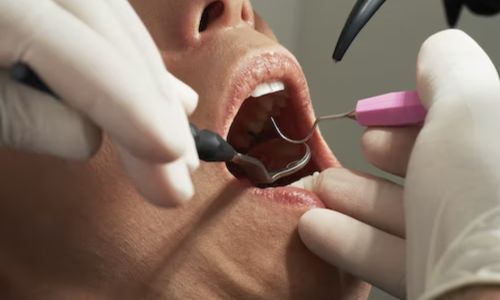
If you’re looking to prevent cavities in your teeth, you might consider getting a dental sealant procedure. This simple and painless process involves applying a thin, protective resin layer to your teeth. But what exactly does the procedure entail? In this article, we’ll walk you through the steps of a dental sealant procedure and answer some common questions. What are dental sealants? Dental sealants are a preventive treatment that can help protect your teeth from cavities. The sealant is a thin coating made of plastic or resin that is applied to the chewing surfaces of your teeth, usually the molars and premolars. These teeth have deep grooves and pits that can be difficult to clean properly, making them more susceptible to decay. How do dental sealants work? Dental sealants are a simple and effective way to reduce your risk of tooth decay. When the sealant is applied to your teeth, it fills in the crevices and fissures, creating a smooth surface that is easier to clean. This helps prevent bacteria and food particles from getting stuck in the gaps and causing cavities. Who can benefit from dental sealants? Dental sealants are most commonly used in children and teenagers but can also benefit adults at high risk for cavities. If you have deep grooves or pits in your teeth, you may be a good candidate for sealants. Your dentist can help determine if dental sealants are suitable for you. How to prepare for a dental sealant procedure Preparing for a dental sealant procedure is straightforward. You don’t need to do anything special beforehand. Brushing your teeth and flossing before your appointment is good, but that’s about it. The dental sealant procedure step by step The dental sealant procedure is quick and painless, usually taking only a few minutes per tooth. Here’s what you can expect during the course: 1. Cleaning and preparing the teeth The first step is to clean and prepare the teeth. Your dentist or dental hygienist will thoroughly clean your teeth to remove plaque or debris. They will then dry the teeth and isolate them with cotton or another material to keep them dry during the procedure. 2. Applying the sealant Once the teeth are clean and dry, the dentist will apply the sealant to the chewing surfaces of the teeth. The bond is a thin, liquid-like material brushed onto the teeth and allowed to flow into the grooves and pits. 3. Curing the sealant with a special light After applying the adhesive, your dentist will use a special light to cure it. The light activates the chemicals in the cement, causing it to harden and bond to the teeth. Aftercare tips After the procedure, you can resume normal activities right away. However, there are a few aftercare tips to keep in mind: Avoid eating or drinking anything for at least 30 minutes after the procedure to allow the sealant to harden fully. Be sure to brush and floss regularly to keep your teeth and sealants clean. Visit your dentist regularly for checkups and cleanings. How long do dental sealants last? Dental sealants can last for several years with proper care. Your dentist will check the bonds during regular checkups and can reapply them if necessary. Are there any risks or side effects? There are no significant risks or side effects associated with dental sealants. Some people may experience a slight sensitivity or discomfort after the procedure, but this usually goes away within a few days. How much does a dental sealant procedure cost? The cost of a dental sealant procedure varies depending on where you live and the dental office you go to. Dental sealants are an affordable option for cavity prevention, and many insurance plans cover the cost of the procedure. Dental sealants vs. other cavity prevention methods It is just one of many cavity prevention methods available. Other methods include fluoride treatments, regular brushing and flossing, and a healthy diet low in sugary foods and drinks. Your dentist can help you determine which practices are best for you. FAQs Is the dental sealant procedure painful? No, the procedure is painless and does not require any anesthesia. How long does the procedure take? The procedure usually takes only a few minutes per tooth. Can adults get dental sealants? Adults can benefit from dental sealants if they are at high risk for cavities. How long do dental sealants last? Dental sealants can last for several years with proper care. Are there any risks or side effects associated with dental sealants? There are no significant risks or side effects associated with dental sealants. Conclusion A dental sealant procedure may be a good option to protect your teeth from cavities. This simple and painless procedure can help reduce your risk of tooth decay and is an excellent addition to your regular oral hygiene routine. Talk to your dentist to determine if dental sealants are suitable for you.
What to Expect at an Emergency Dental Visit

If you experience a dental emergency, you should seek help from an emergency dentist as soon as possible. But what should you expect during an emergency dental visit? In this article, we will provide a detailed guide on what to expect when you visit an emergency dental clinic. Introduction Dental emergencies can happen to anyone at any time. They can be caused by various factors, including accidents, injuries, and sudden onset of pain. When a dental emergency occurs, it is essential to seek help from a dentist immediately. Emergency dentists are available to provide immediate care and relief for patients experiencing dental emergencies. What is a dental emergency? A dental emergency is any situation that requires immediate attention from a dental professional. Some common examples of dental emergencies include: A severe toothache A broken or chipped tooth A knocked-out tooth A lost filling or crown Gum abscesses Facial swelling or bleeding If you are experiencing any of these symptoms, you should seek help from an emergency dentist as soon as possible. Finding an emergency dentist If you are experiencing a dental emergency during regular business hours, contact your regular dentist. They may be able to see you on short notice, or they may refer you to an emergency dentist. If your dental emergency occurs outside of regular business hours, you can search online for emergency dental clinics. Many emergency dental clinics have extended hours; some even provide 24/7 service. What to bring to your emergency dental visit When you visit an emergency dental clinic, you should bring the following items with you: Your insurance information Any relevant medical records A list of medications you are taking Your photo ID Registration and initial examination When you arrive at the emergency dental clinic, you must complete some paperwork and provide your insurance information. You will then be taken to an examination room, where the dentist will perform an initial examination to determine the nature and severity of your dental emergency. Treatment options for dental emergencies Once the dentist has assessed your condition, they will discuss treatment options. The type of treatment you receive will depend on the nature and severity of your dental emergency. Toothaches Toothaches can be caused by various factors, including tooth decay, gum disease, and trauma to the tooth. The treatment for a toothache will depend on the cause of the pain. Sometimes, a filling or crown may be necessary to repair the tooth. In more severe cases, a root canal may be required to remove the infected or damaged tissue inside the tooth. Broken, chipped, or cracked teeth Broken, chipped, or cracked teeth can be caused by various factors, including accidents, injuries, and biting down on complex objects. The treatment for a broken, chipped, or cracked tooth will depend on the severity of the damage. Sometimes, a filling or crown may be necessary to repair the tooth. In more severe cases, the tooth may need to be extracted and replaced with a dental implant or bridge. Knocked-out teeth A knocked-out tooth is a dental emergency that requires immediate attention. If you can find the tooth, pick it up by the crown (the top part of the tooth) and rinse it off with water. Do not touch the root of the tooth. If possible, place the tooth back in the socket, or store it in a cup of milk or saliva until you can see the dentist. The dentist may reattach the tooth if it is appropriately preserved. Lost fillings or crowns Lost fillings or crowns can expose the sensitive tissue inside the tooth, causing pain and discomfort. The dentist may be able to replace the filling or crown or may recommend a more permanent solution like a dental implant or bridge. Gum abscesses Gum abscesses are pockets of pus that form in the gums, usually due to an infection. The dentist may drain the abscess and prescribe antibiotics to treat the disease. Root canals A root canal is a dental procedure used to treat an infected or damaged tooth. The dentist will remove the infected or damaged tissue inside the tooth and fill it with a particular material to prevent further infection. Extractions Tooth extractions may be necessary if the tooth is severely damaged or infected and cannot be saved. The dentist will use a local anesthetic to numb the area around the tooth and remove it from the socket. Recovery and follow-up care After your emergency dental procedure, you may experience some pain and discomfort. The dentist will provide instructions on how to care for your mouth and manage your pain. You may need to avoid certain foods and activities for some time while your mouth heals. It is also essential to schedule a follow-up appointment with your regular dentist to ensure your teeth and gums are healthy and prevent future dental emergencies. Conclusion A dental emergency can be a stressful and painful experience. However, knowing what to expect at an emergency dental visit can make you better prepared to receive the care you need. Remember to seek help from an emergency dentist as soon as possible if you experience a dental emergency. FAQs How can I prevent dental emergencies? You can prevent dental emergencies by practicing good oral hygiene habits, such as brushing twice daily, flossing daily, and visiting your dentist regularly for cleanings and check-ups. You should also avoid chewing on complex objects like ice or popcorn kernels and wear a mouthguard if you play sports. How do I know if I need to see an emergency dentist? If you are experiencing severe tooth pain, have a broken or knocked-out tooth, or have a dental abscess, you should seek emergency dental care as soon as possible. Other signs of a dental emergency may include bleeding gums, swelling in the mouth or face, or a loose or dislodged filling or crown. How much will an emergency dental visit cost? The cost of an emergency dental visit will depend on the type of procedure you need
Reasons Behind Jaw Pain

Various factors, including injury, infection, inflammation, and structural problems, are the reasons behind jaw pain. The temporomandibular joint (TMJ), which connects the jaw to the skull, is a common source of jaw pain. Other potential causes of jaw pain include toothaches, sinus infections, and nerve disorders. This article will explore the reasons behind jaw pain in more detail. Temporomandibular Joint (TMJ) Disorders TMJ disorders are a common cause of jaw pain. These disorders occur when the TMJ becomes inflamed or damaged, leading to pain and discomfort. Common symptoms of TMJ disorders include pain or tenderness in the jaw joint, difficulty opening or closing the mouth, and clicking or popping sounds when opening the mouth. The exact cause of TMJ disorders is not always clear, but some factors that can contribute to the condition include arthritis, injury to the jaw, teeth grinding or clenching, and stress. Dental Problems Dental problems can also cause jaw pain. Tooth decay, gum disease, and abscessed teeth are all potential culprits. When a tooth is infected, the bacteria can spread to the surrounding tissue, causing inflammation and pain. Sometimes, the pain may be severe enough to cause jaw pain. Another dental problem that can lead to jaw pain is bruxism or teeth grinding. This condition can cause wear and tear on the teeth and jaw, leading to pain and discomfort. Sinus Problems When the sinuses become inflamed, the pressure can cause pain in the upper jaw and teeth. Other symptoms, such as a stuffy or runny nose, headache, and fever, often accompany this pain. Sinus infections or allergies can also cause jaw pain. Trauma or Injury Trauma or injury to the jaw can also cause pain. This can occur due to a fall, car accident, or another impact. In some cases, the trauma may cause a fracture in the jaw, which can be very painful. Nerve Disorders Nerve disorders can also cause jaw pain. Trigeminal neuralgia, for example, is a condition that causes intense facial pain, including pain in the jaw. Other nerve disorders that can cause jaw pain include Bell’s palsy, which affects the facial muscles, and glossopharyngeal neuralgia, which affects the tongue and throat. Structural Problems Structural problems with the jaw can also lead to pain. For example, malocclusion, or a misalignment of the teeth and jaw, can cause pain and discomfort. This condition can occur as a result of genetics or injury. Treatment for Jaw Pain The treatment for jaw pain depends on the underlying cause of the condition. In some cases, self-care measures, such as rest, ice, and over-the-counter pain relievers, may be sufficient to relieve the pain. However, if the pain persists or is severe, it is essential to see a doctor or dentist for further evaluation. Treatment for TMJ disorders may include physical therapy, medication, or surgery. Dental problems, such as tooth decay or gum disease, may require treatment by a dentist, such as a filling or a root canal. Sinus problems may be treated with antibiotics or other medications, while trauma or injury may require jaw immobilization and other supportive measures. In some cases, jaw pain may be related to an underlying medical condition, such as arthritis or nerve disorders. In these cases, treatment for the underlying condition may be necessary to relieve the jaw pain. Preventing Jaw Pain Several steps can be taken to prevent jaw pain. These include: Maintaining good dental hygiene to prevent tooth decay and gum disease Using proper posture when sitting and standing to reduce stress on the jaw Avoiding excessive chewing of gum or tough foods Managing stress through relaxation techniques, such as meditation or yoga Wearing a mouthguard at night to prevent teeth grinding Seeking prompt treatment for sinus infections or allergies to avoid inflammation and pressure in the sinuses It is important to note that some causes of jaw pain, such as genetics or injury, cannot be prevented. However, taking steps to maintain good dental health and manage stress can help reduce the risk of developing jaw pain. Conclusion Various factors, including TMJ disorders, dental problems, sinus infections, trauma or injury, nerve disorders, and structural issues, can cause jaw pain. Treatment for jaw pain depends on the condition’s underlying cause and may include self-care measures, medication, physical therapy, or surgery. Preventing jaw pain can be achieved through good dental hygiene, proper posture, avoiding excessive chewing, managing stress, and seeking prompt treatment for sinus infections or allergies. See a doctor or dentist if jaw pain persists or is severe, as early treatment can help prevent complications and further damage to the jaw. FAQ’s What are the common symptoms of jaw pain? Common symptoms of jaw pain include pain or tenderness in the jaw joint, difficulty opening or closing the mouth, clicking or popping sounds when opening the mouth, toothaches, headaches, and facial pain. What causes jaw pain? Various factors, including TMJ disorders, dental problems, sinus infections, trauma or injury, nerve disorders, and structural issues, can cause jaw pain. How is jaw pain diagnosed? Diagnosis of jaw pain typically involves a physical exam and medical history review. Imaging tests, such as X-rays or CT scans, may be ordered to help diagnose the underlying cause of the pain. How is jaw pain treated? Treatment for jaw pain depends on the underlying cause of the condition. Treatment options may include medication, physical therapy, or surgery. Self-care measures, such as rest, ice, and over-the-counter pain relievers, may be sufficient to relieve the pain in some cases. However, if the pain persists or is severe, it is essential to see a doctor or dentist for further evaluation. Can jaw pain be prevented? Some causes of jaw pain, such as genetics or injury, cannot be prevented. However, taking steps to maintain good dental health and manage stress can help reduce the risk of developing jaw pain. Wearing a mouthguard at night to prevent teeth grinding can also help prevent jaw pain.
Advice for Overcoming Dental Anxiety

Before we dive into overcoming dental anxiety, it is essential to understand what it is. Are you one of the millions of people who suffer from dental anxiety? Does sitting in a dentist’s chair make you break out in a cold sweat? If so, you are not alone. Many people experience fear or anxiety regarding dental procedures, making getting the dental care they need challenging. Fortunately, there are several strategies you can use to overcome dental anxiety and get the dental care you need. This article will explore some tips and techniques for overcoming dental fear. What Is Dental Anxiety? Dental anxiety is a fear or phobia that relates explicitly to dental procedures. People who suffer from dental anxiety may experience a range of symptoms, including: Fear or nervousness before a dental appointment Panic attacks during a dental procedure Difficulty sleeping the night before a dental appointment Avoiding dental appointments altogether If you are experiencing any of these symptoms, you may suffer from dental anxiety. Causes of Dental Anxiety Dental anxiety can have many different causes. Some of the most common causes of dental anxiety include: Previous negative experiences with dental procedure Fear of pain or discomfort Fear of needles or injections Fear of loss of control Embarrassment or shame about the condition of your teeth Understanding your dental anxiety’s root cause can help you better address it. Tips for Overcoming Dental Anxiety Now that we have explored what dental anxiety is and what causes it let us take a look at some of the best tips for overcoming dental anxiety: 1. Communicate with Your Dentist One of the best things you can do to overcome dental anxiety is to communicate openly and honestly with your dentist. Let your dentist know that you experience anxiety regarding dental procedures, and work together to devise a plan to make your appointments as comfortable as possible. Your dentist may be able to offer strategies like using numbing agents or taking breaks during more lengthy procedures. 2. Practice Relaxation Techniques Relaxation techniques like deep breathing, meditation, and visualization can reduce anxiety. Consider practicing these techniques in the days leading up to your appointment to help you feel calmer and more centered. 3. Distract Yourself During the Procedure Distracting yourself during the procedure can be an effective way to reduce anxiety. Consider bringing headphones and listening to music or a podcast during your appointment. Some dental offices even offer virtual reality headsets to help patients feel more relaxed. 4. Use Medication In some cases, Medication may be necessary to help manage dental anxiety. Your dentist may prescribe an anti-anxiety medication or a sedative to help you feel more relaxed during the procedure. 5. Try Cognitive Behavioral Therapy (CBT) CBT is a type of therapy that can be effective at treating anxiety. CBT can help you to identify negative thought patterns and replace them with more positive, helpful ones. Consider working with a therapist who specializes in CBT to help you overcome your dental anxiety. 6. Choose the Right Dentist: Finding a dentist who understands and empathizes with dental anxiety is a crucial first step in overcoming dental fear. Look for a dentist who specializes in treating patients with dental anxiety and has a friendly and caring attitude. 7. Ask for a Break: If you need a break during the procedure, do not hesitate to ask your dentist. Taking a break can help you calm down and regroup. 8. Bring a Support Person: Bringing a friend or family member with you can provide comfort and support during the appointment. Techniques for Coping with Dental Anxiety Change Your Mindset: Reframing your thoughts about dental appointments can help reduce anxiety. Instead of the potential pain or discomfort, focus on the procedure’s benefits and how it will improve your oral health. Use Positive Self-Talk: Use positive affirmations, such as “I am strong, and I can handle this,” to help calm your nerves. Create a Relaxing Environment: Bring a stress ball or fidget toy to the appointment. Having something to keep your hands busy can help reduce anxiety. Visualize a Positive Outcome: Visualize yourself having a stress-free and comfortable dental visit. Take Control: Ask your dentist to explain each procedure step and what to expect. Having control over the situation can help reduce anxiety. Conclusion Dental anxiety can make it challenging to get the dental care you need, but there are several strategies you can use to overcome it. By communicating with your dentist, practicing relaxation techniques, distracting yourself during the procedure, using Medication, and trying CBT, you can reduce your anxiety and get the dental care you need. Dental anxiety is a common problem preventing people from seeking essential dental care. However, with the right tips and techniques, it is possible to overcome dental anxiety and have a stress-free dental visit. FAQs Is dental anxiety common? Yes, dental anxiety is a common condition that affects many people. What causes dental anxiety? A range of factors, including previous negative experiences, fear of pain or discomfort, fear of needles or injections, fear of loss of control, and embarrassment about the condition of your teeth, can cause dental anxiety. Can dental anxiety be treated? Yes, dental anxiety can be treated. Several strategies can effectively reduce stress, including communication with your dentist, relaxation techniques, distraction during the procedure, Medication, and cognitive behavioral therapy (CBT). Is it essential to overcome dental anxiety? Yes, overcoming dental anxiety is essential to ensure you receive the dental care you need. Neglecting your dental health can lead to more severe problems down the line. Can dental anxiety be completely cured? While dental anxiety may never completely go away, it can be effectively managed with the right strategies and support. You can learn to feel more comfortable and relaxed during dental procedures with practice and persistence.

