
Why Dental Checkups Every 6 Months Matter
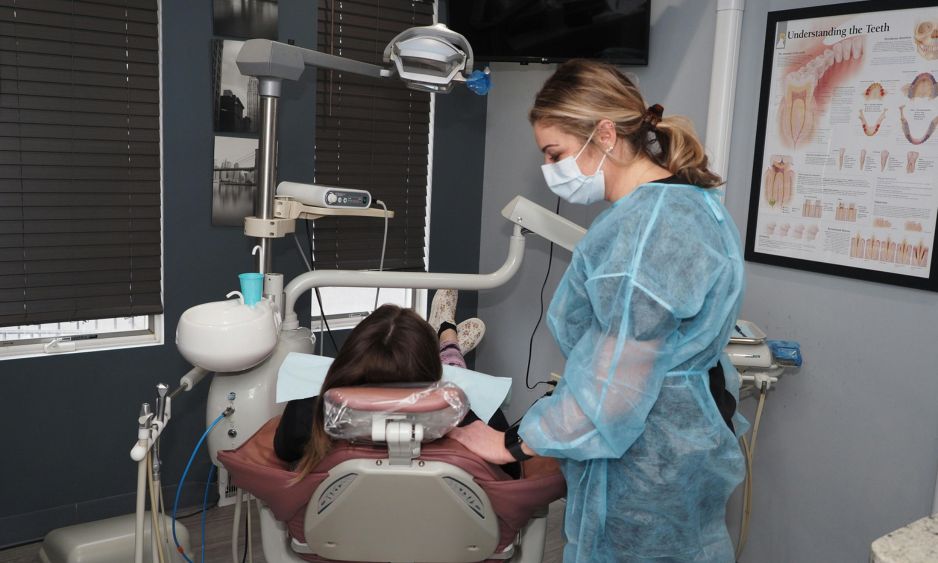
At Worthy Smiles, we believe that why dental checkups every 6 months matter is not just a question of oral health, but one of overall wellness. Too often, people delay routine visits because their teeth “feel fine.” However, research consistently shows that semi-annual dental visits are essential for prevention, early detection, and long-term savings on treatment costs. In this article, we’ll explore why consistent 6-month checkups are crucial, what dentists look for during exams, and how routine visits safeguard not just your smile but your health as a whole. The Importance of Preventive Care Preventive dental care is the foundation of a healthy smile. According to the American Dental Association, biannual visits allow dentists to catch issues before they develop into painful and costly problems. Statistic: Research published in the Journal of Dental Research shows that patients who maintain twice-yearly dental visits are 33% less likely to need major restorative procedures. (Source: JDR, 2023) During these visits, dentists provide professional cleanings, monitor oral health changes, and educate patients on best practices for home care. What Happens During a 6-Month Dental Checkup? Each checkup is more than just “a quick cleaning.” At Worthy Smiles, we ensure a comprehensive evaluation that includes: Professional cleaning to remove plaque and tartar buildup. Cavity detection through visual exams and, if needed, X-rays. Gum health assessment to spot early signs of periodontal disease. Oral cancer screening for early detection of abnormalities. Evaluation of bite and alignment to prevent long-term complications. As Mayo Clinic emphasizes, these preventive screenings are essential for maintaining oral and overall health. Early Detection Saves Smiles (and Money) Many dental problems—such as cavities, gum disease, and oral cancer—don’t cause pain in their earliest stages. Regular visits help identify these issues early. For example, catching a small cavity at a checkup may only require a simple filling, while waiting too long could lead to a costly root canal or even tooth loss. Tip: According to Colgate Professional, early treatment can reduce overall dental costs by up to 40%. The Link Between Oral Health and Overall Health The mouth is often described as the “gateway to the body.” Numerous studies confirm strong links between oral health and systemic conditions. Heart disease: Gum disease bacteria have been found in arterial plaque. Diabetes: Poor oral health can worsen blood sugar control. Respiratory infections: Inhaling bacteria from the mouth can contribute to lung infections. Pregnancy complications: Gum disease is associated with premature birth and low birth weight. According to Harvard Health Publishing, regular dental visits help reduce risks associated with these conditions by ensuring early treatment of gum disease and other oral health issues. Why Every 6 Months? Some patients wonder why the standard recommendation is every six months. While oral health needs can vary, this schedule provides a balance between prevention and practicality. Plaque and tartar buildup: Even with excellent brushing and flossing, professional cleaning is needed every six months. Gum disease progression: Periodontal disease can advance quickly if not monitored. Tooth decay: Cavities can form within months if left unchecked. Lifestyle factors: Diet, stress, and medications can all affect oral health more rapidly than people realize. The Cleveland Clinic confirms that twice-yearly dental visits remain the gold standard for maintaining optimal oral health. Long-Term Cost Savings Preventive care is far more affordable than restorative procedures. Consider the difference: Filling a small cavity: $150–$300 Root canal and crown: $2,000+ Tooth replacement (implant): $3,000–$5,000 By keeping up with semi-annual checkups, patients often avoid these costly treatments. As Delta Dental highlights, preventive care is one of the best investments for both health and finances. Creating a Routine That Sticks Consistency is the key to reaping the benefits of 6-month checkups. Here are some practical tips: Book your next appointment before leaving the office. Set reminders on your phone or calendar. Make it a family event by scheduling everyone’s checkups together. Reward yourself with something small after each visit to reinforce the habit. Statistic: A survey by the American Academy of Pediatric Dentistry shows that patients who pre-schedule their next checkup are 70% more likely to keep consistent appointments. Final Thoughts At Worthy Smiles, we emphasize that why dental checkups every 6 months matter goes beyond maintaining a bright smile—it’s about safeguarding long-term health and saving money. These visits provide an essential safety net against cavities, gum disease, and systemic health issues. By prioritizing your checkups, you’re investing in a healthier future for yourself and your family. FAQs About Dental Checkups Every 6 Months 1. Do I really need to visit the dentist every six months if my teeth feel fine? Yes. Many dental problems develop without pain or visible symptoms in the early stages. Regular checkups ensure early detection and treatment. 2. Can some people wait longer than six months between checkups? In rare cases, patients with excellent oral health may extend to annual visits, but most people benefit from the standard six-month interval. 3. How do dental checkups help prevent gum disease? Dentists remove plaque and tartar buildup, which are the main contributors to gum disease. They also monitor gums for early signs of inflammation. 4. Are dental checkups covered by insurance? Most dental insurance plans fully cover preventive visits, including cleanings and exams every six months. 5. What happens if I skip checkups for a year or more? Skipping checkups increases the risk of cavities, gum disease, and costly restorative treatments. It can also allow systemic health risks linked to oral health to go undetected. Also Read: Whitening vs. Brightening: What’s the Difference? How to Maintain Oral Health on a Busy Schedule Hormonal Changes & Oral Soft Tissue Response in Women
Whitening vs. Brightening: What’s the Difference?
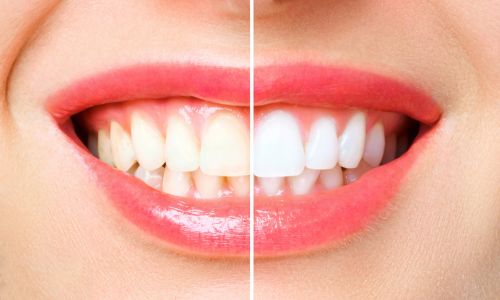
When it comes to enhancing your smile, patients often hear the terms teeth whitening vs. brightening used interchangeably. However, while both are designed to improve the appearance of your teeth, there are distinct differences in their processes, outcomes, and long-term benefits. At Worthy Smiles, we know how important it is for patients to make informed choices, so let’s dive into what sets whitening apart from brightening and which option might be right for you. Why Patients Seek Whiter, Brighter Smiles A healthy smile is often linked with confidence, youth, and overall wellness. According to the American Academy of Cosmetic Dentistry, 48% of adults believe a smile is the most memorable feature after meeting someone for the first time. This explains why treatments designed to improve tooth color are among the most requested dental services. Unfortunately, lifestyle habits like drinking coffee, tea, or red wine, smoking, and even the natural aging process can leave teeth discolored. That’s why treatments like whitening and brightening have gained popularity—but they’re not identical. Defining Teeth Whitening Teeth whitening is a chemical process that removes deep stains and discoloration from enamel and dentin. This is achieved through peroxide-based agents like hydrogen peroxide or carbamide peroxide, which penetrate the tooth surface to break down stain molecules. At Worthy Smiles, we offer professional teeth whitening treatments that are stronger and more effective than over-the-counter products. Statistic: According to the Cleveland Clinic, professional whitening can lighten teeth by three to eight shades in a single session, far outperforming drugstore whitening strips. What Is Brightening? Brightening is different—it’s a cosmetic cleaning process that removes only surface-level stains caused by food, drinks, and plaque buildup. Brightening doesn’t chemically alter your tooth color; instead, it polishes the enamel for a fresher, cleaner appearance. Common brightening procedures include: Professional dental cleanings Polishing with abrasives Whitening toothpaste with mild stain removers Brightening provides an immediate boost, but it won’t address deep stains embedded in tooth structure. Whitening vs. Brightening: Key Differences Here’s a clear breakdown of how whitening and brightening differ: Feature Whitening Brightening Method Chemical bleaching agents Surface cleaning & polishing Results Lightens tooth color significantly Removes external stains Longevity Lasts months to years with care Short-term results Best For Deep stains (coffee, tobacco, aging) Mild surface discoloration Pro Tip: The Mayo Clinic notes that whitening may cause temporary sensitivity, while brightening is generally sensitivity-free. Which Option Is Right for You? Choose Whitening If: You want a dramatic color change, have deep intrinsic stains, or are preparing for a big event like a wedding. Choose Brightening If: You already have fairly white teeth but want a quick refresh to remove coffee or tea stains. Combine Both: Many patients choose brightening cleanings every six months, with professional whitening once every 1–2 years for maintenance. Whitening Options: In-Office vs. At-Home At Worthy Smiles, we provide both in-office whitening treatments and take-home kits tailored to your needs. In-Office Whitening Fast, effective results within an hour. Uses stronger peroxide concentrations under professional supervision. Ideal for patients seeking instant improvements. Take-Home Kits Custom trays with professional-grade whitening gel. Gradual results over 1–2 weeks. Convenient for patients who prefer at-home treatments. Statistic: A Journal of Dentistry study showed that 82% of patients achieved better shade improvements with dentist-supervised whitening compared to over-the-counter kits. The Role of Daily Habits Even after whitening or brightening, daily choices impact your smile’s longevity. Dark beverages, smoking, and poor oral hygiene can quickly undo results. Simple strategies to maintain your results include: Using a straw for coffee or tea. Rinsing with water after consuming staining foods. Brushing with fluoride toothpaste twice daily. Scheduling routine professional cleanings. Risks and Considerations Both whitening and brightening are safe when supervised by dental professionals. However, there are some considerations: Whitening Risks: Temporary tooth sensitivity or gum irritation if improperly applied. Brightening Risks: Minimal, though overuse of abrasive toothpastes may wear enamel. That’s why professional evaluation at Worthy Smiles ensures the safest and most effective treatment for your needs. The Psychology of a Brighter Smile The effects of a whiter smile go beyond appearance. According to a study published in the Journal of Dentistry, patients reported higher self-confidence, improved social interactions, and even better job interview outcomes after whitening treatments. A bright smile truly influences how others perceive you—and how you perceive yourself. Final Thoughts Understanding the difference between teeth whitening vs. brightening helps you make the right choice for your smile goals. Whitening offers dramatic, long-lasting results for deep stains, while brightening provides a quick refresh for surface discoloration. At Worthy Smiles, we offer both treatments, tailored to your unique needs. Whether you want a quick polish or a life-changing whitening experience, our team is here to guide you toward a healthier, more radiant smile. Ready to explore your options? Contact Worthy Smiles today and let us help you achieve the smile you’ve always dreamed of. FAQs 1. Is teeth whitening safe? Yes, when performed by a dentist, whitening is safe and effective, though you may experience temporary sensitivity. 2. How long do whitening results last? Professional whitening can last from 6 months to 2 years, depending on your diet and oral hygiene. 3. How often should I schedule brightening treatments? Brightening through professional cleaning is recommended every 6 months. 4. Can I do whitening and brightening together? Yes, many patients combine both for optimal results—brightening for maintenance and whitening for deeper changes. 5. Are over-the-counter whitening products effective? They may help with mild stains, but professional treatments deliver more noticeable, longer-lasting results. Also Read: How to Maintain Oral Health on a Busy Schedule Hormonal Changes & Oral Soft Tissue Response in Women Signs Your Child May Have a Hidden Cavity
How to Maintain Oral Health on a Busy Schedule

We get it , life can be hectic. Between work, family, errands, and unexpected responsibilities, it’s easy to let self-care slip through the cracks. But here’s the truth: neglecting your teeth today could mean costly treatments tomorrow. Learning how to maintain oral health on a busy schedule is not only possible but also essential for long-term wellness. At Worthy Smiles, we believe even the busiest individuals can protect their teeth with a few smart strategies. Why Oral Health Shouldn’t Take a Backseat Your oral health is closely linked to your overall health. The American Dental Association (ADA) notes that gum disease is associated with heart disease, diabetes, and even respiratory issues. That means brushing and flossing aren’t just about avoiding cavities — they’re about protecting your entire body. Stat to Note: According to the Centers for Disease Control and Prevention (CDC), nearly 50% of adults over 30 show signs of gum disease, much of which could be prevented with consistent at-home care. Morning Routines That Work Starting the day with good habits can make all the difference. Brush Before Breakfast: Brushing right after waking up helps remove bacteria that build overnight. Fluoride Toothpaste: Products like Colgate Total are ADA-approved for cavity protection. Quick Mouth Rinse: If you’re pressed for time, use a mouthwash like Listerine for an extra layer of protection. Smart Oral Care on the Go Busy schedules mean lots of time spent outside the home. Here’s how to stay on top of oral health while you’re out. Travel-Sized Tools: Keep a mini toothbrush and toothpaste in your bag. Oral-B’s travel kits are compact and effective. Sugar-Free Gum: Chewing sugar-free gum approved by the ADA helps neutralize acids and stimulate saliva. Hydration: Drinking water frequently washes away food particles and bacteria. Lunchtime Dental Hacks Workdays are packed, and lunch often gets rushed. But even here, you can protect your smile. Choose Teeth-Friendly Foods: Crunchy fruits like apples and carrots naturally clean your teeth. Healthline lists several options that support dental health. Avoid Sugary Drinks: Sodas and energy drinks are acidic and erode enamel. Opt for water or green tea instead. Rinse, If Not Brush: Even a quick rinse with water helps minimize plaque buildup until you can brush again. Evening Habits That Stick Even if you’re exhausted, bedtime routines matter most for oral health. Two Minutes, Twice a Day: The ADA emphasizes brushing for at least two minutes. Floss Daily: Tools like Crest Glide Floss Picks make flossing easier for busy people. Nightguards (if needed): If you grind your teeth, consider a custom nightguard to prevent damage. Pro Tip: Skipping nighttime brushing is one of the worst habits, since bacteria feast on food particles while you sleep. Technology That Helps You Stay Consistent Technology makes maintaining oral health easier than ever. Smart Toothbrushes: Tools like the Philips Sonicare DiamondClean track your brushing habits. Reminder Apps: Apps like Brush DJ provide brushing reminders and track time. Subscription Services: Companies like Quip deliver replacement brushes and toothpaste right to your door. Oral Health for Travelers Traveling often disrupts daily routines, but you can stay prepared. Disposable Toothbrushes: Colgate Wisp brushes require no water and fit in your pocket. Portable Water Flossers: Compact versions from Waterpik make flossing easy anywhere. Healthy Snacks: Carry nuts, cheese, or apples to avoid sugary temptations. Stress, Sleep, and Oral Health Stress and lack of sleep are common with busy lifestyles — but they affect oral health too. Stress and Grinding: High stress leads to teeth grinding (bruxism). According to Mayo Clinic, nightguards can help prevent damage. Lack of Sleep: Poor sleep weakens immunity, increasing the risk of gum infections. Mindful Habits: Even five minutes of stress-relief activities (deep breathing, short walks) can reduce oral health risks. Quick Fixes vs. Long-Term Solutions It’s tempting to rely only on quick fixes like mouthwash or gum, but these shouldn’t replace brushing and flossing. Instead, think of them as supportive measures until you can follow your full routine. Stat to Note: Research published in the Journal of Dental Research shows that consistent brushing and flossing reduce cavity risk by up to 60%. Regular Dental Checkups — Non-Negotiable No matter how busy life gets, professional care is irreplaceable. At Worthy Smiles, we recommend two cleanings per year. Professional exams catch problems early, saving you from costly treatments later. The Cleveland Clinic emphasizes that skipping dental visits often leads to undetected cavities and gum disease progression. Final Thoughts Balancing a fast-paced life with oral health may seem overwhelming, but with a few smart adjustments, it becomes manageable. From morning routines to tech-assisted reminders, there are countless ways to maintain oral health on a busy schedule without compromising your lifestyle. At Worthy Smiles, we’re here to support you with professional care and guidance — because even the busiest schedule deserves a healthy, confident smile. FAQs 1. How can I keep my teeth clean when I don’t have time to brush? Chewing ADA-approved sugar-free gum, drinking water, or rinsing after meals are quick solutions until you can brush. 2. Are electric toothbrushes better for busy people? Yes, electric toothbrushes save time and often clean more effectively. Models like Oral-B iO include timers to keep you on track. 3. What’s the minimum oral care routine I should follow daily? At the very least: brush twice a day for two minutes and floss once daily. 4. How do I maintain oral health while traveling? Use disposable toothbrushes, carry a travel-sized mouthwash, and keep sugar-free gum handy for in-between care. 5. Do I really need professional cleanings if I brush and floss regularly? Yes. Professional exams catch issues early and remove tartar buildup that at-home care can’t address. Also Read: Hormonal Changes & Oral Soft Tissue Response in Women Signs Your Child May Have a Hidden Cavity Common Habits That Harm Your Teeth Coffee and Your Smile: How to Prevent Staining What Causes Tooth Sensitivity and How to Treat It
Hormonal Changes & Oral Soft Tissue Response in Women

When it comes to oral health, most people think about brushing, flossing, and visiting the dentist regularly. However, women often experience unique oral health challenges that are influenced by hormonal fluctuations throughout different stages of life. Understanding the link between hormonal changes and oral soft tissue response in women is essential for prevention, early detection, and proper management of potential dental issues. In this blog, we’ll explore how hormonal changes affect the mouth, what signs women should watch out for, and how regular dental care at Worthy Smiles can help maintain strong teeth and healthy gums through every phase of life. The Connection Between Hormones and Oral Health Hormones such as estrogen and progesterone play a significant role in regulating many bodily processes—including oral health. These hormonal fluctuations can alter the way soft tissues in the mouth respond to plaque, bacteria, and inflammation. When hormone levels rise or fall, women may notice changes such as: Increased gum sensitivity Swelling or bleeding during brushing Higher risk of cavities Mouth dryness or burning sensations This explains why women often experience dental concerns during specific life stages like puberty, menstruation, pregnancy, and menopause. Puberty: The Beginning of Hormonal Shifts During puberty, the surge in estrogen and progesterone can make gums more sensitive to plaque. Girls in this stage may notice: Puffy or red gums Bleeding during brushing or flossing Mouth sores or ulcers According to the American Academy of Periodontology, this condition is called “puberty gingivitis” and is fairly common. Regular professional cleanings and consistent oral hygiene habits are vital during this period. Menstruation and Oral Changes Many women experience subtle but noticeable oral changes during their menstrual cycle. The fluctuation of hormones may trigger: Gum swelling and redness Minor bleeding Canker sores Cold sores (due to immune system responses) These issues usually resolve after menstruation ends, but if bleeding and gum sensitivity persist, a dental check-up at Worthy Smiles is highly recommended. Pregnancy: A Critical Stage for Oral Health Pregnancy is one of the most well-documented stages where hormonal changes directly affect oral health. Increased levels of progesterone and estrogen can heighten the body’s response to plaque, leading to pregnancy gingivitis. Signs of Pregnancy-Related Oral Issues: Swollen gums Bleeding while brushing Tooth sensitivity Increased risk of cavities due to morning sickness and frequent snacking Studies from the Centers for Disease Control and Prevention (CDC) show that nearly 60–75% of pregnant women experience gingivitis. Additionally, untreated gum disease during pregnancy may increase the risk of preterm birth and low birth weight. This makes dental visits during pregnancy not only safe but essential. Menopause: Long-Term Hormonal Impact As women enter menopause, estrogen levels drop significantly, which can lead to several oral complications: Dry mouth (xerostomia): Reduced saliva flow increases cavity risk. Burning mouth syndrome: A painful burning sensation on the tongue and gums. Bone loss in the jaw: Which can contribute to tooth loss. Gum recession: Making teeth more vulnerable to sensitivity and decay. The National Institute of Dental and Craniofacial Research highlights that postmenopausal women are at greater risk for osteoporosis, which can also affect the jawbone and tooth stability. Common Oral Soft Tissue Responses to Hormonal Changes Here are the most frequent issues women may face due to fluctuating hormones: Gingivitis: Gum swelling, bleeding, and sensitivity. Periodontal Disease: Progression from gingivitis if left untreated. Oral Sores: Hormone-related immune responses can lead to ulcers or cold sores. Dry Mouth: Affects taste, swallowing, and increases decay risk. Delayed Healing: Hormones can slow down tissue repair after dental treatments. Being aware of these symptoms ensures timely intervention before problems escalate. Preventive Measures for Women’s Oral Health Maintaining good oral health during hormonal transitions requires proactive steps. Here are key tips: Daily Oral Hygiene: Brush twice and floss daily. Regular Dental Visits: Schedule checkups at Worthy Smiles at least twice a year. Balanced Diet: Calcium and Vitamin D support teeth and bones. Hydration: Combat dry mouth by drinking water regularly. Specialized Products: Use fluoride toothpaste and alcohol-free mouthwash. If symptoms like bleeding gums, sores, or dryness persist, a professional evaluation is crucial. How Dentists at Worthy Smiles Help Women At Worthy Smiles, we understand that women’s oral health is unique. Our team provides: Preventive cleanings tailored to hormonal phases. Personalized treatment for pregnancy gingivitis. Guidance for managing menopause-related dry mouth. Cosmetic and restorative treatments to maintain confidence and oral function. Our goal is to support women at every life stage with compassionate and effective care. Final Thoughts The relationship between hormonal changes and oral soft tissue response in women is complex but manageable with awareness and preventive care. From puberty to menopause, each stage presents unique challenges—but also opportunities to strengthen oral health. Women who prioritize dental care during these transitions can avoid complications and enjoy a healthier smile for years to come. Don’t wait until symptoms worsen—schedule a consultation with Worthy Smiles today and give your smile the care it deserves. FAQs about Hormonal Changes and Oral Health 1. Why do women experience more gum problems than men? Because hormonal fluctuations make women’s gums more sensitive to plaque, inflammation, and bacteria, increasing the likelihood of gingivitis. 2. Can pregnancy really affect my oral health? Yes, hormonal changes during pregnancy increase the risk of gum disease and cavities, making dental care essential for both mother and baby. 3. How does menopause affect oral tissues? Menopause reduces estrogen, leading to dry mouth, gum recession, bone loss, and burning mouth syndrome. 4. Should women visit the dentist more often than men? While both need routine checkups, women may benefit from more frequent visits during pregnancy, menopause, or when dealing with oral symptoms related to hormonal changes. 5. Can oral health affect overall health in women? Yes, gum disease is linked to conditions like heart disease, diabetes, and pregnancy complications, making oral care a vital part of overall wellness. Also Read: What Causes Tooth Sensitivity and How to Treat It Does Your Smile Make You Look Younger? Enamel Erosion: What It Is and How to Stop It
Signs Your Child May Have a Hidden Cavity
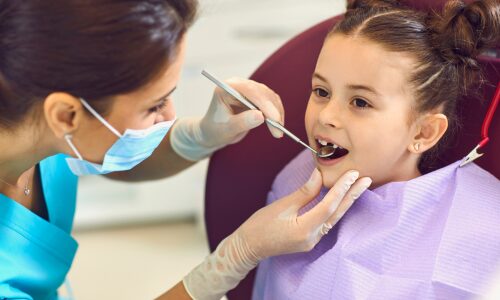
As a parent, you want nothing more than to see your child smile confidently, free of discomfort or dental issues. While cavities are one of the most common childhood dental problems, they often go unnoticed until the decay is severe enough to cause pain or visible damage. What makes matters trickier is that cavities don’t always show obvious warning signs in the early stages. These “hidden cavities” can lurk between teeth, beneath the gumline, or even behind fillings. Understanding the subtle signs of hidden cavities is essential to catching problems early before they escalate into costly treatments or impact your child’s overall health. In this article, we’ll explore the warning signs, causes, prevention strategies, and treatment options for hidden cavities in children, while also answering some of the most common parent questions about pediatric dental health. Why Children Are Prone to Cavities Children’s teeth are naturally more vulnerable to decay than adult teeth because their enamel is thinner. Combined with dietary habits, developing oral hygiene routines, and sometimes even genetics, kids are at a higher risk of developing cavities. According to the CDC’s data on pediatric oral health, more than 50% of children aged 6–8 have at least one cavity in their baby teeth, and about 57% of adolescents aged 12–19 have had a cavity in their permanent teeth. These numbers emphasize the importance of early detection and preventive care. Subtle Signs Your Child May Have a Hidden Cavity 1. Complaints of Tooth Sensitivity If your child avoids cold water, hot food, or sweet treats, it might not just be picky eating. Tooth sensitivity can be an early sign of enamel erosion or hidden cavities. As explained by the American Dental Association, cavities form when acids from bacteria erode enamel, exposing the dentin underneath. This dentin is more sensitive, which is why your child may react strongly to temperature changes or sugary snacks. 2. Bad Breath That Doesn’t Go Away Occasional bad breath is normal in kids, especially after meals. However, persistent halitosis can be a sign of bacteria buildup inside a cavity. A cavity essentially acts like a tiny trap where food particles and bacteria can settle, making it difficult for even brushing and flossing to clear out the odor. If your child’s bad breath continues despite good oral hygiene, it may be time to consult a pediatric dentist. 3. Difficulty Chewing or Avoiding Certain Foods If your child starts avoiding crunchy snacks like apples, carrots, or crackers, pay attention. Cavities often cause discomfort when chewing, even if your child doesn’t directly complain about pain. In some cases, cavities can create sharp edges or weakened teeth that make chewing painful. Kids may unconsciously adapt their eating habits to avoid discomfort, which could be your first clue. 4. Stains or Discoloration on Teeth Cavities don’t always show up as big black holes. Sometimes they appear as subtle white spots (early enamel demineralization), light brown patches, or faint discolorations. The Mayo Clinic’s guide on cavities notes that such discolorations often indicate the early stages of decay. If caught early, these can often be reversed with fluoride treatment before they turn into full-blown cavities. 5. Complaints of Random Toothaches Children may sometimes report “my tooth hurts” without being able to point to a specific cause. Hidden cavities between teeth or under the gumline can cause intermittent pain, which is often worse at night or after meals. This is because chewing applies pressure to the cavity, and lying down at night can increase blood flow to the head, making dental pain more noticeable. 6. Swollen or Bleeding Gums Around One Tooth While gum irritation is often linked to poor brushing or gingivitis, it can also signal a cavity close to the gumline. When decay spreads, it irritates nearby soft tissues, leading to redness, swelling, or bleeding around one particular tooth. If your child’s gums look irritated around a single tooth, a hidden cavity may be the culprit. Causes of Hidden Cavities in Children 1. Inadequate Brushing and Flossing Kids often rush through brushing or miss hard-to-reach spots. Cavities love to develop between teeth, where toothbrush bristles don’t always reach—making flossing just as important as brushing. 2. Sugary and Sticky Snacks Sticky foods like gummies, candies, and even dried fruits cling to teeth longer than other foods, increasing acid exposure. According to KidsHealth, frequent snacking, especially on sugary treats, fuels bacteria that cause decay. 3. Deep Pits and Grooves in Teeth Some kids naturally have deeper grooves in their molars, which makes them more susceptible to cavities. Food particles and bacteria can easily lodge in these crevices. 4. Lack of Fluoride Exposure Fluoride strengthens enamel and helps repair early decay. Children who don’t get enough fluoride through water, toothpaste, or dental treatments are more vulnerable. How to Prevent Hidden Cavities in Children 1. Establish Strong Oral Hygiene Habits Teach your child to brush at least twice a day for two minutes and floss once daily. Supervise brushing until at least age 7 or 8 to ensure thorough cleaning. 2. Limit Sugary Snacks and Drinks Encourage healthier alternatives like fresh fruit, cheese, or crunchy veggies. Reserve sugary treats for special occasions and make sure your child rinses with water afterward. 3. Regular Dental Checkups Routine visits to the dentist are essential. Dentists use tools like X-rays to detect hidden cavities that aren’t visible during a visual exam. The American Academy of Pediatric Dentistry recommends dental visits every six months. 4. Dental Sealants and Fluoride Treatments Sealants act as a protective barrier for molars, while professional fluoride treatments strengthen enamel. These preventive measures significantly reduce cavity risk. Treatment Options for Hidden Cavities Fluoride treatments – For early-stage cavities, fluoride can help remineralize enamel. Dental fillings – Moderate cavities may require a tooth-colored filling to restore function and prevent further decay. Pulp therapy or crowns – For severe decay that reaches the tooth’s nerve, a pediatric crown or nerve treatment may be necessary. The key is early detection, which makes treatment easier and less invasive. The
Common Habits That Harm Your Teeth

Common habits that harm teeth are often so ingrained in our daily routines that we don’t even realize the damage they’re causing. For many patients at Worthy Smiles, tooth decay, enamel erosion, or gum problems are not just caused by poor brushing—they’re a result of repeated everyday actions that slowly wear down dental health. The surprising part? Some of these habits seem harmless—or even healthy—at first glance. According to the Centers for Disease Control and Prevention (CDC), over 90% of U.S. adults aged 20–64 have experienced tooth decay, and a significant portion of this damage is linked to lifestyle and daily habits rather than genetics alone. In this blog, we’ll explore the most common habits that harm your teeth, explain why they’re problematic, and provide healthier alternatives so you can protect your smile for years to come. 1. Nail Biting Nail biting isn’t just a nervous habit—it can have a lasting impact on your oral health. The repeated pressure can cause small fractures in your teeth, shift tooth alignment, and introduce harmful bacteria into your mouth. Dentists from American Dental Association caution that this habit can also damage dental work like veneers or crowns. Healthier Alternative: Keep nails trimmed and use stress-relief techniques such as meditation or fidget tools to avoid biting. 2. Using Teeth as Tools Opening bottle caps, tearing plastic packaging, or loosening tight knots with your teeth may seem convenient, but it puts immense pressure on them. Colgate notes that using teeth in this way can cause chips, cracks, and even root damage, leading to costly dental repairs. Healthier Alternative: Always use the right tool for the job—a pair of scissors, a bottle opener, or a utility knife. 3. Chewing Ice Chewing ice might seem harmless because it’s just frozen water, but the extreme hardness can damage tooth enamel and cause microfractures. Cleveland Clinic warns that chewing ice can increase tooth sensitivity and trigger jaw pain, especially for those with fillings. Healthier Alternative: If you crave something to crunch, try chilled cucumber slices or baby carrots instead. 4. Grinding and Clenching (Bruxism) Stress, anxiety, or even unconscious nighttime habits can lead to bruxism. This condition can wear down enamel, cause headaches, and lead to jaw disorders. Johns Hopkins Medicine reports that bruxism often goes unnoticed until significant damage has occurred. Healthier Alternative: Wear a custom night guard from your dentist, practice jaw relaxation exercises, and address stress with mindfulness or therapy. 5. Overconsumption of Sugary Drinks Soda, sports drinks, and even certain fruit juices are packed with sugar and acids that erode enamel. According to Harvard T.H. Chan School of Public Health, sugary drinks are the leading source of added sugars in the American diet, significantly increasing the risk of cavities. Healthier Alternative: Drink water, herbal tea, or sugar-free beverages. If you do have a sugary drink, rinse your mouth with water afterward. 6. Brushing Too Hard Many people think vigorous brushing cleans teeth better, but it can actually wear away enamel and damage gums. Dentists at Mayo Clinic recommend using a soft-bristled toothbrush and gentle, circular motions for optimal cleaning. Healthier Alternative: Let the toothbrush do the work—firm but gentle pressure is enough. 7. Constant Snacking Frequent snacking increases the amount of time teeth are exposed to acids, especially if the snacks are sugary or starchy. WebMD explains that this constant exposure prevents saliva from neutralizing acids, leading to tooth decay. Healthier Alternative: Limit snacks to once or twice a day and choose nutrient-rich foods like cheese, nuts, or fresh vegetables. 8. Smoking and Tobacco Use Smoking doesn’t just stain your teeth—it significantly increases your risk for gum disease, tooth loss, and oral cancer. American Cancer Society states that tobacco users are six times more likely to develop oral cancers compared to non-users. Healthier Alternative: Seek professional help to quit, such as nicotine replacement therapy or counseling services. 9. Skipping Dental Checkups Many people only visit the dentist when they’re in pain, but preventative care is essential for long-term oral health. National Institute of Dental and Craniofacial Research emphasizes that regular checkups help catch problems early—before they become serious. Healthier Alternative: Schedule dental cleanings every six months, even if your teeth feel fine. 10. Biting Pens and Pencils This habit often develops unconsciously, especially during work or study sessions. The hard surface can chip teeth and wear down enamel. Healthier Alternative: Chew sugar-free gum or keep your hands busy with a small stress ball. 11. Ignoring Teeth Grinding in Kids Children can also grind their teeth, particularly during sleep. Left untreated, it can lead to premature wear and misalignment. Pediatric Dentistry Today advises parents to have a dentist evaluate children’s teeth if grinding is suspected. 12. Drinking Coffee and Red Wine Without Rinsing Beverages like coffee, tea, and red wine contain tannins that cause staining. Over time, they can yellow teeth and dull your smile. Healthline notes that coffee lovers are more likely to develop surface stains if they don’t rinse afterward. Healthier Alternative: Rinse with water immediately after drinking and maintain regular professional cleanings at Worthy Smiles. 13. Excessive Use of Whitening Products While whitening strips and toothpaste can brighten smiles, overuse can cause sensitivity and enamel erosion. American Academy of Cosmetic Dentistry recommends following product instructions closely and consulting a dentist before prolonged use. 14. Not Wearing a Mouthguard During Sports Sports injuries are a leading cause of chipped and broken teeth. Contact sports like football, hockey, and even basketball require protection. Healthier Alternative: Use a custom-fitted mouthguard from your dentist for the best comfort and safety. 15. Poor Hydration Saliva helps neutralize acids and wash away food particles. Without enough hydration, your risk of cavities and gum disease increases. National Institutes of Health reports that chronic dry mouth affects up to 30% of older adults, increasing the likelihood of dental problems. Healthier Alternative: Drink at least 8 glasses of water daily, and use sugar-free gum to stimulate saliva. Conclusion Breaking harmful habits is one of the most effective ways to protect your
Coffee and Your Smile: How to Prevent Staining

If you’re a coffee lover, you’ve probably noticed that your daily cup of joe can leave a lasting mark—not just on your energy levels but also on your teeth. Coffee stain prevention tips are essential for maintaining a bright, confident smile without giving up your favorite beverage. At Worthy Smiles, we understand the struggle between your love for coffee and your desire for a radiant smile. The good news? You don’t have to choose between the two. Coffee contains tannins—naturally occurring compounds that can cause color compounds to stick to your teeth. Over time, these compounds seep into the tooth enamel, leading to discoloration. But with the right strategies, you can keep your smile bright while still enjoying that morning brew. According to the American Dental Association, coffee is one of the leading dietary causes of tooth staining, contributing to over 60% of extrinsic dental discoloration cases in adults who drink it regularly. Understanding How Coffee Stains Teeth When coffee comes into contact with your teeth, it interacts with the pellicle layer—a thin protein film covering the enamel. Tannins in coffee bind to this layer and create stubborn stains. Acidic coffee can also weaken enamel, making it easier for stains to set in. Research from Colgate shows that even one cup of coffee per day can start leaving micro-stains on enamel if oral hygiene is not maintained properly. The staining effect is cumulative, meaning the more coffee you consume, the deeper the discoloration can get over time. Effective Coffee Stain Prevention Tips 1. Rinse or Brush After Coffee One of the simplest coffee stain prevention tips is to rinse your mouth or brush your teeth right after drinking coffee. This reduces the time tannins have to bind to your enamel. The Mayo Clinic recommends waiting at least 30 minutes before brushing after drinking acidic beverages like coffee to avoid enamel erosion. 2. Drink Coffee Through a Straw Using a straw helps direct coffee past your front teeth, reducing direct contact with the enamel. While this might feel unusual for hot coffee, iced coffee lovers can easily adapt to this habit. 3. Opt for Lighter Roasts Lighter coffee roasts tend to have slightly lower tannin content compared to darker roasts. Although the difference is small, every bit helps in reducing staining potential. 4. Maintain a Strong Oral Hygiene Routine Brushing twice daily with a whitening toothpaste, flossing, and using mouthwash are crucial steps. Crest and Sensodyne both offer effective whitening toothpastes formulated to reduce surface stains while being gentle on enamel. A 2023 Oral Health Foundation study found that consistent use of whitening toothpaste can reduce coffee stains by up to 34% over three months. 5. Professional Dental Cleanings Regular dental cleanings at Worthy Smiles not only remove plaque and tartar but also eliminate surface stains before they become deeper and harder to treat. The Centers for Disease Control and Prevention recommends seeing your dentist at least twice a year for optimal oral health. Whitening Options for Coffee Drinkers Even with diligent coffee stain prevention tips, some discoloration may still occur. That’s where whitening treatments come in: In-office whitening treatments – Professional-grade whitening at clinics like Worthy Smiles delivers immediate results. At-home whitening kits – Brands like Opalescence provide dentist-approved home treatments. Whitening strips – Affordable and easy to use from companies such as Crest Whitestrips. According to Statista, the U.S. teeth whitening market is projected to reach $7.4 billion by 2028, driven largely by coffee drinkers seeking brighter smiles. Lifestyle Adjustments to Reduce Stains Drink water alongside coffee to wash away staining compounds. Limit sugar—sugar can increase bacterial growth and enamel damage. Eat crunchy fruits and vegetables like apples and carrots, which act as natural scrubbers for your teeth (Harvard T.H. Chan School of Public Health). Chew sugar-free gum—brands like Orbit help stimulate saliva production, which naturally cleans teeth. When to Seek Professional Help If stains persist despite following these coffee stain prevention tips, it may be time to see a dentist. At Worthy Smiles, our dental professionals can assess whether the discoloration is superficial or related to deeper dental issues. Persistent discoloration can also signal enamel erosion, cavities, or gum disease—all of which require prompt attention. Conclusion Coffee and your smile can coexist beautifully—as long as you take proactive steps to prevent staining. By integrating coffee stain prevention tips like rinsing after coffee, using straws, maintaining oral hygiene, and scheduling regular professional cleanings, you can enjoy your daily brew without sacrificing your smile’s brightness. The key is consistency and a little extra care. FAQs 1. Can coffee stains be removed completely? Yes, with professional whitening treatments and consistent oral hygiene, most coffee stains can be eliminated. 2. Does adding milk reduce staining? Yes, milk can slightly reduce staining potential by lightening coffee and lowering tannin concentration. 3. Are natural whitening remedies effective? Some, like baking soda, can help, but they should be used cautiously to avoid enamel damage. 4. How often should coffee drinkers visit the dentist? At least twice a year for cleanings and checkups. 5. Is iced coffee less staining than hot coffee? Not necessarily—the staining effect depends more on tannin content than temperature. Also Read: What Causes Tooth Sensitivity and How to Treat It Does Your Smile Make You Look Younger? Enamel Erosion: What It Is and How to Stop It
What Causes Tooth Sensitivity and How to Treat It

Tooth sensitivity treatment options should never be ignored if you’re experiencing discomfort when consuming hot, cold, or sweet foods. This condition affects millions of people globally and often signals underlying dental issues that need attention. Whether it’s a mild twinge or a sharp jolt of pain, sensitive teeth can interfere with your daily life and enjoyment of food. Understanding Tooth Sensitivity Tooth sensitivity, also known as dentin hypersensitivity, occurs when the protective layers of your teeth—enamel or cementum—are worn away or when gum recession exposes the dentin beneath. This allows stimuli such as heat, cold, or acidity to reach the tooth’s nerve, causing pain or discomfort. According to the American Dental Association, approximately 1 in 8 adults suffers from sensitive teeth, and it’s more common in people aged between 20 and 50 years. Common Causes of Tooth Sensitivity To properly seek out tooth sensitivity treatment options, it’s essential to understand the root causes. Here are the most common culprits: 1. Enamel Erosion Enamel can erode due to a diet high in acidic foods and beverages, such as soda, citrus fruits, or vinegar-based dressings. Once the enamel thins out, your dentin becomes more exposed, increasing sensitivity. 2. Gum Recession Poor brushing habits or gum disease can lead to receding gums, which exposes the roots of your teeth that aren’t covered by enamel. These areas are highly sensitive. 3. Tooth Decay or Cavities Untreated cavities can extend into the dentin or pulp of a tooth, making them extremely sensitive to temperature and pressure changes. 4. Worn Fillings or Dental Work Over time, fillings, crowns, and bridges can wear down or become loose, creating tiny gaps that allow stimuli to reach the nerves. 5. Teeth Grinding (Bruxism) Grinding your teeth can wear down the enamel and expose dentin. If you grind at night, you might not even realize the damage you’re causing. 6. Overuse of Whitening Products Many over-the-counter whitening products contain peroxide, which can temporarily increase tooth sensitivity when used excessively. 7. Recent Dental Procedures Sensitivity can also arise after cleanings, fillings, or crown placements. This usually subsides after a few weeks. How to Diagnose Tooth Sensitivity If you experience pain or discomfort when eating or brushing, schedule a dental evaluation. Your dentist at Worthy Smiles can determine the source of the problem by: Performing a clinical examination Using dental x-rays to identify underlying decay Applying stimuli to specific teeth to isolate the sensitivity Tooth Sensitivity Treatment Options Once the cause has been determined, your dentist will recommend an appropriate treatment based on your unique needs. Here are some effective tooth sensitivity treatment options: 1. Desensitizing Toothpaste These contain compounds like potassium nitrate or stannous fluoride, which help block the pain signals from reaching the nerve. 2. Fluoride Gel Application Professional fluoride applications can help strengthen enamel and reduce transmission of sensations. 3. Dental Bonding or Sealants Exposed root surfaces can be covered with bonding agents that protect the dentin from external triggers. 4. Gum Grafting In cases of severe gum recession, your dentist might suggest a gum graft. This involves surgically adding tissue to cover the exposed root surface. 5. Root Canal Therapy If sensitivity is due to nerve damage or extreme decay, a root canal treatment might be the most effective solution. It removes the damaged pulp and seals the tooth. 6. Night Guards for Grinding Custom night guards protect your teeth from grinding and reduce wear on your enamel. At-Home Tips for Managing Tooth Sensitivity While professional care is essential, maintaining good oral hygiene at home plays a major role. Here are a few things you can do: Use a soft-bristled toothbrush and avoid brushing too aggressively. Avoid acidic foods and drinks, or rinse your mouth with water afterward. Use a straw when consuming acidic or cold beverages. Keep up with regular brushing and flossing to prevent gum disease. Rinse with an alcohol-free mouthwash specifically made for sensitive teeth. Prevention Strategies The best way to treat sensitivity is to prevent it in the first place. Here’s how: Brush twice a day with fluoride toothpaste. Floss daily to remove plaque between teeth. Visit your dentist regularly at Worthy Smiles for professional cleanings. Avoid hard-bristled toothbrushes and abrasive toothpaste. Wear a night guard if you grind your teeth. Limit your intake of sugar and acidic beverages. “More than 40 million adults in the United States experience tooth sensitivity at some point,” according to the Academy of General Dentistry. When to See a Dentist If sensitivity lasts for more than a few days or worsens over time, it’s important to visit a dentist. Pain that persists could indicate decay, a cracked tooth, or even an abscess—all of which require professional attention. Final Thoughts Tooth sensitivity may seem like a minor issue, but it can be an early sign of serious dental problems. Identifying and treating the cause early can save you from discomfort, prevent further damage, and preserve your smile. Don’t let sensitivity interfere with your daily life. The expert team at Worthy Smiles is ready to help with tailored tooth sensitivity treatment options that address both symptoms and underlying causes. FAQs 1. What is the best toothpaste for sensitive teeth? Desensitizing toothpaste like Sensodyne or Colgate Sensitive Pro-Relief is often recommended. Look for one containing potassium nitrate or stannous fluoride. 2. Can tooth sensitivity go away on its own? Mild cases may resolve if the enamel is strengthened or inflammation subsides, but persistent sensitivity requires professional evaluation. 3. Is tooth sensitivity a sign of a cavity? Yes, it could be. Sensitivity to sweets or temperature changes might indicate enamel breakdown or cavities. 4. How long does sensitivity last after dental work? It can last from a few days to a few weeks depending on the procedure. Contact your dentist if it persists beyond that. 5. Are there natural remedies for tooth sensitivity? While natural remedies like oil pulling or using clove oil may offer temporary relief, they should not replace professional treatment. 6. Can mouthwash help with sensitivity? Yes, especially
Does Your Smile Make You Look Younger?

A bright, confident smile is more than just a mood booster — it can actually make you look younger. In a world where appearance often affects first impressions, people are increasingly turning to cosmetic and preventive dentistry to rewind the clock. But how exactly does your smile impact your perceived age? Let’s explore the science and strategies behind a youthful smile, and why taking care of your teeth could be one of the most effective (and natural!) anti-aging tools at your disposal. The Connection Between Smiles and Age Perception The concept isn’t new. Multiple studies have shown that smiles influence how others perceive us. A study published in Psychology and Aging found that smiling faces are often judged to be younger than they actually are. This effect increases when the teeth are healthy and white. Here’s why: Discoloration and staining are often associated with age. Missing teeth or worn enamel are visual signs of aging. Gum recession can make teeth appear longer — another age-related change. Frown lines and facial tension are reduced when you smile more frequently, helping soften your appearance. What Makes a Smile Youthful? Whiteness of Teeth: Over time, teeth naturally yellow due to aging, diet, and habits like smoking or coffee drinking. A white smile signals youth, health, and cleanliness. Straight Teeth: Misalignment can create the appearance of neglect or age-related shifting of teeth. Fullness and Volume: As we age, we lose facial volume. A broad, even smile can help counteract this by lifting the face and enhancing symmetry. Healthy Gums: Pink, firm gums show vitality. Gum disease, on the other hand, is associated with aging and poor health. Dental Treatments That Help You Look Younger At Worthy Smiles, we specialize in cosmetic and restorative dentistry that not only improves oral health but also contributes to a youthful appearance. Here are the most effective treatments to rejuvenate your smile: 1. Teeth Whitening Professional teeth whitening is one of the fastest and most affordable ways to take years off your smile. Unlike over-the-counter options, in-office whitening provides dramatic results in just one session. 2. Veneers Porcelain veneers cover stains, cracks, and gaps, giving your teeth a flawless look. They reflect light similarly to natural enamel, which keeps your smile looking fresh and natural. 3. Invisalign Crooked or crowded teeth often worsen with age. Invisalign helps correct alignment discreetly without the bulky look of traditional braces — and aligned teeth are often associated with youth and beauty. 4. Dental Implants Missing teeth can lead to facial sagging and an aged appearance. Dental implants restore facial structure, prevent bone loss, and function like natural teeth. 5. Gum Contouring Overgrown or receding gums can alter your smile’s harmony. A simple gum contouring procedure can restore balance and enhance the visual appeal of your teeth. How Poor Oral Health Ages You Neglecting your dental health can accelerate signs of aging in ways that go beyond your smile. Here’s how: Tooth Loss: Alters your bite and facial shape. Gum Disease: Linked to inflammation and chronic health issues. Bad Breath: Often signals underlying dental problems that can influence how others perceive your hygiene and wellness. Worn Teeth: Shortened or chipped teeth can create a tired or aged look. According to the CDC, nearly 1 in 5 adults over age 65 has lost all their teeth. That’s why preventive care and routine dental visits are crucial. “Your oral health is a mirror of your overall health and can dramatically affect how old you look and feel.” – American Dental Association Lifestyle Habits That Support a Youthful Smile Besides dental treatments, your daily routine plays a key role in keeping your smile youthful: Stay hydrated: Saliva neutralizes acid and prevents decay. Limit sugar and acidic drinks: These erode enamel. Quit smoking: Tobacco stains teeth and accelerates gum disease. Brush and floss twice daily: Fundamental but highly effective. Get regular cleanings: Professional cleanings remove tartar and polish enamel. Final Thoughts So, does your smile make you look younger? The answer is a resounding yes. A radiant, well-cared-for smile not only boosts your self-esteem but also shaves years off your perceived age. It’s not about vanity — it’s about health, confidence, and making sure your outer appearance reflects how young you feel inside. At Worthy Smiles, we’re passionate about helping patients discover their best smile. Whether you’re looking for cosmetic improvements or a full smile makeover, we’re here to support you every step of the way. FAQs: Does Your Smile Make You Look Younger? 1. Can improving my smile really make me look younger? Yes. A whiter, straighter, and healthier smile improves facial symmetry and brightens your overall appearance, making you look more youthful. 2. What’s the fastest way to achieve a younger-looking smile? Teeth whitening is typically the quickest solution. For deeper transformations, veneers or Invisalign may be ideal. 3. How often should I whiten my teeth? Professional whitening should be done every 6–12 months, depending on lifestyle habits. Consult your dentist for a personalized plan. 4. Is gum health important for anti-aging? Absolutely. Healthy gums support your teeth and prevent recession, which can otherwise make teeth appear longer and more aged. 5. Do missing teeth age my appearance? Yes. Missing teeth can cause jawbone loss and sagging facial features. Dental implants help maintain structure and a youthful profile. Also Read: Enamel Erosion: What It Is and How to Stop It What to Do If You Chip a Tooth The Truth About Charcoal Toothpaste
Enamel Erosion: What It Is and How to Stop It

Tooth enamel is the hardest substance in the human body, yet it’s surprisingly vulnerable. Over time, daily habits, dietary choices, and certain medical conditions can wear away this protective layer—a process known as enamel erosion. The consequences? Increased tooth sensitivity, discoloration, and even decay. Understanding the signs, causes, and preventive strategies surrounding enamel erosion is crucial to maintaining lifelong oral health. At Worthy Smiles, we emphasize proactive dental care, and this guide will walk you through everything you need to know about enamel erosion—and more importantly, how to stop it. What Is Enamel Erosion? Enamel erosion refers to the gradual wearing away of the tooth’s enamel, the outermost protective layer of the teeth. Unlike bone or skin, enamel cannot regenerate, making erosion a permanent issue. Once lost, it exposes the sensitive dentin underneath, which can lead to various dental complications. Causes of Enamel Erosion Several factors contribute to enamel erosion. Here are the most common culprits: 1. Acidic Foods and Beverages Citrus fruits, sodas, and energy drinks contain high levels of acid that can dissolve enamel over time. According to the American Dental Association (ADA), consuming acidic drinks frequently without rinsing or brushing can rapidly accelerate enamel loss. Source 2. Poor Oral Hygiene Skipping brushing or improper brushing techniques can leave food particles and bacteria on the teeth, leading to acid buildup and eventual enamel damage. Colgate Research 3. Acid Reflux Disease (GERD) Chronic acid reflux can introduce stomach acids into the mouth, eroding enamel silently over time. Cleveland Clinic 4. Dry Mouth (Xerostomia) Saliva neutralizes acids and washes away food particles. A dry mouth leads to prolonged acid exposure on the enamel. Mayo Clinic 5. Teeth Grinding (Bruxism) Nighttime grinding wears down enamel mechanically. This can be due to stress or misalignment of the bite. Johns Hopkins Medicine 6. Overbrushing or Using Hard Bristles Brushing too aggressively or using a hard-bristled toothbrush can wear down enamel, especially near the gum line. Oral Health Foundation Signs and Symptoms of Enamel Erosion Knowing how to spot enamel erosion early is vital. If you notice any of the following signs, it’s time to consult a dentist: Increased tooth sensitivity to hot, cold, or sweet foods Teeth appearing yellow or dull due to exposed dentin Rounded or flattened tooth edges Visible cracks or chips Discoloration or transparency near the edges Health Risks of Untreated Enamel Erosion Ignoring enamel erosion isn’t just about aesthetics. The condition can have serious consequences: Cavities: Weakened enamel means bacteria can easily penetrate and infect the inner layers. Tooth Sensitivity: Erosion exposes the dentin, which contains microscopic tubules that lead to nerve endings. Tooth Loss: Severe erosion can compromise tooth structure to the point of needing extraction. Increased Risk of Infection: When decay reaches the pulp, infections and abscesses may form, requiring root canal treatment. How to Stop and Prevent Enamel Erosion While enamel cannot be restored once it’s lost, erosion can be slowed or prevented with the right habits and professional care. Here’s how: 1. Improve Dietary Choices Reduce consumption of high-acid foods and drinks. If you must consume acidic beverages, use a straw to minimize contact with teeth and rinse your mouth with water afterward. 2. Wait Before Brushing Brushing immediately after eating acidic foods can worsen enamel erosion. Wait at least 30 minutes to let saliva neutralize the acid. 3. Use Enamel-Friendly Toothpaste Look for toothpaste with fluoride, calcium phosphates, and ingredients designed to strengthen enamel. American Academy of Cosmetic Dentistry 4. Stay Hydrated Drink plenty of water throughout the day to maintain healthy saliva levels, especially if you have dry mouth symptoms. NIDCR Research 5. Use a Night Guard If you grind your teeth at night, a custom-fitted night guard can protect enamel from mechanical wear. Sleep Foundation 6. Regular Dental Visits Routine checkups every six months at Worthy Smiles help detect early signs of enamel erosion and provide timely preventive care. Pro Tip: Chewing sugar-free gum after meals helps increase saliva flow and neutralizes acids that contribute to enamel erosion. 7. Incorporate Remineralizing Products Products with ingredients like hydroxyapatite or fluoride varnish can slow down erosion and reinforce remaining enamel. NIH Research 8. Avoid DIY Whitening Products Many over-the-counter whitening solutions are highly abrasive. Always consult with a dentist before starting whitening treatments. When to See a Dentist for Enamel Erosion Schedule an appointment with Worthy Smiles if you: Notice changes in tooth color or shape Feel increased tooth sensitivity Have visible chips or cracks Are concerned about the effects of your diet or medication on enamel Our team can assess the severity of enamel loss, recommend fluoride treatments, and discuss options like dental bonding or veneers for more advanced cases. Final Thoughts Enamel erosion might seem like a slow process, but its impact on your smile and oral health can be long-lasting and costly if ignored. Understanding its causes and practicing mindful habits can go a long way in preserving your enamel for years to come. Whether you’re concerned about symptoms, need guidance on the right toothpaste, or want to explore protective treatments like night guards, the professionals at Worthy Smiles are here to help. Schedule your checkup today at Worthy Smiles! Frequently Asked Questions (FAQs) What is the main cause of enamel erosion? The most common cause is acid—either from your diet (e.g., soda, citrus) or from internal sources like acid reflux. Regular exposure weakens the enamel over time. Can enamel grow back? Unfortunately, enamel cannot regenerate. However, its surface can be strengthened with fluoride and remineralizing treatments. How do I know if my enamel is eroding? Look for signs like sensitivity, yellowing, and changes in tooth shape. Regular dental visits help detect early signs before serious damage occurs. Is enamel erosion reversible? While the lost enamel cannot be regrown, erosion can be halted or slowed down with proper care, dietary adjustments, and fluoride application. What treatments are available for severe enamel erosion? Options may include fluoride varnishes, dental bonding, veneers, or crowns—depending on the severity. Your dentist at Worthy Smiles

