
The Role of Nutrition in Preventing Gum Diseases
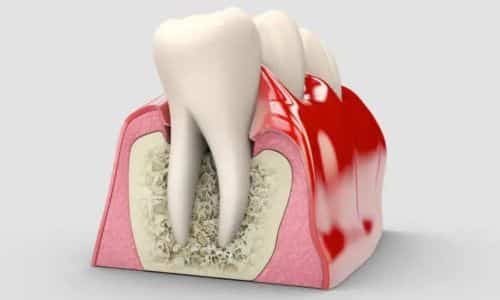
Explore the critical connection between gum diseases and nutrition. Learn how dietary choices impact oral health and discover practical tips for preventing gum diseases through proper nutrition. Discover nutrition’s critical role in maintaining healthy gums and preventing gum diseases. Find out how certain nutrients, such as vitamin C and calcium, can strengthen your gums and protect against infections. Implementing a well-balanced diet and avoiding sugary foods can significantly improve oral health and reduce the risk of gum diseases. Introduction Good oral health is essential for our overall well-being. However, many people underestimate the significance of proper nutrition in maintaining healthy gums. In addition to regular brushing and flossing, a nutritious diet is crucial in preventing gum diseases. Nutrients like vitamin C help boost collagen production, which is vital for maintaining the integrity of gum tissues. Similarly, calcium helps strengthen the jawbone and teeth, providing a solid foundation for healthy gums. In this comprehensive guide, we’ll delve into the topic of the role of nutrition in preventing gum diseases. We’ll explore how dietary choices affect gum health and provide valuable insights to help you maintain a beautiful smile. Let’s get started! Gum Diseases and Nutrition: A Holistic Approach Diving into the heart of the matter, it’s crucial to understand the intricate relationship between gum diseases and nutrition. Research has shown that poor nutrition can weaken the immune system, making it harder for the body to fight infections and inflammation in the gums. Certain nutrients like vitamin C and calcium are crucial in maintaining healthy gum tissue and preventing gum diseases. Adopting a holistic approach to oral health that includes a balanced diet can significantly reduce your risk of developing gum diseases and maintain optimal gum health. Understanding Gum Diseases Before discussing nutrition’s impact, let’s first understand gum diseases. Gum or periodontal diseases encompass various conditions affecting the tissues supporting your teeth. These conditions can vary from mild gum inflammation (gingivitis) to severe infections leading to tooth loss (periodontitis). Gum diseases are primarily caused by plaque buildup, a sticky film of bacteria that forms on the teeth. Poor oral hygiene, smoking, certain medications, and genetic factors can also contribute to the development of gum diseases. It is important to note that gum diseases affect oral health and are linked to systemic conditions such as heart disease and diabetes. The Role of Nutrition in Gum Health Your diet plays a pivotal role in maintaining healthy gums. Proper nutrition can help prevent gum diseases and promote overall oral health. Here’s how it works: 1. Nutrients for Gum Health Vitamin C: Vitamin C is essential for gum health as it helps to maintain the collagen in your gums. Collagen is a connective tissue that supports and keeps your gums attached to your teeth. Strawberries, broccoli, Citrus fruits, and bell peppers are excellent sources of vitamin C. Including these foods in your diet can help ensure you get enough vitamin C to support healthy gums. Vitamin C also has antioxidant properties that can help reduce inflammation in the gums and prevent gum diseases. Calcium: Calcium is necessary for strong teeth and bones and supports gum health. Dairy products like yogurt, cheese, leafy greens, and almonds are rich in calcium. These calcium-rich foods can help strengthen your teeth and bones and promote healthy gums. Adequate calcium intake is essential for maintaining oral health and preventing tooth decay and gum disease. Vitamin D: Vitamin D helps your body absorb calcium, making it crucial for gum and tooth health. This can be obtained from sources such as fatty fish, fortified dairy products, and exposure to sunlight. In addition to promoting gum and tooth health, vitamin D reduces inflammation and supports the immune system. Ensuring you get enough vitamin D to maintain optimal oral health and prevent oral infections is essential. Antioxidants: Antioxidants, such as vitamin E and beta-carotene, can reduce inflammation in the gums. Foods like nuts, seeds, spinach, and sweet potatoes contain these beneficial nutrients. Including these foods in your diet can help promote healthy gums and prevent gum disease. Additionally, antioxidants can help protect against damage caused by free radicals, contributing to oral health issues. Omega-3 Fatty Acids: Omega-3 fatty acids have anti-inflammatory properties that can benefit gum health. Fatty fish like salmon and walnuts are excellent sources of omega-3 fatty acids. Including these foods in your diet can help reduce inflammation in the gums and improve oral health. Omega-3 fatty acids have also been linked to a lower risk of periodontal disease, a severe form of gum disease that can lead to tooth loss if left untreated. 2. Hydration Matters Adequate water consumption helps maintain saliva production, your body’s natural defense against oral bacteria. Saliva helps wash away food particles and neutralize acids that can erode tooth enamel. Staying hydrated also prevents dry mouth, which can increase the risk of tooth decay and bad breath. Remember to drink water throughout the day to keep your mouth healthy and well-hydrated. 3. Balancing Act A balanced diet ensures your body gets all the nutrients it needs for gum health. Avoid excessive sugar and processed foods, leading to plaque buildup and gum disease. Instead, incorporate plenty of fruits, vegetables, lean proteins, and whole grains into your diet. These foods provide essential vitamins and minerals supporting gum health and oral hygiene. Maintaining a balanced diet can also help prevent other oral health issues, such as tooth decay and bad breath. Practical Tips for Gum Disease Prevention Now that you understand the importance of nutrition in gum health let’s explore some practical tips to prevent gum diseases. 1. A Diet Rich in Fresh Fruits and Vegetables Incorporate a variety of fresh fruits and vegetables into your diet. These are packed with essential vitamins and antioxidants that promote gum health. Some examples of fruits and vegetables that are particularly beneficial for gum health include leafy greens, citrus fruits, and berries. Additionally, chewing on crunchy fruits and vegetables can help stimulate saliva production, which can aid in washing away bacteria and food

