
Tooth discoloration what you need to know
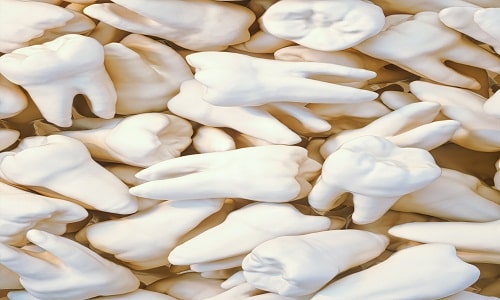
Tooth Discoloration – Have you noticed that your teeth are not as white as they once were, or maybe even as white as you would want them to be? Your teeth’s luster might be lost due to a variety of factors. However, there are just as many techniques to remove stains from teeth and avoid them altogether. Here are some suggestions for maintaining a robust and radiant grin. OVERVIEW Why do teeth get darker or discolored? Almost everyone wishes they could have a bright white grin. Your teeth may discolor for a variety of causes. Some things are beyond our control, including becoming older or having accidents while we’re young that might affect how our tooth enamel develops. This is why it’s crucial to talk to your dentist about any intentions you have for teeth whitening. Your dentist will be able to determine if your tooth darkening is only lifestyle-related staining, such as from drinking too much coffee, or whether it may be more of a dental health issue. Even though bleaching is often done for aesthetic purposes, your dentist may advise you on the best course for your particular stains. The good news is that correcting dental discoloration is often possible. That justifies working for a radiant white grin. Tooth Discoloration and Stains on teeth brought on by lifestyle choices: Foods/drinks: Tea, coffee, colas, wines, and other starchy meals like pasta or potatoes may all result in stains. Using tobacco: A smoker’s or chewer’s teeth may get stained. Tooth Discoloration on teeth brought on by dental health: A lack of dental hygiene Plaque and food stains may accumulate if you forget to clean and floss your teeth. Skipping regular cleanings by a dentist may also cause colors to appear. Disease: Conditions that inhibit the healthy growth of dentin, the more porous “yellower” core underneath the enamel, and dental enamel (your teeth’s white outer layer), may cause discoloration. Some illnesses in pregnant women may interfere with your baby’s enamel development and stain their teeth. Chemotherapy and radiation to the head and neck are two medical procedures that may stain teeth. Medication: It is well-known that several medications may stain growing children’s teeth. Tetracycline and doxycycline, medicines, may impact how enamel forms in kids under the age of eight. Teeth may also get stained by mouthwashes and rinses that include cetylpyridinium chloride and chlorhexidine. Antipsychotic medicines, antihistamines, and antihypertensive meds may stain teeth. Dental materials: Some amalgam restorations, particularly those that include silver sulfide, might give your teeth a grayish-black tint. Aging: Your teeth’s outer coat of enamel wears away with time, revealing the tooth’s yellow dentin. The tooth becomes less translucent, giving off a darker appearance. As you age, the dentin in your teeth also increases, reducing the pulp size. Genetics: Some families have thicker, whiter enamel. Environment: Too much fluoride may lead to fluorosis, which appears as white spots on teeth, whether it comes from environmental sources (high fluoride levels in water) or excessive usage (fluoride treatments, rinses, toothpaste). Trauma: Children might get oral injuries when playing sports. If they are younger than eight, the damage may prevent enamel production. Adult teeth may also become discolored by trauma if a sports injury or other impact reduces blood supply to the tooth or kills the nerve. How often are stained or discolored teeth? Nobody is sure how many of us have tooth discoloration, but it is obvious that we care about how white and healthy our teeth are. As a social status symbol, a bright smile has made teeth-whitening goods and techniques rather famous. According to the American Academy of Cosmetic Dentistry, most of us (99%) believe our smile is our most valuable social asset. A quick walk down the dental care aisle of any pharmacy shows a vast selection of whitening trays, strips, toothpaste, and mouthwashes. More than ever, we are backing up our words with actions by increasing our yearly expenditure on both over-the-counter and professional whitening goods and treatments. There are solutions for any budget if you’re ready to whiten your teeth, but it pays to know which ones are secure and efficient and which could do more damage than good. CONTROL AND TREATMENT What are teeth-whitening procedures available? Several treatment choices exist, and only some qualify for every whitening technique. Your teeth will become a certain number of shades lighter depending on the sort of stain you have. It’s important to talk with your dentist before using any whitening products since the U.S. Food and Drug Administration (FDA) disapproves of them. Can crowns or veneers placed on a tooth be made whiter? It’s also crucial to realize that since dental restorations, such as bonding, veneers, crowns, bridges, dentures, or implants, are often comprised of artificial materials, such as porcelain, they cannot be whitened. Only teeth with natural enamel can be made whiter, and only if the root of the problem is something your dentist believes is reversible. Your dentist could advise one or more of the following alternatives depending on the reason for the discoloration. At-home bleaching I am applying over-the-counter whitening products that come in tooth-shaped trays or stick-on strips. Employ the appropriate tooth brushing and flossing practices to clean your teeth daily. (Although you should always practice proper dental care, stepping up your game may enhance your teeth’ look if your routine improves.) Specialist whitening A dentist will conduct professional whitening in-office, using professional whitening materials and techniques to hasten the whitening process. When performed by a qualified dentist, the operation is secure. Your dentist will apply a hydrogen peroxide solution. The bleaching process may need to be sped up for specific items using heat and specialized light. Other goods that are only accessible to professionals will have a stronger whitener concentration, occasionally with desensitizer, and some special tray for improved whitener adherence. Dental bonding is when your dentist paints a white resin on your tooth and uses a special light to solidify it. To enhance the color and shape of your smile, the light “bonds” the resin to the

